Festival Culture: Are VIP Tickets and Exclusive Experiences Dividing Fans?

0

In today’s music festival landscape, exclusive experiences have sparked debates about their impact on inclusivity. As festivals grow more commercialized, organizers increasingly offer premium services to high-paying fans through VIP tickets. While these perks boost revenue and provide enhanced comfort for some, they also raise concerns about whether festivals are becoming less accessible to the average fan.

The Rise of VIP Perks

VIP tickets at festivals like Coachella and Lollapalooza offer more than just priority entry. High-paying attendees receive exclusive access to private lounges, premium viewing spots, air-conditioned restrooms, and better food options. VIPs even enjoy private transportation across festival grounds. These conveniences transform the festival experience, making it easier for fans to avoid long lines and large crowds.

For example, at Coachella, VIP ticket holders can relax in shaded lounges or sip premium cocktails, far from the bustling general admission areas. Austin City Limits offers VIPs exclusive access to local food vendors and spa treatments, ensuring their comfort throughout the event. These amenities appeal to attendees looking for a curated, hassle-free festival experience.

Division Among Fans

While VIP perks may elevate the experience for some, they can also create economic divides. Regular ticket holders often find themselves crowded into less desirable areas, with limited access to shaded lounges or premium viewing spots. The contrast between VIP and general admission sections can detract from the sense of unity and community that festivals once represented.

Moreover, VIP tickets are often significantly more expensive than general admission passes, putting these perks out of reach for many fans. For some attendees, this has led to feelings of alienation and elitism, as festivals increasingly cater to those who can afford luxury experiences rather than those simply seeking music and camaraderie.

The Benefits of VIP Packages

From an organizer’s perspective, VIP packages serve an essential purpose. Revenue from these higher-priced tickets helps keep general admission prices more affordable. Festivals need funding for artist fees, logistics, and production, and VIP tickets offer a solution without raising general ticket costs. Organizers argue that this helps create a sustainable business model while appealing to diverse fan demographics.

Additionally, VIP options attract older fans or those who may be hesitant to attend festivals due to the physical demands. Offering comfortable seating, private restrooms, and exclusive bars makes festivals more accessible to people seeking a more relaxed experience.

The Impact on Festival Culture

Despite the financial benefits for festivals, the growing emphasis on VIP experiences may compromise inclusivity. Festivals historically thrived on shared experiences and communal energy, but VIP sections can separate fans based on wealth. As more attendees seek luxury perks, festivals risk losing the egalitarian ethos that once defined them.

Some festivals are exploring ways to balance VIP experiences with a focus on community. Offering tiered ticket pricing or creating inclusive, shared spaces for all attendees can help maintain the core spirit of festivals. For example, Glastonbury’s organizers have introduced initiatives that focus on community engagement and sustainability, keeping the festival grounded in its roots despite the introduction of VIP services.

Conclusion: Are VIP Perks Dividing Fans?

Music Industry Weekly understands that while VIP tickets undoubtedly enhance the festival experience for some, they also present challenges in maintaining a sense of inclusivity. The emphasis on exclusive experiences risks creating a tiered system where only those who can afford premium prices enjoy the best the festival has to offer. To preserve the communal spirit and avoid alienating a large portion of their audience, festival organizers must carefully balance the need for revenue with the ethos of inclusivity.

The growing demand for luxury options at festivals means that VIP packages are likely here to stay. However, by offering more affordable alternatives and prioritizing community-driven experiences, festivals can continue to welcome all fans, ensuring that music and togetherness remain the heart of the event.

Ticketmaster Under Fire: The Ethics of Dynamic Pricing at Concerts

0

In recent years, Ticketmaster has faced significant backlash for its practice of dynamic pricing, a system where ticket prices rise based on demand. This pricing model has drawn widespread criticism, particularly from fans who feel exploited by skyrocketing costs, and from artists who argue that it undermines their connection with their audiences. Dynamic pricing—commonly used in industries like airlines and hospitality—has become a standard for concerts, but its use in live music events has ignited debates about fairness, transparency, and ethics in the industry.

What Is Dynamic Pricing?

Dynamic pricing adjusts ticket prices in real time based on demand. When demand is high, prices can increase dramatically, while low demand may see ticket prices stabilize or decrease. Ticketmaster and its parent company, Live Nation, defend the practice as a way to combat ticket scalping and ensure that artists receive fair compensation. However, critics argue that it often alienates loyal fans by creating a system where only those willing to pay exorbitant prices can attend popular shows.

For example, during Oasis’ 2025 reunion tour, fans were dismayed to find that standing tickets initially listed at £135 surged to as much as £355 due to dynamic pricing. Ticketmaster claimed the system was implemented to discourage ticket touts and reflect “market value” prices. However, many fans took to social media, expressing frustration at feeling priced out of the experience. Artists like Oasis themselves distanced themselves from the pricing strategy, stating that they had little control over it, leaving decisions to their promoters and management.

The Impact on Fans and Artists

For fans, dynamic pricing can turn the excitement of securing concert tickets into a financial burden. What starts as an affordable purchase can quickly balloon to hundreds or even thousands of dollars due to demand spikes. This shift in pricing structure has led to widespread dissatisfaction, especially for highly anticipated events such as Taylor Swift’s “Eras Tour” and Bruce Springsteen’s latest concerts. Fans often feel they are being unfairly priced out, while critics argue that it creates a two-tier system favoring wealthier audiences.

Artists, too, are caught in the crossfire. While dynamic pricing can theoretically lead to higher earnings, many artists express concern that it damages their relationship with fans. Springsteen faced backlash in 2022 after ticket prices for his tour surged to $5,000 for some seats. Although Ticketmaster justified the price hikes as part of its dynamic pricing system, Springsteen’s team later acknowledged the concerns, recognizing the ethical dilemma it posed. For many musicians, particularly emerging ones, the tension between maximizing revenue and maintaining fan loyalty is a significant challenge.

The Industry Response

In response to growing criticism, some artists and politicians are calling for reform. The UK government has expressed concern about dynamic pricing, with officials promising to review the practice and its implications for concertgoers. Similarly, in the United States, the Department of Justice launched an antitrust investigation into Live Nation and Ticketmaster, probing their dominant role in the ticketing market and the fairness of their pricing models.

Despite these pressures, Ticketmaster has continued to implement dynamic pricing, arguing that it provides a solution to ticket resellers and allows artists to capture more of the revenue that would otherwise go to scalpers. The company emphasizes that the system is transparent and reflects the realities of high-demand events. However, fans and critics remain skeptical, demanding greater transparency and artist involvement in pricing decisions.

Ethical Implications and the Future

The ethics of dynamic pricing in live music raises broader questions about access, fairness, and the role of corporate control in the music industry. As ticket prices continue to soar for high-demand concerts, the model risks creating a divide between fans who can afford to attend and those who cannot. At its core, the debate centers on whether live music—long considered a communal, accessible experience—is becoming a luxury for the wealthy.

As the industry evolves, it is clear that dynamic pricing will remain a contentious issue. Some artists may push back against the practice, opting for alternative ticketing strategies that prioritize fan affordability and transparency. Meanwhile, platforms like Ticketmaster are likely to continue refining their pricing models, balancing profitability with growing scrutiny from both the public and regulators.

Conclusion

Music Industry Weekly recognizes that the dynamic pricing debate has ignited a broader conversation about fairness and access in the live music industry. While Ticketmaster and other companies argue that it reflects market realities, fans and artists alike are pushing for more transparency and control. As ticket prices continue to fluctuate based on demand, the ethical questions surrounding this practice are unlikely to disappear. The future of dynamic pricing may well depend on whether the industry can strike a balance between profitability and preserving the core values of live music—community, accessibility, and shared experience.

Balancing Authenticity and Popularity: Navigating Social Media as a Musician

0

In today’s music industry, social media is essential for growth, visibility, and engagement with fans. However, the pressure to create viral content can lead musicians to feel conflicted between maintaining authenticity and catering to trends for greater popularity. Striking the right balance is crucial for long-term success. Below, we explore strategies that can help musicians stay true to their artistic identity while effectively growing their audience on social media.

1. Define Your Authentic Voice

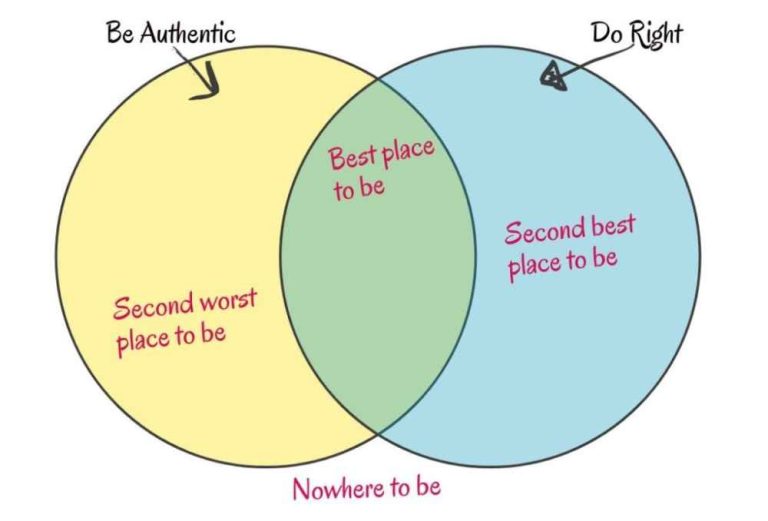
At the core of any successful social media strategy is authenticity. Fans want to connect with genuine artists, and building an authentic brand online begins with defining what you stand for as an artist. Musicians who know their unique sound, message, and identity can build more meaningful and lasting connections with their audience.

Action: Identify your values, artistic goals, and core message. Ensure that your social media presence reflects these elements. Consistency in voice, whether it’s personal stories, behind-the-scenes content, or your creative process, helps build trust with your audience.

Example: Singer-songwriter H.E.R. is known for maintaining authenticity by focusing on intimate live sessions and snippets of her songwriting process, without over-relying on flashy trends.

2. Focus on Storytelling

Rather than solely aiming for viral content, focus on storytelling. Share the journey behind your music, from writing and recording to the inspiration behind your lyrics. This type of content fosters deeper emotional connections with fans and positions you as an authentic artist.

Action: Regularly post short videos, stories, or posts that take your followers behind the scenes. Share the meaning behind your songs, the struggles of being an artist, or even day-to-day moments that highlight your personality.

Example: Artists like Billie Eilish and Lizzo often share personal stories and unfiltered moments, giving their fans a sense of intimacy, which contributes to their authenticity on social media.

3. Engage Consistently and Personally

Direct engagement with your fans makes you more relatable and shows that you genuinely care about your audience. Reply to comments, acknowledge fan support, and share user-generated content to keep the communication two-way.

Action: Take time to interact with fans through live Q&A sessions, commenting back, or reposting fan art and covers. Engaging authentically can turn casual listeners into lifelong fans.

Example: John Mayer is known for his casual Instagram Live sessions, where he plays music, discusses his thoughts, and engages directly with his audience, making fans feel included in his world.

4. Stay Consistent but Avoid Over-Saturating

It’s easy to get swept up in the pressure to post constantly, but flooding social media with content can sometimes lead to burnout, both for you and your followers. Consistency matters, but so does the quality of your content. Strike a balance between frequent posting and maintaining a level of creative energy.

Action: Plan a manageable content schedule. Use tools like Instagram stories, TikTok, or YouTube shorts to share snippets, while saving longer-form content for fewer but more impactful posts. Be intentional about quality over quantity.

Example: Artists like Tyler The Creator are selective with their posts, using social media to share significant updates or promote new releases, while also maintaining an air of mystery.

5. Leverage Trends Without Compromising Integrity

Trends and challenges on platforms like TikTok can be a quick way to gain exposure. However, it’s important to participate in these trends in a way that aligns with your brand. Instead of following every viral challenge, find creative ways to put your spin on popular trends while still being true to your artistry.

Action: Participate in trends that naturally align with your style. For example, use a viral audio clip or engage in a popular challenge, but customize it to fit your musical style, values, or message.

Example: Musicians like Lil Nas X use trends to their advantage while maintaining their unique voice. Lil Nas X capitalized on TikTok trends, but always in a way that reflected his humor and bold personality.

6. Collaborate to Expand Reach While Staying True to Your Brand

Collaborating with other musicians or influencers can boost your social media presence. However, choose collaborators whose values and content complement your artistic identity. This ensures that any growth in your audience is based on genuine interest rather than fleeting popularity.

Action: Look for opportunities to collaborate on social media campaigns, cross-promote with artists you respect, or engage with influencers whose content is in line with your brand.

Example: Collaborations between artists like Phoebe Bridgers and indie musicians have amplified her reach while staying authentic to her brand as a folk-inspired, introspective artist.

7. Understand and Use Data Analytics Wisely

While social media analytics provide useful insights into what works and what doesn’t, avoid the trap of tailoring every decision based on numbers alone. Use analytics to inform your strategy, but always let creativity and authenticity guide your content.

Action: Regularly review which posts perform well, but don’t let metrics dictate your entire creative process. If a particular type of post doesn’t gain as many likes but reflects your core message, continue to create it because authenticity is key to long-term success.

Conclusion: Striking a Balance Between Authenticity and Popularity

Music Industry Weekly acknowledges that navigating the fast-paced, trend-driven world of social media as a musician requires a delicate balance. While it’s tempting to chase viral moments, lasting success comes from authenticity. By staying true to your brand, engaging meaningfully with your audience, and leveraging trends thoughtfully, musicians can build a loyal fanbase that appreciates both the music and the person behind it.

Handling Negative Criticism: How Musicians Can Respond to Public Backlash

0

Negative criticism is inevitable in any creative field, and musicians are no exception. In an age of social media, online reviews, and real-time feedback, handling public backlash has become an essential skill for artists. While criticism can be tough, it’s how musicians respond to it that can either positively or negatively affect their career and mental health. Below are practical steps to navigate and manage negative criticism without causing long-term damage.

1. Assess the Source of the Criticism

Not all criticism is equal, so it’s important to consider the source. Criticism from a seasoned music critic or industry professional often differs in intent and value from a negative comment on social media. Professionals typically provide constructive feedback, which can help musicians grow, while online trolls may simply be looking to provoke a reaction.

Action: Determine whether the criticism is coming from a reliable, experienced source or from someone whose intent is simply to tear you down. Respond only to criticism that is constructive and worth engaging with.

2. Pause Before Reacting

It’s natural to feel hurt or defensive after receiving harsh feedback, but reacting immediately in the heat of the moment can escalate the situation. Emotional responses can often lead to more backlash and may hurt your reputation in the long run.

Action: Take a break before responding to any criticism, allowing yourself time to cool down and reflect on whether the feedback holds any merit.

3. Separate Personal Identity from Your Art

It’s easy to take negative criticism personally, especially for musicians who pour their heart into their work. However, distinguishing your self-worth from your music can help you manage feedback without internalizing it too deeply.

Action: Remind yourself that criticism of your music is not a reflection of your worth as a person. View your music as a product that can evolve, rather than an extension of your identity.

4. Acknowledge Constructive Criticism

Constructive feedback offers valuable insights, even when it’s hard to hear. Critics may point out areas of improvement that can help you refine your craft and grow as an artist.

Action: When faced with constructive criticism, thank the critic for their input, even if you don’t fully agree. This shows professionalism and maturity while giving you room to evaluate the feedback later.

Example Response: “Thank you for the feedback. I’ll consider it as I continue working on my music.”

5. Engage Constructively with Fans and Critics

Engaging constructively can help diffuse criticism while showing that you are approachable and willing to learn. A tactful response can turn a negative situation into an opportunity to build rapport with your audience.

Action: If a critic or fan offers specific concerns, you might respond with openness. For instance, “I appreciate your thoughts on the track. I’ll keep your perspective in mind for future projects.” This type of response avoids escalation while showing that you care about feedback.

6. Don’t Feed the Trolls

It’s essential to recognize when someone is trying to provoke you rather than provide meaningful criticism. Engaging with trolls can lead to further negativity and affect your public image.

Action: Ignore trolls and block users who are persistently negative without constructive intent. Engaging with them only fuels the fire.

7. Take Control of Your Narrative

When criticism begins to spiral, whether on social media or in public forums, it can feel overwhelming. To regain control, musicians should use their platforms to address their side of the story.

Action: Share your perspective with authenticity on your social media or in interviews. Address the criticism head-on, but avoid being defensive or overly apologetic. Focus on your personal growth and future creative endeavors.

8. Lean on Your Support Network

Facing public backlash can be isolating and emotionally draining. Surrounding yourself with trusted friends, family, or a team who can provide objective feedback and emotional support is crucial during these times.

Action: Talk to people you trust to get their perspective on the situation. They can offer advice on how to respond, or they might remind you to take the criticism in stride.

9. Use Criticism as a Growth Tool

Negative feedback doesn’t always feel good, but it can be a powerful tool for growth if handled correctly. Rather than seeing it as a setback, approach it as an opportunity for development.

Action: Ask yourself what you can learn from the criticism. If there are areas where improvement is needed, use the feedback to adjust your work moving forward.

10. Prioritize Mental Health

Constantly dealing with public scrutiny can take a toll on your mental health. Musicians should be mindful of their emotional well-being and take proactive steps to care for themselves.

Action: Set boundaries when engaging with criticism and take breaks from social media or public forums when necessary. Consider speaking to a therapist or counselor who can offer strategies for managing stress and public pressure.

Conclusion: Navigating Criticism with Grace

Music Industry Weekly understands that musicians, like all public figures, will inevitably face criticism. How they choose to handle it can make a significant difference in their career trajectory and emotional health. By approaching criticism with patience, perspective, and professionalism, musicians can navigate public backlash without damaging their reputation or well-being. Ultimately, learning to manage criticism effectively can lead to personal and creative growth, while building resilience in an ever-demanding industry.

The Pay-to-Play Dilemma: Is It Hurting Emerging Artists?

0

In today’s music industry, pay-to-play gigs have sparked significant controversy, particularly for emerging artists seeking exposure. The idea is straightforward: artists pay upfront to perform at venues or festivals, with the promise of potential exposure. However, this model raises serious ethical concerns about fairness and its long-term impact on musicians trying to break into the industry.

What Is Pay-to-Play?

Pay-to-play gigs require artists to buy a set number of tickets in advance, which they then sell to their fans. If they don’t sell enough, they bear the financial burden, while venues and promoters take no monetary risk. This system puts immense pressure on independent artists who might not yet have a fanbase to make the gig financially viable.

Initially, pay-to-play was marketed as an opportunity for smaller artists to gain exposure. However, critics argue that it’s increasingly exploitative. Instead of performing in front of new audiences, many artists end up playing to small crowds consisting mostly of friends and family, receiving little to no exposure.

The Problems: Financial Burden and False Promises

For many emerging artists, pay-to-play deals start with hope. The chance to perform on a larger stage sounds like a dream come true. However, reality often falls short. Artists can end up performing in nearly empty venues, with little to no promotion from the organizers. The “exposure” they were promised never materializes.

Moreover, the financial strain of pay-to-play gigs is a significant challenge. Musicians already facing financial hurdles to fund their careers are burdened by the upfront costs of these gigs. Instead of earning from their performances, they often find themselves in debt from unsold tickets. This model means only financially stable artists can afford the gigs, limiting opportunities for talented artists without such resources.

Is Pay-to-Play Exploitative?

Critics argue that pay-to-play is exploitative, especially when artists shoulder all the financial risk. The system benefits venues and promoters, who profit from artists’ eagerness to perform without taking on any risk themselves. This practice also limits musical diversity by prioritizing artists who can afford to pay rather than those who are genuinely talented.

For an industry built on creativity and expression, turning performances into mere financial transactions seems to commodify art. Critics say this practice turns music into a business model that enriches venues and promoters at the expense of the very people creating the art.

The Long-Term Impact on Emerging Musicians

The long-term effects of pay-to-play gigs are damaging for many young artists. Financial burdens from these gigs lead to burnout, disillusionment, and, in many cases, quitting the music industry altogether. Without guaranteed exposure or career advancement, these gigs can feel like a dead end.

Musicians without financial backing are especially vulnerable. Pay-to-play gigs narrow their chances of getting noticed, while wealthier artists can buy their way into performances. This creates an uneven playing field, where opportunities are based on financial standing rather than talent.

The Industry’s Response: A Push for Fairer Practices

The backlash against pay-to-play has prompted calls for change. Organizations like the Musicians’ Union advocate for fairer models where artists receive a percentage of ticket sales without covering the financial risk. Some venues have embraced this shift, recognizing that paying artists fairly benefits everyone and creates a more sustainable music ecosystem.

Ethical promoters and venues that prioritize artist welfare are gaining attention for offering transparent deals. Rather than exploiting artists’ desperation for exposure, these promoters ensure a mutual benefit for both the artist and the venue. Some festivals have adopted no-pay-to-play policies, ensuring fair compensation for artists regardless of their popularity.

Case Studies: SXSW and Other Festivals

High-profile events like SXSW have faced criticism for not paying artists adequately. Despite charging high admission fees, many performers are compensated only with wristbands to attend other shows. This disparity has led to pressure on festivals to create fairer compensation models, including paying artists up front.

In contrast, smaller festivals that prioritize artist compensation have become a model for fairer industry standards. By paying musicians fairly for their performances, they’re helping to reshape how the industry treats emerging talent.

Conclusion: Is Pay-to-Play Hurting Emerging Artists?

Music Industry Weekly acknowledges that pay-to-play gigs are harmful to emerging artists, placing financial strain on musicians without providing the promised exposure. Although some view these gigs as a necessary evil, the long-term effects are detrimental. They limit opportunities for talented artists who don’t have the means to pay upfront and may even stifle creativity.

To create a more inclusive music industry, artists, venues, and promoters must collaborate to develop fairer models. As ethical practices gain momentum, emerging artists may finally receive the recognition and compensation they deserve based on talent, not financial ability.

Ghostwriting in Hip-Hop: How Transparent Should Artists Be?

0

In recent years, ghostwriting in hip-hop has become a controversial topic, raising questions about authenticity and creative integrity. Lyrical prowess has always been a central element in hip-hop, with artists being praised for writing their own material. For this reason, relying on ghostwriters can be perceived as a betrayal of hip-hop’s core values. Despite this, ghostwriting is not a new phenomenon, and its presence in hip-hop is being viewed with more complexity today.

The Role of Ghostwriting in Hip-Hop

Ghostwriting, in the context of hip-hop, refers to one artist writing lyrics for another, without public acknowledgment. This practice has long existed in the industry, even among top-tier artists. For instance, parts of Dr. Dre’s The Chronic were penned by The D.O.C., while Jay-Z has written for artists like Foxy Brown. Ghostwriting often takes place discreetly, with artists engaging in “work-for-hire” deals. These arrangements allow the original writer to forfeit their rights in exchange for payment.

Unlike in pop and R&B, where collaboration is a well-accepted part of the creative process, hip-hop places a premium on individual expression. In this genre, fans expect rappers to write their own lyrics, believing it to be an extension of their personal truth. When artists like Drake faced accusations of using ghostwriters—most notably Quentin Miller on If You’re Reading This It’s Too Late—it raised questions about their credibility and artistry.

The Debate Over Transparency

One major issue in the ghostwriting debate is transparency. Should artists openly acknowledge the contributions of others? Some argue that being upfront about ghostwriters would maintain artistic integrity and give fans the opportunity to fairly judge the music. Others believe that revealing too much about the collaborative process would undermine the mystery and creativity that drive the industry.

Many ghostwriters work behind the scenes for financial reasons. Up-and-coming artists often sell their material as a way to break into the industry. In this light, ghostwriting can be seen as a form of teamwork, and if the final product resonates with audiences, some feel there’s no harm in it. However, purists argue that ghostwriting weakens the genre’s artistic integrity. When Kanye West or Cardi B employ ghostwriters, critics claim that it dilutes the authenticity that hip-hop is built on.

Ethical Implications in the Industry

The ghostwriting debate also involves ethical questions about ownership and credit. Ghostwriters are often paid upfront and may not receive royalties or long-term recognition for their work. This brings up fairness issues, as the artist performing the song benefits from fame and success while the original writer remains in the background. The rise of ghostwriting agencies has commercialized creativity, treating songs and verses as commodities rather than personal expressions.

As the use of ghostwriters becomes more widespread, some industry insiders are calling for clearer guidelines and more transparency. With platforms like YouTube and SoundCloud offering direct access to fans, audiences are demanding more genuine artistic expression. However, the pressure to constantly produce hits can drive many artists to seek external help.

Conclusion: Should Artists Be More Transparent About Ghostwriting?

Ghostwriting is an undeniable part of the music industry, but its place in hip-hop remains a point of contention. The genre’s focus on personal expression contrasts with the realities of modern production, where collaboration is vital. Whether or not artists should be open about using ghostwriters is still debated. While some see ghostwriting as a natural part of the creative process, others believe that transparency would uphold the genre’s integrity.

Music Industry Weekly understands that ultimately, this debate highlights the broader challenges of balancing commercial success with artistic integrity in today’s music landscape.

Record Label Contracts Under Fire: Are Traditional Deals Outdated?

0

The music industry is evolving, yet many artists are still navigating the restrictive terms of traditional record label contracts. These deals, particularly the widely known “360 deals,” allow labels to take a share of an artist’s entire revenue stream—touring, licensing, merchandise, and more—in exchange for career development. Recently, these contracts have faced increasing scrutiny, with high-profile artists challenging their fairness. This article explores recent controversies, the current landscape of record label contracts, and how the industry needs to change to better support modern artists.

The Rise of the 360 Deal

In response to declining record sales, due to the rise of streaming, many labels adopted the 360 deal model. These contracts give the label a percentage of various revenue streams beyond album sales, including touring and merchandise. The idea was to compensate for lost revenue by diversifying income sources. Artists, in return, would benefit from label support to grow their brand and create new revenue streams.

However, critics argue that 360 deals heavily favor labels at the expense of the artist’s autonomy. While labels provide resources, they often demand a significant share of earnings, regardless of the artist’s success or creative control. Furthermore, with labels holding financial interests in multiple aspects of an artist’s career, some musicians feel creatively stifled.

Artists Pushing Back: Modern Controversies

Several recent high-profile cases have highlighted the growing dissatisfaction with traditional record label contracts. Taylor Swift’s well-known battle to regain control of her master recordings is a prominent example. After losing ownership of her early catalog, Swift began re-recording her albums to reclaim her music and assert greater control. Her success has set a new precedent, leading some labels to extend the time artists must wait before re-recording their music—up to 30 years in some cases.

Swift isn’t the only one speaking out. Kanye West has publicly criticized the inequities in his contracts, and Frank Ocean strategically fulfilled his record deal by releasing back-to-back albums, highlighting how some artists are finding creative ways to challenge the system. These instances signal a larger trend: artists seeking control over their work and careers, pushing back against contracts that prioritize label profits over artistic freedom.

The Need for Change: Evolving Industry Standards

As streaming becomes the dominant form of music consumption, traditional record deals seem increasingly out of touch. Streaming royalties are far lower than those from physical sales, and many artists argue that labels aren’t adjusting their revenue-sharing models fairly. Even though labels now profit from diverse revenue streams, artists still struggle to earn sustainable incomes.

Independent music distribution is also shifting the power dynamics in the industry. Platforms like Bandcamp, TuneCore, and DistroKid allow artists to distribute music directly to fans, bypassing labels. This option provides more creative freedom and enables artists to keep a larger portion of their earnings. With more artists succeeding independently, the need for contract reform has become even more apparent.

Conclusion: Are Traditional Deals Outdated?

Music Industry Weekly recognizes the growing controversies surrounding record label contracts revealing a pressing need for reform in the music industry. Traditional deals, particularly the 360 model, may no longer serve the best interests of artists in an era where streaming and independent distribution dominate. Labels must adapt, ensuring that artists are fairly compensated, retain creative control, and have the freedom to grow without feeling restricted by outdated agreements.

For artists, this means advocating for more balanced contracts and being proactive in negotiations. As the music industry continues to evolve, artists will likely push for even greater control and challenge the status quo, ensuring their voices are heard in an industry historically driven by profits over creativity.

The Streaming Royalties Controversy: Why Artists Are Still Fighting for Fair Pay

0

Music streaming has transformed the way we consume music, with platforms like Spotify and Apple Music offering convenient access to millions of songs. However, for many artists, this shift has led to frustrations over unfair compensation. In recent years, artists have increasingly spoken out against the royalties they receive from streaming services, sparking debates and legal battles over how streaming platforms pay creators. This article explores the ongoing streaming royalties controversy and the efforts by artists and advocates to ensure fair pay for musicians.

The Fight for Fair Royalties

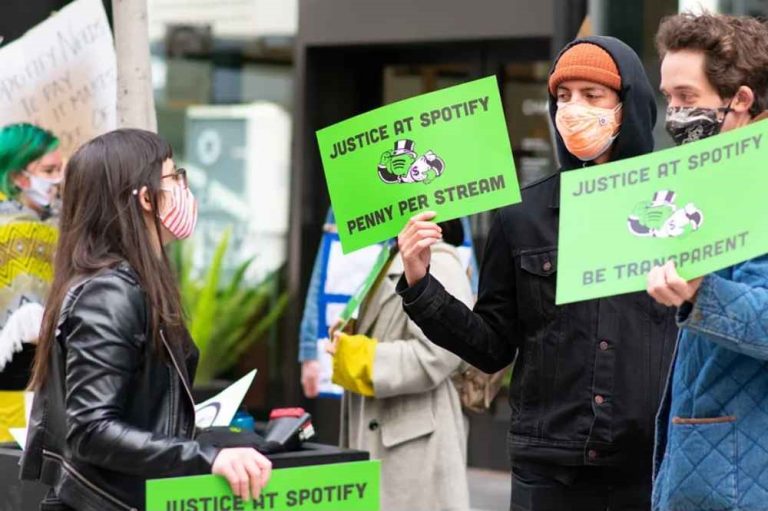
One of the most prominent movements addressing this issue is the Union of Musicians and Allied Workers’ (UMAW) “Justice at Spotify” campaign. Launched in 2020, this campaign calls for Spotify to increase its per-stream royalty rate to at least one cent. Currently, Spotify pays artists an average of $0.0038 per stream, meaning it takes roughly 263 streams for an artist to make just one dollar. This rate is widely criticized as unsustainable for independent and smaller artists, who struggle to make a living under such conditions. UMAW has also called for greater transparency in Spotify’s dealings with major record labels and an end to unfair practices like payola-style playlist placements.

The campaign represents the growing frustration among musicians, particularly in the wake of the pandemic, which has decimated live music revenues. As more musicians rely on streaming platforms for income, the demand for fair compensation has become more urgent.

Recent Legal Battles and Legislation

Artists are not only rallying for change through campaigns but also pursuing legal avenues. In the European Union (EU), musicians have pushed for regulatory changes that ensure fairer pay from streaming platforms. Earlier this year, the European Parliament voted overwhelmingly in favor of creating a legal framework to increase transparency and improve royalty payments for musicians. This framework addresses unfair revenue distribution, which currently favors major labels and popular artists while leaving emerging and independent artists struggling to gain fair compensation and visibility.

These recent developments in the EU mark a significant step toward reshaping the streaming landscape, but the fight is far from over. While these regulatory frameworks signal progress, they are not binding, and artists continue to press for binding reforms both in Europe and globally.

Why Artists Are Pulling Music from Streaming Platforms

Some artists, disillusioned with the lack of fair pay, have taken more drastic steps—removing their music from streaming platforms entirely. For instance, earlier this year, artists like Neil Young and Joni Mitchell removed their catalogs from Spotify, citing ethical concerns over both royalties and the platform’s support for controversial figures like Joe Rogan. Although Young’s actions were driven by multiple factors, including misinformation on the platform, his decision underscores the dissatisfaction many artists feel with the streaming model.

These high-profile removals have sparked wider conversations about how artists can regain control over their music. Some artists are exploring alternative platforms that promise fairer compensation or are choosing to release their music independently to maintain control over their earnings.

The Broader Industry Impact

The controversy over streaming royalties has broader implications for the music industry. Critics argue that streaming platforms have commodified music, reducing it to a volume-driven model where only the most popular songs and artists can make a sustainable income. Meanwhile, independent artists—who make up the majority of musicians—are left behind, unable to compete with algorithmically favored, mainstream content.

As artists continue to push for reforms, there is growing recognition within the industry that changes are necessary. Some solutions proposed include adopting a user-centric payment model—where revenue is distributed based on individual user habits, rather than the platform-wide popularity of tracks—as well as introducing legal mandates to improve transparency in platform algorithms.

Conclusion: The Future of Streaming Royalties

Music Industry Weekly understands that the streaming royalties controversy is not going away anytime soon. As more artists and advocates rally for fair compensation, we can expect further pressure on streaming platforms to reform their royalty structures. Recent campaigns and legislative efforts in both the U.S. and Europe suggest that change is possible, but it will require sustained efforts from artists, industry stakeholders, and lawmakers alike.

Ultimately, the debate over streaming royalties highlights the need for a music industry that values creativity and artistry over profit. The fight for fair pay is about more than just money—it’s about protecting the livelihood and artistic integrity of musicians in an increasingly digital world.

AI in the Studio: How Automation Is Changing Music Production

0

The use of AI tools in music production is revolutionizing the creative process. Artists and producers are increasingly relying on AI-driven platforms for mixing, mastering, and even composing. However, this shift has sparked concerns about the potential loss of human creativity. In this article, we explore how AI is transforming music production, the benefits and challenges it presents, and the ethical questions that arise.

The Rise of AI in Music Production

AI has become a powerful tool in the studio, significantly changing how music is created. Programs like iZotope Ozone and Landr provide automated mastering, while platforms like AIVA and MuseNet are capable of composing original pieces. These tools streamline workflows, automating routine tasks such as EQ adjustments and sound selection. Consequently, producers can focus more on the creative aspects of music production.

Moreover, AI isn’t just limited to technical processes. Creative tools like Amper Music allow users to input parameters like mood and genre, with the AI generating music tailored to those specifications. This collaboration between human input and AI technology opens new creative possibilities but also raises questions about originality.

Musicians’ Concerns: Losing the Human Touch

Despite its advantages, many in the music industry are wary of AI’s growing influence. A major concern is that an over-reliance on AI could lead to a homogenized sound. Music produced by machines lacks the emotion, nuance, and imperfections that are inherent in human performance.

Another issue is job displacement. As AI tools become more sophisticated, roles like sound engineers and session musicians may face diminished demand. However, AI advocates argue that these tools are designed to complement human creativity, not replace it.

AI as a Collaborative Tool, Not a Replacement

For many artists, AI serves as a collaborator. In the studio, it can be used to generate ideas, experiment with new sounds, or remix existing tracks. This collaboration allows artists to push creative boundaries and explore new possibilities.

In this way, AI augments creativity rather than diminishes it. It offers musicians a broader palette of tools to bring their artistic visions to life. While AI can assist in producing innovative music, the human element remains essential to adding depth and emotion to a track.

Ethical Concerns: Ownership and Authenticity

AI-generated music also raises ethical questions, especially regarding ownership. If an AI program composes a song, who owns the rights? Should credit go to the artist, the developer of the AI, or both? As the role of AI in music grows, there is a need for clearer guidelines around intellectual property.

Additionally, authenticity remains a concern. Fans often connect with music because it reflects personal experiences and emotions. Critics argue that AI cannot capture these human nuances. While AI can generate melodies and harmonies, the emotional depth that makes music resonate with listeners still requires human input.

The Future of AI in Music: Innovation or Automation?

As AI technology continues to evolve, its role in music production is likely to grow. The challenge will be finding a balance between innovation and automation. While AI enhances efficiency and offers new creative opportunities, the essence of music—human emotion and expression—must not be lost.

Conclusion: Striking a Balance Between Innovation and Integrity

Music Industry Weekly acknowledges that the future of music production lies in balancing AI innovation with human creativity. While AI presents exciting growth opportunities, it’s important to remember that the emotional depth and authenticity of music still rely on the human element. As AI tools continue to advance, the music industry must ensure that technology serves as a complement to, not a replacement for, human artistry.

Privacy vs. Convenience: Are Music Streaming Platforms Tracking Too Much Data?

0

Music streaming platforms like Spotify, Apple Music, and others have revolutionized how we access and enjoy music. Offering personalized recommendations and vast music libraries, they’ve become a staple in our daily routines. However, this convenience comes with a cost—our data. Increasingly, concerns are being raised over the extent of data these platforms collect and how it’s being used. As data privacy issues gain prominence, many are questioning if these services are tracking too much information.

The Growing Concern: What Data is Being Collected?

Music streaming platforms track far more than just your music preferences. Here’s a breakdown of what they collect:

  • Listening habits: Which songs do users play, skip, or favorite?
  • Demographic information: Age, gender, and location.
  • Device data: Device type, operating system, and browser information.
  • Behavioral data: Details on how users interact with the platform, such as when they pause, rewind, or replay tracks.

Platforms like Spotify and Apple Music claim that this data helps create personalized experiences. For instance, Spotify’s popular “Wrapped” feature compiles a personalized summary of a user’s listening habits over the year. But with so much data being tracked, many wonder: where do we draw the line?

Data Collection: Enhancing Experiences or Overstepping Boundaries?

Streaming platforms justify their data collection as a way to enhance user experience. By tracking behavior, they can recommend music, curate playlists, and tailor content to individual preferences. This leads to higher user engagement and a more customized experience.

However, it’s not just about improving music recommendations. These platforms also monetize user data through targeted advertising. For example, Spotify’s free tier runs ads that are customized based on user behavior and demographic information. In the third quarter of 2022 alone, Spotify reported $295 million in ad revenue, much of it derived from targeted advertising. While this is profitable for the platform, many users remain unaware of how much of their data is being shared with advertisers.

Transparency and User Control: How Informed Are Users?

One of the core issues in this debate revolves around transparency. Some platforms, like Apple Music, have positioned themselves as privacy-centric, emphasizing that they collect minimal data. Apple Music, which operates on a subscription-only model, doesn’t have an ad-supported tier and claims to prioritize user privacy.

In contrast, Spotify’s free tier relies heavily on advertising, which necessitates more extensive data tracking. While users can adjust privacy settings, these options are often complex and not well understood by most. Many users may not even realize that location tracking is enabled by default unless they take action to disable it. Additionally, voice assistants such as Siri or Alexa introduce new privacy concerns as they collect voice data when users request music, adding to the potential for passive data collection.

Ethical Concerns: Is Our Data Being Misused?

The ethical implications of data collection go beyond transparency. Many users aren’t fully aware of how much data is being collected or how valuable it is to advertisers. There are also concerns about how this data is being protected. In 2018, Spotify experienced a breach that exposed sensitive user information, raising alarms about the platform’s ability to safeguard the vast amount of data it collects.

Moreover, privacy advocates argue that the extensive collection of personal information infringes on individual rights. Streaming platforms aren’t just tracking your taste in music—they’re gathering detailed insights into your personal life, potentially crossing ethical boundaries.

Legal and Industry Reactions: Regulation on the Horizon?

Governments and regulators are taking note of these growing concerns. In 2018, the European Union introduced the General Data Protection Regulation (GDPR), which established strict rules for how companies collect, store, and use personal data. Streaming platforms operating in Europe must now comply with these regulations, giving users more control over their data, including the right to have it deleted upon request.

In the United States, however, the regulatory framework remains less stringent. Although there is growing pressure for data privacy laws, there is no unified approach yet. Until such legislation is passed, tech companies—including streaming services—may continue to push the boundaries of data tracking.

The Convenience Trade-Off: Are Users Willing to Sacrifice Privacy?

Despite these concerns, many users appear willing to trade privacy for convenience. Features like personalized playlists, recommendations, and tailored content make streaming services incredibly user-friendly. For many, the benefits seem to outweigh the risks. However, as awareness of data privacy practices grows, this attitude may change. Some users may start reconsidering their relationship with streaming platforms that prioritize profits over privacy.

Conclusion: Finding the Balance Between Privacy and Convenience

Music Industry Weekly understands that the debate over privacy versus convenience in the music-streaming world remains unresolved. While personalized experiences enhance user engagement, concerns over the extent of data collection—and potential misuse—are driving important conversations. As these platforms continue to evolve, they must strike a delicate balance between offering convenience and respecting user privacy. Increased transparency, improved user control, and stricter regulations will be crucial in shaping the future of data privacy on streaming platforms.