LATEST ARTICLES

Lady Gaga’s Paris Olympics Performance: A Dazzling Showcase

0

As the 2024 Paris Olympics unfolded, Lady Gaga delivered a standout performance during the opening ceremony. She captivated audiences with her unique blend of theatrical flair and powerful vocals. Known for her elaborate shows, Gaga’s presence added a significant cultural moment to the Games.

A Spectacular Performance on the Seine

Lady Gaga’s performance was set along the iconic River Seine. She emerged dramatically from behind pink feathers, accompanied by 10 dancers and a 17-piece band. The setting provided a picturesque backdrop, highlighting some of Paris’s most famous landmarks. This innovative approach deviated from the traditional stadium setting, offering a fresh take on the Olympic ceremony.

Incorporation of French Culture

In homage to the host nation, Lady Gaga performed “Mon truc en plume,” a classic French cabaret song, blending her pop roots with elements of French musical heritage. This choice not only celebrated French culture but also showcased Gaga’s versatility as an artist capable of crossing musical genres and styles.

Lady Gaga’s Fan Reactions and Social Media Buzz

Fans and critics alike praised Lady Gaga’s performance, quickly becoming a trending social media topic. Hashtags like #GagaOlympics captured global excitement, with many fans expressing admiration for her ability to deliver a visually stunning and emotionally resonant performance. The performance, featuring rich cultural elements and Gaga’s signature artistry, was lauded for its creativity and execution.

#GagaOlympics on X will lead to an endless stream of anticipating posts.

Conclusion

Lady Gaga’s performance at the Paris Olympics was a highlight of the opening ceremony. Renowned for pushing boundaries, her appearance was a testament to her enduring appeal and artistic prowess. Music Industry Weekly, a leading voice in the music world, commended Gaga’s ability to inspire and entertain on such a grand stage, marking her performance as a defining moment of the Games.

This event highlighted Lady Gaga’s unique talents and underscored the powerful role that music and culture play in international events like the Olympics. The blend of French cultural homage and Lady Gaga’s global pop influence created a memorable and impactful opening to the 2024 Paris Olympics.

Beyoncé Shines in Surprise Olympics Tribute, Welcoming Team USA to Paris

0

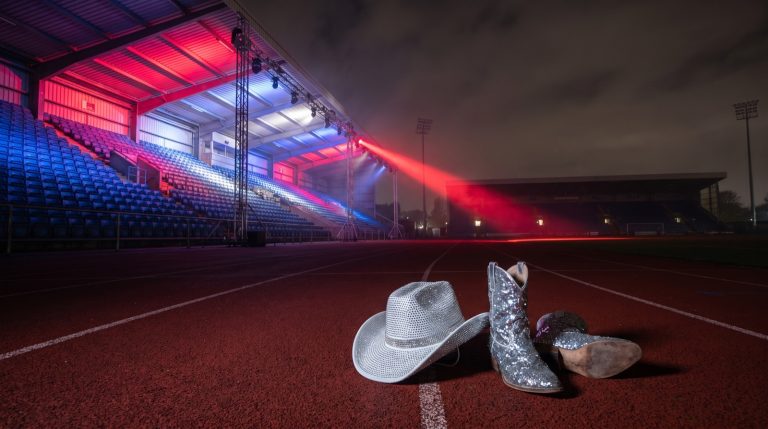
Beyoncé made a stunning appearance during the 2024 Paris Olympics opening ceremony by delivering an energetic tribute to Team USA. Dressed in a figure-hugging, patriotic bodysuit, she celebrated American athletes, including Simone Biles and Sha’Carri Richardson. Beyoncé embraced her “Cowboy Carter” era, taking center stage in a sparkling red, white, and blue outfit, paired with a cowboy hat and boots, as she welcomed the athletes to the games.

“Get a look at America, y’all—these hopes and dreams, these superstars that represent us,”

-Beyoncé

Celebrating Team USA with Beyoncé’s Patriotic Tribute

In a promotional video aired during NBC’s coverage, Beyoncé introduced the U.S. team. She highlighted gymnastics stars like Simone Biles, Sunisa “Suni” Lee, and Jordan Chiles. The video also featured sprinters Sha’Carri Richardson and Noah Lyles, swimmer Katie Ledecky, and track star Caeleb Dressel.

Full video of Beyonce’s Paris Olympics 2024 Tribute

“Get a look at America, y’all—these hopes and dreams, these superstars that represent us,” Beyoncé declared. Her track “Ya Ya” from the “Cowboy Carter” album played in the background. She added, “We’ve got superstars and we’ve got legends. We’ve got big dreamers who fought their whole lives to get here. Who gave up everything for one shot, and made it.”

Beyoncé’s Infectious Energy and Team USA Spirit

The video showcased Beyoncé’s infectious energy and pride in the U.S. team. She clapped, danced, and cheered alongside the athletes. Her message of unity and celebration resonated with fans. They took to social media to express their excitement and appreciation for the surprise tribute.

“America, give it up for Team USA, the very best of who we are. What a vision to behold. What a team to believe in. What a night to celebrate.”

-Beyoncé

“That pride and that joy? That’s what gets me about this team. And that’s what makes me believe in this team,” Beyoncé said. “And that’s why I can’t wait to see what they pull off over these next 16 days. America, give it up for Team USA, the very best of who we are. What a vision to behold. What a team to believe in. What a night to celebrate.”

Her latest album, “Renaissance,” provided the soundtrack for the montage. The pulsating track “Alien Superstar” amplifyied the already electric atmosphere. Beyoncé’s message of unwavering belief in Team USA’s potential for greatness struck a chord with fans and athletes alike. This ignited a wave of excitement and anticipation for the games.

Social Media Eruption and Praise for Beyoncé

Social media erupted in a frenzy of praise and admiration for the pop icon’s patriotic display and heartfelt support for the American team. Fans lauded her for using her platform to inspire and uplift. Others simply basked in the glow of her radiant star power.

Twitter post by Pop Tingz’ official X account marveling at Beyonce’s flawless USA bodysuit from her performance.
X user Beyonce’s apprentice finding sentiment in the color red in regards to America’s history.
An observation regarding Beyonce’s incomparable patriotism.

This isn’t Beyoncé’s first rodeo when it comes to showing love for Team USA. She has a history of electrifying performances at major sporting events. There was the Super Bowl halftime show, where she paid homage to the Black Panthers and celebrated Black excellence. Her consistent support for American athletes has solidified her place in fans’ hearts. She has cemented her status as a cultural icon.

Conclusion

Beyoncé’s surprise appearance during the Paris Olympics opening ceremony was a testament to her status as a cultural icon. Her energetic tribute to Team USA highlighted her ability to connect with audiences across different platforms and events.

The music industry has long recognized Beyoncé’s influence and impact. Her Olympics tribute is yet another example of her ability to captivate audiences and make a lasting impression. As the premiere source of music industry news in the United States and around the world, Music Industry Weekly applauds Beyoncé’s commitment to supporting American athletes and her ability to create memorable moments that bring people together through the power of music and entertainment.

ARIANA GRANDE DRAPED IN DIAMONDS AND FUR IN HER NEWEST VIDEO “7 RINGS” – WATCH

0

After teaser posts and pics on twitter, Ariana Grande’s “7 Rings” finally dropped just after midnight on the East Coast from her upcoming fifth album.

“My Favorite Things” from The Sound of Music got flipped upside down, turning into a bad-bitch flex anthem. This lavish video reveals her exclusive inner circle of girlfriends that she bought diamond rings for from Tiffany & Co just for the hell of it as her lyrics state: “Wearing a ring but not cause I’m no Mrs. Bought matching diamonds for six of my bitches. I’d rather spoil all my friends with riches. Think retail therapy my new addiction”.

While “thank u, next” was all about the men in Ariana’s life, this catchy song displayed a different side to this “pop star”… WHO KNEW Grande could rap??? Click on the video above and feast your eyes on this pop star who is absolutely killing the game right now. It will take months for the buzz to die down from this hot drop as she flaunts her swag with a million dollar mansion, graffiti everywhere, while sporting her bling and drowning in her own champaign tower.

Ariana-Grande-7-Rings- MUSIC INDUSTRY WEEKLY

The State of the Music Industry in 2025: What Creators Should Know

The music industry in 2025 is undergoing significant transformations driven by technological advancements, evolving consumer behaviors, and innovative business models. For artists, producers, and songwriters, staying informed about these trends is crucial for navigating the current landscape and leveraging new opportunities.


1. Evolution of Streaming Revenue Models

Streaming continues to dominate music consumption, but the revenue models are evolving. Platforms like Spotify, Apple Music, and Amazon Music have traditionally operated on a subscription-based model, offering free (ad-supported) and premium tiers.

In early 2025, Spotify and Universal Music Group announced a multi-year agreement to enhance opportunities for artists through innovative subscription tiers and an enriched audio-visual catalog. This shift indicates a move toward more flexible and artist-friendly revenue models, potentially offering creators better compensation and more control over their content.

Artists should stay informed about these developments and consider how to adapt their distribution strategies accordingly.


2. Emergence of New Platforms

The potential ban of TikTok in the U.S. has created a void in the music promotion landscape. Artists and marketers are exploring alternatives like Instagram Reels, YouTube Shorts, and emerging platforms like RedNote. While MIW is optimistic that TikTok will continue without further interruptions, there is still uncertainty surrounding this popular platform.

  • YouTube Shorts integrates short-form content with the broader YouTube ecosystem, making it ideal for artists who also upload music videos and long-form content.
  • RedNote is a newer, music-centric platform gaining traction among independent artists and labels.

Because social media trends shift rapidly, artists should diversify their promotional strategies across multiple platforms instead of relying on just one.


3. Integration of Artificial Intelligence in Music Creation & Copyright Protection

Artificial Intelligence (AI) is playing an increasingly significant role in music creation, production, and marketing. AI-powered tools assist in songwriting, composition, and production, enabling artists to experiment with new sounds and streamline their creative processes.

For example:

  • AI tools can generate music fragments that composers can build upon.
  • AI mastering services help independent artists improve sound quality without needing a professional engineer.
  • AI-driven marketing platforms analyze listener behavior to help artists reach the right audience with targeted campaigns.

Protecting Your Copyright in the AI Era

With AI-generated music becoming more prevalent, music creators must ensure they protect their original compositions. Registering copyrights can be expensive and time-consuming, but VeriSong.com offers an easy and inexpensive way to protect your copyright in your song.

By registering your work with VeriSong, you establish legal proof of ownership, helping to prevent unauthorized use or disputes over rights in an industry increasingly influenced by AI and digital distribution. Artists should take advantage of this service to secure their creative works before sharing them online.


4. Rise of Virtual Concerts and Live Streaming

The popularity of virtual concerts and live streaming has surged, offering artists new avenues to reach global audiences without geographical constraints.

Platforms like Twitch, YouTube Live, and Stageit have become essential for live music experiences. These virtual events not only provide performance opportunities but also allow for real-time fan interaction and monetization through:

  • Ticket sales
  • Donations
  • Exclusive fan memberships

Even as in-person concerts return, hybrid models (live + virtual) will be a major trend in 2025.


5. Emphasis on Ethical and Sustainable Practices

There is a growing emphasis on ethical and sustainable practices within the music industry.

  • Discussions around fair pay for musicians, mental health support, and artist equity are becoming more urgent. Artists like Chappell Roan have spoken out about the need for better compensation and support systems for musicians.
  • Sustainability in touring is a hot topic, with artists adopting carbon-neutral tours and eco-friendly merchandise to reduce their environmental impact.

As fans increasingly support artists who align with social causes, musicians who embrace these trends will see stronger audience loyalty.


Conclusion

The music industry in 2025 is a rapidly evolving landscape. To succeed, artists, producers, and songwriters must:
✅ Stay informed about streaming revenue models
✅ Explore new music platforms beyond TikTok
Leverage AI tools for music creation and marketing
Protect their copyrights affordably at www.VeriSong.com
Integrate virtual concerts into their strategies
✅ Embrace sustainable and ethical business practices

By staying ahead of these trends, music creators can thrive in this exciting new era. 🎶🔥

Meet LAVI$H: The Rapper Redefining Hip-Hop with Afrobeat Fusions

LAVI$H, the Zambian-Canadian rapper, is capturing global attention by blending hip-hop with Afrobeat, creating a sound that transcends cultural boundaries. His genre-bending approach reflects a deep respect for both the rhythm and soul of Afrobeat and the lyricism and energy of hip-hop. As he rises in the industry, LAVI$H is shaping a new path for artists who embrace multicultural influences, setting a high standard for genre fusion in modern music.

A Journey Rooted in Cultural Fusion

LAVI$H’s journey from Zambia to Canada has profoundly influenced his music, embedding a mix of sounds and themes from both cultures. His exposure to diverse musical styles from a young age helped him form a unique sound that defies traditional genre limits. In an interview with BET, he credited Drake as a significant influence, marking his entry into hip-hop with an artist who also embraces stylistic variety. This multicultural background gives LAVI$H’s music a universal appeal, blending his Zambian heritage with the Western hip-hop scene, resulting in music that resonates with listeners around the world.

His experiences have not only shaped his sound but also allowed him to address universal themes that connect with audiences on a deeper level. This cultural fusion plays a vital role in LAVI$H’s success, as it speaks to a global generation eager for music that celebrates diversity and authenticity.

Crafting a Unique Sound: The Influence of Afrobeat and Hip-Hop

LAVI$H’s music is distinguished by its seamless fusion of hip-hop’s lyrical complexity with Afrobeat’s infectious rhythms. His 2024 album Algorithm showcases this blend with tracks that feature the percussion-driven beats and lush instrumentation characteristic of Afrobeat, paired with hard-hitting hip-hop verses. Songs like “That’s You” have gained traction on streaming platforms, drawing attention from audiences in both North America and Africa.

This musical style has made him a standout figure in the genre-blending trend sweeping through the music industry. By merging hip-hop and Afrobeat, LAVI$H has tapped into two distinct fan bases, offering a refreshing sound that appeals to both communities. His approach goes beyond simple genre fusion; it’s a form of storytelling that bridges cultural gaps and introduces Afrobeat’s groove and vibe to listeners who may be more familiar with hip-hop’s traditional beats.

Streaming Platforms and the Global Reach of Afrobeat Fusion

The rise of streaming platforms has played a crucial role in LAVI$H’s success, allowing him to reach a global audience more easily than artists of previous generations. Platforms like Spotify, YouTube, and Apple Music have helped bring his Afrobeat-infused tracks to fans across different continents, supporting the growing demand for Afrobeat in Western markets. His ability to resonate with both African and Western audiences demonstrates the power of digital platforms in amplifying genre fusion and cultural crossovers.

Spotify playlists, in particular, have featured LAVI$H alongside major Afrobeat artists like Burna Boy and Wizkid, showcasing how Afrobeat has become more integrated into global playlists. This visibility not only highlights the commercial viability of Afrobeat fusion but also cements LAVI$H as a rising force in the international music landscape.

Shaping the Industry: LAVI$H’s Influence on Genre Fusion Trends

The success of LAVI$H’s Afrobeat fusion is influencing other artists to explore similar cross-genre collaborations. By combining hip-hop’s storytelling with Afrobeat’s rhythmic core, he has shown that genre fusion can be both artistically fulfilling and commercially successful. His work mirrors a larger trend in the music industry, where artists are blending diverse influences to appeal to multicultural audiences.

LAVI$H’s growing popularity has inspired younger artists to experiment with mixing genres, pushing the boundaries of what hip-hop can be. His music has helped break down genre walls, emphasizing that music doesn’t need to fit into a single category to be impactful. This open-minded approach is driving a new wave of creativity within both the hip-hop and Afrobeat communities, paving the way for future collaborations that celebrate global music traditions.

Conclusion: LAVI$H as a Global Ambassador for Afrobeat Fusion

LAVI$H’s rise exemplifies the potential of genre fusion to connect cultures and broaden the appeal of Afrobeat and hip-hop. By embracing his Zambian roots while honoring hip-hop’s dynamic nature, he’s creating music that resonates on a global scale. As streaming platforms continue to elevate artists like LAVI$H, his influence on Afrobeat and hip-hop fusion will likely inspire more musicians to explore multicultural sounds and reach audiences across borders.

Music Industry Weekly recognizes that through his innovative approach, LAVI$H is redefining hip-hop, setting a precedent for artists to tell their stories through diverse musical lenses. As the boundaries between genres continue to blur, LAVI$H’s work serves as a model for how artists can use cultural fusion to create music that is not only commercially viable but also deeply resonant and globally relevant.

Taylor Swift’s Eras Tour Documentary and Its Industry Impact: Setting New Standards for Live Music Recordings

0

Taylor Swift’s Eras Tour documentary, capturing her record-breaking 2023-2024 concert series, has reshaped the live concert film industry, setting a new benchmark for creative control, audience engagement, and financial success. More than a typical concert film, this documentary sets a high standard in production quality, distribution strategy, and the artist’s direct connection with fans. Its unique approach has positioned it as a significant cultural moment, influencing how live music recordings are produced and monetized across the industry.

A Revolutionary Approach to Concert Films

Taylor Swift’s Eras Tour documentary represents a groundbreaking shift in concert film distribution. Unlike most artists, Swift chose to bypass traditional film studios, instead partnering directly with major cinema chains, including AMC Theatres and Cinemark. This independent distribution model not only gave her complete creative control but also enabled her to retain a larger share of the profits. In doing so, Swift pioneered a financially rewarding approach, as the film surpassed $100 million in pre-sales alone, proving the viability of artist-led distribution.

This model has grabbed the industry’s attention, prompting other artists to reconsider how they distribute concert films. Swift’s documentary showcases a lucrative alternative for musicians aiming to retain control over their creative projects. By redefining the artist’s role in distribution, Swift has set a new precedent that highlights the benefits of cutting out traditional middlemen.

Redefining the Concert Film Experience for Audiences

Swift’s documentary is more than a visual recording of her tour; it creates an immersive, communal experience for her global fanbase. The Eras Tour documentary captures the essence of the tour’s live performances while making the experience accessible to fans worldwide who couldn’t attend in person. With the Eras Tour grossing over $1 billion and breaking records as the highest-grossing tour in history, the documentary allows fans to relive Swift’s journey across different “eras” of her music.

By marketing the documentary as an event in itself, Swift has bridged the gap between live concerts and cinematic experiences, inspiring other artists to create similar hybrid experiences. This approach not only broadens fan engagement but also offers an additional revenue stream. Swift’s documentary thus serves as a blueprint for blending live performances with cinema, paving the way for artists to enhance fan experiences and create lasting connections through a concert film format.

Impact on Concert Film Production Standards

Swift’s documentary has set a new standard for concert film production. Every detail, from high-definition visuals to intricate storytelling, was carefully crafted to create an engaging experience. By highlighting each era of her career, Swift’s film goes beyond traditional concert recordings, offering an intimate look into her artistic journey. The documentary’s meticulous production quality has raised fans’ expectations, encouraging other artists to prioritize storytelling and visual detail in their concert films.

In addition to superior production quality, the Eras Tour documentary demonstrates the importance of cohesive narrative elements. Swift has shown that concert films can serve as a powerful extension of an artist’s work, building on their legacy and strengthening their brand. Her approach redefines concert films, emphasizing that they can be both culturally impactful and commercially successful.

Broader Influence on the Music and Entertainment Industries

The documentary’s success is likely to impact the music and entertainment industries for years to come. Swift has proven that concert films can become cultural milestones, celebrating an artist’s impact while achieving commercial success. The documentary’s record-breaking sales and widespread fan engagement have reshaped the industry’s perspective on the profitability and cultural value of artist-produced films. As artists increasingly look to retain control over their work, Swift’s model offers a viable path to connect directly with fans.

Swift’s innovative approach could lead more musicians to produce films that go beyond streaming platforms, offering unique, theatrical experiences. By inspiring other artists to rethink concert films as significant cultural events, Swift has expanded the genre’s potential. Her documentary has redefined concert films as more than a way to record live performances; they are now seen as a platform for artists to create immersive experiences that reach global audiences and leave a lasting cultural impact.

The Future of Concert Films: A New Business Model?

Swift’s Eras Tour documentary has not only redefined production and distribution but also introduced a new business model for concert films. By directly handling the film’s production and distribution, Swift demonstrated that artists can maintain full creative control while maximizing profits. This model encourages other artists to consider independent distribution or hybrid approaches that integrate both in-theater and digital experiences.

This model also allows artists to engage their fanbase in innovative ways, offering flexibility in how and where audiences can experience the film. As more artists look to follow Swift’s example, the future of concert films may evolve into multi-platform experiences that blend traditional and digital avenues, extending artists’ reach and deepening fan engagement.

Conclusion: Redefining Concert Film Standards for a New Generation

Taylor Swift’s Eras Tour documentary has transformed the standard for live music recordings, setting new benchmarks in production quality, audience engagement, and artist-led distribution. By embracing independent production and an innovative distribution strategy, Swift has proven that concert films can be more than simple recordings—they can be powerful platforms for artists to expand their creative influence while engaging fans on a global scale. Her documentary exemplifies how artists can now shape concert films as immersive experiences that reach audiences far beyond the concert venue.

With the Eras Tour documentary’s influence, concert films are set to evolve from straightforward live recordings into dynamic experiences that enhance fan engagement and redefine artist-audience connections. Taylor Swift’s approach exemplifies a new path for concert documentaries, proving that they are not only commercially viable but also culturally significant, with the potential to shape the future of live music recordings and the entertainment industry as a whole.

Read more music news on Music Industry Weekly.

The Legal Impact of AI-Created Music: Navigating New Territory

0

As AI-generated music continues to grow, it is reshaping the legal landscape in the music industry, presenting unprecedented challenges in copyright, authorship, and licensing. With artificial intelligence becoming more capable of creating songs, the legal frameworks that have long protected human musicians now face serious questions about how—or even whether—AI music can be regulated and protected.

Copyright and Ownership: Who Owns AI Music?

One of the most pressing legal issues surrounding AI-created music is the question of copyright and authorship. Current copyright laws are structured to protect the intellectual property rights of human creators. This poses a problem when a machine produces music. In the U.S., for instance, works created without human input cannot be copyrighted under existing laws. This leaves AI-generated music in a legal gray area.

This creates challenges for both musicians and AI developers. If no copyright exists for AI music, who, if anyone, has the right to profit from it? Musicians whose works are used as training data for AI models face even more complicated questions. Concerns like whether their music is being used fairly or if it constitutes copyright infringement.

The Fair Use Dilemma

AI models often rely on vast amounts of data, including pre-existing songs, to generate new music. However, the use of copyrighted works to train AI models without permission from the original creators has sparked controversy. Some AI developers argue that this use of music for AI training falls under the “fair use” doctrine, which allows for the limited use of copyrighted material without permission for purposes such as education, research, or criticism.

However, artists and rights holders argue that fair use does not apply when AI systems are generating music for commercial purposes. The Recording Industry Association of America (RIAA) has filed lawsuits against AI companies. They were accused of using copyrighted music without proper licensing agreements. This is pushing the music industry into new legal territory, as courts now face the challenge of determining whether AI’s use of copyrighted material constitutes infringement or innovation.

Licensing and Ethical Concerns

Licensing remains a critical issue in AI-created music. For AI developers and music creators to avoid legal pitfalls, they need to secure proper licenses for the source material they use in their models. This includes obtaining licenses for musical compositions, sound recordings, and any public performances that might occur as a result of AI-generated music.

Major music labels are already responding to these challenges by sending takedown notices to streaming services that host AI-generated soundalikes. These are songs created by AI mimicking the style or voice of real artists. Labels argue that these AI-generated tracks violate the artists’ rights of publicity and copyright protection.

Moving Forward: Collaborative Solutions?

As AI becomes more integrated into music production, some in the industry are calling for a more collaborative approach. AI developers, musicians, and legal experts are beginning to explore ways to coexist within a legal framework that encourages innovation while respecting creators’ rights.

The European Union has started regulating this area with the EU Artificial Intelligence Act. This sets the stage for how AI-generated works can be used while protecting creators. In the U.S., legislative discussions are taking place, but a clear framework is still evolving.

Conclusion: The Legal Landscape in Transition

Music Industry Weekly recognizes that AI-generated music is transforming the music industry, but it also presents complex legal challenges. Questions of copyright, fair use, and licensing will continue to shape the conversation as technology advances. Navigating this uncharted territory will require careful attention to both innovation and legal compliance to ensure that the rights of all parties are protected.

The Rise of Japanese City Pop’s Global Popularity: A Cultural Resurgence on Streaming Platforms

0

Japanese City Pop, a genre that rose to prominence during Japan’s economic boom in the late 1970s and 1980s, has recently experienced a global resurgence. Known for its blend of jazz, funk, soft rock, and pop, City Pop reflects a cosmopolitan Japan that resonates with today’s listeners. Through streaming platforms like Spotify, YouTube, and TikTok, the genre has gained renewed popularity, captivating audiences around the world.

Streaming Platforms and Viral Success

Streaming platforms have fueled the revival of City Pop by making it widely accessible. Songs like Mariya Takeuchi’s “Plastic Love” and Miki Matsubara’s “Mayonaka no Door (Stay With Me)” have gained millions of views on YouTube, introducing these classics to a new generation. TikTok and Instagram have amplified this exposure, as users pair the songs with anime-inspired aesthetics and retro visuals. These platforms have turned City Pop into a unique cultural phenomenon, resonating with younger listeners.

Spotify has been equally pivotal in keeping City Pop relevant. Curated playlists featuring the genre have attracted millions of followers, driving further interest. The streaming algorithms help listeners discover City Pop’s smooth melodies and nostalgic vibes, allowing it to flourish within the modern music landscape. This “playlist culture” has made City Pop both accessible and popular among listeners who might otherwise have missed its charm.

The Power of Algorithms in City Pop’s Rediscovery

Streaming algorithms have played a significant role in expanding City Pop’s reach beyond Japan. YouTube’s recommendations have exposed millions to the genre’s timeless sound. On TikTok, City Pop often serves as the soundtrack to aesthetic videos, fashion content, and everyday moments. The genre’s cross-platform presence has embedded it within digital culture, allowing it to resonate with a global audience.

City Pop’s unique sound makes it well-suited for these platforms. By combining nostalgic tunes with modern visuals, fans have created a shared experience that makes the genre feel both retro and contemporary. This organic spread across platforms ensures that City Pop continues to captivate listeners worldwide.

Why City Pop Appeals to Today’s Listeners

City Pop’s appeal lies in its themes of escapism and sophisticated sound. Its polished production and themes of urban life, romance, and luxury evoke a glamorous Japan that feels relatable to listeners today. The genre’s upbeat tempos and smooth melodies bring a sense of optimism and freedom, qualities that resonate with modern audiences seeking positivity.

The genre’s polished production style, marked by lush synthesizers and clean vocals, feels surprisingly modern. This accessibility allows younger listeners to connect with City Pop despite its origins in a different era. For Gen Z in particular, City Pop’s fusion of past and present creates a welcome escape from today’s fast-paced world.

Influences on Modern Music and Pop Culture

City Pop’s influence has extended into modern music. The Weeknd sampled Tomoko Aran’s “Midnight Pretenders” in his 2022 hit “Out of Time,” introducing City Pop’s distinctive sound to a broader audience. This cross-genre appeal demonstrates the genre’s ability to bridge cultural and generational divides. Many artists today, both in Japan and internationally, are incorporating City Pop’s groovy basslines and bright synths into their work.

Beyond music, City Pop’s influence is evident in fashion and art. Elements from ‘80s Japan, such as neon lights, futuristic aesthetics, and luxurious vibes, are appearing in fashion and social media. This cross-cultural influence reinforces City Pop’s status as a global phenomenon, uniting listeners around the world.

The Cultural Significance of City Pop’s Revival

The global resurgence of City Pop is more than a music trend; it reflects a deeper cultural appreciation for niche genres. As listeners rediscover City Pop, many are also exploring other elements of Japanese culture from the same era, such as film, fashion, and literature. This cultural curiosity fosters a more profound appreciation of Japan’s history and its contributions to global art.

Record labels have responded to this interest by reissuing classic City Pop albums, often on vinyl, making them accessible to international audiences. The resurgence of vinyl has contributed to the genre’s popularity, as fans seek authentic listening experiences. Through these reissues, City Pop’s legacy continues to grow, introducing it to a new generation while preserving its timeless appeal.

Conclusion: A Genre Revived by Streaming

Music Industry Weekly recognizes that the global revival of Japanese City Pop highlights the ability of streaming platforms to breathe new life into forgotten genres. With its nostalgic charm and modern appeal, City Pop captivates listeners worldwide. As more people discover this unique genre, its influence on music and culture is likely to expand, cementing its place within the global music landscape.

City Pop’s enduring popularity proves that well-crafted music with universal themes can transcend cultural and generational boundaries. Its resurgence serves as a reminder of the power of streaming to connect listeners around the world, ensuring that City Pop remains a lasting influence for years to come.

The Dos and Don’ts of Crowdfunding Your Next Album: A Practical Guide for Independent Artists

0

Crowdfunding has become a pivotal tool for independent artists aiming to finance their musical projects. However, the success of such campaigns hinges on strategic planning and effective audience engagement. This guide outlines essential dos and don’ts to help you navigate your next crowdfunding endeavor successfully.

The Dos

  1. Set Clear and Realistic Goals

    Establish a funding target that accurately reflects all associated costs, including studio time, production, marketing, and distribution. Providing a transparent breakdown of these expenses fosters trust and allows supporters to understand precisely how their contributions will be utilized.
  2. Engage Your Existing Fanbase

    Your current supporters are invaluable assets. Leverage your email list, social media platforms, and personal networks to promote your campaign. Fans already invested in your journey are more likely to contribute and share your campaign within their circles, amplifying your reach.
  3. Offer Unique Rewards

    Beyond financial support, offer exclusive incentives such as signed merchandise, private performances, or virtual hangouts. These personalized rewards strengthen the bond with your fans and can motivate higher levels of investment in your project.
  4. Create a Compelling Campaign Video

    A well-crafted video serves as a powerful medium to convey your passion and project details. Keep it concise (2–3 minutes), emphasizing the significance of the project to both you and your audience.
  5. Promote Consistently

    Maintain visibility by regularly updating your campaign across various platforms, including social media, email newsletters, and live events. Sharing behind-the-scenes content and expressing gratitude to backers can sustain momentum throughout the campaign period.

The Don’ts

  1. Don’t Overpromise and Underdeliver

    Ensure that the rewards you offer are feasible and within your capacity to deliver. Overcommitting can damage your reputation if you fail to meet expectations.
  2. Don’t Neglect Your Supporters

    Maintain open communication with your backers by providing regular updates on your progress. After the campaign concludes, ensure timely delivery of rewards and continue engaging with your supporters to foster long-term relationships.
  3. Don’t Launch Without Preparation

    Avoid rushing into a campaign without a comprehensive plan. Ensure your project is well-conceived, and your promotional strategy is robust. A strong social media presence is crucial for maximizing exposure.
  4. Don’t Ignore Feedback

    Crowdfunding offers a unique opportunity to receive direct input from your audience. Be receptive to feedback regarding your music and the campaign itself, as this can help you create a project that resonates more deeply with your supporters.
  5. Don’t Give Up Too Early

    If initial traction is slow, remain persistent. Campaigns often gain momentum over time, especially with consistent promotion and engagement. Set a realistic timeframe (typically 4–6 weeks) and be prepared to maintain efforts throughout the entire period.

Music Industry Weekly guarantees that by adhering to these guidelines, you can execute a successful crowdfunding campaign that not only finances your album but also strengthens your relationship with your fans. Balancing creativity with practicality ensures a rewarding experience for both you and your backers. With careful planning, realistic goals, and continuous engagement, your crowdfunding endeavor can be a significant milestone in your musical career.

From Strategy to Support: How to Build Your Ideal Music Team

0

Assembling the right support team is essential for a successful music career, whether you’re an emerging artist or an established musician. Each team member brings specific expertise that helps you navigate the industry’s complexities, allowing you to focus on your craft. Here’s a guide to building a music team that can take your career to the next level.

1. The Manager: Your Key Strategist

The manager is the cornerstone of any successful music team. They help shape your career, manage day-to-day operations, and coordinate with other team members. A manager should deeply understand the music business, including networking and negotiations with labels, booking agents, and publicists. They will also help develop long-term strategies and identify growth opportunities, such as international tours or brand partnerships.

When to Get a Manager: Once you’ve started gaining traction, such as selling out local shows or releasing music with strong streaming numbers, it’s time to consider hiring a manager to handle the increasing workload and focus on growth.

2. The Lawyer: Legal Expertise for Contracts and Rights

A music lawyer protects your legal interests, ensuring that contracts, publishing rights, and intellectual property are handled properly. They are vital when negotiating deals with record labels, sync licensing for film or TV, and any partnerships involving financial agreements.

Key Legal Support Areas:

  • Contract negotiations
  • Protecting intellectual property
  • Ensuring favorable terms in publishing and distribution deals

When to Get a Lawyer: As soon as contracts or significant business deals arise, even at the indie level, consult a lawyer to avoid potential pitfalls.

3. The Publicist: Managing Your Public Image

A publicist helps build your brand and get your music featured in blogs, magazines, radio, and digital platforms. They coordinate interviews, arrange press releases, and handle media inquiries, ensuring that your image aligns with your artistic goals. With the rise of social media influencers, a publicist also helps connect with influencers to broaden your reach.

When to Hire a Publicist: Consider a publicist when you’re ready to promote a new album or a tour, or if you’re seeking to grow your presence in the media and online.

4. Booking Agent: Securing Gigs and Tours

A booking agent helps you secure live performances, which are a crucial revenue stream. They negotiate terms with venues and promoters, ensuring that logistics like accommodations and marketing are handled efficiently.

When to Hire a Booking Agent: If you have built a significant local or regional following and are ready to tour on a larger scale, it’s time to bring in a booking agent.

5. The Accountant: Managing Finances

An accountant manages the financial side of your career, including budgeting, taxes, and ensuring that revenue from different sources (streaming, touring, merchandise) is properly tracked. As your career grows, your financial situation becomes more complex, and an accountant can help ensure your finances are in order.

When to Get an Accountant: Once your revenue streams expand beyond basic income (i.e., live shows and merchandise), having a financial professional is vital to managing your earnings properly.

6. Merchandise Manager: Maximizing Revenue

Merchandise is a major revenue stream for many artists. A merchandise manager oversees the design, production, and sale of branded items such as t-shirts, posters, and exclusive products.

When to Hire a Merchandise Manager: Once you’re regularly touring or have a solid online fanbase that’s buying your products, bringing in a merchandise manager can help maximize your earnings.

Conclusion: Building a Music Team for Long-Term Success

A well-rounded team allows you to focus on what you do best: creating music. As your career progresses, each team member plays a critical role in helping you grow and succeed in the ever-evolving music industry. Starting small and expanding as needed is the key to ensuring a strong, supportive team that will help you achieve long-term success.

Read more tips on how to succeed in the music industry on MIW.

The Changing Landscape of Concert Promotion in 2024

0

The promotion of concerts has undergone a major transformation in the digital age, driven by influencers and social media platforms. The post-pandemic world has ushered in new methods of concert marketing, with influencers, livestreaming, and hybrid events at the forefront. Platforms like TikTok, Instagram, and Twitch now play central roles in building excitement, expanding reach, and connecting with a global fan base. In 2024, artists and promoters are leveraging these tools to create accessible, interactive concert experiences that reach audiences worldwide.

Influencers: Key Players in Concert Promotion

Influencers have become crucial to concert promotion, especially on platforms like TikTok and Instagram, where short-form content and massive reach drive engagement. By collaborating with both micro and macro influencers, artists can target specific audiences and generate buzz for upcoming concerts. Influencers use concert clips, teasers, or music snippets to create viral challenges and engaging content that fans share widely, making concert promotion a community-driven experience.

This shift from traditional media to influencer-driven content allows artists to connect directly with potential audiences. For example, influencers on TikTok can initiate a dance challenge to promote concert dates or feature an artist’s music in creative ways, encouraging fans to participate and share. This organic promotion extends an artist’s reach beyond their current following, introducing new fans to their music.

Social Media Platforms as Concert Promotion Tools

Social media platforms like TikTok, Instagram, and Twitch have become essential tools for promoting concerts in 2024. TikTok’s algorithm quickly amplifies content, allowing news about concerts or tours to go viral through fan-generated videos and challenges. This platform is especially effective in reaching Gen Z audiences, who discover new music and events directly through their feeds.

Instagram, on the other hand, offers a more intimate connection with fans. Through Stories, behind-the-scenes content, and live Q&A sessions, artists create an immersive experience that builds anticipation for live events. Twitch, traditionally used for gaming, has emerged as a livestreaming tool where artists can preview performances or host virtual meet-and-greets. This platform also allows fans to interact directly with artists, further strengthening the bond between the artist and the audience.

The Role of Livestreaming and Hybrid Concerts

Livestreaming platforms, including Moment House, Twitch, and YouTube, have significantly expanded the reach of concert promotion. Hybrid events, which combine in-person attendance with virtual viewing options, have grown popular post-pandemic, providing fans with global access to concerts. Artists can now engage audiences from around the world, allowing them to enjoy concerts without geographical restrictions.

This approach also opens new revenue streams. Fans who can’t attend in person can purchase virtual tickets or exclusive access to livestreams, adding a digital revenue layer to traditional ticket sales. This hybrid model allows artists to expand their fan base, make concerts more inclusive, and create memorable experiences that transcend physical venues.

Enhanced Fan Engagement Through Apps and Interactive Features

Fan engagement tools like Bandsintown and Songkick play an essential role in modern concert promotion by offering concert alerts, ticket sales, and exclusive content directly to fans. Some artists are taking this further by creating personalized fan apps that include interactive features like VIP livestreams, exclusive merchandise drops, and voting for setlists. These digital tools deepen fan loyalty and create a sense of community, keeping fans engaged long before and after the concert itself.

Augmented reality (AR) and virtual reality (VR) are also starting to reshape concert promotion. With AR filters and VR simulators, fans can get a taste of the concert experience or access immersive content that brings them closer to the artist. These technologies enhance engagement, making fans feel connected to the event and excited about the concert.

Conclusion: A New Era for Concert Promotion

Music Industry Weekly understands that in 2024, concert promotion has fully transitioned into a digital-first landscape. Influencers, social media platforms, and live streaming services are redefining how artists reach audiences, engage fans, and promote live events. As fans become more accustomed to interactive and digital experiences, concert promotion is evolving to meet these expectations. This shift not only broadens audience reach but also deepens artist-fan connections, ensuring that live music remains accessible to all.

As influencer marketing, hybrid events, and digital engagement continue to set new standards in the industry, concert promotion is now about more than just selling tickets. It’s about creating memorable, global experiences that make fans feel a part of something bigger, regardless of their location.

How Rock Bands Are Adapting to the Streaming Era: Staying Relevant in a Digital-First World

0

The music industry’s evolution in the streaming era has posed new challenges for rock bands. With traditional album sales and radio airplay giving way to streaming platforms like Spotify and Apple Music, rock bands—both classic and contemporary—have had to adjust their strategies to stay relevant. While some feared the decline of rock, the genre has found innovative ways to thrive, blending modern digital tactics with its iconic sound.

Leveraging Playlists and Streaming Platforms

Rock bands are making the most of curated playlists on platforms like Spotify and Apple Music. By securing spots on playlists like Rock This and New Music Friday, bands can reach millions of listeners. These playlists expose both new and legacy rock bands to broader audiences. For example, classic bands like Queen and Fleetwood Mac are seeing renewed success as their music reaches younger generations through streaming. Even emerging bands are using these playlists to gain visibility, recognizing that a viral hit can lead to rapid growth in streams and fanbase expansion.

Experimenting with Genre and Sound

One of the key ways rock bands are adapting to the streaming era is through genre fluidity. Modern rock acts like Bring Me The Horizon and The 1975 are blending rock with elements of pop, electronic, and hip-hop to attract more diverse listeners. This genre-blending helps them stand out on streaming platforms where music discovery often crosses genre boundaries. By experimenting with different sounds while maintaining their rock core, these bands are appealing to both older fans and new listeners.

Virtual Concerts and Hybrid Experiences

The rise of virtual concerts, especially during the COVID-19 pandemic, has shown rock bands the power of digital performances. Virtual concerts have allowed bands to reach global audiences without the constraints of physical venues. Metallica and Foo Fighters, for example, have embraced virtual events, offering live streams that provide a unique fan experience and additional revenue streams. These hybrid concerts are now becoming a permanent part of rock bands’ tour strategies, giving them the ability to connect with fans worldwide in new ways.

Engaging Fans Through Social Media

Direct fan engagement through social media platforms like Instagram, TikTok, and YouTube is another key strategy rock bands are using to remain relevant. These platforms offer opportunities for bands to share behind-the-scenes content, announce new releases, and interact with fans in real-time. Social media allows for authentic engagement, creating a closer relationship between the band and their audience. Bands like Arctic Monkeys and Paramore frequently use these platforms to keep their fanbase engaged.

Platforms like Patreon are also helping rock bands generate income by offering exclusive content, such as early music releases, virtual meet-and-greets, and personalized experiences. This fan-centric approach helps bands build sustainable revenue models in the streaming era, where traditional income streams like album sales have declined.

Conclusion: Rock’s Resilience in a Digital World

Music Industry Weekly recognizes that despite concerns about the genre’s relevance in the streaming era, rock bands show remarkable adaptability. By leveraging streaming platforms, experimenting with new sounds, embracing virtual experiences, and engaging fans directly through social media, rock continues to thrive. These strategies have allowed legacy acts and new bands to navigate the challenges of the digital-first world and remain influential forces in the music industry.

Why Olivia Rodrigo’s GUTS World Tour Matters: Shaping Her Career and the Future of Pop

0

Olivia Rodrigo’s GUTS World Tour, which kicked off in February 2024, is more than just a series of concerts—it’s a career-defining moment that solidifies her status as a generation-defining artist. Following the massive success of her debut album SOUR, her second album GUTS has allowed Rodrigo to showcase her growth and versatility. The tour is not only propelling her career forward but also making a significant impact on the broader pop landscape. Let’s dive into why this tour matters.

A Critical Evolution in Olivia Rodrigo’s Career

With GUTS, Rodrigo has expanded beyond the heart-wrenching breakup songs of her debut, offering a more complex portrayal of angst, empowerment, and self-realization. Songs like “Vampire” and “Get Him Back!” have become the emotional centerpiece of her live performances, resonating deeply with fans. Critics from Rolling Stone and Forbes have praised her ability to blend emotional vulnerability with bold, electrifying performances.

Rodrigo’s GUTS World Tour highlights this evolution. The tour showcases her newfound confidence, stage presence, and ability to command the attention of massive arenas, making her a force to be reckoned with. Critics have noted how the tour amplifies her connection with fans, blending powerful rock-infused tracks with softer, piano-driven ballads like “Drivers License”.

Redefining the Boundaries of Pop Music

Beyond her career, Olivia Rodrigo’s tour is influencing the direction of pop music by bridging genres. GUTS and the corresponding live performances incorporate a mix of pop-punk, rock, and introspective songwriting that stands out in today’s pop-heavy landscape. This genre-blurring approach has not only distinguished Rodrigo from her contemporaries but also reignited the popularity of raw, emotionally charged music in mainstream pop.

The elaborate stage design, which features a digital screen and multiple moving props, further pushes the boundaries of what fans can expect from live pop performances. This visual spectacle complements Rodrigo’s music, offering fans a more immersive and theatrical experience. Her energetic performances during songs like “Brutal” and “Good 4 U” have been particularly praised for their ability to transform stadiums into intimate, emotionally charged spaces.

Socially Conscious Impact

Olivia Rodrigo has also aligned her tour with socially conscious efforts, demonstrating her commitment to using her platform for good. A portion of ticket sales from the GUTS World Tour is being directed toward Fund 4 Good, a foundation she created to support causes like girls’ education, reproductive rights, and gender-based violence prevention. This not only adds depth to her persona but also resonates strongly with her Gen Z audience, who values activism and social responsibility.

Empowering a New Generation of Artists

Rodrigo’s tour success is indicative of a larger shift in pop music—one where authenticity, emotional depth, and genre experimentation reign supreme. Her ability to articulate the emotional highs and lows of adolescence has made her a role model for up-and-coming artists. This shift, driven in part by her tour’s widespread influence, is helping shape the future of pop by encouraging more artists to push beyond traditional boundaries and embrace their vulnerability.

Conclusion: Why GUTS World Tour Matters

Music Industry Weekly acknowledges that the GUTS World Tour is a crucial milestone in Olivia Rodrigo’s career and a turning point in pop music at large. By blending genre-bending performances, emotional transparency, and activism, Rodrigo is redefining what it means to be a pop star in 2024. As her tour continues to captivate audiences worldwide, it’s clear that Rodrigo is more than just a pop sensation—she’s a voice of her generation, shaping the future of music with each performance.