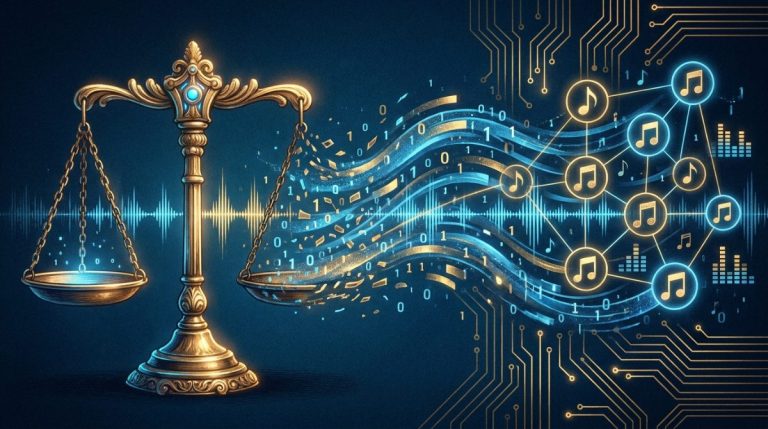
Unveiling the Truth Behind Streaming Platform Bots: A Growing Issue

0

The rise of bot streams on Spotify has introduced significant challenges in the music industry, affecting how artists are compensated and reshaping how music is valued. While streaming platforms have transformed music discovery, the prevalence of artificial streams has introduced new issues. Addressing these streams is critical to maintaining platform integrity and ensuring artists are rewarded fairly.

The Impact of Bot Streams on Spotify’s Revenue and Fairness

Bot streams on platforms like Spotify create inflated streaming numbers by using automated systems or paid services to manipulate play counts. While some artists may view bots as a quick way to boost visibility, the artificial inflation harms platform fairness by diluting the royalty pool. When these streams make up a sizable share of total listens, legitimate streams lose value, redirecting revenue away from artists who have cultivated authentic fanbases.

Spotify has increasingly cracked down on bot-related activity. The platform’s detection algorithms identify suspicious patterns, flagging songs or accounts that exhibit unusual streaming behaviors. When bot streams are detected, Spotify may remove these streams from the royalty count, reduce the visibility of affected songs, or even suspend accounts. Even artists unaware of bot activity risk these penalties, which can derail promotional strategies and revenue potential.

Real-World Consequences for Independent Artists

The impact of bot streams on Spotify is especially damaging to independent and unsigned artists. With limited industry support, these artists often rely on platforms like Spotify to generate exposure and revenue. When bot activity leads to penalties, the effects can be severe. Things like leading to withheld royalties, reduced visibility, and potential reputational damage. A particularly harmful tactic known as “malicious sabotage” occurs when rival parties direct bot traffic to an artist’s profile, triggering Spotify’s detection algorithms. This tactic can hinder an artist’s revenue, playlists, and even their eligibility for promotional features on Spotify’s platform.

For artists using distribution services like DistroKid, bot detection can result in the withholding of earnings if streams are flagged as fraudulent. Given that many independent artists rely on these revenue streams, even short-term disruptions can create financial instability, leading artists to face legal and financial hurdles to recover lost income.

Avoiding Bot-Related Pitfalls: Building a Sustainable Fanbase

Artists should prioritize organic growth and avoid promotional services that guarantee streams or playlist placements, as these often involve bots. While artificial growth may seem like a quick fix, the long-term risks outweigh the benefits. Instead, artists should focus on developing genuine engagement through social media, live-streaming events, and direct fan interactions. Building a loyal fanbase organically not only reduces the risk of bot penalties but also strengthens the artist’s brand.

Spotify encourages artists to keep an eye on their Spotify for Artists dashboard. Artists can identify unusual patterns that may indicate bot activity. Transparent communication with fans about genuine support helps reinforce an artist’s commitment to organic growth.

Addressing the Industry-Wide Challenge of Bot Detection

The rise of bot streams reflects broader challenges within the streaming ecosystem. Platforms like Spotify continue to refine bot-detection algorithms to prevent artificial inflation. These efforts can be imperfect, sometimes misidentifying legitimate streams. Artists and industry professionals argue for increased transparency in bot-detection methods. They advocate for clear guidelines that help artists understand how to stay compliant. Streamlining communication and offering dispute options could allow innocent artists to resolve issues without facing severe penalties.

Beyond detection improvements, some industry experts suggest that Spotify and other platforms explore decentralized or blockchain-based tracking systems. These tools could verify listener activity in real-time, adding a layer of transparency and authenticity to streaming metrics. Platforms could reduce fraudulent activity while offering artists a secure way to monitor their reach and engagement.

Conclusion: Emphasizing Organic Growth for a Sustainable Career

The prevalence of bot streams on Spotify underscores the importance of genuine fan engagement and ethical growth strategies. As streaming platforms evolve their detection systems, artists prioritizing authentic connections over artificial boosts are better positioned for long-term success. By understanding the risks of bot-related activities, musicians can build enduring careers while contributing to a more transparent music industry.

Learn the latest industry trends on MIW.

Inside Beyoncé’s Cowboy Carter

0

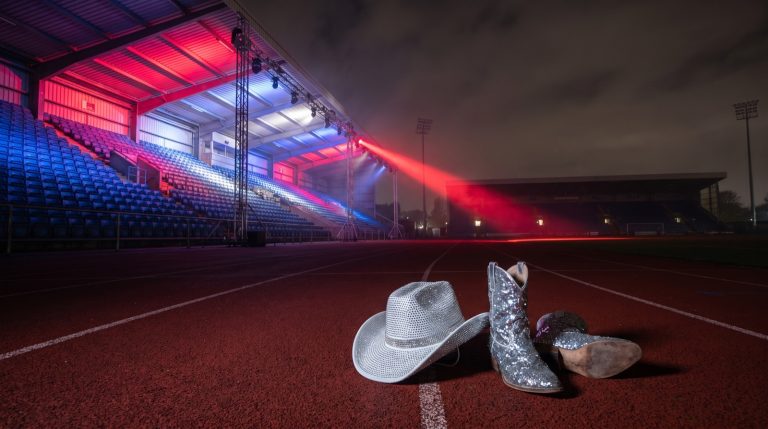
Beyoncé, known for constantly redefining the music industry’s standards, is taking an innovative approach with the rollout of her upcoming album Cowboy Carter, scheduled to drop in March 2025. This album is the second act in a trilogy, following Renaissance (2022), and its thematic focus is radically different from anything we’ve seen from her before. Delving into the Black roots of country and Western music, Beyoncé is again breaking new ground while remaining true to her cultural heritage. Let’s explore how this album rollout stands out from her past releases and what makes it so unique.

A Deep Dive Into Americana and Cultural Heritage

Unlike the surprise drop of her 2013 self-titled album Beyoncé, or the visually stunning, socially-charged Lemonade (2016), Cowboy Carter sees Beyoncé embracing her Southern roots and reclaiming Black contributions to Americana. She researched African-American cowboy history and incorporated these overlooked stories into the album’s concept【34†source】. Beyoncé’s family history inspires the album, and it seeks to highlight the forgotten narratives of Black, brown, and Native cowboys—challenging long-standing perceptions of Western culture【33†source】【34†source】.

Collaborations with artists like Dolly Parton, who reportedly asked Beyoncé to cover her song “Jolene,” add a touch of iconic cross-genre appeal to the project【34†source】. This move signals Beyoncé’s continued ability to bridge different musical worlds, combining traditional country elements with modern production to create something entirely new.

Subtle Teasers and Immersive Experiences

This time around, Beyoncé’s promotional strategy is markedly different from the surprise releases that characterized her previous albums. Instead of dropping the album unannounced, she has been slowly building anticipation through cryptic social media updates, behind-the-scenes footage, and subtle hints that give fans a glimpse into her creative process【34†source】. These teasers create an immersive fan experience, allowing Beyoncé to draw her audience into the world of Cowboy Carter long before the official release date.

In addition to traditional promotional efforts, Beyoncé is likely to integrate virtual elements into the album experience. Speculation about virtual concerts, interactive music videos, and augmented reality (AR) experiences has been building, further establishing her reputation for pushing technological boundaries. This fusion of music and tech signals Beyoncé’s ongoing effort to innovate in an increasingly digital music landscape.

A Personal and Political Message

In terms of thematic content, Cowboy Carter is expected to be deeply personal and politically charged. The album draws heavily from Beyoncé’s research into Black contributions to country music, a genre that has historically excluded African-American artists. This bold exploration of cultural identity continues the themes of empowerment and social activism she established in Lemonade and Renaissance.

Much like her previous works, this album is expected to intertwine personal reflections. It expresses broader social messages, amplifying narratives about race, identity, and empowerment. Beyoncé is using her platform to challenge the status quo in music and popular culture. Cowboy Carter promises to be an album that redefines genre expectations while making a powerful political statement.

Strategic Collaborations and Expanded Influence

Beyoncé’s partnership strategy for Cowboy Carter goes beyond music. She has consistently worked with top fashion and tech brands, and this rollout is no exception. Collaborations with major fashion houses and tech companies could play a significant role in the marketing of the album. These partnerships are expected to expand Beyoncé’s influence beyond music, solidifying her as a multifaceted cultural icon.

Additionally, Beyoncé’s use of high-profile collaborations with both musicians and brands allows her to tap into diverse markets. The album’s crossover appeal—country, Americana, and traditional pop—ensures it will capture the attention of a broad audience.

Conclusion: A New Era in Album Rollouts

Music Industry Weekly recognizes that with Cowboy Carter, Beyoncé once again crafts an entire cultural moment. She blends personal history, political messaging, and cutting-edge technology. Beyoncé’s innovative strategies will continue influencing how music is promoted. Cowboy Carter is poised to set new standards for how albums are experienced.

Gracie Abrams’ “Good Riddance”: An Introspective Journey Through Heartbreak and Self-Discovery

0

Gracie Abrams’ 2023 album Good Riddance delves into the emotional landscapes of heartbreak, self-discovery, and the turbulent path of young adulthood. This introspective album has resonated deeply with Gen Z listeners, showcasing Abrams’ raw vulnerability and understated production style. Through a minimalist blend of acoustic guitars, gentle synths, and soft percussion, Good Riddance sets a new standard for emotional depth in contemporary indie pop.

The Power of Minimalist Production

The production of Good Riddance, led by acclaimed producer Aaron Dessner, creates an intimate, reflective soundscape that accentuates the emotional impact of Abrams’ lyrics. The use of acoustic guitars, gentle synth layers, and subtle percussion produces a delicate atmosphere, allowing her voice and words to remain central. Unlike the over-produced pop typical of the genre, this minimalist approach draws the listener into each song’s quiet intensity, amplifying the feeling of closeness and personal connection. This stripped-back style reflects the emotional rawness of Abrams’ journey, as each instrumental choice underscores the vulnerability and sincerity in her storytelling.

Themes of Heartbreak, Self-Discovery, and Young Adulthood

Good Riddance traverses a variety of introspective themes that resonate strongly with young listeners. Complexities of romantic loss, personal growth, and the search for identity—a journey many Gen Z listeners find relatable. Songs like “Where Do We Go Now?” tackle the uncertainty of young adulthood, echoing sentiments of feeling lost and overwhelmed, while “Difficult” addresses self-doubt and the internal struggle for acceptance. Abrams’ lyrical honesty invites listeners to confront their own struggles with change, making Good Riddance a therapeutic and empowering experience for those navigating similar emotions.

Her songwriting reflects a nuanced understanding of young adulthood’s emotional landscape, often capturing complex feelings with simple, poignant lines. Abrams’ candid approach has allowed her music to become a safe space for listeners grappling with heartbreak, anxiety, and self-doubt, strengthening her bond with her audience and giving voice to the inner lives of Gen Z.

Emotional Resonance Through Abrams’ Vocal Delivery

Abrams’ vocal delivery adds a powerful emotional layer to Good Riddance. Soft and almost whisper-like, her voice carries a fragile vulnerability. Her ability to convey subtle shifts in emotion— from sadness to resolve—brings a palpable intimacy to each track. This understated vocal style aligns perfectly with the album’s minimalist production, creating a sense of closeness that resonates with listeners. Her vocals on tracks like “I Know It Won’t Work” let listeners feel her expressions of heartbreak and introspection.

Thoughtful Sequencing and Pacing

The album’s sequencing and pacing play a crucial role in shaping the listener’s journey. The gradual buildup and gentle comedown of the tracks mirror the emotional highs and lows of navigating young adulthood. Good Riddance transitions into moments of reflection, culminating in a feeling of quiet acceptance. The pacing enhances the listener’s engagement, making the album feel like a narrative rather than a collection of songs.

Cultural Significance and Influence

Good Riddance has become a cultural touchstone for Gen Z, capturing the complexities of modern relationships and self-discovery. Its influence can be seen in the wave of artists embracing vulnerability and introspective storytelling within the indie pop space. Abrams has inspired other young musicians to embrace emotional honesty and minimalist production. It’s shifted indie pop toward a more reflective and intimate style. Through Good Riddance, Abrams has established herself as a musician bridging the personal and universal through her music.

Conclusion: A Defining Album for Contemporary Indie Pop

With Good Riddance, Gracie Abrams has delivered an album transcending typical pop boundaries. She offers a sincere exploration of heartbreak, self-discovery, and young adulthood. Her minimalist production, introspective lyrics, and vulnerable vocal delivery have made the album a defining work for contemporary indie pop. Good Riddance stands as a testament to her ability to transform personal pain into universal resonance. She paves the way for a new era of emotionally rich, introspective music.

Keep up with the latest up-and-comers here on Music Industry Weekly.

Jaguar Wright’s Explosive Claims on Piers Morgan Uncensored: Examining the Credibility

0

Jaguar Wright, the outspoken neo-soul singer, made headlines once again after her controversial appearance on Piers Morgan Uncensored. In this interview, she reignited allegations against two of music’s most powerful figures—Jay-Z and Beyoncé. She accused them of using manipulative tactics to rise to fame. Although Wright’s claims have gained attention on social media, it’s crucial to examine the facts and assess the credibility of her accusations.

The Explosive Claims: What Jaguar Wright Alleged

During the interview, Jaguar Wright claimed that Jay-Z and Beyoncé exploited their influence for personal gain. She accused Jay-Z of manipulating other artists and silencing those who opposed him. Wright suggested that the couple intentionally sabotaged rivals and controlled narratives to build their empire.

These allegations are not entirely new. Wright has previously made similar accusations. However, her appearance on Piers Morgan Uncensored brought fresh attention to these claims, directly targeting Jay-Z and Beyoncé’s dominance in the music industry. According to Wright, their power has stifled the careers of talented artists who dared to challenge their authority.

The Undeniable Facts: Separating Allegation from Evidence

One of the challenges in evaluating Wright’s claims is the lack of concrete evidence. While her stories about the industry are compelling, there is no hard proof backing her accusations against Jay-Z and Beyoncé. Over the years, both artists have faced various rumors, but none have been publicly tied to the specific manipulative actions Wright described.

It’s important to acknowledge that the music industry has long been a complex space, where power dynamics can impact the careers of rising stars. However, attributing these dynamics solely to Jay-Z and Beyoncé, without verifiable evidence, remains speculative.

Weighing Credibility: Is There Truth Behind the Accusations?

Jaguar Wright’s credibility as an industry whistleblower is often questioned due to her past incendiary statements. While she is a talented musician with insider knowledge, her reputation has been clouded by accusations of exaggeration. Furthermore, she lacks corroborative evidence for many of her more serious claims. Still, her boldness in speaking out has earned her a following among those who believe she is revealing hidden truths about the music industry.

Jay-Z and Beyoncé have been the subject of conspiracy theories for years, from alleged involvement in secret societies to accusations of controlling narratives. These claims often lack credible sources, leaving much room for doubt. Wright’s accusations fit within this pattern—provocative, but lacking the concrete proof needed to support them definitively.

Conclusion: The Ongoing Debate

Jaguar Wright’s explosive claims on Piers Morgan Uncensored continue to fuel debate in the entertainment world. While her accusations against Jay-Z and Beyoncé have captured public interest, they remain speculative without strong evidence. Her narrative touches on broader issues of power and control within the music industry, yet her specific claims remain difficult to prove.

As discussions around Wright’s accusations evolve, additional testimonies or evidence may emerge, either lending credence to her story or further debunking it. For now, her interview sparks conversation but leaves more questions than answers.

Stay up to date and read more industry news on MIW.

Seun Kuti & Egypt 80: The Legacy Continues with ‘Heavier Yet Lies the Crownless Head’

Seun Kuti, the youngest son of Afrobeat pioneer Fela Kuti, continues to torch his father’s revolutionary music with the release of his latest album, Heavier Yet Lies the Crownless Head. Leading Egypt 80, the band once helmed by his father, Seun Kuti blends modern Afrobeat with powerful messages that resonate deeply with today’s social and political climates. This album highlights the undeniable connection between Fela’s influence and the modern Afrobeat movement, showcasing Seun Kuti’s evolution as an artist.

Continuing the Afrobeat Legacy

Fela Kuti, the architect of Afrobeat, revolutionized music by fusing traditional African rhythms with jazz, funk, and highlife, creating a genre that was as much about resistance as it was about rhythm. Seun Kuti has spent his career upholding this legacy, ensuring that the essence of Afrobeat remains alive, while also adapting it for contemporary audiences. With Heavier Yet Lies the Crownless Head, Seun channels the revolutionary spirit of his father, crafting songs that not only move the body but also challenge the mind.

From the intricate polyrhythms to the bold brass sections, the album stays true to the core elements that define Afrobeat. Yet, Seun brings a modern flair, weaving in elements of hip-hop, electronic music, and global influences that reflect today’s musical landscape. The result is a sound that honors the past but remains relevant to a new generation of listeners.

Fela Kuti’s Influence on Modern Afrobeat

There’s no escaping the shadow of Fela’s immense influence on Seun Kuti’s work; Heavier Yet Lies the Crownless Head embraces that. Seun grew up immersed in the rhythms and activism of his father, and this upbringing is apparent in both the sound and message of his music. Fela’s spirit lives on in the defiant tone and politically charged lyrics, as Seun addresses themes of corruption, social justice, and African unity—key pillars of the Afrobeat tradition.

Tracks like “Crownless Head” echo the anti-establishment sentiments that Fela championed, while the pulsating beats and layered instrumentation take listeners back to the heyday of Fela’s reign. Seun, however, doesn’t merely replicate his father’s sound—he pushes the genre forward by exploring new directions in rhythm and production, making Afrobeat a global movement that adapts to the times.

The Modern Afrobeat Movement and Seun’s Role

Afrobeat has seen a resurgence in recent years, with artists like Burna Boy and Wizkid bringing genre elements to international stages. Seun Kuti’s place in this movement is unique because he represents a direct link to the genre’s origins, while simultaneously acting as a bridge to its future. Heavier Yet Lies the Crownless Head doesn’t shy away from blending Afrobeat with modern genres, showcasing how adaptable the sound is, and how it continues to evolve under Seun’s leadership.

The album also cements Seun’s role as a cultural and political voice in the global music scene. Much like his father, he uses music as a vehicle for activism. Whether addressing the fight for African self-determination or criticizing global inequities, Seun’s music speaks to the urgency of today’s socio-political landscape. This makes Heavier Yet Lies the Crownless Head a musical triumph and a bold statement on the state of the world.

A Bold Statement for the Future of Afrobeat

With Heavier Yet Lies the Crownless Head, Seun Kuti, and Egypt 80 continue to build upon the foundation laid by Fela. However, they do so with a forward-thinking approach that acknowledges the evolution of both music and the world at large. The album is a testament to the enduring power of Afrobeat and its relevance in modern music and activism.

Seun Kuti’s ability to maintain the integrity of the genre while introducing fresh ideas ensures that Afrobeat remains a dynamic and influential force. The album proves that Seun Kuti is not just preserving a legacy but also shaping the future of Afrobeat. As the son of one of the most influential musicians of the 20th century, Seun is stepping out from his father’s shadow and carving his path, making Afrobeat as vital now as it was during Fela’s reign.

Read more about the legacies of different artists on Music Industry Weekly.

Dua Lipa’s Potential Return with New Music

0

As 2024 approaches, fans are eagerly awaiting Dua Lipa’s return to the music scene. Known for her genre-defying sound and bold artistic choices, the British-Albanian pop star has become a defining voice in modern pop. With a history of evolution and reinvention, Lipa’s upcoming releases are expected to push boundaries once again. The key question on everyone’s mind is: how will Dua Lipa’s return in 2024 shape the future of pop music?

Dua Lipa’s Evolution as a Trendsetter

Dua Lipa’s artistic growth is evident from her 2017 debut to the critically acclaimed Future Nostalgia in 2020. Her early hits like “New Rules” and “Be The One” made her a recognizable figure in the pop world. However, Future Nostalgia marked a shift in her sound. With influences from the 80s, disco, and funk, tracks like “Don’t Start Now” and “Physical” revitalized dance-pop, making Lipa a global sensation.

This ability to evolve while maintaining her unique style sets her apart from many in the pop landscape. By blending nostalgia with modern elements, she created a sound that resonated with both fans and critics. Her upcoming album, expected in 2024, could introduce yet another shift. Speculation suggests that Lipa might explore rock, electronic music, or even global influences, adding new layers to her already diverse discography.

Shifting Sound and Image

Dua Lipa’s success stems from her willingness to experiment with both sound and image. With Future Nostalgia, she perfectly balanced energetic dance tracks and introspective moments, all while embracing retro aesthetics. Her next album will likely continue this sonic experimentation. Whether she delves deeper into electronic production or incorporates live instruments, fans can expect her sound to evolve in exciting ways.

Her image has also transformed over the years. Early in her career, her edgy style matched her moody pop sound. By Future Nostalgia, she had embraced a brighter, more playful aesthetic. Fashion plays a crucial role in her brand, and her constant reinvention has kept her at the forefront of pop culture. In 2024, Lipa is expected to debut a new visual style that complements her evolving music, influencing trends in both fashion and music.

Setting New Trends in Pop Music

Dua Lipa has already proven herself as a trendsetter, and her return in 2024 is poised to shape pop music for years to come. Her previous work sparked a wave of 80s and disco-inspired sounds across the industry. This influence solidified her as a key figure in pop’s revival of retro styles. With the current trend of blending genres, Lipa’s new album will likely encourage even more experimentation in the music world.

Her music has broad appeal, and her ability to create chart-topping hits while maintaining artistic integrity makes her stand out. Lipa’s new material is expected to set trends that will inspire future pop artists who aim to merge commercial success with creativity.

Dua Lipa’s Global Influence

Dua Lipa’s influence extends far beyond her music. She has become a symbol of female empowerment, body positivity, and resilience. With her British-Albanian heritage, she has consistently used her platform to celebrate diversity and promote inclusivity. Her advocacy for women in music, paired with her outspoken views on social issues, has endeared her to fans worldwide.

As she prepares for her 2024 release, Lipa’s global influence will likely continue to grow. Her ability to connect with fans from diverse backgrounds and incorporate cultural elements into her music positions her as a global icon. Her next album will likely further cement her status as a leader in the evolving pop music landscape.

Conclusion: Dua Lipa’s Undeniable Impact on the Future of Pop

Music Industry Weekly acknowledges that Dua Lipa’s return in 2024 is one of the most anticipated events in the music world. Fans can expect her next album to not only break new ground but also influence the broader music landscape. As an artist driven by innovation, Lipa will continue to shape pop music trends. Whether through bold musical choices or redefining pop aesthetics, Dua Lipa remains a cultural force.

Jelly Roll’s Beautifully Broken: Pioneering Genre Fusion in Today’s Music Landscape

0

Jelly Roll’s Beautifully Broken is a prime example of the growing trend of genre fusion that has taken the music industry by storm. The album skillfully blends country, hip-hop, and rock elements, creating a unique sound that defies traditional genre boundaries. As more artists break free from the constraints of single-genre classifications, Beautifully Broken is a testament to the power and appeal of blending styles in today’s music. This rise in genre fusion reflects broader shifts in how artists and listeners embrace musical diversity, shaping the industry’s future.

The Genre-Bending Nature of Beautifully Broken

Jelly Roll, born Jason DeFord, has built his career on defying convention. With Beautifully Broken, he delivers a seamless mix of country storytelling, hip-hop beats, and rock energy. Tracks like “Save Me” and “Same Asshole” exemplify this fusion, combining raw, heartfelt lyrics with rugged guitar riffs and rap-like cadences. His background in hip-hop, paired with his Nashville roots, allows Jelly Roll to weave elements of country’s emotional depth with the rhythmic flow of hip-hop, adding a gritty rock edge to his compositions.

In songs such as “Save Me,” Jelly Roll taps into the vulnerability often associated with country music, using his vocal delivery to explore themes of addiction, redemption, and personal struggle. The accompanying rock instrumentation underscores the intensity of these emotions, while the hip-hop beats provide a contemporary twist. The result is a deeply resonant sound that appeals to a wide range of listeners, demonstrating the growing demand for music that transcends genre boundaries.

The Rise of Genre Fusion in Modern Music

Jelly Roll’s Beautifully Broken isn’t an isolated case; it represents a broader movement within the music industry toward genre fusion. In recent years, artists across various genres have increasingly experimented with blending styles, creating new, hybrid sounds that resonate with a more diverse audience. This shift is partly driven by the way music is consumed today—through streaming platforms, where genre lines are often blurred and listeners are encouraged to explore different styles.

This trend is particularly evident in country music, where artists like Lil Nas X, Kacey Musgraves, and Kane Brown have incorporated elements of pop, hip-hop, and EDM into their music, pushing the genre into new territory. Similarly, hip-hop has seen an infusion of rock, punk, and country influences, with artists like Post Malone, Young Thug, and Lil Peep leading the charge. Jelly Roll’s ability to blend these genres so effectively places him at the forefront of this movement, offering listeners a fresh and authentic sound that reflects the fluidity of today’s musical landscape.

Why Genre Fusion Matters

The blending of genres isn’t just about musical experimentation—it’s about broadening the emotional and cultural reach of an artist’s work. By fusing country, hip-hop, and rock, Jelly Roll creates music that resonates with a wider audience, transcending cultural and stylistic barriers. His ability to mix genres speaks to the diversity of his personal experiences and the universal themes of struggle, perseverance, and redemption that run through his lyrics.

Additionally, genre fusion allows artists to connect with fans on multiple levels. A listener who enjoys country music might be drawn in by the narrative style of Jelly Roll’s lyrics, while a hip-hop fan might appreciate the rhythm and flow of his verses. Similarly, rock enthusiasts may find the raw energy and electric guitar riffs in his tracks familiar and compelling. This crossover appeal helps artists like Jelly Roll reach a broader audience, ensuring their music remains relevant in an increasingly competitive industry.

Jelly Roll’s Influence on the Future of Music

As genre fusion continues to gain traction, Jelly Roll’s Beautifully Broken is poised to influence the next generation of artists. His seamless blending of country, hip-hop, and rock has not only expanded his fanbase but has also pushed the boundaries of what music can be. In a time when listeners crave authenticity and emotional depth, Jelly Roll’s genre-defying sound provides both, proving that music doesn’t have to fit into a single category to resonate.

In the coming years, the trend of genre fusion is likely to become even more prominent as artists continue to break free from traditional constraints. Jelly Roll’s work, along with that of other genre-blending artists, will serve as a blueprint for this evolving landscape, encouraging musicians to experiment and push the limits of their creativity. As more artists follow suit, the lines between genres will continue to blur, leading to a more diverse and inclusive musical world.

Conclusion: Beautifully Broken as a Genre-Defying Statement

Jelly Roll’s Beautifully Broken stands as a defining album in the rise of genre fusion. By blending country, hip-hop, and rock, Jelly Roll challenges the norms of the music industry and creates a sound that is deeply personal, raw, and relatable. His ability to break boundaries while maintaining authenticity underscores the power of genre fusion and its growing significance in today’s music. As more artists embrace this trend, Jelly Roll’s work will remain a shining example of how blending genres can create something truly original and impactful.

Read more music news on MIW.

The Offspring’s SUPERCHARGED: A Nostalgic Return or a Fresh Chapter?

0

The Offspring’s SUPERCHARGED album marks a significant moment for the band, blending familiar punk rock energy with fresh elements that reflect their evolution. With over three decades in the industry, The Offspring’s latest release begs the question: is this a nostalgic return to their roots or the beginning of a new chapter? The answer lies in how SUPERCHARGED balances both, offering long-time fans the signature sound they love while incorporating modern influences that keep the band relevant.

Nostalgic Ties: The Offspring’s Classic Sound

For fans who grew up with The Offspring, SUPERCHARGED brings back many of the elements that made the band iconic. Songs like “Viral Love” and “Lightning Speed” feature the fast-paced, high-energy riffs and rebellious spirit that defined their early hits like “Come Out and Play” and “Self Esteem.” Dexter Holland’s distinctive vocal style remains a central force, evoking the raw, youthful angst that first propelled them to fame in the ‘90s punk scene.

The themes on SUPERCHARGED also tap into the kind of social commentary that has long been part of the band’s DNA. Tracks such as “Disconnect” reflect modern-day disillusionment and societal pressures, echoing the frustrations and rebellious attitudes of their earlier work. This sense of continuity provides a nostalgic trip for old fans, reminding them why The Offspring became such an influential voice in alternative rock.

A Fresh Chapter: Evolving Sound and Modern Influence

While SUPERCHARGED leans into nostalgia, it also signals growth for The Offspring. The album includes fresher sounds and more polished production, showing the band’s willingness to experiment. For example, “Redline” introduces layered instrumentals and electronic elements, blending punk rock with more contemporary alt-rock trends. This sonic evolution adds depth to their music without straying too far from their signature style.

Lyrically, SUPERCHARGED tackles new themes that reflect the band’s maturity. Songs like “Endless Youth” explore the balance between staying true to punk’s rebellious nature while acknowledging the passage of time and life’s inevitable changes. This nuanced approach makes SUPERCHARGED more than just a throwback; it’s an album that stands on its own, engaging both longtime fans and a new generation of listeners.

Balancing Nostalgia and Progress

The Offspring’s ability to strike a balance between nostalgia and progress is one of the album’s greatest strengths. For many legacy bands, there’s a risk of alienating older fans by moving too far from their original sound. The Offspring avoid this by keeping the core of what made them great while still evolving. The high-energy punk beats, catchy choruses, and Holland’s vocals remain intact, but the band isn’t afraid to push boundaries and explore new ideas.

This balance also helps explain why The Offspring continues to resonate with a broad audience. While many punk bands from their era have either faded away or stuck rigidly to one formula, The Offspring has adapted, creating music that feels both familiar and fresh. Their commitment to staying relevant without compromising their sound positions them as one of the few bands from their era that can still headline festivals and top charts.

Conclusion: A Dynamic Blend of Old and New

SUPERCHARGED isn’t just a nostalgic return for The Offspring, nor is it a complete reinvention. Instead, it’s a dynamic blend of both, offering fans a satisfying mix of classic punk energy and modern evolution. By leaning into their roots while embracing new sounds, The Offspring proves that they still have plenty of fuel left in the tank. SUPERCHARGED is a testament to their enduring legacy, showing how a band can honor their past while continuing to evolve.

Read more music news on Music Industry Weekly.

How to Handle Music Licensing on Social Media Platforms in 2024: A Guide for Independent Artists

0

With the rapid growth of social media platforms like TikTok, Instagram, and YouTube as key marketing tools, independent artists are gaining unprecedented visibility. However, with this visibility comes a crucial challenge—understanding and managing music licensing in these digital spaces. In 2024, as music licensing laws continue to evolve, independent artists must navigate copyright regulations, protect their content, and ensure they can monetize their music without infringing on others’ work.

This guide will break down how to handle music licensing on social media platforms in 2024, offering insights into copyright protection, ways to monetize content, and practical steps to avoid legal pitfalls.

Understanding Music Licensing on Social Media

Music licensing ensures that creators are paid for the use of their work. It allows musicians to control how their music is used, who uses it, and in what context. Without proper licensing, using music on social media platforms can lead to copyright infringement, take-downs, and loss of revenue opportunities.

Social media platforms have their own systems for managing music usage, but independent artists must be proactive in protecting their music and navigating these systems effectively.

Key Licensing Terms for Independent Artists

Before diving into the platforms themselves, here are a few key terms every independent artist should understand:

  • Synchronization (Sync) License: This license allows music to be synchronized with visual media, such as a TikTok or Instagram video.
  • Mechanical License: This license grants permission to reproduce music, whether for streaming or physical copies.
  • Master License: The master license gives the holder rights to the master recording, allowing it to be used in media.
  • Public Performance License: This license allows music to be played publicly, including on digital platforms.
  • Royalty-Free Music: Music that can be used without paying royalties, though there is often an initial licensing fee.

Protecting Your Music on Social Media Platforms

For independent artists, protecting your music online is essential to maintaining control over how it’s used and ensuring proper compensation. Here are a few ways to protect your music:

1. Copyright Your Music

The first step in protecting your music is to ensure it’s copyrighted. Copyright gives you the legal right to control how your music is used and distributed. Without it, others may use your work without permission, and it becomes difficult to enforce your rights.

Tip: You can register your music with the U.S. Copyright Office or equivalent organizations in your country. It’s also wise to register with a performance rights organization (PRO), such as ASCAP, BMI, or SESAC, to ensure you receive royalties.

2. Use Content ID on YouTube

YouTube’s Content ID system automatically identifies copyrighted material in videos. If your music is registered with YouTube’s Content ID, you can track where your songs are used across the platform. This system allows you to either monetize third-party content that uses your music or take it down.

Tip: You can work with a distributor or aggregator, like DistroKid or TuneCore, to help get your music into YouTube’s Content ID system.

3. Set Up Licenses for Others to Use Your Music

If you want to allow others to use your music legally on social media, setting up licensing agreements through platforms like Songtradr or BeatStars can streamline the process. These platforms help you license your music for sync opportunities, YouTube videos, or social media use, allowing you to maintain control while earning revenue.

Navigating Copyright Laws on Social Media Platforms

Each social media platform has unique rules for music usage, and understanding these will help you avoid copyright infringement while promoting your content.

1. TikTok

TikTok allows users to add music from its library to their videos, but these tracks are often licensed for personal use only. For artists, having their music in TikTok’s library through a distributor means users can legally incorporate it into their videos.

Tip: Distribute your music to TikTok through services like CD Baby or TuneCore. This allows TikTok users to access and use your music, increasing your exposure while ensuring you get compensated.

2. Instagram

Instagram’s Reels and Stories also offer a library of licensed music for users. However, using unlicensed tracks in videos could lead to them being muted or removed. As an independent artist, distributing your music to Instagram allows others to use it legally in their content.

Tip: Use Instagram’s licensing system to ensure your music is available for users to include in their content while protecting it from unauthorized use.

3. YouTube

YouTube’s approach to music licensing is more advanced, offering the Content ID system mentioned earlier. This system helps artists monitor their music’s use, monetize it, or block unauthorized use.

Tip: Register your music with YouTube’s Content ID system, allowing you to choose how it’s used and monetize it accordingly.

Monetizing Your Music on Social Media

While protecting your music is important, social media platforms also offer new revenue opportunities for independent artists. Here are a few ways to monetize your music:

1. Revenue from User-Generated Content

If you’ve registered your music with YouTube’s Content ID or TikTok’s music library, you can earn revenue when users include your music in their videos. These platforms typically pay artists based on the number of views their music generates.

2. Live Streaming and Virtual Concerts

Many social media platforms, such as Instagram, TikTok, and Twitch, now offer live-streaming features that allow artists to perform for their audiences in real-time. Artists can earn money through fan donations, tips, or platform-specific monetization options like YouTube’s Super Chat or TikTok’s Live Gifts.

3. Music Sales and Streaming

By distributing your music to platforms like Spotify, Apple Music, and YouTube Music, you can promote it through social media while earning royalties from streams. Incorporating calls to action in your social media content, such as linking to your streaming profiles, can help drive streams and increase your revenue.

Avoiding Copyright Infringement

One of the biggest challenges independent artists face is avoiding copyright infringement when using others’ music in their content. If you’re creating content that includes someone else’s music, it’s essential to ensure you have the right licenses in place to avoid takedowns, strikes, or legal action.

1. Always Use Licensed Music

If you’re using music that you don’t own, make sure it’s licensed. This is particularly important on platforms like YouTube, where using copyrighted music without permission can result in your content being demonetized or removed.

Tip: Use royalty-free music libraries like Epidemic Sound, Artlist, or Soundstripe, or seek licensing agreements through platforms like Songtradr to avoid potential legal issues.

2. Obtain Sync Licenses for Video Content

Whenever you include music in a video (such as for TikTok or Instagram), you’re required to obtain a sync license. Many social platforms handle this on your behalf, but if you’re using unlicensed music, you’ll need to secure the proper rights.

Conclusion: Staying Ahead in 2024

Music Industry Weekly understands that managing music licensing on social media can be challenging for independent artists, but staying informed about the latest trends and tools is crucial for success in 2024. By protecting your music, navigating copyright laws, and leveraging new monetization opportunities, you can promote your work effectively while avoiding legal pitfalls. Social media is a powerful tool for discovery and engagement, so understanding these complexities is key to an independent artist.

Navigating Independent Artist Grants and Funding in 2024: A Practical Guide

0

For independent musicians, securing funding has always been a significant hurdle. Whether for producing an album, organizing a tour, or investing in new equipment, the financial roadblocks often seem insurmountable. But 2024 is shaping up to be a promising year for independent artists looking to tap into grant opportunities. With programs from organizations like the National Endowment for the Arts (NEA) and numerous private foundations offering substantial support, independent musicians have more funding options than ever before. This guide will help you navigate the landscape, highlighting key grants, application tips, and insights on how to make your proposal stand out.

Key Grants for Musicians in 2024

1. National Endowment for the Arts (NEA)

The NEA remains a leading source of funding for independent artists, offering several grant programs that focus on creative projects across genres. Music-related grants can be applied toward production costs, collaborative work, or educational initiatives. The Grants for Arts Projects is a particularly beneficial program, offering up to $100,000 for music-focused projects that engage communities and demonstrate artistic excellence.

What they’re looking for:

The NEA favors projects that have a strong community or educational component, alongside artistic merit. Demonstrating the potential for public engagement and cultural impact is crucial.

Tip: Clearly articulate how your project will benefit the community or contribute to the broader music ecosystem. A well-defined vision for outreach or engagement will help your application stand out.

2. Foundation for Contemporary Arts (FCA) Emergency Grants

The FCA offers emergency grants for artists facing unforeseen expenses related to their creative work. Independent musicians can apply for grants to cover unanticipated costs such as equipment repair, venue rentals, or last-minute performance travel.

What they’re looking for:

The FCA is interested in supporting artists with an urgent need, focusing on innovative, original work. They prioritize experimental or forward-thinking music projects.

Tip: Highlight the immediacy and necessity of the funding. Emphasize how your project pushes boundaries creatively.

3. Mid Atlantic Arts Foundation (MAAF) Jazz Touring Network

For jazz musicians, the MAAF Jazz Touring Network provides grants to support touring across the mid-Atlantic region. This program helps emerging and established jazz musicians reach new audiences while covering significant touring expenses.

What they’re looking for:

This grant focuses on live performance and audience development. Applicants must demonstrate how their tours will engage new listeners or reach underserved communities.

Tip: Develop a compelling narrative about how your tour will inspire new audiences and contribute to the jazz genre. If possible, partner with venues that align with the MAAF’s goals of accessibility and community engagement.

4. New Music USA

New Music USA offers grants to independent composers, musicians, and ensembles for projects that focus on original music creation. Funding ranges from $2,000 to $15,000, with the organization looking to support boundary-pushing work that fosters artistic growth.

What they’re looking for:

New Music USA supports artists who are focused on creating new, original music. They favor projects that explore innovative ideas or collaborations.

Tip: Emphasize the unique elements of your music. Be clear about how your project contributes to the evolution of your genre and how it aligns with New Music USA’s goal of fostering cutting-edge artistry.

5. The Aaron Copland Fund for Music

This foundation offers grants that support the performance, creation, and recording of classical music. Independent musicians and small ensembles can apply for funding to support performances or new compositions, particularly those that promote contemporary classical music.

What they’re looking for:

The foundation seeks to support artists and projects that push the boundaries of contemporary classical music. They value work that seeks to bring new music to wider audiences.

Tip: Showcase your dedication to expanding the classical genre. Be specific about how your project will reach audiences unfamiliar with contemporary classical music.

Crafting a Standout Application

With competition for grants fierce, the quality of your application is crucial. Here are some strategies to ensure your proposal rises to the top:

1. Tell a Compelling Story

Funders want to know not only about your music but also about your journey and the impact your project will have. Explain why your project matters, both to you and to the community it will engage. Personalize your application by highlighting what sets you apart as an artist.

2. Define Your Project’s Purpose

A vague project description will likely be dismissed. Be specific about the goals of your project, its timeline, and the outcomes you expect to achieve. Funders appreciate clarity and purpose.

3. Emphasize Community Engagement

Many grants prioritize projects that have a broader community or cultural impact. Whether it’s through performances, workshops, or collaborations, explain how your project will engage with and benefit others.

4. Demonstrate Financial Responsibility

Grant providers want assurance that their funds will be used effectively. Submit a clear and realistic budget, showing exactly how the grant money will be allocated. Transparency about your financial needs and how you’ll manage the funds is essential.

5. Get Strong Letters of Support

Endorsements from collaborators, mentors, or respected figures in the music industry can bolster your application. Letters of support should highlight your professionalism, artistic merit, and the value of your proposed project.

Conclusion: Seize the Opportunities in 2024

With more grant opportunities available in 2024, independent musicians have the chance to secure funding that can elevate their careers. By identifying the right grants, crafting a compelling application, and demonstrating the impact of your work, you can turn these funding opportunities into tangible support for your creative journey. Stay persistent, and remember that every application helps refine your approach, increasing your chances of success in the long run.

Read more advice articles to guide you through your journey on Music Industry Weekly.