The Ethics of AI-Created Music: Can Computers Replace Human Creativity?

0

The rapid advancement of AI-created music has sparked both excitement and concern in the industry. With AI tools now capable of composing songs, producing beats, and analyzing vast libraries of music, the debate over whether artificial intelligence can truly replace human creativity is heating up. This article explores the ethical boundaries, industry concerns, and the future of AI-generated music. It features perspectives from musicians, producers, and tech experts who are navigating this revolutionary landscape.

The Rise of AI in Music Production

AI-driven music tools have made their mark in recent years. Programs like OpenAI’s MuseNet and Google’s Magenta generate fully composed pieces across various genres. AI analyzes large datasets of songs, learning patterns, chord progressions, and melodies to produce original compositions. Some musicians, like Holly Herndon and Taryn Southern, have embraced AI as a tool to enhance their work. However, the growing role of AI in music production has prompted a crucial question: Can computers replace human creativity?

Human vs. AI Creativity: A Clash of Perspectives

One side of the debate is musicians and creatives who argue that AI-created music lacks the essential elements of human creativity. Things like emotion, lived experience, and cultural context. Grammy-winning composer Hans Zimmer, who has experimented with AI-assisted music, asserts that AI will never replace the “soul” of a human artist. For Zimmer and others, creativity is an inherently human act. It involves empathy, intuition, and a deep connection to emotion, something AI systems are not capable of replicating.

However, some tech enthusiasts view AI as an innovative tool that can augment creativity rather than replace it. Brian Eno, for instance, describes AI as a “creative partner” that pushes him to explore new possibilities. AI-generated music can serve as inspiration, offering new ideas and patterns for human artists to build upon.

AI’s Role in Music Production: A Tool, Not a Replacement

For most in the industry, AI is best viewed as a tool—an extension of human creativity rather than its replacement. Musicians like Holly Herndon have integrated AI into their compositions. She is using algorithms to generate harmonies or beats, but the final creative direction remains in human hands. AI systems can handle repetitive tasks, analyze large data sets, and even create variations on themes, allowing artists to focus on emotional expression and storytelling.

The collaborative potential between human and AI is vast. While computers can process information faster and more accurately than humans, the raw emotion, cultural insights, and personal experiences that shape music remain the domain of human creators.

Musicians’ and Industry Concerns: Royalties and Job Security

The increasing presence of AI in music production has raised concerns about the economic impact on musicians and producers. One of the key issues is royalties—if AI generates a song, who owns the rights? Traditionally, royalties are paid to composers, songwriters, and producers, but when AI is involved, the lines of ownership become blurred. Some argue that developers who create AI music programs should receive royalties, while others believe artists should be compensated for any input they provide, such as initial melodies or lyrics.

Additionally, job security is a growing concern. As AI-generated music becomes more sophisticated, there is fear that human musicians, producers, and composers could be displaced by automated systems. However, many industry professionals believe that AI will complement rather than replace human roles. As long as the creative process continues to require human emotion and authenticity, there will always be a demand for human musicians.

Ethical Boundaries and Future Implications

The ethical implications of AI-generated music go beyond economic concerns. Authenticity is at the heart of the debate. Music is often a deeply personal form of expression, tied to an artist’s cultural and emotional experiences. When an AI generates a song based on an algorithm, does it still carry the same weight of authenticity? Some fear that mass-produced AI music could lead to a homogenized soundscape, where originality is sacrificed for efficiency.

Moreover, transparency in music creation is becoming increasingly important. Artists and industry leaders argue that listeners should be informed when a song or part of a song is generated by AI. This transparency would help maintain trust between the artist and their audience and ensure that AI music doesn’t undermine the authenticity of human-created work.

AI as a Collaborative Tool

Despite these concerns, many musicians see AI as a potential collaborator rather than a competitor. AI can offer new ways to experiment with sound, push boundaries, and explore genres. For instance, Arca, an experimental artist, has used AI to create electronic landscapes that complement her human-composed work. For these musicians, AI is not about replacing creativity, but expanding its possibilities.

The key to successful collaboration lies in defining clear roles. AI can handle technical tasks, generate ideas, and analyze trends, but the final artistic vision remains in human hands. In this sense, AI can be a powerful tool for musicians looking to push the boundaries of traditional music composition.

The Industry’s Role: Safeguarding Artistic Integrity

As AI-generated music becomes more prevalent, the music industry must adapt by implementing new standards and regulations. Royalty structures will need to evolve to address compensation for AI-created works, ensuring that human input is properly recognized. Platforms like Spotify and Apple Music may need to label AI-generated content to maintain transparency with listeners.

Additionally, ethical standards should be established to guide the use of AI in music creation. These standards could ensure that AI is used to complement human creativity rather than replace it, protecting the integrity of the art form while embracing technological innovation.

The Future of AI-created Music: Innovation or Automation?

Looking ahead, the future of AI in music will likely be shaped by how well the industry balances innovation and authenticity. While AI has the potential to revolutionize music production, its role must remain that of a collaborator, not a replacement. Musicians, producers, and tech experts must work together to ensure that AI enhances the creative process without overshadowing the human elements that make music so powerful.

Conclusion: Striking a Balance Between Innovation and Integrity

Music Industry Weekly understands that as AI continues to evolve, it presents both opportunities and challenges for the music industry. While AI-created music can streamline production and inspire new ideas, it cannot replace the emotional depth and lived experience that define human artistry. To maintain the integrity of music as an art form, the industry must embrace AI as a tool that complements human creativity rather than diminishes it.

As AI becomes more integrated into music production, musicians, developers, and industry leaders must establish clear ethical guidelines to ensure that the creative process remains rooted in human expression. Only by striking this balance can we fully harness the potential of AI while safeguarding the future of human creativity.
Cancel Culture in Music: The Impact of Social Media Backlash on Artists’ Careers

0

In today’s digital age, cancel culture wields significant power, reshaping public perception and, consequently, the careers of artists. Social media plays a central role in amplifying the voices of critics and fans, creating a direct line between public opinion and an artist’s livelihood. From controversial statements to allegations of misconduct, several high-profile musicians have experienced the swift and sometimes devastating effects of cancel culture. In this article, we’ll explore recent examples and analyze how this trend is changing the music industry.

Introduction: The Rise of Cancel Culture in Music

Cancel culture refers to the public backlash or boycotting of individuals, often stemming from past behavior or comments that are viewed as offensive or inappropriate. Within the music industry, social media platforms like X, Instagram, and TikTok provide spaces for fans to express disapproval. This can quickly lead to widespread condemnation. Prominent artists such as DaBaby, Morgan Wallen, and Nicki Minaj have faced intense criticism, illustrating how social media can shape—and sometimes derail—a musician’s career.

Recent Examples of Cancel Culture in Music

  1. DaBaby’s Homophobic Comments at Rolling Loud
    In 2021, DaBaby sparked outrage during his performance at the Rolling Loud Festival when he made homophobic remarks. Almost immediately, social media erupted with criticism. As a result, DaBaby was dropped from high-profile music festivals, including Lollapalooza and Governors Ball. Additionally, several brands cut ties with him. Although he issued multiple apologies, the damage to his career was substantial, proving how quickly public sentiment can shift and affect an artist’s future.
  2. Morgan Wallen’s Use of a Racial Slur
    Morgan Wallen’s career faced a severe setback in 2021 when a video surfaced of him using a racial slur. The response was swift: he was removed from radio playlists, and temporarily suspended by his record label, and his music was pulled from several streaming platforms. Despite Wallen’s public apology, the incident cast a long shadow over his career. However, in a testament to his popularity, Wallen has since regained some commercial success, highlighting the complex relationship between fan loyalty and public accountability.
  3. Nicki Minaj’s Vaccine Comments
    In 2021, Nicki Minaj caused controversy when she expressed skepticism about the COVID-19 vaccine, making unverified claims about its side effects. Her comments ignited widespread debate, with health experts and fans alike accusing her of spreading misinformation. This incident placed Minaj at the center of the ongoing discussion about celebrities’ responsibility in promoting public health measures. Although her career wasn’t significantly derailed, the backlash underscored the pressure on public figures to use their platforms responsibly.

How Cancel Culture Is Shaping the Music Industry

These cases illustrate how cancel culture can have lasting effects on an artist’s career. The consequences extend beyond temporary setbacks, often resulting in financial losses, tarnished reputations, and missed opportunities. As social media provides fans with unprecedented access to their favorite artists, it also exposes musicians to intense scrutiny.

For many artists, maintaining a carefully curated public image is more crucial than ever. Missteps—whether recent or years old—can lead to immediate fallout. For instance, DaBaby has struggled to regain his previous level of fame, while Morgan Wallen’s situation shows that redemption is possible, albeit with lingering controversy.

The Debate: Is Cancel Culture Fair?

Cancel culture has sparked considerable debate. On one hand, it holds artists accountable for harmful behavior, encouraging them to address issues like homophobia, racism, and misinformation. On the other hand, critics argue that cancel culture can be overly punitive, often ignoring context or the possibility of personal growth.

Many people feel that cancel culture lacks nuance, especially when it focuses on past behavior or off-the-cuff comments. Some artists are criticized for actions taken years earlier, raising the question of whether there should be a limit to how long the public holds someone accountable. In addition, social media-driven outrage can sometimes overshadow opportunities for dialogue and forgiveness.

Conclusion: The Future of Cancel Culture in Music

Music Industry Weekly recognizes that cancel culture shows no signs of slowing down, especially as social media continues to dominate how fans engage with artists. It serves an important role in holding musicians accountable. It also raises complex questions about redemption, forgiveness, and the permanence of public outrage. As fans demand more transparency and authenticity, artists must tread carefully to avoid damaging their reputations, understanding that one misstep can lead to long-term consequences.

The Streaming Debate: Why Some Artists Are Pulling Their Music from Major Platforms

0

The rise of platforms like Spotify and Apple Music has transformed the way we listen to music. However, not every artist is on board with these changes. Recently, several high-profile musicians have removed their work from streaming services, citing issues such as unfair royalties and ethical concerns. These artists are challenging the practices of these major platforms, prompting a larger conversation about the future of music distribution.

Unfair Royalties: The Fight for Fair Compensation

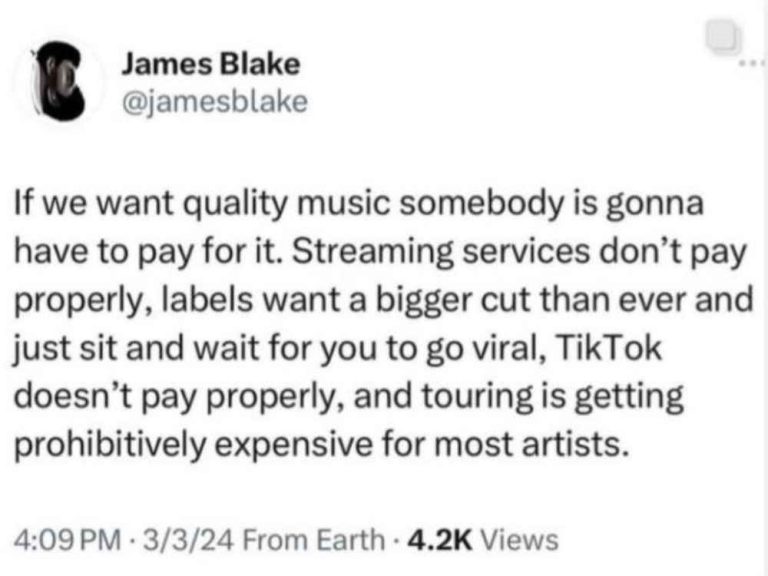
A leading reason for artists leaving streaming services is the minimal compensation per stream. While streaming services provide musicians with access to millions of listeners, the revenue generated from each play is often negligible. Independent and mid-level artists, in particular, struggle to earn a sustainable income.

According to Rolling Stone, musicians typically earn only $0.003 to $0.005 per stream on Spotify. This payment model has led many artists, including Taylor Swift, to question the long-term sustainability of streaming. In 2014, Swift pulled her entire catalog from Spotify, arguing that the platform devalued her music. Many artists share her concerns and have also taken action to find better ways of being compensated.

Ethical Concerns: Questionable Platform Practices

Besides financial reasons, ethical concerns are another driving factor. In early 2022, Neil Young removed his music from Spotify in protest of the platform’s hosting of the Joe Rogan Experience podcast, which he believed spread misinformation about COVID-19. His decision sparked debate about the role platforms play in shaping public opinion.

Ethical critiques aren’t limited to Spotify. Musicians also point to issues with Apple Music and Amazon Music, highlighting concerns about data privacy and labor practices. As a result, some musicians are choosing to distance themselves from these platforms.

Direct-to-Fan Models: A Sustainable Alternative

In response to these issues, many artists are turning to direct-to-fan platforms like Bandcamp, which offer greater payouts and more control over pricing. Bandcamp allows musicians to sell directly to their fans, typically keeping 85-90% of the revenue. This approach is more sustainable, particularly for independent artists who may not receive millions of streams but have dedicated fans willing to support them financially.

Artists such as Amanda Palmer and Thom Yorke have embraced Bandcamp for these reasons. They appreciate the platform’s artist-first approach, which prioritizes fair compensation and closer artist-fan relationships.

The Fan Dilemma: Convenience vs. Supporting Artists

Fans also face a dilemma as more artists leave major streaming services. On one hand, streaming platforms offer unparalleled convenience by granting users access to vast music libraries. On the other hand, the growing awareness of how little artists earn from these services has prompted some listeners to reconsider their choices.

More fans are now opting to support musicians directly by purchasing physical albums or using platforms like Bandcamp. This shift illustrates the tension between the ease of streaming and the desire to ensure that artists are fairly compensated.

Future Implications: A Shift in Music Distribution

As more artists pull their music from major streaming platforms, this trend signals a potential shift in the music industry. Streaming services may face increasing pressure to offer higher royalties or to address ethical concerns. Artists, in turn, are exploring alternative ways to distribute their music, placing a greater emphasis on building direct relationships with their listeners.

This change could mark the beginning of a more artist-driven era, where musicians take greater control over their work and how it is distributed. Fans, too, may play a larger role in supporting their favorite artists by engaging with them through new, more sustainable channels.

Conclusion: Artists Take Control of Their Future

Music Industry Weekly understands that the decision by many artists to pull their music from major streaming platforms highlights growing concerns over fair compensation and ethical practices. As the music industry evolves, the choices made by both musicians and fans will shape the future of music distribution. By embracing artist-first platforms and engaging more directly with creators, listeners can contribute to a fairer and more sustainable music landscape.

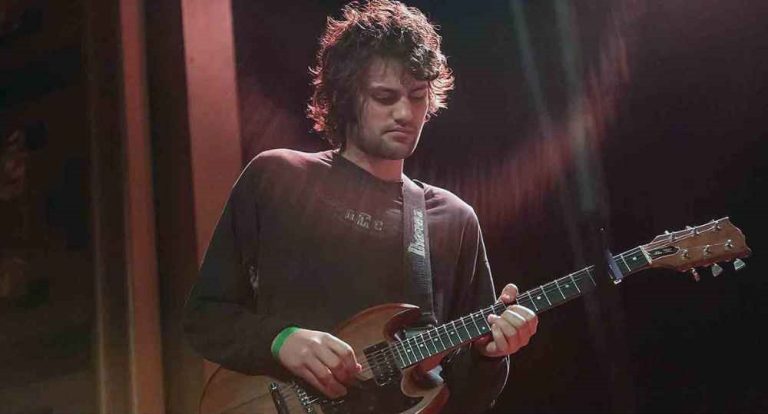
Low-Key Indie Rocker MJ Lenderman Wants to Tell a Bigger Story: Everyday Life Through Music

0

MJ Lenderman, an indie singer-songwriter from Asheville, North Carolina, has steadily carved out his niche in the indie rock scene. His understated yet resonant approach to storytelling blends humor with poignancy, offering listeners narratives drawn from the everyday. Through his music, Lenderman elevates mundane moments into meaningful experiences, endearing himself to a growing fanbase while solidifying his presence in the indie landscape.

Background and Influences: Asheville Roots and Authenticity

Lenderman’s Asheville upbringing, a city known for its rich arts scene nestled in the Blue Ridge Mountains, plays a crucial role in shaping his musical identity. Asheville’s unique blend of Appalachian tradition and a flourishing creative culture is reflected in his music. Lenderman’s songwriting, which captures small-town life with broader, universal themes, mirrors the authenticity that characterizes his home.

Surrounded by a community that values artistic sincerity, Lenderman’s early influences spanned genres. From folk and country to the slacker rock of the 1990s, artists like Neil Young, Pavement, and Townes Van Zandt deeply impacted his sound. These diverse influences helped Lenderman develop a laid-back style that pairs reflective lyrics with emotional depth, creating songs that feel personal yet profound.

Musical Style: Humor, Poignancy, and the Mundane

Lenderman’s music is defined by its simplicity and focus on the ordinary. Instead of grand narratives or sweeping epics, he zooms in on small, often overlooked moments of daily life. Whether it’s a conversation with friends or fleeting reflections, his songs turn the mundane into something significant. Humor plays a central role in his work, yet it never detracts from the emotional weight. Instead, he uses humor to highlight the absurdity of life, making his music both relatable and comforting.

Take “Someone Get the Grill Out of the Rain,” for example. The song juxtaposes trivial details, like the grill, with deeper reflections on time’s passage and personal growth. This mixture of humor and reflection allows Lenderman to explore the complexities of life without veering into sentimentality. His music feels grounded yet philosophical, resonating with listeners who find beauty in life’s smallest moments.

The lo-fi production, filled with jangly guitars and straightforward melodies, complements his narrative-driven lyrics. The raw, unpolished sound adds an intimate quality to his work, as though the listener is sharing a quiet, impromptu jam session. This sense of authenticity enhances his music’s charm, letting the stories speak for themselves without any unnecessary embellishments.

Themes and Lyrics: Nostalgia and Growth

At the core of Lenderman’s songs are themes of nostalgia, growth, and the challenges of adulthood. His lyrics often reflect on the past with a combination of fondness and melancholy, offering a space for listeners to contemplate their journeys. Tracks like “TLC Cagematch” balance nostalgia with the inevitable realization that change is constant, allowing his audience to engage with both.

In “Hangover Game,” Lenderman captures the messiness of adulthood, exploring literal and metaphorical hangovers. His conversational lyrics feel like intimate confessions, drawing listeners in as he navigates personal growth in a deeply relatable way. This lyrical subtlety sets him apart, avoiding cliché while inviting listeners to project their own experiences onto his songs.

Fan Reception: Resonating with Real Life

Lenderman’s music has resonated with fans for its authenticity. Listeners appreciate how his songs reflect real life—unpolished, imperfect, and deeply human. Whether addressing the confusion of growing up or the humor found in absurd moments, his music feels like a mirror to the listener’s own experiences.

On social media and in fan forums, Lenderman’s down-to-earth persona has attracted a loyal following. His relatability, combined with a low-key sound, creates a space for fans to connect deeply with his stories. Critics have also praised his ability to turn the ordinary into something profound, often highlighting the refreshing contrast his music offers to the heavily produced tones of modern indie music.

Future Directions: What’s Next for MJ Lenderman?

As Lenderman’s fanbase grows, so does the anticipation for what he’ll create next. While his laid-back style has defined his music so far, there’s a sense that he may expand his sound and explore new themes in future projects. His storytelling holds the potential for deeper exploration of adulthood, relationships, and growth.

Fans expect Lenderman to stay true to the authenticity that defines his music. Whether he experiments with more expansive production or sticks with his lo-fi roots, his ability to tell bigger stories through the lens of everyday life will continue to distinguish him in the indie world.

Conclusion: A Refreshing Voice in Indie Songwriting

Music Industry Weekly recognizes that in an era where music can often feel grandiose or overly produced, MJ Lenderman’s low-key approach is a breath of fresh air. His talent for capturing the nuances of everyday life through humor and poignancy sets him apart, offering listeners a quiet space to reflect and connect. As he continues to grow as an artist, Lenderman will undoubtedly remain a voice of authenticity, proving that life’s smallest moments often hold the most meaning.

The Pogues’ Rum Sodomy & the Lash: A Cultural and Historical Analysis

0

Released in 1985, Rum Sodomy & the Lash by The Pogues stands as a significant album in both Irish folk and punk music. Blending traditional melodies with punk energy, it captured the frustrations, joys, and sorrows of 1980s Ireland. Produced by Elvis Costello, the album resonated with listeners both inside and outside the Irish community. By merging past and present, Rum Sodomy & the Lash became a timeless reflection of Irish identity while influencing a new generation of artists across genres.

Historical Context: The Socio-Political Landscape of 1980s Ireland

To fully appreciate Rum Sodomy & the Lash, it’s essential to understand the socio-political landscape of 1980s Ireland. This period was marked by economic hardship, mass emigration, and the ongoing conflict in Northern Ireland, known as The Troubles. Many Irish people in England, especially those in the diaspora, faced discrimination and marginalization. The Pogues emerged as a voice for those struggling with Irish identity while living abroad or feeling disillusioned by society.

Led by Shane MacGowan, The Pogues revitalized traditional Irish folk music, infusing it with punk’s rebellious edge. At a time when Irish music was often considered outdated, The Pogues brought the sounds of the past into a punk-dominated present. Their music honored Irish traditions while acknowledging the gritty realities of many Irish people.

Lyrical Analysis: Ireland’s Complexities

The album opens with “The Sick Bed of Cuchulainn,” a track that epitomizes The Pogues’ ability to blend mythological references with urban life. MacGowan’s lyrics evoke disillusionment, portraying Ireland as a place caught between its glorious past and its troubled present. Another standout track, “A Pair of Brown Eyes,” uses sorrowful lyrics to tell a story of lost love and the tragedies of war. This track evokes the lasting scars of Irish conflict, particularly through the lyric, “for a pair of brown eyes,” which symbolizes the endless wandering of the Irish emigrant.

Both songs showcase MacGowan’s talent for storytelling, combining personal emotions with broader socio-political commentary. His lyrics address the everyday struggles of people while exploring deeper complexities of Irish identity and conflict.

Musical Composition: Punk Meets Irish Folk

One of the album’s most remarkable aspects is how it fuses punk energy with traditional Irish music. Tracks like “The Sick Bed of Cuchulainn” and “The Gentleman Soldier” incorporate tin whistles, accordions, and fiddles alongside punk’s raw intensity. Costello’s production maintains the band’s authentic sound, preserving the live feel of their performances. His balance of traditional and contemporary elements creates a unique soundscape that was unlike anything in the punk or folk scenes at the time.

Cultural Impact: Redefining Irish Folk and Punk

Rum Sodomy & the Lash had a profound influence on both Irish music and the broader punk genre. By combining Irish folk storytelling with punk’s defiance, The Pogues inspired a wave of musicians. Bands like Flogging Molly and Dropkick Murphys followed their lead, blending Irish traditions with punk’s energy, helping to keep the spirit of both genres alive. Beyond music, the album connected Irish communities worldwide, offering them a new way to engage with their heritage.

The Legacy of Shane MacGowan: A Timeless Songwriter

MacGowan’s songwriting has left an enduring mark on music, known for its poetic storytelling and emotional honesty. His lyrics, often melancholic, reflect life’s contradictions—joy mixed with sorrow, celebration with lament. With many artists across various genres citing him as an inspiration, his influence extends beyond Irish music. His unique voice, both lyrically and literally, has shaped how songwriters approach blending personal experiences with broader social themes.

Conclusion: The Lasting Significance of Rum Sodomy & the Lash

Music Industry Weekly recognizes that Rum Sodomy & the Lash remains a landmark album, not only for its innovative blending of genres but also for its cultural relevance. The album’s exploration of Irish history, exile, and personal struggle continues to resonate with audiences today. By merging punk’s ferocity with traditional Irish melodies, The Pogues created a timeless work that continues to inspire musicians and captivate listeners.

Weezer Announces Huge New Blue Album Box Set, Shares “Undone – The Sweater Song” Demo: Nostalgia and the Power of Music Reissues

0

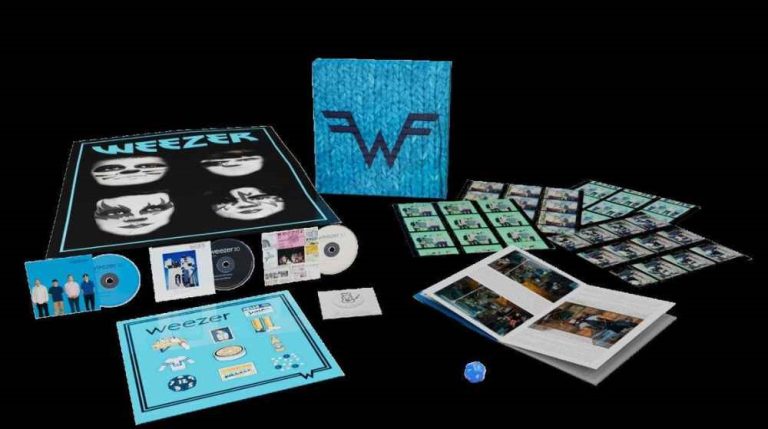
Weezer’s self-titled debut, known as The Blue Album, remains a cornerstone of 90s alternative rock. Blending power-pop melodies with a quirky charm, it launched the band into stardom and became synonymous with 90s music nostalgia. Now, to celebrate its 30th anniversary, Weezer has announced a comprehensive box set reissue. This new collection includes previously unreleased demos, alternate versions, live recordings, and rare memorabilia. As a preview, the band released an early demo of “Undone – The Sweater Song,” offering fans a unique glimpse into their creative process. This reissue not only honors Weezer’s legacy but also introduces their early work to a new audience, tapping into the power of nostalgia.

Nostalgia in Music Reissues: A Journey Back in Time

Nostalgia has always been a powerful force in the music industry. For fans, reissues like The Blue Album box set serve as a time machine, transporting them back to moments when they first connected with the music. For many who grew up in the 90s, The Blue Album wasn’t just a collection of songs. It was the soundtrack to coming-of-age moments. Iconic tracks like “Buddy Holly” and “Say It Ain’t So” defined the era, and for fans, these songs are forever tied to their memories.

Music reissues create an opportunity to reconnect with those memories. By including rare tracks, demos, and behind-the-scenes insights, these reissues enhance the original album experience. Weezer’s reissue of The Blue Album taps into this emotional currency, offering fans both a trip down memory lane and a deeper connection to the music.

The Box Set: Rediscovering The Blue Album

Weezer’s Blue Album box set gives fans a chance to rediscover the band’s creative journey. The demo of “Undone – The Sweater Song” reveals the raw, experimental nature of their early sound. It strips away the polish of the final recording, allowing listeners to experience the rough beginnings of what became a breakout hit.

Alongside the demo, the box set features alternate versions of songs, live performances, and rare memorabilia, including photos and liner notes. These materials provide a more complete picture of Weezer’s early days and the effort behind their music. Fans can now appreciate The Blue Album not just as a set of songs but as a piece of history.

Fan Reactions: Revisiting the Past

The announcement of The Blue Album box set sparked excitement among fans, especially those who first discovered the band in the 90s. On social media, fans eagerly shared memories of the first time they heard “Buddy Holly” or listened to “Undone – The Sweater Song.” One fan wrote, “The Blue Album was my high school soundtrack, and I can’t wait to dive into these demos and relive those days.” For these longtime listeners, the box set is more than just a reissue—it’s a chance to revisit a part of themselves.

For newer fans, this box set offers a way to explore Weezer’s roots. Some may have only discovered the band through later albums or streaming platforms. The extensive collection of demos and alternate versions gives these listeners a fuller understanding of Weezer’s early sound.

Cultural Context: The Blue Album’s Legacy in 90s Alternative Rock

Released in 1994, The Blue Album came at a time when alternative rock was on the rise. Bands like Nirvana and Green Day dominated the scene. However, Weezer stood out with a different approach. Instead of angst-filled rebellion, they brought a nerdy, introspective charm that connected with a unique audience.

The Blue Album combined catchy melodies with thoughtful lyrics about love, suburban life, and personal insecurities. It resonated with listeners who appreciated the band’s unique perspective. Over the years, this album has influenced many bands, from pop-punk acts like Blink-182 to indie rock groups like Vampire Weekend.

The reissue of The Blue Album serves as a reminder of its lasting impact on alternative rock and its relevance in today’s music landscape.

Conclusion: Preserving Music History and Connecting Generations

Music Industry Weekly appreciates that Weezer’s Blue Album box set offers more than a nostalgic look at the past. It connects generations of fans, from those who grew up with the album to those discovering it for the first time. For longtime listeners, it’s a chance to revisit formative years. For newer fans, it provides a deep dive into the band’s early work. By preserving demos, alternate takes, and live recordings, this reissue enriches the fan experience and keeps The Blue Album relevant in modern music. More than just a celebration of Weezer’s past, it reaffirms the timeless nature of their music, bridging the gap between generations.

Clairo’s Charm Is Strangely Numb: A Deep Dive into the Emotional Landscape of Gen Z

0

Clairo has emerged as a defining voice for Generation Z, crafting music that resonates deeply with her audience. Her blend of bedroom pop, indie influences, and introspective lyrics creates a soothing yet sobering soundtrack for the complexities of young adulthood. With each album, Clairo delves into themes such as anxiety, identity, and modern relationships, reflecting the emotional struggles of growing up in a hyperconnected world. This article explores how Clairo’s music mirrors the experiences of Gen Z while offering a safe space for emotional reflection.

Clairo’s Rise as a Gen Z Icon

Claire Cottrill, known as Clairo, shot to fame in 2017 with her viral single “Pretty Girl.” Its lo-fi bedroom pop aesthetic and DIY music video instantly struck a chord with listeners searching for authenticity in a world dominated by overly polished pop stars. Over the years, her sound has evolved into something more mature and layered. However, Clairo remains deeply connected to the vulnerability and rawness that first attracted her fans. Today, her music serves as both a reflection of her personal struggles and a mirror to the broader experiences of her generation.

Emotional Themes: Navigating Anxiety, Identity, and Growing Pains

In Clairo’s latest album, anxiety and identity are central themes. Gen Z, more than any previous generation, lives in a hyperconnected yet isolating world, where social media amplifies anxiety and distorts reality. In tracks like “Bambi,” Clairo addresses the pressures of living up to societal expectations, singing, “I’m not who you think I am, I’m just trying to keep afloat.” The slow, almost numbing pace of the song captures the feeling of being overwhelmed, mirroring the paralysis that often accompanies anxiety.

Similarly, Clairo tackles the tension between self-expression and digital personas in “Amoeba.” She highlights the challenge of maintaining an authentic identity in a digital age, saying, “I can’t figure out who I am without a screen in my face.” This lyric reflects the internal battle many face as they navigate both online and real-world identities.

Lyrical Analysis: Capturing Nuanced Emotions in Relatable Terms

Clairo’s songwriting excels in capturing nuanced emotions and everyday struggles. Her lyrics, often confessional, feel deeply personal yet relatable. In “Blouse,” a track that touches on objectification in relationships, she sings, “Why do I tell you how I feel, when you’re too busy looking down my blouse?” This vulnerability speaks to listeners who feel unseen and unheard in their own experiences.

In “Just for Today,” Clairo expresses the tension between wanting to disappear and the importance of asking for help. She confesses, “I’m learning how to ask for help, and how to let myself be open.” The simplicity of her lyrics resonates with Gen Z’s growing openness about mental health struggles, reinforcing the idea that it’s okay to seek support during difficult times.

Musical Composition: Creating Intimacy Through Minimalism

The minimalist production of Clairo’s latest album adds another layer to its emotional depth. Soft synths, gentle acoustic guitar, and delicate percussion provide a sparse yet impactful backdrop for her vulnerable lyrics. This simplicity allows the emotion behind her words to shine. On tracks like “Reaper,” Clairo’s use of silence and pauses emphasizes feelings of longing and uncertainty. These musical choices reflect the quiet introspection that defines much of her work.

The subtle layering of instruments, including piano and soft backing vocals, adds emotional richness without overwhelming the listener. Clairo’s voice, often delivered just above a whisper, enhances the intimacy of the songs. This restrained vocal delivery draws listeners in, inviting them into her emotional world.

Clairo in the Cultural Context: A Voice for Gen Z

Clairo’s music reflects broader cultural shifts within Generation Z. Her lyrics often touch on issues of self-worth and identity in a world where social media plays an outsized role in shaping one’s sense of self. In songs like “Amoeba” and “Harbor,” Clairo explores feelings of alienation and self-doubt, emotions that resonate deeply with listeners growing up in an era defined by digital connections.

Her music also provides a space for emotional openness and authenticity, a hallmark of Gen Z culture. In a time when young people are more willing to talk about their mental health struggles, Clairo’s candid lyrics offer validation and a sense of community. Her songs serve as a reminder that vulnerability is not a weakness but a strength.

Fan Reception: Finding Emotional Validation in Clairo’s Music

Clairo’s openness about her struggles has earned her a devoted fanbase, many of whom share personal stories of how her music has helped them through tough times. On platforms like TikTok and Instagram, fans frequently quote her lyrics, discussing how they resonate with their own experiences.

For instance, “Bambi” has become a comfort song for many who deal with anxiety. Its slow, reflective pace mirrors the emotional weight of living with constant pressure. Fans have expressed how Clairo’s honesty makes them feel seen, providing comfort during difficult moments.

Comparing Clairo to Billie Eilish and Olivia Rodrigo

Clairo’s introspective music draws comparisons to other Gen Z artists like Billie Eilish and Olivia Rodrigo, both of whom also tackle themes of mental health and identity. While Eilish’s sound leans toward dark, avant-garde production and Rodrigo’s channels raw emotion through pop-punk, Clairo’s approach is more restrained. She excels in capturing the subtleties of everyday emotional struggles, making her music feel deeply personal and intimate.

Conclusion: Clairo’s Enduring Legacy for Gen Z

Music Industry Weekly acknowledges that Clairo has become a defining voice for Gen Z by articulating the complexities of growing up in a hyperconnected, digital world. Her latest album offers listeners a safe space for vulnerability, reflection, and emotional healing. As Clairo continues to evolve as an artist, her music will remain a powerful tool for those navigating the challenges of identity, anxiety, and relationships. Her legacy will be one of emotional honesty and authenticity, offering her generation a sense of understanding and belonging in an often overwhelming world.

Concert Standards Through the Decades: A Comparative Analysis of the 70s, 80s, 90s, and 2000s

0

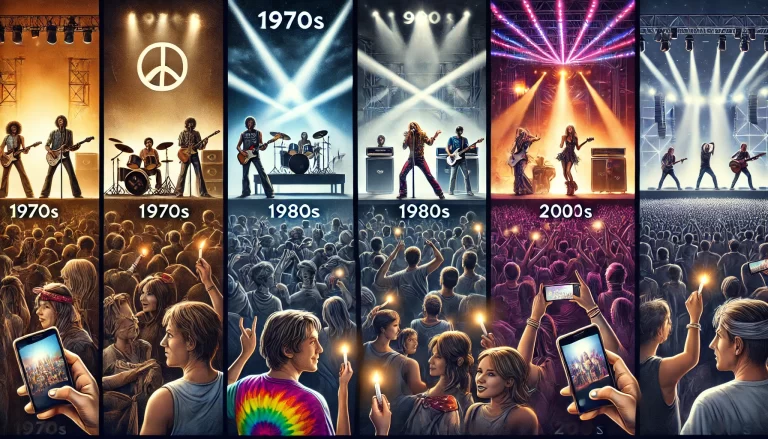
Concerts have undergone profound transformations over the last four decades, reflecting cultural shifts, technological advancements, and changing audience expectations. What started as raw, intimate musical gatherings in the 1970s has evolved into grand spectacles by the 2000s, making live music not just an auditory experience but a full-fledged multimedia event. This article explores the evolution of concert standards over four decades, focusing on production values, audience behavior, showmanship, setlists, and the overall fan experience.

Historical Context: Concert Trends Across the Decades

1970s: Raw Energy and Cultural Revolution
Concerts in the 1970s were often characterized by simplicity, where music took precedence over visuals. Iconic acts like Led Zeppelin and Pink Floyd led performances driven by musicianship rather than elaborate staging. These shows often echoed the era’s countercultural movements, serving as platforms for protest and social change.

1980s: The Age of Excess
With the rise of MTV, the 1980s saw an explosion in arena concerts, with larger-than-life artists like Michael Jackson and Madonna turning their performances into theatrical productions. Choreography, pyrotechnics, and extravagant costumes became the norm, marking the era of spectacle-driven shows.

1990s: Grunge and Authenticity
The 1990s were defined by the raw, unpolished energy of bands like Nirvana and Pearl Jam. This decade rejected the excess of the 80s, focusing instead on authenticity and stripped-down performances. Concurrently, the rise of hip-hop introduced a new dynamic to live music, with artists like Tupac Shakur leading electrifying performances.

2000s: Digital Integration and Immersive Spectacles
By the 2000s, technological advancements reshaped the live concert experience. Major acts like Beyoncé and Coldplay integrated multimedia elements such as LED screens and 3D projections. Concerts were no longer just live experiences; they became digital moments, amplified by the rise of smartphones and social media.

Production Values: From Minimalism to Spectacle

1970s: The Era of Pure Sound
Concerts in the 1970s were largely minimalist. Stages were simple, with the focus on the sound rather than visuals. Bands like The Grateful Dead delivered long, improvisational performances, and while there were early experiments with surround sound, staging remained relatively basic.

1980s: Spectacular Stage Designs
With artists like David Bowie and Prince, the 1980s embraced elaborate stagecraft. Concerts featured complex lighting, costume changes, and synchronized performances. The evolution of sound technology allowed for better amplification, enhancing the overall live experience.

1990s: A Return to Raw Power
The stripped-down aesthetics of grunge bands reflected a return to basics. However, electronic acts and rave culture introduced vibrant light shows and experimental sounds. In hip-hop, turntables and intricate DJ setups became a central feature of live shows.

2000s: High-Tech, Immersive Productions
By the 2000s, technological integration reached new heights. Artists such as U2 and Kanye West employed massive LED screens and advanced sound systems to create immersive, visually spectacular shows. Digital integration, such as live-streaming and augmented reality, elevated concert experiences further.

Audience Expectations: Evolution of Concert Behavior

1970s: A Collective Experience
Concerts in the 70s were communal, with fans deeply engaged in the music and the cultural movements of the time. The audience often shared a sense of rebellion, creating a unified, almost ritualistic atmosphere.

1980s: The Spectacle-Driven Experience
In the 80s, audiences sought spectacle. Fans wanted to witness larger-than-life performances, with artists delivering high-energy, visually stunning shows. The rise of pop superstars meant that fans often idolized performers as entertainers, not just musicians.

1990s: Authenticity and Intimacy
In contrast, the 1990s emphasized raw emotional connection. Fans at grunge or hip-hop concerts expected sincerity, with shows focused on authenticity and unfiltered emotions. Hip-hop shows, in particular, fostered direct interaction between the artist and the audience.

2000s: The Social Media Effect
The rise of smartphones transformed the concert experience in the 2000s. Fans began documenting concerts in real-time, shifting focus from pure engagement to capturing and sharing moments. Concerts became digital experiences shared on platforms like Instagram and Twitter, making them globally accessible.

Setlist Composition: Hits, Deep Cuts, and Themed Tours

1970s: Improvisation and Jams
Setlists in the 1970s often featured extended jams and improvisation. Bands like The Allman Brothers were known for lengthy sets, mixing popular hits with deep cuts, creating a unique experience each night.

1980s: Hit-Driven Shows
In the 1980s, the focus shifted to structured, hit-driven performances. Pop icons like Madonna carefully crafted setlists designed to feature their biggest hits, making shows feel like greatest-hits concerts packed with high-energy performances.

1990s: Full Albums and Fan Favorites
The 90s saw a resurgence in full-album performances, with bands like Radiohead playing entire sections of their critically acclaimed albums. Hip-hop artists mixed freestyles with crowd-pleasing hits, creating dynamic setlists.

2000s: Tailored and Themed Setlists
Artists in the 2000s began designing thematic tours, with setlists revolving around specific albums. Encore performances and surprise guest appearances became common, keeping audiences engaged and adding unpredictability to the shows.

Cultural Significance: Concerts as Reflections of Their Time

1970s: Concerts as Countercultural Movements
Concerts in the 70s were often political, reflecting the counterculture of the time. Events like Woodstock symbolized peace, love, and resistance to war, with music serving as a unifying force for activism.

1980s: Excess and Glamour
The 80s mirrored the societal focus on wealth and indulgence. Concerts became extravagant, with artists embodying the decade’s excess in both sound and style. Shows were bigger, louder, and more glamorous than ever before.

1990s: Social Commentary and Raw Emotion
By the 90s, concerts became spaces for introspection and social commentary. The grunge scene brought raw emotion to the stage, while hip-hop addressed pressing issues like race and inequality through high-energy performances.

2000s: Global Connectivity and Awareness
With the rise of digital platforms, concerts like Live 8 became global events. Social awareness was at the forefront, with artists using their platforms to advocate for change on issues such as climate change, poverty, and inequality.

Conclusion: The Evolution of Concert Standards

Music Industry Weekly understands that over the last four decades, concert standards have undergone dramatic changes, driven by cultural shifts, advancements in technology, and evolving audience expectations. From the minimalist shows of the 1970s to the high-tech, immersive spectacles of the 2000s, concerts have continuously adapted to reflect the times. As live music continues to evolve, it remains a central part of culture, connecting generations and offering unforgettable shared experiences.

Sylvan Esso Remix The Postal Service’s ‘The District Sleeps Alone Tonight’: Nostalgia as a Bridge Across Generations

0

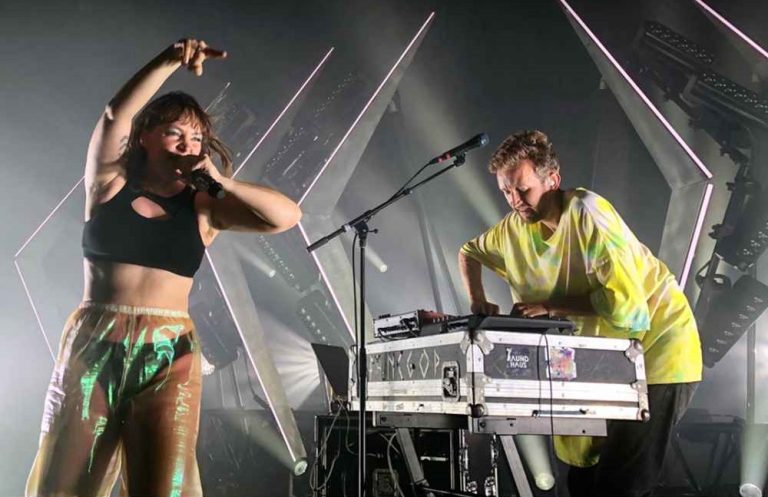
Nostalgia plays a significant role in popular culture, and Sylvan Esso’s remix of The Postal Service’s iconic track “The District Sleeps Alone Tonight” taps into this emotional power. Blending the sounds of early-2000s indie-electronic music with modern styles, this remix is a reflection of how music can bridge generations. Sylvan Esso’s reimagining of this classic tune not only revives it for older fans but introduces it to new audiences, creating a musical bridge between eras.

In this article, we explore Sylvan Esso’s remix, the emotional and cultural impact of nostalgia in music, and how this reimagined track forges connections between different generations of listeners.

Sylvan Esso Meets The Postal Service

The Postal Service, formed by Ben Gibbard and Jimmy Tamborello, shaped indie music in the early 2000s with their album Give Up. Known for its introspective lyrics and electronic production, the album became a timeless piece in the indie-electronic genre. The song “The District Sleeps Alone Tonight” captured feelings of loneliness and urban isolation, resonating with fans for years.

Sylvan Esso, known for blending folk-like vocals with electronic beats, was a natural choice to reimagine this classic. Their remix revitalizes “The District Sleeps Alone Tonight,” adding a fresh perspective to a song that shaped a generation while introducing their signature sound.

Nostalgia in Music: Emotional Connections Across Time

Nostalgia is a potent force, particularly in music, where songs can transport us back to specific moments in our lives. This emotional reaction is often driven by a sense of familiarity and comfort. Research shows that listening to nostalgic music can release dopamine, enhancing our emotional state.

For fans of The Postal Service, hearing this song again invokes memories from the early 2000s, a time dominated by artists like Death Cab for Cutie and Modest Mouse. Meanwhile, Sylvan Esso’s remix offers younger listeners a way to connect with the original song, blending modern production techniques with indie-electronic roots.

Analysis of the Remix: A Fresh Take on a Classic

Sylvan Esso’s remix shifts the original’s tempo, transforming the glitchy beats of The Postal Service into a slower, more reflective tune. The production is minimalist, replacing the layered electronic textures with soft synths and atmospheric sounds. This creates an introspective, dreamlike feel that aligns with Sylvan Esso’s intimate yet expansive style.

Vocally, Amelia Meath’s harmonies add depth to Ben Gibbard’s lyrics. Her voice complements the original without overshadowing it, allowing the song’s emotional weight to remain intact while giving it a fresh sound.

Bridging Generations: A Shared Musical Space

One of the most powerful elements of this remix is how it connects different generations of listeners. The Postal Service’s original fan base, largely composed of millennials, will appreciate the nostalgia. Meanwhile, Sylvan Esso’s younger Gen Z listeners can discover The Postal Service for the first time.

By blending these two eras, Sylvan Esso’s remix creates a shared space where fans from different age groups can unite through music. The remix also invites exploration of The Postal Service’s discography, allowing younger audiences to connect with early-2000s indie music.

Cultural Context: Remixes and Reimaginings in Today’s Music

In today’s music industry, remixes and reimagined tracks are increasingly popular. Artists frequently revisit older songs, offering fresh takes for new audiences. This trend reflects a desire for continuity between musical eras, allowing classic tracks to maintain cultural relevance.

Sylvan Esso’s remix is part of this broader movement, where older tracks are updated to reflect contemporary sounds. By doing so, they keep The Postal Service’s legacy alive, ensuring their music continues to resonate with today’s listeners.

Fan Reception: Nostalgia and Discovery

Fans of both The Postal Service and Sylvan Esso have responded positively to the remix. Older listeners have expressed how it brings back memories of discovering Give Up in the early 2000s. Younger fans are excited to dive into the original catalog of The Postal Service.

On platforms like Twitter and Reddit, fans shared emotional responses to the remix. One user commented, “Hearing ‘The District Sleeps Alone Tonight’ again brought back so many memories. It’s amazing how a song can transport you back to a specific time.”

Conclusion: The Power of Nostalgia in Music

Sylvan Esso’s remix of “The District Sleeps Alone Tonight” is more than just a reimagining of a classic. It represents how music can transcend time, connecting listeners from different generations through shared emotional experiences. By blending nostalgic elements with modern production, Sylvan Esso revitalizes the song for a new era while honoring its original legacy.

Music Industry Weekly understands that as we continue to see remixes and reimaginings in the music industry, it’s clear that some songs remain timeless, capable of bridging generational divides and creating lasting emotional connections.

10 Oasis Deep Cuts We Definitely Maybe Want on Their Reunion Setlist

0

Oasis, one of the most iconic bands of the 1990s, played a major role in shaping Britpop. While their anthems like “Wonderwall” and “Don’t Look Back in Anger” dominate the charts, it’s their deep cuts that hold a special place for many fans. These tracks, often overlooked, showcase a more introspective and experimental side of Oasis’s artistry. As rumors of an Oasis reunion grow, fans are hoping to see a setlist that balances their iconic hits with these hidden gems. In this article, we dive into 10 deep cuts that should make the setlist.

Historical Context: Oasis and the Britpop Revolution

Oasis’s debut album, Definitely Maybe (1994), became the anthem of a generation. The band led the Britpop movement, alongside Blur and Pulp, with their bold confidence and raw energy. While their major hits captured youthful rebellion, their deeper tracks tell a more nuanced story. These songs allow fans to see how Noel Gallagher’s songwriting evolved, exploring themes of vulnerability, reflection, and personal growth.

Deep Cuts Selection: 10 Tracks Worthy of a Reunion Setlist

1. “Listen Up” – (The Masterplan, 1998)

First released as a B-side on Cigarettes & Alcohol, “Listen Up” is an emotional track that deals with inner conflict and longing. The anthemic chorus and introspective lyrics make it a fan favorite, even though it never reached the mainstream. Including this song in a reunion setlist would offer something unexpected yet deeply resonant.

2. “Talk Tonight” – (The Masterplan, 1998)

Talk Tonight” highlights Noel’s vulnerability, written after a tough moment on the band’s U.S. tour. The acoustic simplicity, combined with heartfelt lyrics, has earned it a special place in the hearts of diehard fans. Its soft, reflective tone would bring a powerful contrast to Oasis’s louder anthems during a live set.

3. “Rockin’ Chair” – (The Masterplan, 1998)

With its lyrics about growing older and feeling regret, “Rockin’ Chair” reflects a more introspective side of Oasis. The raw emotion in this song offers a poignant view of time slipping away, making it a track that fans hope to hear live again.

4. “Acquiesce” – (The Masterplan, 1998)

Acquiesce” is a perfect example of the Gallagher brothers’ dynamic vocal collaboration. It speaks to brotherhood, resilience, and unity, even when things are tough. The combination of Liam and Noel’s voices has made this track a symbolic anthem among the fanbase.

5. “Half the World Away” – (The Masterplan, 1998)

Known for its laid-back vibe and introspective lyrics, “Half the World Away” became a cultural hit when it was used as the theme for The Royle Family. Its themes of escape and disillusionment resonate strongly, making it an essential deep cut for any setlist.

6. “Sad Song” – (Definitely Maybe Deluxe Edition, 1994)

Sad Song” offers a more intimate look at Oasis’s early years. This acoustic track reflects on struggle and resilience, themes that fans connect with. Its raw, stripped-down nature shows Noel’s talent for emotional songwriting, making it a standout deep cut.

7. “D’Yer Wanna Be a Spaceman?” – (Shakermaker B-side, 1994)

The whimsical track, “D’Yer Wanna Be a Spaceman?“, takes listeners back to childhood dreams and aspirations. With lighthearted acoustic melodies, it offers a glimpse of Oasis’s playful side. Despite its carefree tone, it remains a fan favorite and would add a nostalgic touch to a reunion setlist.

8. “Underneath the Sky” – (The Masterplan, 1998)

Underneath the Sky” blends psychedelic influences with a dreamy melody. Its experimental sound sets it apart from other Oasis tracks, showing the band’s willingness to push creative boundaries. Fans would love to see this ethereal track performed live.

9. “Fade Away” – (Cigarettes & Alcohol B-side, 1994)

Fade Away” channels the frustration of youth, lamenting lost dreams and fading ambitions. Its fast pace and powerful lyrics make it a quintessential Oasis deep cut, perfect for live performances that bring energy to the crowd.

10. “Let’s All Make Believe” – (Go Let It Out B-side, 2000)

Let’s All Make Believe” is a haunting track that deals with hope and disillusionment, offering a darker tone than most Oasis songs. Its atmospheric production makes it a standout in the band’s later years and an underappreciated gem that fans would love to hear live.

Cultural Significance: Oasis’s Artistic Evolution Through Deep Cuts

Oasis’s deep cuts reveal the band’s artistic growth beyond their Britpop image. Tracks like “Sad Song” and “Fade Away” reflect vulnerability and introspection, showing Noel Gallagher’s evolution as a songwriter. While their biggest hits dominate radio play, these deep cuts offer fans a more personal connection to the band’s journey.

Fan Expectations: What Fans Want from a Reunion Setlist

For longtime fans, a reunion setlist that includes these deep cuts would be a dream come true. Many of these tracks, such as “Acquiesce” and “Talk Tonight,” have become cult favorites despite not being singles. Fans who’ve followed Oasis from the beginning have grown emotionally attached to these songs, as they evoke personal memories and connections. Including them would not only satisfy hardcore fans but also offer a more nuanced experience for newer listeners.

Emotional Resonance: Nostalgia and Personal Memories

Deep cuts like “D’Yer Wanna Be a Spaceman?” evoke nostalgia for childhood dreams, while tracks like “Fade Away” speak to the disillusionment of growing up. These songs are more than just music—they carry personal memories for listeners. Fans who have grown up with Oasis find comfort in these deep cuts, which provide an emotional soundtrack to their own lives.

Conclusion: The Legacy of Oasis’s Deep Cuts

Music Industry Weekly appreciates and understands that Oasis’s deep cuts represent an essential part of its legacy. These tracks showcase a more introspective and experimental side of the band, offering a deeper emotional connection for fans. As rumors of a reunion swirl, including these hidden gems in the setlist would offer a richer experience for longtime fans while showing the band’s artistic growth. Oasis’s deep cuts are a testament to the band’s lasting influence and the profound connection they share with their audience.