The Influence of Hip-Hop on Modern Pop Music: A Cultural and Musical Evolution

0

Hip-hop has reshaped modern pop music in profound ways. It started as an underground movement in the Bronx during the 1970s. Today, it dominates the mainstream, transforming both music production and cultural influence. This article explores how hip-hop has left a lasting mark on pop, influencing production techniques, lyrical storytelling, and broader cultural trends.

Historical Context: Hip-Hop’s Journey to Mainstream Influence

Hip-hop emerged from African American and Latinx communities in New York City, combining elements like DJing, breakdancing, graffiti, and MCing. By the late 1980s, artists such as Tupac Shakur, The Notorious B.I.G., and Missy Elliott brought the genre to a global stage. This era marked the beginning of hip-hop’s widespread influence on pop culture.

By the 2000s, pop and hip-hop artists frequently collaborated, blending the two genres. Today, hip-hop production and storytelling are central to the pop music we hear on the charts.

Production Techniques: Hip-Hop’s Contribution to Pop’s Sound

Sampling: Hip-Hop’s Legacy in Pop Production

Sampling is one of the most profound ways hip-hop has shaped pop music. Early hip-hop producers used samples from funk, jazz, and soul tracks to create fresh, innovative sounds. Pop producers have since adopted this technique, blending the familiar with the new.

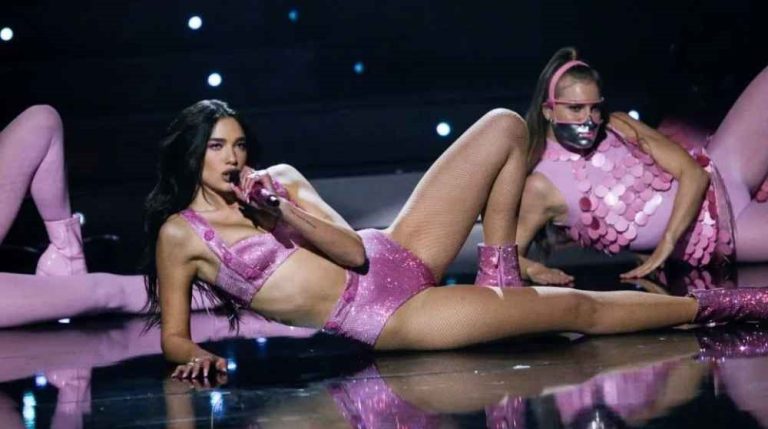
For example, Dua Lipa’s hit “Love Again” (2020) samples Al Bowlly’s 1932 track “My Woman.” This shows how hip-hop’s sampling legacy continues to shape modern pop.

Beat-Making: The Hip-Hop Blueprint in Pop Rhythms

Hip-hop’s use of drum machines, like the Roland TR-808, has transformed pop music’s sound. The deep bass and crisp snare of the 808 can be heard in many of today’s top pop hits.

Ariana Grande’s “7 Rings” and The Weeknd’s “Blinding Lights” integrate hip-hop’s rhythmic intensity, borrowing from trap music’s signature beats. This fusion creates a dynamic sound that resonates with modern listeners.

Collaboration: Bridging Genres and Expanding Soundscapes

Collaborations between pop and hip-hop artists have blurred genre lines, creating exciting, hybrid soundscapes. Jay-Z and Linkin Park’s Collision Course (2004) set the stage for today’s genre-blending hits. Modern examples include Beyoncé and Jay-Z’s The Carters and Lil Nas X’s Old Town Road, which blends trap beats with country elements.

These collaborations prove that when hip-hop meets pop, new and innovative music emerges.

Lyrical Themes: Hip-Hop’s Influence on Pop Storytelling

Authenticity and Storytelling in Pop

Hip-hop has always emphasized storytelling. Rappers like Nas and Kendrick Lamar are known for their narratives. Today, pop artists are following this tradition, moving away from generic love songs toward deeper, introspective lyrics.

Taylor Swift’s Folklore and Evermore are perfect examples. Swift has embraced narrative-style songwriting, reflecting on complex personal stories. Similarly, Billie Eilish’s music explores themes like mental health, influenced by hip-hop’s raw authenticity.

Empowerment and Identity in Pop Music

Hip-hop has long been a genre of empowerment, addressing issues of race, identity, and resilience. Songs like Tupac’s “Keep Ya Head Up” and Nicki Minaj’s “Moment 4 Life” celebrate self-confidence and strength.

Today’s pop music has embraced these messages. Dua Lipa’s “New Rules” and Ariana Grande’s “Thank U, Next” focus on female empowerment, reflecting the strong, independent themes often found in hip-hop.

Cultural Impact: Hip-Hop’s Reach Beyond Music

Hip-hop’s influence extends beyond sound and lyrics. It has shaped fashion, dance, and even social media trends. Streetwear brands like Supreme and Off-White owe much of their popularity to hip-hop culture. Kanye West and Pharrell Williams have become icons in both music and fashion, blending the two worlds seamlessly.

TikTok and Instagram amplify this influence. Viral dance challenges, many inspired by hip-hop choreography, dominate these platforms, linking music and fashion in exciting new ways.

Case Studies: Songs That Exemplify Hip-Hop’s Influence on Pop

Lil Nas X’s “Old Town Road”

“Old Town Road” is a perfect example of how hip-hop blurs genre lines. The track, which combines country with trap beats, sparked conversations about genre classification. Its viral success on TikTok highlights the power of digital platforms in shaping modern pop.

Ariana Grande’s “7 Rings”

Ariana Grande’s “7 Rings” showcases how pop adopts hip-hop production techniques and themes. The song’s trap-inspired beat and lyrics about material wealth reflect hip-hop’s influence, showing how the two genres merge effortlessly.

Future Trends: The Blurring Lines Between Hip-Hop and Pop

As hip-hop and pop continue to merge, the future of music looks increasingly genre-fluid. Artists like Doja Cat and Roddy Ricch exemplify this trend, blending pop hooks with hip-hop beats. Additionally, emerging technologies like AI-generated music could further blur genre boundaries, creating new soundscapes that push both genres forward.

Conclusion: The Enduring Relationship Between Hip-Hop and Pop Music

Music Industry Weekly acknowledges hip-hop’s influence on modern pop music is undeniable. From production techniques to storytelling, hip-hop continues to shape pop music in meaningful ways. As the two genres continue to intersect, their relationship will remain central to the evolution of contemporary music. Hip-hop’s ability to push boundaries, challenge norms, and inspire creativity ensures its lasting impact on pop culture.
The Intersection of Music and Fashion: How Artists Shape Trends and Redefine Style

0

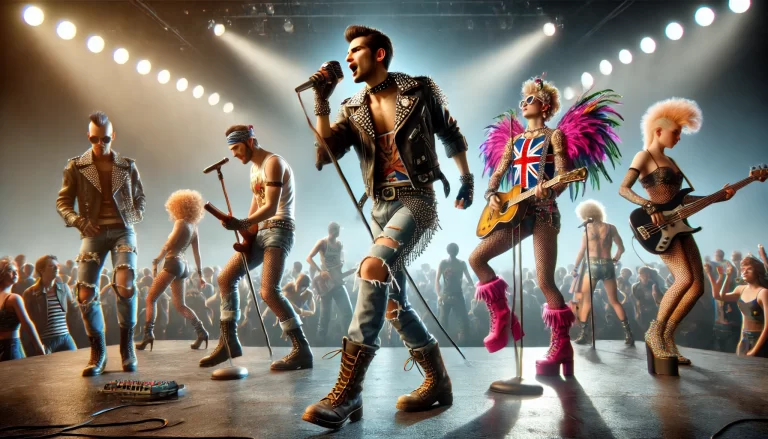
Music and fashion have always shared a symbiotic relationship, where one often influences and inspires the other. From the rebellious looks of punk rock to the flamboyant glamour of glam rock, the connection between music and fashion transcends mere aesthetics—it is a reflection of cultural identity, movements, and social values. In today’s world, this intersection continues to evolve, with artists not only shaping trends but also collaborating with fashion designers to create iconic moments that influence industries and audiences alike. This article delves into the historical context of music and fashion’s relationship, contemporary trends, significant collaborations, and the future of this powerful cultural interplay.

Historical Context: Music and Fashion Through the Decades

The relationship between music and fashion dates back decades, with pivotal moments illustrating how these two industries have continuously shaped each other. In the 1970s, the punk movement, exemplified by The Sex Pistols, birthed an anti-establishment aesthetic, characterized by torn clothing, safety pins, and leather. Vivienne Westwood became a central figure, translating punk’s rebellious energy into enduring fashion statements. Similarly, glam rock, led by icons like David Bowie, introduced androgynous, glittering styles that challenged gender norms, pushing mainstream fashion boundaries.

Hip-hop, which emerged in the late 1970s and 1980s, also carried a distinct fashion identity. Oversized clothing, gold chains, and sneakers became synonymous with the genre, and artists like Run-DMC helped cement brands like Adidas into the fabric of street culture. These historical movements reveal how music serves as more than entertainment—it’s a cultural force driving sartorial change.

Current Trends: Artists as Fashion Icons

Today, artists like Billie Eilish, Harry Styles, and Lil Nas X are reshaping the fashion landscape by defying traditional norms and promoting self-expression. Billie Eilish, for instance, uses oversized clothing to reject societal pressures surrounding body image, becoming an icon of body autonomy. Her collaboration with Gucci reflects a shared commitment to gender-neutral fashion, aligning with modern social movements.

Harry Styles has blurred gender boundaries, donning everything from floral suits to sheer blouses. His Vogue cover in a dress sparked critical conversations about gender-fluid fashion, positioning Styles as a champion of individuality and non-binary aesthetics in mainstream fashion.

Meanwhile, Lil Nas X has become synonymous with flamboyant self-expression. From his “Satan Shoes” collaboration with MSCHF to his bold music videos, Lil Nas X pushes boundaries, using fashion to challenge societal expectations around sexuality and identity.

Fashion Collaborations: When Music Meets Design

The synergy between music and fashion is perhaps best exemplified by high-profile artist-designer collaborations. Travis Scott’s partnership with Nike has created some of the most sought-after sneaker releases, blending the worlds of street culture, music, and fashion. His limited-edition Air Jordans transcend the boundaries of typical endorsements, becoming cultural symbols in their own right.

Billie Eilish’s collaboration with Gucci, which features oversized silhouettes and neon accents, also embodies this relationship. Her distinctive look not only reflects her style but signals a shared cultural ethos with the designer—one that champions sustainability and inclusivity.

Cultural Movements: Music Genres Shaping Fashion

Each music genre leaves a distinct mark on fashion trends. Hip-hop, which has been instrumental in shaping streetwear culture, continues to dominate fashion through influential figures like Kanye West and his Yeezy brand. The blending of streetwear with high fashion, as seen with Virgil Abloh’s work at Louis Vuitton, demonstrates the deep cultural impact hip-hop has had on global fashion.

Western-inspired fashion, meanwhile, has enjoyed a resurgence thanks to artists like Kacey Musgraves and Lil Nas X. Cowboy boots, fringed jackets, and traditional Americana aesthetics have been reinvigorated, blending the timelessness of country fashion with modern, pop-driven sensibilities.

Social Media Influence: Amplifying the Music-Fashion Connection

Social media platforms like Instagram and TikTok have accelerated the connection between music and fashion, allowing artists to influence style trends in real time. TikTok, in particular, has played a crucial role in driving music-driven fashion challenges, often resulting in the mass adoption of new looks. On the other hand, Instagram offers a direct channel for artists like Rihanna, whose Fenty line reflects her blend of music, fashion, and entrepreneurship.

The emotional connection between fans and artists is amplified by these platforms, where fans often emulate the fashion choices of their idols, further embedding the music-fashion nexus into everyday culture.

Audience Reception: Emotional Connection and Fashion Influence

The emotional bond between fans and their favorite artists deepens when fashion becomes part of the conversation. Artists like Billie Eilish and Harry Styles offer fans a unique opportunity to express their individuality through style, making fashion an integral part of their brand identity. Fans often replicate their idols’ looks, a phenomenon that drives consumer behavior and establishes fashion as an extension of artistic expression.

Billie Eilish’s oversized, androgynous style has inspired young fans to reject conventional beauty standards. Likewise, Harry Styles’ gender-fluid fashion choices resonate with fans who see his boldness as a beacon of authenticity, inspiring them to embrace their unique styles.

The Future of Music and Fashion

As technology continues to evolve, so too will the intersection of music and fashion. Virtual reality (VR) and augmented reality (AR) may revolutionize how fans experience fashion, with artists offering virtual fashion shows or digitally augmented outfits. Platforms like Fortnite and Roblox have already experimented with virtual concerts, and these immersive experiences could redefine the music-fashion dynamic in the digital age.

Sustainability will also play a crucial role in future collaborations. As consumers demand eco-conscious products, artists and fashion houses may shift toward more sustainable practices, blending music, culture, and environmental advocacy.

Conclusion: The Ever-Evolving Relationship Between Music and Fashion

Music Industry Weekly acknowledges that the intersection of music and fashion is a dynamic relationship that shapes contemporary culture. From the rebellious roots of punk to today’s trailblazing artists like Billie Eilish, Harry Styles, and Lil Nas X, music continues to influence how we dress and express ourselves. As artists push boundaries and redefine style, they reflect larger cultural conversations about identity, gender, and individuality. As technology and sustainability drive future innovations, the bond between music and fashion will continue to evolve, playing a vital role in shaping the future of culture.

11 Albums You Should Listen to Now

0

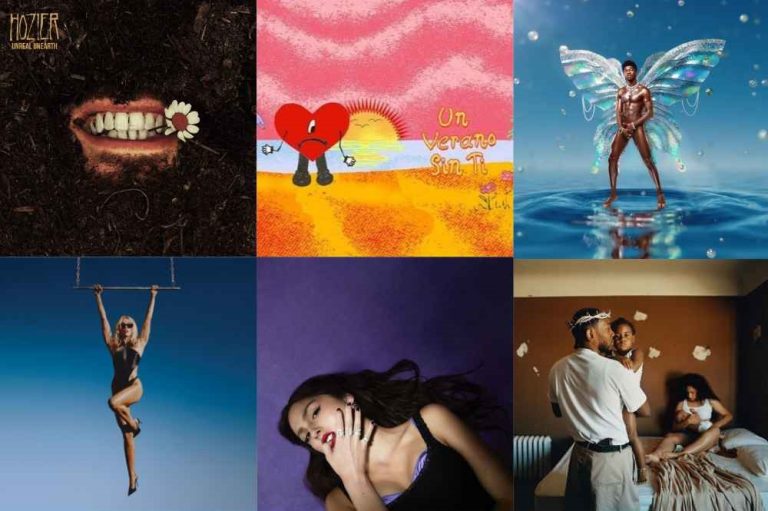
In 2024, the music industry is witnessing a wave of albums that reflect the evolving landscape of societal issues. These groundbreaking releases confront personal experiences, challenge societal norms, and inspire cultural conversations. This article curates 11 albums from influential artists, examining how they engage with themes such as identity, mental health, empowerment, and social justice. Each album offers a unique artistic response to contemporary challenges, revealing the power of music to act as both a mirror to and a catalyst for cultural change.

1. Miley Cyrus – Endless Summer Vacation

Themes: Personal Empowerment, Relationships, Female Identity
Miley Cyrus explores personal empowerment and female identity in Endless Summer Vacation. With tracks like “Flowers,” which highlights self-reliance and independence after heartbreak, Miley reclaims her narrative, challenging traditional expectations of female pop stars. Her work contributes to ongoing conversations about gender equity, echoing movements like #MeToo by empowering women to own their stories and autonomy.

2. SZA – S.O.S. (Deluxe)

Themes: Mental Health, Self-Identity
S.O.S. (Deluxe) by SZA delves deeply into mental health and self-identity. Tracks like “Kill Bill” offer raw vulnerability, giving listeners an unfiltered look at her emotional turmoil. In a time where mental health is a major societal issue, SZA’s music becomes a reflection of the broader cultural conversation surrounding mental health and self-care, helping listeners confront their emotions head-on.

3. Lil Nas X – Montero (Deluxe)

Themes: Sexuality, Identity, Representation
Lil Nas X continues to push boundaries with Montero (Deluxe), celebrating queer identity in tracks like “Montero (Call Me by Your Name).” His bold lyrics and visuals spark critical discussions about LGBTQ+ representation, challenging traditional perceptions of masculinity. His unapologetic approach aligns with broader cultural movements advocating for equality and representation in mainstream media.

4. Taylor Swift – Midnights (3 am Edition)

Themes: Celebrity Culture, Personal Expression
Taylor Swift’s Midnights (3 am Edition) offers an introspective take on celebrity culture and personal identity. With songs like “Anti-Hero,” Swift critiques her public image while exploring self-doubt. Her work sparks discussions about the pressure placed on public figures to reveal their personal lives, raising important questions about the intersection of celebrity and artistic expression.

5. Billie Eilish – Happier Than Ever

Themes: Fame, Mental Health, Pressure on Young Artists
Billie Eilish’s Happier Than Ever explores the complexities of growing up in the public eye and the mental health pressures that come with fame. Through tracks like “NDA” and the title song, Eilish candidly discusses feelings of isolation, anxiety, and the overwhelming weight of expectations. Her introspective lyrics and atmospheric production create a moody, reflective space, offering listeners a raw glimpse into her inner world.

6. Bad Bunny – Un Verano Sin Ti (Extended)

Themes: Cultural Identity, Globalization of Latin Music
Bad Bunny’s Un Verano Sin Ti (Extended) celebrates Puerto Rican roots while tackling broader issues like cultural representation. Tracks like “Titi Me Preguntó” confront gentrification and the erasure of Latinx culture. The album’s global success highlights the growing influence of Latin music and pushes conversations about cultural ownership and representation in the music industry.

7. Hozier – Unreal Unearth

Themes: Activism, Social Justice, Environmental Awareness
Hozier’s Unreal Unearth is a socially conscious record that addresses activism, environmentalism, and political unrest. Tracks like “Eat Your Young” call attention to climate change, urging listeners to reflect on their role in global issues. Hozier’s blend of soulful melodies with social commentary positions him as a powerful voice for activism in music.

8. Kendrick Lamar – Mr. Morale & The Big Steppers (Expanded Edition)

Themes: Race, Trauma, Healing
Kendrick Lamar’s expanded edition of Mr. Morale & The Big Steppers tackles race, trauma, and healing, continuing his tradition of profound social commentary. Tracks like “Mother I Sober” delve into generational trauma and systemic oppression, making Lamar one of the most important voices in hip-hop’s ongoing role as a tool for social change.

9. Dua Lipa – Future Nostalgia (The Moonlight Edition)

Themes: Nostalgia, Escapism, Emotional Connection
Dua Lipa’s Future Nostalgia (The Moonlight Edition) uses nostalgic rhythms and ’80s dance influences to offer a reprieve from modern life. By blending retro sounds with contemporary production, Lipa taps into listeners’ emotions, providing comfort and excitement. The album’s throwback production underscores the growing trend of nostalgia in music as a tool for emotional connection and escapism.

10. Olivia Rodrigo – GUTS

Themes: Youth, Authenticity, Heartbreak
In GUTS, Olivia Rodrigo examines the turbulence of youth and the emotional complexities of fame. Tracks like “Vampire” delve into themes of heartbreak and self-discovery, offering an unfiltered portrayal of young adulthood. Rodrigo’s approach speaks to a generation searching for authenticity and honesty in a world that demands conformity.

11. The Weeknd – Dawn FM (After Hours Til Dawn)

Themes: Genre Blending, Evolution of Sound
Dawn FM (After Hours Til Dawn) sees The Weeknd pushing the boundaries of genre, blending synth-pop, R&B, and electronic music. The album’s exploration of time and mortality offers a futuristic yet nostalgic perspective on contemporary pop, reflecting broader industry trends where genre lines are increasingly blurred.

Conclusion: Challenging Narratives and Pushing Boundaries

Music Industry Weekly understands that each of these 11 albums reflects the cultural movements shaping 2024, addressing themes like mental health, identity, social justice, and empowerment. Through their music, these artists challenge traditional narratives, push genre boundaries, and engage with societal issues, offering listeners not only entertainment but also a deeper connection to the cultural conversations of the moment. In a year where music continues to act as a mirror to the world, these albums remind us of the enduring power of music to inspire change and provoke thought.

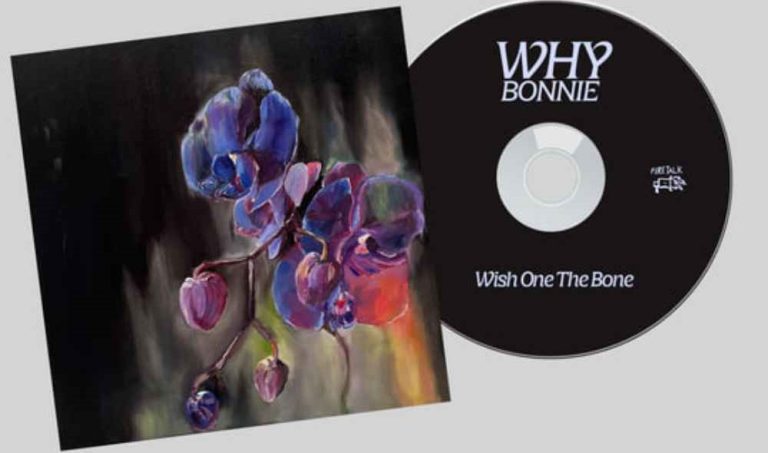
Why Bonnie Breaks Down New Album Wish on the Bone Track by Track

0

Bonnie’s latest album, Wish on the Bone, represents a pivotal moment in her discography, marking a profound journey of personal growth, resilience, and self-discovery. Known for her emotional depth and introspective lyrics, Bonnie dives deeper into these themes, offering a narrative of overcoming adversity and embracing transformation. This track-by-track breakdown explores how Bonnie uses lyrics, composition, and emotional tone to convey themes that resonate with listeners, making Wish on the Bone a true testament to human endurance and emotional healing.

1. “Paper Thin Armor”

Lyrical Analysis:
The album opens with “Paper Thin Armor”, a raw exploration of vulnerability hidden behind emotional defenses. Bonnie sings, “I built my walls high, but they crumble in the night,” symbolizing the fragile nature of protective emotional barriers. The lyrics suggest that personal growth starts with allowing oneself to be vulnerable, accepting the cracks in our armor.

Musical Composition:
Soft acoustic guitar and minimalistic percussion create a delicate atmosphere, enhancing the lyrical theme of fragility. The stripped-back production mirrors the emotional vulnerability Bonnie expresses, drawing listeners into the core message of the song.

Emotional Resonance:
Listeners have embraced “Paper Thin Armor” as an anthem of emotional honesty, finding solace in the song’s message that healing comes from accepting, rather than hiding, one’s wounds.

Cultural Context:
In today’s conversations around mental health and emotional authenticity, this track reflects broader societal values of openness and the importance of mental resilience.

2. “Whispering Waters”

Lyrical Analysis:
Bonnie’s “Whispering Waters” uses water as a metaphor for life’s unpredictability and the resilience found in surrendering to it. “I’ll drift where the currents take me,” she sings, illustrating the acceptance of life’s challenges without resistance. The lyrics encourage adaptability and a calm, meditative response to life’s uncertainties.

Musical Composition:
Fluid, echoing guitar tones mimic the sound of flowing water, while subtle electronic elements add a modern touch. The ebb and flow of the music reinforce the track’s theme of going with life’s currents.

Emotional Resonance:
Fans describe “Whispering Waters” as a calming, meditative track that offers peace amid uncertainty. Its message of resilience through surrender resonates with those seeking solace in life’s unpredictability.

Cultural Context:
Amid a world filled with anxiety and constant change, “Whispering Waters” speaks to the collective desire for peace and adaptability in the face of life’s challenges.

3. “Wish on the Bone”

Lyrical Analysis:
The title track captures the essence of the album’s overarching themes: transformation through hardship and the power of resilience. With lyrics like, “I held the wishbone tight, and it snapped in my hand, but I won’t let it break me,” Bonnie embodies the emotional duality of hope and disappointment, emphasizing the choice to rebuild after setbacks.

Musical Composition:
Folk-inspired melodies combine with haunting string arrangements to evoke both melancholy and determination. The strings’ tension and release reflect the emotional push and pull of the song’s themes.

Emotional Resonance:
“Wish on the Bone” has struck a deep chord with listeners, particularly those who have experienced personal setbacks. The song’s imagery of broken wishbones speaks to the shared human experience of disappointment and resilience.

Cultural Context:
The track aligns with broader conversations about resilience in the face of adversity, particularly as society navigates post-pandemic uncertainties.

4. “Flickering Light”

Lyrical Analysis:
Bonnie’s “Flickering Light” explores moments of doubt and perseverance. She sings, “In the dark, I follow the flickering light, it fades but never dies,” symbolizing the persistence needed to maintain hope during challenging times.

Musical Composition:
Ethereal synths and reverb-heavy guitar create a dreamlike atmosphere, while steady percussion mirrors the flickering light metaphor. The track balances between hope and uncertainty, capturing the essence of holding on to faith.

Emotional Resonance:
Listeners connect deeply with the song’s message of quiet determination, finding comfort in the assurance that even in dark times, a flicker of hope remains.

Cultural Context:
The theme of perseverance in “Flickering Light” speaks to a growing cultural emphasis on mental resilience, particularly in the wake of long-term global challenges like the pandemic.

5. “Roots and Wings”

Lyrical Analysis:
“Roots and Wings” presents a metaphor for balancing stability and growth. “My roots keep me steady, my wings let me fly,” Bonnie sings, reflecting the tension between remaining grounded in one’s identity while embracing change and new opportunities.

Musical Composition:
A bright piano melody and uplifting strings create a sense of optimism. The rhythmic shifts between grounded sections and soaring parts mirror the balance between stability and freedom.

Emotional Resonance:
This track resonates with listeners experiencing personal transitions, whether in career, relationships, or emotional growth, making it a favorite for those seeking balance in their lives.

Cultural Context:
The song’s focus on identity and growth reflects larger societal conversations around empowerment and self-discovery, particularly in marginalized communities reclaiming their heritage while pursuing new opportunities.

6. “Scarred Hands”

Lyrical Analysis:
Bonnie uses “Scarred Hands” as a metaphor for the emotional scars left by personal growth and hardship. “These hands have built and broken, but they keep on mending,” she sings, highlighting the resilience needed to heal after trauma.

Musical Composition:
Raw acoustic instrumentation and intimate vocals emphasize the authenticity of Bonnie’s message. The sparse production allows the emotional weight of the lyrics to shine through.

Emotional Resonance:
Listeners have embraced “Scarred Hands” as a healing anthem, finding strength in Bonnie’s portrayal of recovery as a process that leaves scars but also leads to resilience.

Cultural Context:
The song’s theme of embracing scars as symbols of strength aligns with the mental health movement’s message that visible or emotional scars represent survival and resilience.

7. “Rise Up Slowly”

Lyrical Analysis:
“Rise Up Slowly” serves as a reflective anthem for gradual self-recovery. Bonnie’s lyrics, “I’ll rise up slowly, no need to rush my flight,” emphasize patience and self-compassion during personal growth.

Musical Composition:
The song’s arrangement builds gradually, mirroring the theme of rising up at one’s own pace. A slow crescendo of instruments culminates in a lush, uplifting sound, reinforcing the message of growth.

Emotional Resonance:
Fans have praised “Rise Up Slowly” for its message of acceptance and patience, finding peace in its gentle reminder that growth is not a race.

Cultural Context:
The track’s critique of societal pressure to achieve fast success aligns with movements advocating for mindfulness and sustainable personal progress.

Conclusion: Why Bonnie’s Journey of Growth and Resilience

Music Industry Weekly appreciates that Wish on the Bone isn’t just an album—it’s a narrative of personal growth and resilience that deeply resonates with listeners facing their own struggles. By examining each track, it’s clear that Bonnie has created a body of work that connects intimately with the human experience of adversity and transformation. With themes of mental health, empowerment, and self-acceptance, Wish on the Bone places Bonnie at the forefront of today’s music landscape, inspiring personal and collective healing.In an industry where authenticity and emotional depth are increasingly valued, Wish on the Bone reminds us of the power of music to provide both comfort and motivation, serving as a soundtrack for growth, resilience, and self-discovery.

Dua Lipa’s Nostalgia-Driven Rhythms: How Retro Sounds Fuel Her Chart-Topping Success

0

Dua Lipa has solidified her position as one of the top pop artists of recent years, with chart-topping hits that seamlessly blend modern production and nostalgic rhythms from past decades. By drawing inspiration from the sounds of the ’70s, ’80s, and ’90s, she taps into listeners’ emotions, creating a sense of familiarity that resonates with a broad audience. This article delves into how Dua Lipa’s use of nostalgia-driven rhythms contributes to her widespread appeal and helps her dominate the pop music landscape.

The Power of Nostalgic Rhythms in Modern Pop

Nostalgia is a powerful emotional trigger, especially in music. For listeners, hearing sounds that evoke memories of past decades fosters a sense of comfort, escapism, and connection. In today’s pop music, nostalgic rhythms are being widely used to bridge the gap between past and present, and Dua Lipa is a master at this technique.

Her 2020 album Future Nostalgia is a perfect example of how she combines retro dance elements with cutting-edge production. The album takes cues from ’70s funk, ’80s electro-pop, and ’90s dance tracks, creating a sound that is both familiar and fresh. From the disco beats of “Don’t Start Now” to the synth-heavy lines of “Levitating,” Lipa’s ability to evoke the past while staying relevant to contemporary listeners is key to her chart-topping success.

Rhythmic Choices and Emotional Resonance

One of Dua Lipa’s strengths lies in her use of rhythms that mirror the danceable grooves of past decades, particularly from the ’70s and ’80s disco era. Songs like “Don’t Start Now” and “Levitating” feature the syncopated basslines and four-on-the-floor beats that are reminiscent of classic dance music, creating an irresistible pull for listeners.

  • Don’t Start Now” features an upbeat rhythm similar to iconic disco tracks. The syncopated bassline and infectious groove tap into the feel-good energy of the ’70s, making the song a modern anthem for the dance floor.
  • Levitating” brings in glittering synths and a rhythmic bounce reminiscent of ’80s electro-pop. By incorporating retro elements into these tracks, Lipa manages to create songs that feel familiar while maintaining a fresh, innovative sound.

These rhythmic choices not only make her songs danceable but also evoke a sense of nostalgia, connecting listeners to the eras that influenced her music.

The Cultural Appeal of Nostalgia in Music

Nostalgia is not just a personal experience; it’s a cultural phenomenon. In times of uncertainty—whether due to political unrest, a global pandemic, or personal challenges—listeners often seek comfort in familiar sounds. Dua Lipa’s nostalgic rhythms offer a musical escape to a more carefree past, when disco dominated dance floors and pop music had a distinct synth-driven edge.

As music industry expert [Name] explains, “Nostalgia in music allows listeners to tap into a time that feels simpler and more joyful. Dua Lipa’s retro-inspired sounds offer an emotional refuge, making her songs resonate with both older generations who lived through those eras and younger listeners discovering them for the first time.”

Her music reflects the broader cultural longing for connection and unity, especially in challenging times. Songs like “Don’t Start Now” and “Levitating” speak to this collective desire for escapism, blending the joy and vibrancy of the disco era with the polished production of today’s pop scene.

Nostalgia as a Key to Chart Success

Dua Lipa’s success can be largely attributed to her skillful use of nostalgic rhythms, which have resonated with a wide demographic of listeners. Fans of all ages are drawn to the familiar sounds of her music, making it more likely to be streamed, shared, and playlisted on platforms like Spotify and Apple Music.

In addition to her artistic choices, streaming algorithms favor songs with familiar chord progressions and beats. This familiarity increases engagement rates, making songs more likely to be promoted by algorithms and played repeatedly by listeners. Dua Lipa’s retro-driven production taps into these algorithms, further cementing her tracks on the charts.

Her ability to align with the broader trend of retro revival in pop music, seen in artists like The Weeknd and Bruno Mars, keeps her music relevant in an ever-evolving industry. By capitalizing on the resurgence of disco and ’80s pop, Lipa has managed to carve out a distinct space for herself, standing at the forefront of modern pop with her unique blend of nostalgia and innovation.

Expert Insights on Dua Lipa’s Nostalgia-Driven Rhythm’s Appeal

According to [Music Industry Analyst Name], “Dua Lipa has managed to master the art of combining nostalgia with modern production techniques. Her music evokes memories of past decades while feeling completely fresh and relevant to today’s audience.”

Fans agree, with many pointing out that Lipa’s music connects them to multiple generations of pop. As one listener puts it, “It feels like a mix of what my parents listened to and the pop music I love today. There’s something about it that’s both comforting and exciting.”

The Future of Nostalgic Rhythms in Pop Music

As nostalgia continues to play a central role in contemporary pop music, Dua Lipa’s approach will likely serve as a blueprint for future artists. The key to her success lies in striking the perfect balance between familiar rhythms and innovative production, ensuring that her music appeals to a broad audience while remaining fresh and forward-thinking.

Lipa’s ability to evoke the past while maintaining a modern edge ensures her continued relevance in the pop world. As she looks to the future, nostalgic rhythms will likely remain a key element of her sound, keeping her at the top of the charts and inspiring a new wave of artists.

Conclusion: Nostalgia as the Key to Dua Lipa’s Success

Music Industry Weekly acknowledges that Dua Lipa’s use of nostalgic rhythms has been instrumental in her rise to the top of the charts, offering listeners a blend of familiar sounds and modern production that evokes deep emotional responses. By drawing from the musical traditions of the ’70s, ’80s, and ’90s, she taps into a rich cultural memory, providing her audience with both comfort and excitement. As pop music continues to evolve, her mastery of nostalgia-driven rhythms will likely remain a defining element of her enduring appeal, shaping the future of pop music.

Response Songs in Music History: Emotional Impact, Ethical Considerations, and Artistic Dialogue

0

1. Notable Response Songs and Their Chart Success

  • No Pigeons by Sporty Thievz (Response to TLC’s No Scrubs)
    • After No Scrubs became a feminist anthem in the late ’90s, No Pigeons responded from a male perspective. While No Scrubs topped the charts and won multiple Grammy Awards, No Pigeons reached number 12 on the Billboard Hot 100, highlighting the power of response tracks to spark cultural debates between artists and fans alike.
    • Emotional Impact: TLC’s song set the stage for self-respect and rejecting unhealthy relationships, while Sporty Thievz provided a satirical male rebuttal. The back-and-forth between these two tracks became a snapshot of late ’90s gender dynamics.
  • Live Forever by Oasis (Response to Nirvana’s I Hate Myself and Want to Die)
    • In response to Kurt Cobain’s dark introspection, Noel Gallagher wrote Live Forever as a celebration of resilience and optimism. Released in 1994, it became a top 10 hit in the UK, symbolizing the dichotomy between nihilism in grunge music and the Britpop optimism of Oasis.
    • Emotional Impact: The emotional clash between these two songs—despair versus a zest for life—reflected broader musical and cultural movements during the ’90s.
  • Sweet Home Alabama by Lynyrd Skynyrd (Response to Neil Young’s Southern Man)
    • Skynyrd’s Southern rock anthem was a direct response to Neil Young’s critique of the South. The song not only charted successfully but became an enduring cultural staple, sparking discussions about regional identity and racial politics.
    • Emotional Impact: By responding to Young’s sharp critique, Lynyrd Skynyrd created a song that became emblematic of Southern pride, solidifying its place in rock history.

2. Emotional Motivation: The Drive Behind Response Songs

The emotional intensity behind these songs plays a crucial role in their lasting appeal. Artists often write response songs as a way to process personal struggles, confront societal expectations, or shift the narrative around a shared experience.

  • Miley Cyrus’ Flowers: Written in response to the regret expressed in Bruno Mars’ When I Was Your Man, Flowers flips the narrative, focusing on self-love and empowerment rather than longing and remorse.
  • Oasis’ Live Forever: Noel Gallagher’s motivation was clear—he wanted to contrast Cobain’s darker message with one of hope and vitality, making a statement about perseverance in the face of despair.

3. Ethical and Intellectual Property Considerations

When creating response songs, artists must navigate the fine line between creative homage and potential intellectual property issues. While most response songs engage with the emotional themes of the original, they do not directly copy lyrics or melody, adhering to the principle of fair use.

  • Fair Use and Legal Concerns: Artists like Miley Cyrus and Oasis managed to maintain their creative freedom while building on the thematic framework laid out by Bruno Mars and Kurt Cobain, respectively. Ethically, these artists respected the integrity of the original works by contributing their unique perspectives, rather than engaging in direct plagiarism.

4. Technicalities to Consider in Response Songs

In releasing response songs, artists need to consider several technical aspects:

  • Licensing and Attribution: If a response song heavily incorporates parts of the original work, artists must ensure proper licensing. However, in most cases—such as Flowers—the response song creates a new narrative that builds on the theme rather than mimicking the composition.
  • Cultural Reception and Context: Timing plays a pivotal role. A well-timed response, such as Miley’s release of Flowers amid public discussions of her past relationships, can amplify the song’s impact and resonate more deeply with audiences.

Conclusion: Celebrating Artistic Inspiration and Dialogue

At Music Industry Weekly, we applaud the ability of artists to engage in creative dialogues through response songs. These tracks not only highlight the interconnectedness of the music world but also allow artists to explore new emotional landscapes and reinterpret familiar narratives. In doing so, they foster a cultural exchange that continues to push the boundaries of artistic expression. As we see in the examples of Flowers, Live Forever, and Sweet Home Alabama, the conversation between artists transcends individual songs, creating a lasting legacy. These musical dialogues encourage listeners to engage with both sides of the narrative, fostering a deeper understanding of the emotional and cultural forces at play in each track.

Desert Daze 2024 Cancelled Due to ‘Rising Production Costs’: A Look at the Financial Challenges Facing Music Festivals

0

The cancellation of Desert Daze 2024 due to rising production costs has sent shockwaves through the music festival community. This decision points to broader financial challenges that are affecting live music events across the globe. As inflation, labor shortages, and higher demand for immersive experiences push costs higher, festival organizers are facing tough decisions about the future of their events. Using the Desert Daze cancellation as a case study, this article explores the financial challenges facing music festivals and how the industry might adapt to survive in this increasingly tough landscape.

The Factors Behind Rising Production Costs

In recent years, the costs associated with organizing large-scale music festivals have risen dramatically. Inflation has touched nearly every aspect of production, from the cost of materials needed to build stages and facilities to the price of transportation for artists and equipment. Additionally, labor shortages have made it difficult to find experienced staff, driving wages higher and pushing up operational costs even further.

The organizers of Desert Daze 2024 cited these rising costs as the primary reason for the festival’s cancellation. In a statement, they described the “increasingly difficult financial environment” in which festivals must operate. Maintaining the high production value that audiences have come to expect has become unsustainable under these financial pressures.

Furthermore, attendee expectations have risen, driving up production costs. Today’s festivalgoers demand unique, immersive experiences, pushing organizers to invest in elaborate sound systems, lighting, art installations, and interactive environments. While these elements are crucial for the signature feel of festivals like Desert Daze, they are significant contributors to the overall costs.

According to [Name], a music industry consultant, “The combination of inflation and rising expectations for production value means that festivals are operating on much tighter margins. Every aspect of a festival—from artist fees to logistics—is more expensive now, and many organizers are struggling to keep up.”

Impact on Organizers, Artists, and Attendees

These financial pressures affect not only festival organizers but also artists and attendees. Organizers are forced to make tough decisions, often cutting smaller or emerging acts from the lineup in favor of big-name headliners who can sell more tickets. This reduces opportunities for up-and-coming artists to reach new audiences, limiting their exposure.

Attendees are also feeling the effects. With rising production costs, ticket prices have increased, making festivals less accessible. Some festivals have also had to cut back on amenities like shuttle services, camping options, or VIP perks, which further diminishes the overall experience for attendees.

The cancellation of Desert Daze 2024 has a ripple effect on local economies. Festivals like Desert Daze drive tourism, create jobs, and boost revenue for nearby businesses. The absence of such events can leave local hotels, restaurants, and vendors without the income they rely on during the festival season.

The Future of Music Festivals: Potential Solutions

The challenges facing music festivals like Desert Daze raise important questions about the future of live music events. Can festivals continue to thrive despite rising costs, or will more cancellations follow? To survive, organizers may need to embrace innovative solutions and explore new business models.

One potential solution is alternative funding models, such as offering tiered ticket pricing or creating VIP experiences that cater to higher-spending attendees. Corporate partnerships and sponsorships can also help offset rising costs, but it is essential to balance commercial involvement with the festival’s cultural identity.

Technology also offers opportunities for reducing costs while enhancing the festival experience. Virtual and hybrid festivals—which became popular during the COVID-19 pandemic—can help reach wider audiences without the expenses associated with in-person events. Streaming performances, offering exclusive content through apps, or incorporating augmented reality (AR) into the festival experience are innovative ways to maintain engagement while managing costs.

Smaller, more niche festivals may find success by scaling back production and focusing on local talent or specific genres. These “boutique” festivals can deliver intimate, community-driven experiences that contrast with mega-festivals, offering a unique and valuable alternative for attendees seeking deeper connections with artists and the festival community.

Expert Insights: The Path Forward for Festivals

Industry experts and festival organizers agree that collaboration and innovation will be critical to overcoming these financial challenges. [Name], a seasoned festival organizer, believes that collaboration between festivals and artists will be key to survival. “Festivals are a vital part of the music ecosystem,” they explain. “But we need to rethink how we approach production costs and artist fees. Artists and organizers must work together to create sustainable models that benefit everyone.”

Artists are also feeling the impact of these rising costs. [Artist Name], an indie musician who has performed at Desert Daze in the past, notes, “Festivals are one of the best ways for artists to connect with new fans, but we’re seeing fewer opportunities as smaller festivals struggle to survive. This trend is especially worrying for artists who rely on these slots to grow their audience.”

Despite these challenges, music festivals remain essential cultural hubs that celebrate creativity, diversity, and community. For many attendees, festivals like Desert Daze offer a sense of belonging and a chance to connect through shared musical experiences. This cultural importance suggests that festivals will continue to evolve, even as they face financial constraints.

Conclusion: A Changing Landscape for Live Music Events

Music Industry Weekly understands that the cancellation of Desert Daze 2024 highlights the growing financial challenges facing music festivals. Rising production costs, labor shortages, and inflation have placed immense pressure on festival organizers. As the industry navigates these difficulties, festivals will need to explore innovative funding strategies, adopt new technologies, and find ways to deliver high-quality experiences without compromising financial sustainability.While the landscape is changing, the cultural significance of music festivals ensures that they will continue to play an essential role in both the music industry and local economies. With the right strategies in place, festivals can adapt to the new financial reality and thrive in a rapidly evolving industry.

How Global Events Influence Music Trends: A Reflection of Societal Shifts

0

Music has long served as both a mirror and a megaphone for society, reflecting the most significant global events while amplifying emotions that are difficult to articulate. Whether during times of social unrest, political upheaval, or global crises, artists use their craft to capture the collective mood, inspire change, and offer solace. As we navigate an increasingly interconnected and turbulent world, the connection between global events and music trends has only grown stronger. This article explores how major global events shape music trends and how artists respond through their lyrics, genres, and overall artistic expression.

Political Movements and Social Unrest: Music as a Form of Protest

Music has always been a vehicle for political expression, giving voice to the marginalized and raising awareness about social injustice. Global events such as civil rights movements and protests have sparked some of history’s most powerful protest songs, creating cultural moments that resonate for decades.

The Black Lives Matter (BLM) movement, which gained global attention following the murder of George Floyd in 2020, ignited a wave of protest music that reflected the urgency and emotion of the moment. Tracks like J. Cole’s “Snow on Tha Bluff” and H.E.R.’s “I Can’t Breathe” captured the anger, grief, and demand for justice that swept across the world. These songs didn’t just express frustration with systemic racism; they elevated the BLM movement, bringing its message into mainstream consciousness and amplifying the voices of those calling for change.

Historically, music has played a similar role in times of social upheaval. In the 1960s, songs like Sam Cooke’s “A Change Is Gonna Come” and Bob Dylan’s “The Times They Are A-Changin’” became anthems for the civil rights movement and anti-war protests. These timeless songs served as a call to action, urging people to push for societal change. This historical precedent shows that music remains an essential form of protest and commentary during periods of global unrest.

Global Crises: Music as an Emotional Outlet

During global crises such as natural disasters, wars, and pandemics, music provides an emotional release for communities grappling with uncertainty and fear. The COVID-19 pandemic, one of the most recent global crises, had a profound impact on the music industry, inspiring new themes and sounds that reflected the emotions of a world in lockdown.

Artists like Ariana Grande and Justin Bieber tapped into the collective feelings of isolation and longing with songs like “Stuck with U,” while Taylor Swift’s Folklore and Evermore albums explored themes of introspection and escapism. Swift’s lyric, “I think I’ve seen this film before, and I didn’t like the ending,” encapsulates the uncertainty and repetition many experienced during lockdown.

This trend is not new—global crises have historically inspired artists to respond through music. During the Spanish flu pandemic of 1918, songs like “Influenza Blues” mirrored the public’s anxiety and despair. In times of crisis, music becomes a therapeutic tool, helping listeners connect emotionally and process their shared experiences.

Music as a Response to Economic Uncertainty

Global economic downturns also influence music trends, as artists respond to financial instability with songs that reflect working-class struggles, rising unemployment, and social inequality. Following the 2008 financial crisis, for instance, Bruce Springsteen’s Wrecking Ball album addressed themes of economic despair and the collapse of the American dream. Songs like “We Take Care of Our Own” and “Jack of All Trades” explored frustration with economic injustice, while simultaneously offering hope and resilience.

The COVID-19 pandemic exacerbated economic challenges worldwide, particularly for artists reliant on live performances. As live gigs and tours were canceled, many musicians shifted to addressing the precarity of modern life and the gig economy, creating music that resonated with audiences facing similar financial hardships. Songs that capture these economic realities have become anthems for a generation grappling with unprecedented financial uncertainty.

Shifting Genres and Experimental Sounds: Music Reflecting Change

In addition to evolving lyrical themes, global events often push artists to experiment with new genres and sounds. Times of crisis and social upheaval frequently spark genre experimentation, with artists blending familiar styles with innovative elements to reflect the changing world around them.

For example, during the pandemic, genres like lo-fi beats, ambient music, and introspective indie tracks gained popularity as listeners sought comfort and calm amid chaos. These sounds mirrored the quiet, reflective nature of quarantine life, offering listeners a sense of peace in uncertain times.

Similarly, the rise of punk music in the 1970s reflected the political and economic disillusionment of the era, particularly in the U.K. Bands like The Clash and Sex Pistols channeled their frustration with the establishment into raw, aggressive sounds that gave voice to societal anger. This genre experimentation can be traced through history, with global events often serving as the catalyst for musical innovation.

The Role of Streaming and Social Media in Music’s Response to Global Events

In the digital age, streaming platforms and social media have revolutionized how music responds to global events. Artists now have the ability to release music in real-time, allowing them to quickly respond to events as they unfold. This immediacy has led to the creation of music that feels timely and relevant, capturing the collective mood of society in real-time.

During the COVID-19 pandemic, streaming platforms like Spotify saw a rise in demand for calming, uplifting playlists, with artists responding by creating music that met these emotional needs. Platforms like TikTok also played a pivotal role in spreading viral songs that tapped into current events, making music more accessible and responsive than ever before. This digital transformation has made music a more immediate and impactful response to global events.

The Future of Music and Global Events

As global events continue to shape the world, the music industry will undoubtedly respond with evolving sounds, themes, and messages. Artists will likely address critical issues such as climate change, geopolitical tensions, and social justice movements in their music, reflecting the pressing concerns of the day. Music will remain a powerful tool for both commentary and connection, capturing the hopes, fears, and aspirations of societies across the globe.

Conclusion

Music Industry Weekly understands that global events have a profound influence on music trends, shaping the themes, genres, and messages that artists explore in their work. From political movements to global crises and economic challenges, music serves as both a form of protest and emotional release, reflecting the collective experience of societies worldwide. In an era where streaming and social media amplify these voices, the connection between global events and music trends is more visible than ever, making music a powerful reflection of our shared human experience.

The Cultural Significance of Music Documentaries: Shaping Perceptions and Legacies

0

Music documentaries have long been a powerful medium, offering more than just a behind-the-scenes look at the creative process. These films play a critical role in shaping public perceptions of artists, humanizing them, and solidifying their legacies. From classic documentaries like Gimme Shelter and The Last Waltz to contemporary works like Amy, these films capture the essence of an artist’s journey, revealing the personal, professional, and cultural layers that inform their art. As streaming platforms democratize access to these films, the genre continues to evolve, offering new generations an intimate connection with iconic and emerging artists alike.

Humanizing Artists and Shaping Legacies

At the core of a music documentary’s power is its ability to humanize artists, providing an intimate lens into their personal lives, struggles, and triumphs. These films go beyond the music, offering viewers a more nuanced understanding of the artist behind the fame.

For instance, the critically acclaimed Amy (2015), directed by Asif Kapadia, offers a heartbreaking glimpse into the life of Amy Winehouse. The documentary doesn’t just chronicle her rise to fame; it dives deep into her battle with addiction and the pressures that came with her success. By showcasing candid footage and personal interviews, Amy reshaped the public’s understanding of Winehouse, portraying her not simply as a tragic figure but as a vulnerable, immensely talented woman. The film brought depth to her legacy, celebrating her artistry while addressing the complexities of fame in the modern music industry.

Similarly, Gimme Shelter (1970), directed by Albert and David Maysles, follows The Rolling Stones during their 1969 U.S. tour, culminating in the infamous Altamont Free Concert, where a fan was killed. The documentary not only captured a dark moment in rock history but also revealed the duality of fame. The film marked a turning point in how the public viewed the 1960s counterculture movement, with the Stones positioned both as cultural icons and as witnesses to the chaos surrounding their ascent.

Another example, The Last Waltz (1978), directed by Martin Scorsese, which documents The Band’s farewell concert. By focusing on the emotion and camaraderie of the group’s final performance, the documentary elevated The Band’s legacy to legendary status, transforming their departure from the stage into a cultural moment. Scorsese’s careful portrayal cemented their place in rock history, making the film a cornerstone of music documentary filmmaking.

Challenging Preconceptions About Genres

Music documentaries also challenge preconceived notions about genres that are often misunderstood or marginalized. For genres like punk, hip-hop, and electronic music, these films provide necessary context and access to the voices shaping these movements.

The Decline of Western Civilization (1981), directed by Penelope Spheeris, offers an inside look at the chaotic and gritty Los Angeles punk scene. By featuring bands like Black Flag and X, the film challenges the mainstream perception of punk as merely anarchistic and violent. Instead, it highlights the genre’s social and political motivations, offering a more nuanced view of the punk ethos and its cultural impact.

In the world of hip-hop, Rhyme & Reason (1997) gave audiences a groundbreaking look at the genre’s evolution. Featuring interviews with influential artists like Tupac Shakur, Notorious B.I.G., and Dr. Dre, the documentary demystified hip-hop, highlighting its lyrical genius and positioning it as a form of social commentary rooted in lived experiences. These films not only provided authenticity to marginalized genres but also reshaped how audiences and critics perceived them.

Similarly, documentaries like Modulations (1998) and I Dream of Wires (2014) have offered insight into electronic music’s experimental origins, giving legitimacy to a genre often dismissed by critics as “computerized noise.” Through interviews with pioneers like Kraftwerk and Brian Eno, these documentaries place electronic music within the broader context of the music industry’s evolution, showing its significant influence on modern production techniques.

Preserving Musical History and Introducing New Generations

One of the most important roles of music documentaries is their ability to preserve musical history, particularly for classic artists whose peak predates the digital era. For younger generations, these documentaries serve as time capsules, allowing them to discover and appreciate the contributions of past artists and movements.

What Happened, Miss Simone? (2015) exemplifies this, offering a detailed portrayal of Nina Simone’s life and legacy. The film not only highlights her musical genius but also delves into her work as a civil rights activist, framing her music within the larger social movements of the 1960s. For many younger viewers, the documentary provided an introduction to Simone’s work, ensuring that her legacy continues to resonate with future generations.

Similarly, 20 Feet from Stardom (2013) brought attention to backup singers like Darlene Love and Merry Clayton, whose contributions to some of the biggest hits in music history had often gone unnoticed. By shining a light on these unsung heroes, the documentary rectified historical oversight, giving them the credit they deserve and preserving their legacies for future generations.

The Rise of Streaming and the Future of Music Documentaries

The rise of streaming platforms like Netflix, Hulu, and Amazon Prime has democratized access to music documentaries, allowing more people than ever to discover and engage with these films. This accessibility has expanded the genre’s cultural footprint, making it easier for both niche and mainstream music documentaries to find their audiences.

Streaming has also enabled experimentation in the genre. For example, Homecoming (2019), which chronicles Beyoncé’s historic Coachella performance, blends elements of concert film, documentary, and cultural commentary. By showcasing behind-the-scenes footage alongside the live performance, Homecoming offers viewers a deeper understanding of Beyoncé’s artistry, work ethic, and cultural impact, particularly in the context of Black empowerment.

Moreover, streaming algorithms are increasingly curating these documentaries based on user preferences, ensuring that films about specific artists or genres reach the right audience. This trend is making it easier for lesser-known documentaries to gain visibility, further solidifying the importance of music documentaries in shaping cultural conversations around music.

Conclusion

Music Industry Weekly acknowledges that music documentaries are far more than a behind-the-scenes look at the creative process; they are a powerful cultural tool for shaping public perception, challenging genre preconceptions, and preserving the legacies of iconic artists. As streaming platforms continue to evolve, these films will remain a vital part of how we understand and appreciate the world of music, blending traditional documentary storytelling with innovative, experimental styles that reflect the complexities of the modern music landscape.

Bop Familiarity and the Psychology Behind Chart-Topping Music

0

What makes certain songs skyrocket to the top of the charts while others barely make an impact? While many factors contribute to a song’s success, familiarity plays a crucial role. The human brain naturally favors familiar rhythms, melodies, and structures, making certain songs feel “right” from the very first listen. This article delves into the psychology behind why familiarity in music—especially in upbeat tracks, or “bops”—often leads to chart-topping success. By exploring the neuroscience behind listener preferences, the impact of streaming algorithms, and the role of nostalgia, we uncover why familiarity continues to shape hit music.

The Neuroscience of Familiarity in Music

At the heart of music’s power to captivate listeners is the brain’s innate attraction to the familiar. Neuroscientific research has shown that familiar patterns in music activate the brain’s reward centers, releasing dopamine, often referred to as the “feel-good” neurotransmitter. This creates an emotional response to recognizable musical structures, making us feel comforted and pleased.

According to music psychologist Dr. John Sloboda, “Familiarity is processed through the brain’s auditory cortex, where musical patterns are stored. When we hear something that aligns with those patterns, it creates a sense of pleasure.” This explains why songs that incorporate familiar elements, like repetitive chord progressions or rhythmic patterns, often become catchy, embedding themselves in our minds. This emotional connection leads to repeated plays, solidifying a song’s chart success.

Why Familiarity Breeds Catchiness in Bops

When it comes to chart-topping music, especially bops—those high-energy, infectious tracks—familiarity plays an even more critical role. Many successful bops feature recognizable structures, such as a memorable hook, a repetitive chorus, and a steady, danceable beat. These elements make the song easy to grasp, allowing listeners to sing along or tap their feet almost immediately.

Consider Dua Lipa’s global hit “Don’t Start Now.” The song blends familiar disco-inspired rhythms with a catchy, repetitive chorus. Its bassline, reminiscent of 1970s dance music, evokes a sense of nostalgia for older listeners while feeling fresh and modern for younger audiences. This perfect mix of the old and new allows the brain to latch onto the familiar beats, making the song feel both comforting and exciting at the same time.

As Dr. Victoria Williamson explains, “Songs that adhere to familiar structures create what we call ‘fluency,’ where the brain can predict what’s coming next. This predictability makes the experience more rewarding, which is why familiar songs are perceived as more enjoyable.” Familiarity helps transform an ordinary track into an unforgettable bop.

Streaming Algorithms and the Reinforcement of Familiarity

In today’s music industry, streaming platforms like Spotify and Apple Music play an enormous role in shaping what listeners hear. These platforms rely on algorithms that analyze user behavior, such as how often a song is played or added to a playlist. These algorithms are built to favor familiar-sounding music, curating playlists that prioritize similar-sounding tracks to what a user already enjoys.

As listeners engage more with familiar, upbeat songs, the algorithm continues to recommend songs that fit this mold. This creates a feedback loop—the more familiar music listeners are exposed to, the more likely they are to gravitate toward it. As a result, artists often incorporate well-known motifs, beats, and structures into their music, knowing that streaming platforms will boost these tracks.

Additionally, playlist curation enhances the role of familiarity. Songs featured on popular playlists like “Feel-Good Hits” or “Party Bops” gain immense exposure, which further reinforces the cycle of familiar-sounding music dominating the charts. This algorithm-driven exposure is a major reason why familiar tracks tend to perform so well on streaming platforms.

Nostalgia and the Power of Familiar Sounds

Nostalgia is another key psychological factor driving the appeal of familiar music. Songs that borrow from past eras evoke feelings of comfort and longing, tapping into collective cultural memories. This explains the resurgence of retro influences in modern pop, such as The Weeknd’s 1980s-inspired synths in “Blinding Lights” or Bruno Mars’s nod to ’70s funk in “Uptown Funk.”

By blending these nostalgic elements with contemporary production, artists create tracks that appeal to listeners’ emotional connection with the past. These familiar sounds often trigger memories of positive experiences, making the music more engaging and enjoyable. As Dr. Justin London, a professor of music cognition, notes, “Nostalgia evokes an emotional response tied to positive memories, which increases listener engagement and drives chart success.”

The Balance Between Familiarity and Innovation

While familiarity is a powerful force in music, successful artists know they must strike a balance between the familiar and the innovative. If songs rely too heavily on predictable structures, they risk becoming formulaic and losing listeners’ interest. Innovation is key to maintaining excitement.

A great example of this balance is Lil Nas X’s “Old Town Road.” The song blends familiar country tropes, such as a twangy guitar and cowboy imagery, with modern hip-hop beats. This combination of genres created something fresh yet accessible, leading to the song’s viral success and reshaping the idea of genre fusion in mainstream music.

The challenge for artists is to blend the familiar with just enough novelty to keep the listener engaged. This is what music experts often call “future nostalgia”—songs that feel familiar and comforting, but also innovative enough to feel fresh and exciting.

Conclusion: Familiarity as the Foundation of Chart Success

Music Industry Weekly acknowledges that the psychology of familiarity is central to the success of today’s chart-topping music. Whether through nostalgic sounds, catchy hooks, or repetitive song structures, artists leverage the brain’s preference for the familiar to create bops that resonate with listeners. Supported by streaming algorithms that favor these patterns, familiar music continues to dominate the charts. However, the most successful artists know that while listeners crave familiarity, they also need novelty. Striking the right balance between familiarity and innovation is key to creating songs that not only climb the charts but also stand the test of time.