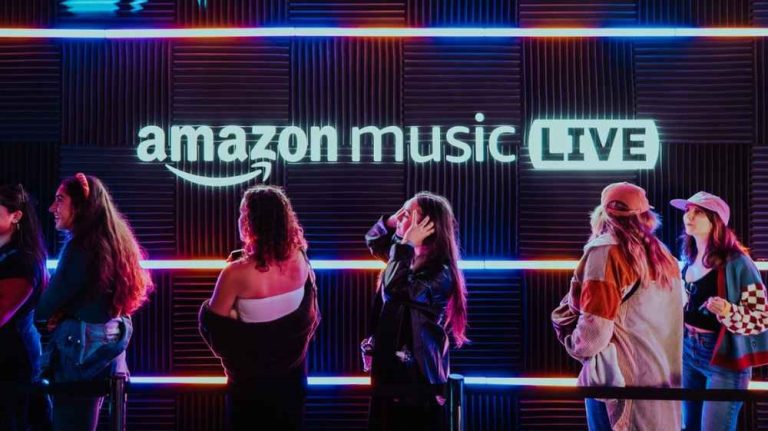
A Case Study: Amazon Music’s Live Streams

0

The rise of live streaming has changed how fans consume music and engage with artists. As physical events were curtailed due to the global pandemic, platforms like Amazon Music Live stepped in to fill the void. They created virtual events that aimed to replicate the festival experience. This article examines the impact of live streaming on music consumption and fan engagement, using Amazon Music’s live streams as a case study.

Replicating the Festival Experience Through Live Streaming

Amazon Music’s livestreams seek to recreate the immersive experience of music festivals. They bring the energy and excitement of live performances directly into fans’ homes. These virtual events offer a range of experiences, from intimate acoustic sets to full-scale productions that rival traditional concerts. By leveraging high-quality video and audio, interactive features, and exclusive content, Amazon Music captures much of the festival atmosphere in a digital format. One key benefit of live streaming is accessibility. Fans who could not attend a physical festival due to geographic, financial, or health-related barriers can now participate in these events from anywhere in the world. This democratization of access has expanded the reach of music festivals. It allows artists to connect with a global audience in previously impossible ways.

Enhancing or Altering the Artist-Fan Relationship

While live streams offer new opportunities for connection, they also change the traditional relationship between artists and fans. In a live, in-person setting, the energy exchange between performers and the audience is palpable. This creates a unique and often irreplaceable experience. Livestreaming, on the other hand, introduces a level of separation that can change this interaction. However, Amazon Music’s live streams bridge this gap by incorporating interactive elements. Features like live chats, Q&A sessions, and virtual meet-and-greets allow fans to engage with artists in real time. This fosters a sense of community and direct interaction that can sometimes surpass the accessibility of traditional concerts. For artists, livestreams provide a platform to experiment with new ways of performing and connecting with fans. The flexibility of digital formats allows for creative production choices. These include multiple camera angles, augmented reality, and behind-the-scenes content. Such elements can enrich the viewing experience and provide deeper insights into the artist’s world.

Audience Reactions: Livestreams vs. Traditional Live Performances

Audience reactions to live streams have been mixed. Some fans embrace the convenience and accessibility of virtual events, while others lament the loss of the communal energy that defines in-person performances. Surveys and social media feedback indicate that while livestreams serve as a temporary solution, they are not a complete substitute for live events. Many fans express positive reactions to the interactive elements of livestreams. They note that these features provide unique opportunities to connect with artists in ways that traditional concerts do not. The ability to chat with other fans, ask questions directly to the artist, and participate in virtual meet-and-greets are particularly well-received aspects. Despite some reservations, the majority of fans acknowledge the value of live streams. They appreciate how these events keep the music community connected during challenging times. As technology continues to improve and artists become more adept at using digital platforms, the quality and appeal of livestreams are likely to increase.

The Long-Term Effects on the Music Industry

The long-term impact of live streaming on the music industry is still unfolding. However, several potential trends could shape the future of music consumption and fan engagement. One significant trend is the possibility of hybrid events that combine in-person and virtual elements. This allows fans to choose how they experience a performance based on their preferences and circumstances. For artists, livestreaming presents both challenges and opportunities. It requires them to adapt to new technologies and rethink how they engage with fans. On the other hand, it offers new revenue streams, expanded global reach, and innovative ways to express creativity. The industry as a whole may see a shift towards more frequent and accessible virtual events, even as traditional live performances return. The success of Amazon Music’s live streams suggests a strong appetite for digital experiences, particularly when they are well-produced and offer unique content. As artists and platforms refine their approaches to live streaming, this trend is likely to become a permanent fixture in the music landscape.

Conclusion

Music Industry Weekly recognizes that Amazon Music’s live streams demonstrate the potential of virtual events to replicate the festival experience and transform the relationship between artists and fans. While live streams may never fully replace the energy of traditional live performances, they offer valuable opportunities for connection, accessibility, and innovation. As the music industry continues to evolve, integrating livestreaming into the broader ecosystem will likely play a significant role in shaping the future of music consumption and fan engagement.

article drafts – 1

The Implications of A$AP Rocky’s Album Delay: Navigating Branding and Fan Engagement

0

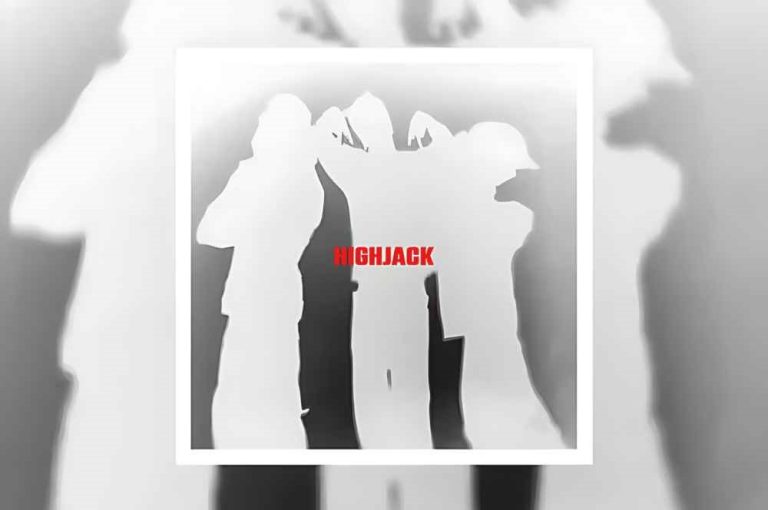
Album delays are not uncommon in the music industry, but they carry significant implications for artists, particularly regarding branding and fan engagement. A$AP Rocky’s recent delay in releasing his highly anticipated album has sparked discussions about how such delays can affect an artist’s reputation and connection with their audience. This article investigates the implications of A$AP Rocky’s album delay, focusing on how he is using strategic music videos like “Highjack” to maintain interest and engagement with his fans during this period of uncertainty.

The Branding Implications of Album Delays

For an artist like A$AP Rocky, whose brand is built on a combination of innovation, fashion, and cutting-edge music, an album delay can be a double-edged sword. On one hand, it creates anticipation and can build hype, especially if the artist uses this time to perfect the album. On the other hand, prolonged delays can frustrate fans and potentially damage the artist’s brand if not managed carefully.

Delays can signal deeper issues, such as creative struggles, label disputes, or logistical challenges. For A$AP Rocky, who has consistently positioned himself as an avant-garde artist, any perception of struggle could undermine the strong, confident image he has cultivated. The key to navigating this potential pitfall lies in how the delay is communicated to fans and how the artist continues to engage with them during the waiting period.

Strategic Use of Music Videos: ‘Highjack’ as a Case Study

To counterbalance the potential negative effects of his album delay, A$AP Rocky has strategically released the music video for “Highjack.” This move is a savvy way to keep fans engaged and maintain momentum. Music videos offer a powerful tool for artists to connect with their audience visually and emotionally, providing content that fans can engage with while they await the album.

“Highjack” serves as more than just a placeholder; it’s a statement that reflects Rocky’s artistic vision and keeps his brand front and center. The video’s aesthetic, themes, and production quality align with the image Rocky has built over the years—one of innovation, creativity, and a deep connection to both fashion and music. By releasing “Highjack,” Rocky not only reassures fans that the album is still coming, but he also reinforces his brand identity.

Maintaining Fan Engagement During Uncertainty

Fan engagement is crucial during any period of uncertainty, such as an album delay. Without regular updates or content, fans may lose interest or become disillusioned, which can be damaging to an artist’s long-term success. A$AP Rocky’s decision to release “Highjack” during this period is a strategic move to maintain a connection with his audience.

In addition to music videos, artists can engage fans through social media, behind-the-scenes content, and interactive experiences such as live chats or virtual events. These strategies not only keep fans informed but also make them feel involved in the process, turning a potentially negative situation into an opportunity for deeper engagement.

The Long-Term Impact on A$AP Rocky’s Brand

The success of managing an album delay depends heavily on how the artist navigates the situation. For A$AP Rocky, the release of “Highjack” has been a successful strategy in maintaining his brand’s integrity and keeping fans engaged. However, the longer the delay continues without clear communication, the greater the risk of fan disengagement or brand erosion.

In the long term, the key will be for Rocky to deliver an album that meets or exceeds fan expectations. The delay can turn into a positive if the final product reflects the time, effort, and creativity that went into it. Rocky’s brand, which thrives on innovation and surprise, can emerge stronger if the album delivers on its promises.

Conclusion

Music Industry Weekly understands that A$AP Rocky’s album delay presents both challenges and opportunities for his brand. By strategically releasing the “Highjack” music video, Rocky has successfully maintained fan engagement and reinforced his brand identity during this uncertain period. As anticipation for his album continues to build, the ultimate impact on his brand will depend on how he navigates this delay and the quality of the album when it is released. For now, Rocky’s approach provides a valuable case study in how artists can turn potential setbacks into opportunities for deeper fan connection and brand reinforcement.

Megan Thee Stallion Hosting the 2024 MTV VMAs

0

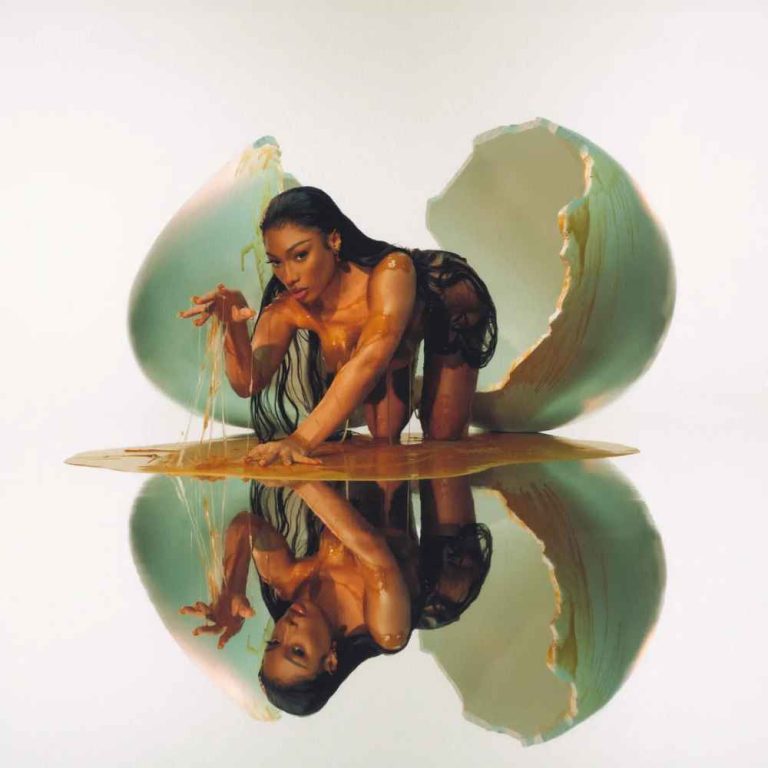
Megan Thee Stallion’s hosting of the 2024 MTV Video Music Awards (VMAs) marks a significant moment in the history of the awards and the music industry. As a leading figure in contemporary music, Megan’s role as host showcases her achievements and highlights her influence in a rapidly evolving entertainment landscape. This article examines the significance of Megan’s hosting duties and the broader implications for the music industry.

The Historical Context of the VMAs

The MTV VMAs have long served as a platform for artists to showcase their talents and make impactful statements. Historically, the representation of artists at the VMAs has been uneven, with early years often favoring male artists. Iconic performances by artists like Madonna and Janet Jackson helped shift the narrative, yet male perspectives dominated the awards for many years.

In recent decades, the VMAs have made strides in recognizing diverse talent. Performers like Beyoncé and Lady Gaga have increasingly taken center stage, contributing to a more inclusive environment. However, the hosting role has remained predominantly male, with only a few women taking on this responsibility over the years.

Megan Thee Stallion’s Impact as Host

Megan Thee Stallion’s hosting of the 2024 VMAs is a significant milestone in her career. As a successful rapper, songwriter, and entrepreneur, she embodies a new generation of artists who are redefining industry norms. Her presence as host underscores the growing recognition of artists not just as performers but as influential figures within the industry.

Megan’s previous experience as a guest host on “Saturday Night Live” and co-host on “The Tonight Show Starring Jimmy Fallon” demonstrates her ability to engage audiences and deliver entertaining performances. Her charisma and energy are expected to elevate the VMAs, making them a must-watch event.

“Megan’s hosting is a victory for all artists in the industry. It’s a signal that the industry is finally starting to take them seriously, not just as performers, but as leaders.”

The Broader Trends in Award Shows

Megan’s role as host aligns with broader trends in the entertainment industry toward greater inclusivity and representation. Award shows have faced scrutiny for their lack of diversity, prompting changes in how events are organized and who is recognized. Megan’s hosting is part of this shift, reflecting a commitment to showcasing a wider array of talent.

Despite these advancements, challenges remain within the industry. Issues such as pay disparities and underrepresentation in key roles persist, highlighting the need for continued efforts to foster equality. Megan’s role as host serves as a reminder of these ongoing challenges while also celebrating progress.

The Visibility and Recognition of Artists

One key impact of Megan Thee Stallion’s hosting role is the increased visibility it brings to artists. Hosting one of the biggest music events of the year places Megan in a position of influence, allowing her to spotlight the contributions of her peers. This visibility is crucial in an industry where many talented artists have often been overlooked.

Industry experts and fellow artists recognize Megan’s role’s importance in promoting a more inclusive music landscape. Her hosting duties signal shift toward acknowledging artists as multifaceted contributors to industry, not just as performers.

The Future of the Music Industry

Megan Thee Stallion’s hosting of the 2024 VMAs symbolizes a shift toward greater inclusivity and recognition of diverse talent. This moment is significant not only for Megan but also for the broader landscape of the music industry.

Looking ahead, her role may inspire other artists to take on leadership positions within the industry. The visibility she brings could pave the way for more artists to be recognized for contributions beyond performing roles—such as producers, directors, and executives. The future appears promising with each step forward contributing toward a more equitable environment.

Conclusion

Music Industry Weekly knows that Megan Thee Stallion’s hosting marks a landmark moment in music industry history. It reflects the progress made in recognizing diverse talent while highlighting ongoing efforts toward creating a more inclusive environment. As she takes center stage, she represents not only her success but also embodies the potential for artists breaking barriers to lead the way forward.

The Altons: Pioneers of the New West Coast Sound

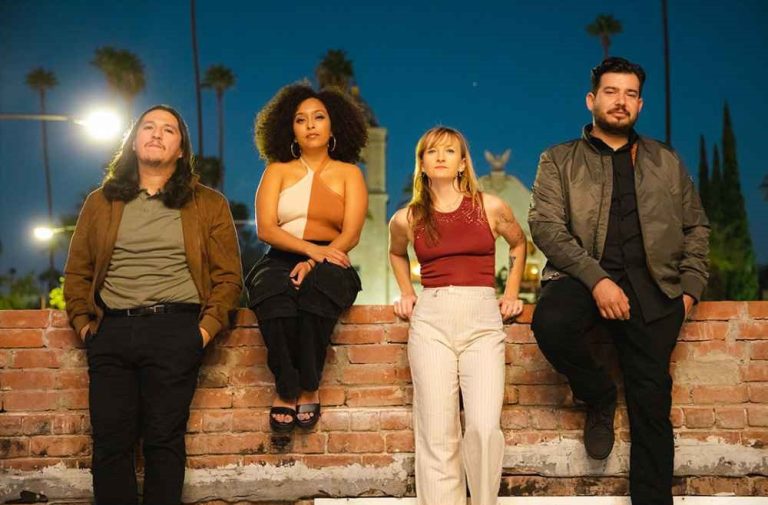
In Los Angeles, The Altons have emerged as key figures in defining a new West Coast sound. Their music blends soul, rock, and Latin influences, creating a distinct sonic experience that resonates with a broad audience. This fusion of genres has not only set them apart but also positioned them as pioneers of a new musical movement on the West Coast.

Fusion of Genres

The Altons seamlessly blend various musical styles, creating a unique sound that reflects the cultural diversity of Los Angeles. Drawing from soul and rock, they infuse their music with Latin rhythms, offering a nostalgic yet forward-thinking sound. This combination is evident in their debut album In the Meantime and singles under Penrose Records, a subsidiary of Daptone Records. Their sound pays homage to classic Chicano soul while incorporating contemporary influences that appeal to today’s listeners.

Cultural Significance

The Altons’ music is deeply rooted in their cultural background. Each band member brings personal experiences and influences, creating a sound that reflects Los Angeles’ multicultural landscape. This cultural significance extends beyond the music; it’s about representation. The Altons are part of a broader movement of Latinx artists reshaping the West Coast music scene, bringing new perspectives and voices to the forefront. Their success highlights the importance of diversity in the music industry.

Industry Recognition

The Altons are gaining significant recognition within the industry. Their ability to draw large crowds at major festivals and their consistent touring schedule have earned them respect and visibility. They have performed alongside notable acts like Thee Sinseers and Thee Sacred Souls, further solidifying their place in the modern soul movement. Industry insiders are taking note of their potential. Their unique blend of genres and cultural authenticity positions them for a promising future. The Altons are not just another band from Los Angeles; they are pioneers leading a new wave of West Coast music.

Conclusion

At Music Industry Weekly, we recognize The Altons as a driving force in the evolution of the West Coast sound. Their fusion of soul, rock, and Latin influences, combined with their cultural authenticity, has not only enriched the music scene but also paved the way for future generations of artists. As they continue to gain recognition and expand their reach, The Altons are set to leave an indelible mark on the music industry, bridging the gap between tradition and innovation.

Career Trajectories of the 2020s: How Independent Artists are Shaping the Industry

0

The 2020s have significantly transformed the music industry, primarily due to the rise of independent artists. These artists are navigating their careers without the backing of traditional labels. This shift not only changes how music is produced and consumed but also highlights the growing influence of independent artists. In this article, we explore how they are redefining success, impacting the music business, and shaping future trends.

Independence and Success

Independent artists are now achieving levels of success once deemed impossible without major label support. The democratization of music distribution through platforms like Spotify, Apple Music, and YouTube allows artists to reach global audiences independently.

Notable Career Trajectories:

  • Chance the Rapper: His rise exemplifies digital-age independence. By releasing free mixtapes like Acid Rap, he built a dedicated fanbase through social media and streaming platforms. His strategic release of Coloring Book through Apple Music without traditional sales channels led to a Grammy, setting a new standard for independent success.
  • Frank Ocean: After initial major label success, Ocean transitioned to independence with Endless and Blonde. By releasing these albums strategically, he retained creative control and reaped financial rewards, proving that an artist can thrive without traditional industry structures.
  • Billie Eilish: Although Eilish started with a smaller label, her DIY approach fueled her rise to global stardom. When We All Fall Asleep, Where Do We Go? was produced at home, using minimalist production techniques that defined her unique sound. Her success underscores the potential for independent artists to achieve global acclaim through creative vision and social media engagement.

Impact on the Industry

The rise of independent artists has disrupted traditional power dynamics within the music industry. Historically, major labels controlled who got signed and promoted. However, digital platforms have shifted this balance. Independent artists now build direct relationships with their audiences through social media, crowdfunding, and grassroots promotion. As a result, a more diverse and authentic music landscape has emerged, allowing various voices and styles to flourish.

Industry Impact:

  • Diversification of Sounds: Indie artists’ success has led to a more diverse music landscape, where various voices and styles flourish. For example, Lizzo, who initially released music independently, brought unique blends of pop, hip-hop, and soul to the mainstream, challenging genre boundaries.
  • Artistic Integrity: The success of indie artists has encouraged a focus on artistic integrity and creative freedom, challenging the industry’s tendency to homogenize music for mass appeal. Artists like Bon Iver, whose minimalist, experimental sounds have garnered critical acclaim, exemplify this trend.

Future Trends

Looking ahead, several trends suggest that independent artists’ influence will grow. Understanding audience behavior is becoming increasingly important. This allows indie artists to tailor their marketing and touring strategies more effectively. Additionally, niche markets and genre-specific platforms will likely provide even more opportunities for independent musicians to thrive. We can expect to see further innovation in how music is marketed and distributed. Crowdfunding and fan-supported models, pioneered by artists like Amanda Palmer, will gain traction. These models offer new ways to fund projects without relying on traditional industry structures.

Conclusion

At Music Industry Weekly, we see that independent artists are not just succeeding on their terms but are also reshaping the entire music industry. As they push boundaries and embrace new technologies, these artists are setting the stage for a future where creativity and innovation thrive without the constraints of traditional label support. The trajectory of the 2020s suggests that the independent route is becoming the norm for many of today’s most successful musicians.

Exploring the Lo-Fi Hip-Hop Phenomenon

0

Lo-fi hip-hop has emerged as a cultural phenomenon that uniquely connects with Millennials and Gen Z. Characterized by its nostalgic, calming sound and DIY aesthetic, this genre has become a go-to soundtrack for studying, relaxing, and introspection.

This article delves into:

  • the aesthetic appeal
  • cultural relevance
  • key artists that have propelled lo-fi hip-hop to its current status

Aesthetic Appeal

The aesthetic appeal of lo-fi hip-hop lies in its imperfections and simplicity. The genre often features muted tones, analog warmth, and subtle imperfections like vinyl crackles and tape hiss. This creates a nostalgic atmosphere that many listeners find soothing. The visuals associated with lo-fi hip-hop, such as the iconic Lofi Girl live stream on YouTube, enhance this aesthetic by pairing relaxing beats with serene, anime-inspired imagery. These elements collectively provide a comforting and immersive experience that contrasts sharply with the often overstimulating digital world.

Cultural Relevance

Lo-fi hip-hop’s connection with younger generations can be attributed to several cultural and psychological factors. For many Millennials and Gen Z listeners, the genre offers an escape from the pressures of modern life. The music’s laid-back, non-intrusive nature makes it ideal for creating a focused and calm environment, which is particularly appealing in an age of constant digital connectivity and stress. Additionally, lo-fi hip-hop has become intertwined with internet culture, with platforms like YouTube and Spotify making it easily accessible and part of daily routines, whether for studying or unwinding.

The genre’s DIY ethos also speaks to the values of these generations. In a world where authenticity and self-expression are highly valued, lo-fi hip-hop’s raw and unpolished sound provides a sense of honesty and relatability. The community aspect, where listeners feel connected through shared experiences of relaxation and study, further deepens its cultural relevance.

Key Artists

Several key artists have shaped the lo-fi hip-hop landscape, influencing its sound and popularity.

  • Nujabes: Often credited as one of the pioneers of the genre, Nujabes (real name: Jun Seba) combined jazz samples with hip-hop beats to create a sound that was both soothing and innovative. His work on the soundtrack of the anime Samurai Champloo brought lo-fi hip-hop to a broader audience, and albums like Modal Soul remain influential in the genre.
  • J Dilla: Another foundational figure in lo-fi hip-hop, J Dilla‘s approach to beat-making, particularly in his album Donuts, showcased how imperfections and off-kilter rhythms could create deeply emotional and resonant music. His influence is felt across multiple genres, but his minimalist approach aligns closely with the ethos of lo-fi hip-hop.
  • Jinsang: A modern lo-fi hip-hop artist, Jinsang has made a significant impact with albums like Life and Soliqloquy. His music is characterized by warm, nostalgic tones and smooth, laid-back beats, making it perfect for studying or relaxing.
  • Kupla: Atmospheric and ethereal, Kupla made a name for himself with albums like Imaginary and Kingdom in Blue. His music often blends elements of ambient music with lo-fi beats, creating a serene and dreamlike soundscape.
  • Idealism: Idealism is known for tracks like “Controlla” and “Both of Us”. His work often features gentle piano melodies layered over soft beats, evoking a sense of calm and introspection.
  • Tomppabeats: A Finnish producer, Tomppabeats has gained a following for his lo-fi beats that often incorporate soulful samples. His album Harbor is a fan favorite, known for its relaxing and nostalgic vibe.

These artists, along with many others, have contributed to the growth and popularity of lo-fi hip-hop. It is one of the most streamed genres on platforms like Spotify and YouTube.

Conclusion

At Music Industry Weekly, we recognize the profound impact of the lo-fi hip-hop phenomenon on today’s music landscape. Its aesthetic appeal, cultural relevance, and the influence of key artists have made it a defining genre. As lo-fi hip-hop continues to evolve, it will undoubtedly remain a staple for those seeking solace and focus in a fast-paced world.

The Science Behind Sound Baths: How Vibrations Promote Healing and Well-Being

0

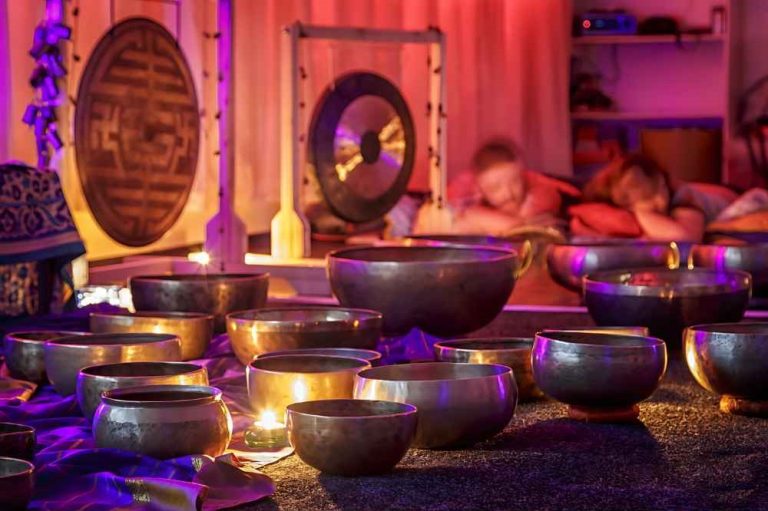
Sound baths, an ancient practice that has found renewed popularity in modern wellness routines, are deeply rooted in the principles of vibrational therapy and brainwave entrainment. These therapeutic sessions involve immersing individuals in soothing sounds from instruments like gongs, singing bowls, and chimes. The purpose of sound baths is to harness the power of sound vibrations to promote physical, mental, and emotional healing.

Vibrational Therapy

Vibrational therapy is based on the idea that every part of the body resonates at a specific frequency. When these frequencies are out of balance due to stress, illness, or environmental factors, our well-being can suffer. Sound baths use instruments that produce deep, resonant vibrations. This helps to restore the body’s natural frequencies through a process known as sympathetic resonance. This allows the sound waves to travel through the body, harmonizing cells and tissues, and promoting overall balance and health.

For example, the vibrations from a gong during a sound bath can penetrate deeply into the body, realigning frequencies that may be out of sync due to stress or fatigue. This realignment can lead to a profound sense of relaxation and physical well-being as the body returns to its natural state of resonance.

Brainwave Entrainment

One of the most fascinating aspects of sound baths is their ability to induce brainwave entrainment. Brainwave entrainment occurs when the brain synchronizes its electrical activity with the rhythm of external sound waves. During a sound bath, specific frequencies can guide the brain from its normal beta state (associated with active thinking) into the more relaxed alpha and theta states.

Alpha waves (8-12 Hz) are associated with a calm, meditative state. Theta waves (4-8 Hz) are linked to deep relaxation and healing. By immersing the listener in these frequencies, sound baths can help reduce stress, enhance focus, and improve sleep quality. The entrainment of brainwaves not only aids in relaxation but also supports mental clarity and emotional balance.

Scientific Research

The therapeutic benefits of sound baths are supported by growing scientific research. Studies have shown that sound therapy, including sound baths, can lower cortisol levels—the hormone associated with stress—and promote a relaxed state of mind. Research has also demonstrated that exposure to specific sound frequencies can improve sleep, reduce anxiety, and enhance overall well-being.

For instance, a study published in the Journal of Evidence-Based Integrative Medicine found that participants who engaged in sound meditation experienced significant reductions in tension, anger, fatigue, and depression. These findings suggest that sound baths can be an effective complementary therapy for managing stress and improving mental health.

Conclusion

At Music Industry Weekly, we recognize the growing interest in sound baths and their potential to enhance well-being. The science behind vibrational therapy and brainwave entrainment provides compelling evidence that sound baths are more than just a trend. They are a powerful tool for promoting healing and balance in our busy lives. As research continues to explore the therapeutic effects of sound, sound baths are likely to become an increasingly popular method for achieving mental and physical well-being.

Timeless Music Marketing Strategies: From the 1980s to the 2020s

0

Music marketing has evolved over the past few decades, but certain strategies have proven to be timeless. From the early days of MTV to the rise of digital platforms, these approaches have consistently helped artists connect with audiences, build their brands, and achieve commercial success. This article explores some of the most effective music marketing strategies that have stood the test of time, adapting to new technologies and cultural shifts while continuing to deliver results.

Strategic Album Releases

One of the most enduring music marketing strategies is the careful timing of album releases. From surprise drops like Beyoncé’s self-titled album in 2013 to meticulously planned releases coinciding with major cultural events, the timing of an album can significantly impact its success. For instance, Michael Jackson’s Thriller was released in 1982 during the holiday season, capitalizing on the heightened consumer spending period. This approach remains effective today, with artists like Taylor Swift and Adele strategically timing their album launches to maximize exposure and sales.

Music Videos: Visual Storytelling

Since MTV’s debut in the 1980s, music videos have been a powerful tool for music marketing. Visual storytelling in iconic videos like Michael Jackson’s “Thriller” and Madonna’s “Like a Prayer” helped define these artists’ brands and solidify their status in pop culture. Today, music videos remain crucial, with platforms like YouTube and TikTok offering artists new ways to engage audiences. The key to success is adapting to new platforms while maintaining a strong visual narrative that resonates with viewers.

Touring and Live Performances

Live performances have always been a cornerstone of music marketing. From the massive stadium tours of the 1970s and 1980s to today’s more intimate and interactive experiences, concerts allow artists to build a deeper connection with their audiences. Tours also provide significant revenue and a platform to promote new music directly to fans. Artists like U2 and Bruce Springsteen have used extensive touring to maintain their relevance, while modern artists like Ed Sheeran continue this tradition with global tours that blend traditional concerts with digital interactions.

Cross-Platform Promotion

While traditional media like radio and television remain important, successful artists have always leveraged multiple platforms to promote their music. In the past, this meant appearing on talk shows, participating in print interviews, and performing at award shows. Today, cross-platform promotion includes social media campaigns, digital streaming services, and collaborations with influencers. Artists like Drake have mastered this approach, using a mix of traditional media and digital platforms to consistently dominate the charts. Understanding where your audience is most active and tailoring your promotion accordingly is key to success.

Fan Engagement and Community Building

Building and maintaining a strong fan base has always been essential for long-term success in the music industry. In the past, fan clubs and exclusive content were the primary means of engaging fans. Today, artists use social media, email newsletters, and fan-only events to maintain a close relationship with their audience. Beyoncé’s BeyHive and Taylor Swift’s Swifties are prime examples of how effective fan engagement can lead to a loyal and supportive community that amplifies an artist The strategy remains the same: create value for your fans and give them a sense of belonging.

Conclusion

At Music Industry Weekly, we recognize that the most effective music marketing strategies are proven adaptable across different eras. By understanding and applying these timeless strategies, artists can continue to thrive in an ever-changing industry. As the music business evolves, these tried-and-true methods will remain at the core of successful artist marketing.

Song Analysis: The Influence of Classic R&B on Modern Tracks

0

Classic R&B, with its origins in the 1940s and 1950s, has profoundly shaped the music landscape. Known for its smooth melodies, soulful vocals, and rich instrumentation, this genre has not only stood the test of time but continues to influence modern music. Today, artists across various genres reinterpret elements of classic R&B, blending them with contemporary sounds to create fresh, innovative tracks. This analysis explores how classic R&B influences are reimagined in modern music, featuring examples from both mainstream and independent artists.

The Resurgence of Classic R&B in Modern Music

A significant trend in contemporary music is the resurgence of classic R&B elements, particularly in the works of artists like Bruno Mars, Anderson .Paak, and H.E.R.. These artists draw heavily from the smooth harmonies, lush orchestrations, and emotive vocal styles that define classic R&B.

“Leave the Door Open” by Bruno Mars and Anderson .Paak is a prime example of this revival. The track channels the romantic feel of 1970s R&B, featuring string arrangements, smooth guitar riffs, and buttery vocals reminiscent of The Isley Brothers and Marvin Gaye. The song’s success highlights a widespread appreciation for this throwback sound, resonating with audiences who crave the warmth and sincerity of classic R&B.

Similarly, “Damage” by H.E.R. pays homage to classic R&B, particularly in its groove-heavy bassline and smooth guitar work. The song’s structure and emotional delivery reflect the deep connection that classic R&B established between the artist and the listener.

Independent Artists Reinterpreting Classic R&B

While mainstream artists often dominate the spotlight, independent musicians also make waves by incorporating classic R&B elements into their work.

Masego, a multi-instrumentalist and singer, blends classic R&B with elements of jazz and trap music. His track “Tadow”, in collaboration with FKJ, showcases a saxophone-driven melody and smooth vocal delivery that are deeply rooted in classic R&B traditions. The song’s improvisational feel and emphasis on musicianship harken back to the golden era of R&B, while its modern production keeps it fresh and relevant.

Snoh Aalegra, a Swedish-Iranian singer-songwriter, also draws from classic R&B to create her unique sound. Tracks like “I Want You Around” exhibit the emotional depth and smooth instrumentation typical of 1990s R&B. Her music often features lush arrangements and intimate vocals, reminiscent of artists like Sade and Toni Braxton, but with a contemporary twist that appeals to today’s listeners.

The Fusion of R&B with Other Genres

Modern artists are not just reviving classic R&B—they are fusing it with other genres to create new and exciting sounds. This fusion often results in innovative tracks that pay homage to R&B’s past while pushing the genre forward.

For instance, The Weeknd blends R&B with synth-pop and electronic music. His track “Blinding Lights” features an 80s-inspired synth line paired with R&B vocal stylings, creating a nostalgic yet modern sound. This blend of genres has become a hallmark of his work, allowing him to reach a wide audience while maintaining the emotional depth characteristic of R&B.

Kali Uchis merges R&B with elements of reggaeton and Latin music. Her song “telepatía” features a sultry R&B vocal delivery over a dreamy, laid-back beat, creating a cross-cultural blend that resonates with listeners worldwide. The influence of classic R&B is evident in her vocal techniques and melodic choices, even as she experiments with different sounds.

Conclusion

At Music Industry Weekly, we understand that classic R&B’s influence on modern music is undeniable, with artists from both the mainstream and independent scenes drawing on its rich legacy to create new and compelling works. Whether through direct homage or innovative fusion with other genres, the elements of classic R&B continue to shape the music we hear today. As these artists reinterpret the sounds of the past, they ensure that the soulful essence of R&B remains alive and well in contemporary music.

The Progression of Music Videos: From MTV to TikTok

0

Music videos have evolved significantly since MTV introduced “Video Killed the Radio Star” in 1981. What began as 24/7 music television has transformed into a dynamic medium that continues to shape how we experience music, with platforms like TikTok now leading the charge. This evolution reflects not just technological advancements, but also the changing ways in which we connect with music in an increasingly fast-paced world.

From MTV Icons to YouTube Sensations

MTV was a groundbreaking platform in the early 1980s, revolutionizing how we consumed music. It wasn’t just about listening to your favorite tracks—you were watching the artistry unfold on screen. Icons like Michael Jackson, Madonna, and Prince used the platform to create visually stunning, narrative-driven videos that were as memorable as the songs themselves. Michael Jackson’s “Thriller” set a new standard, blending cinematic storytelling with music in a way that had never been done before.

The arrival of YouTube in the mid-2000s marked another seismic shift. The platform democratized access to music videos, allowing indie artists to gain visibility alongside major stars. Viral hits like Psy’s “Gangnam Style,” the first video to surpass one billion views, exemplified the power of the internet in transforming how music is discovered and shared.

Now, TikTok is at the forefront, redefining the music video experience with its short, engaging clips. Songs like Lil Nas X’s “Old Town Road” gained popularity on TikTok before dominating the charts, illustrating how the platform’s algorithm can turn a track into a cultural phenomenon almost overnight.

Aesthetics: From High Production to DIY

The aesthetics of music videos have shifted dramatically over the years. In the 1980s, music videos were characterized by high production values and elaborate visuals, often with significant budgets behind them. Directors like Spike Jonze and Michel Gondry brought an artistic touch to the medium, creating videos that were as much about visual storytelling as they were about music.

By the 2000s, however, the rise of affordable technology and platforms like YouTube sparked a new trend. DIY aesthetics became increasingly popular, with creativity and authenticity taking precedence over big budgets. This era saw a surge in raw, relatable videos that resonated with audiences for their realness.

Today, TikTok has introduced a new aesthetic that prioritizes short, eye-catching content designed for mobile consumption. Vertical video formats and quick, impactful visuals are now the norm, with less emphasis on narrative and more on immediacy. TikTok’s interactive features also allow fans to engage with and even reshape content, creating a more participatory culture around music videos.

How We Engage: From TV to Viral Sensations

Our engagement with music has evolved alongside music videos. During MTV’s peak, a well-crafted video could propel a song to the top of the charts, driving album sales and defining an artist’s career. Music videos were not just a promotional tool—they were an integral part of an artist’s brand and public image.

The internet, particularly YouTube, revolutionized this dynamic. Music videos became more accessible, allowing for a broader and more diverse range of artists to reach global audiences. The platform quickly became a hub for music discovery, with videos playing a central role in how people connected with new songs.

TikTok has taken this engagement to the next level. The platform’s viral challenges and short clips have made music discovery an interactive experience. Songs often gain traction on TikTok before they’re officially released. The platform’s algorithm playing a significant role in determining which tracks become hits. This has led to a music culture that’s increasingly about participation, where fans are active contributors to a song’s success.

Conclusion

At Music Industry Weekly, we are committed to staying at the forefront of music culture. The transition from MTV’s golden age to TikTok’s viral era underscores the continuous evolution of music videos. As technology continues to evolve, we anticipate even more innovative ways for artists to connect with audiences. Music videos will continue to be a powerful medium for artistic expression and cultural influence, regardless of the platform.