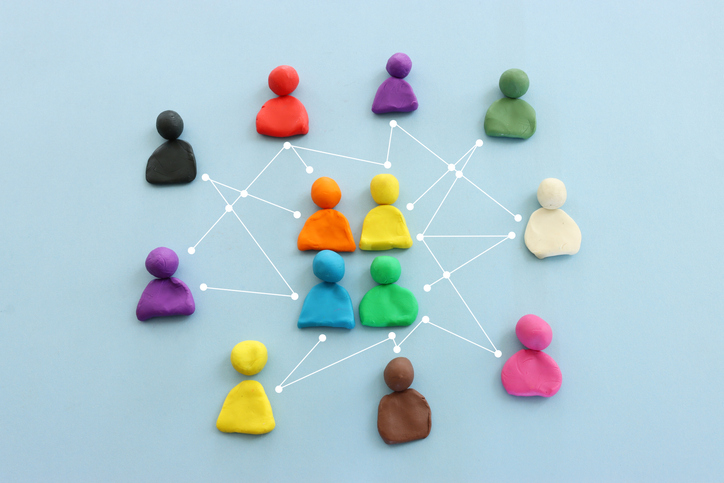
Networking in the Music Industry: How to Make Meaningful Connections

0

Networking is essential for success in the music industry. This article shares strategies for effective networking and relationship-building.

Attend Industry Events

Attending industry events, such as conferences, workshops, and festivals, is a great way to meet other professionals. Be prepared with business cards and be ready to introduce yourself and your work. Events like South by Southwest and MIDEM offer excellent networking opportunities. At these events, you can attend panels, participate in workshops, and engage in networking mixers designed to connect industry professionals.

Use Social Media

Social media is a powerful networking tool. Follow industry professionals, engage with their content, and participate in online discussions. Building an online presence can open up networking opportunities. Platforms like LinkedIn are particularly useful for professional networking. On LinkedIn, you can join music industry groups, participate in discussions, and connect with other professionals in your field. Twitter and Instagram also provide platforms to engage with artists, producers, and other music professionals.

Join Music Organizations

Joining music organizations and associations can provide access to resources and networking events. These organizations often host mixers, panels, and showcases that are perfect for meeting new contacts. Consider joining groups like The Recording Academy or ASCAP. These organizations provide opportunities for members to network with peers, gain industry insights, and showcase their talents.

Offer Value

When networking, focus on how you can offer value to others. Whether it’s through collaboration, sharing knowledge, or providing support, being helpful and generous can build strong, lasting connections. Think about what you can bring to the table and how you can assist others in their careers. For instance, you might offer to co-write a song, provide studio space, or share your expertise on a particular aspect of music production.

Follow Up

Following up is crucial. After meeting someone, send a follow-up email or message to thank them for their time and express your interest in staying in touch. Maintaining contact can lead to future opportunities. Keep track of your connections and reach out periodically to stay on their radar. A simple thank-you note or a message updating them on your latest project can keep the connection alive.

Learn more about effective networking in the music industry at Music Industry Weekly.

Building meaningful connections is essential for success in the music industry.

Crowdfunding for Musicians: How to Successfully Fund Your Next Project

Crowdfunding has become a popular way for musicians to fund their projects. This article discusses effective crowdfunding strategies and platforms for aspiring artists.

Choosing the Right Platform

Selecting the right crowdfunding platform is crucial. Platforms like Kickstarter, Indiegogo, and Patreon offer different features and fee structures. Artists should choose the one that best fits their needs and goals. Kickstarter is known for its all-or-nothing funding model, which can create a sense of urgency and drive contributions, while Patreon allows for ongoing support through subscriptions, making it ideal for artists with a steady stream of content.

Setting Realistic Goals

Setting a realistic funding goal is important for a successful campaign. Artists should consider the costs of production, marketing, and rewards when determining their target amount. It’s also beneficial to research similar campaigns to gauge what funding levels are achievable. Detailed budgeting and transparency about where the funds will go can build trust with potential backers.

Creating Compelling Campaigns

A compelling campaign page with engaging videos, images, and detailed project descriptions can attract potential backers. Highlighting the unique aspects of the project and the artist’s story can resonate with supporters. Personal videos explaining the project and the artist’s journey can create a deeper connection with the audience. Regular updates and milestones can keep backers engaged and excited throughout the campaign.

Offering Attractive Rewards

Offering attractive rewards, such as exclusive merchandise, signed albums, and personalized experiences, can incentivize backers to support the campaign. Limited edition items or experiences can create a sense of exclusivity and urgency. For example, offering a private virtual concert or a custom song can provide unique value to backers.

Promoting the Campaign

Promotion is key to a successful crowdfunding campaign. Leveraging social media, email newsletters, and collaborations with influencers can help reach a wider audience. Consistent and strategic posting, along with engaging content like behind-the-scenes looks and progress updates, can maintain interest and drive contributions. Partnering with other artists or influencers can expand reach and attract new supporters.

Crowdfunding is a popular way for musicians to fund their projects and engage with fans.

Discover more crowdfunding tips for musicians at Music Industry Weekly.

Building Your Brand: Essential Marketing Strategies for Musicians

0

Building a strong personal brand is essential for success in the music industry. This article offers guidance on creating a powerful brand identity.
Define Your Brand

Start by defining your brand. What makes you unique as an artist? What are your values and mission? Your brand should reflect your personality and music style. Write a clear and concise brand statement that summarizes who you are and what you stand for. For instance, Billie Eilish’s brand is defined by her unique fashion sense, dark pop sound, and authenticity, which resonates deeply with her audience.

Create a Consistent Image

Consistency is key in branding. Ensure that your visual identity, including your logo, color scheme, and imagery, is consistent across all platforms. This helps build recognition and trust with your audience. Use professional photos and graphics to maintain a high-quality appearance. Artists like Ariana Grande maintain a cohesive image through their distinct aesthetic and branding across social media, music videos, and public appearances.

Engage with Your Audience

Engaging with your audience is crucial. Use social media to interact with fans, share behind-the-scenes content, and respond to comments. Building a loyal fanbase requires genuine interaction and engagement. Platforms like Instagram, TikTok, and Twitter are excellent for connecting with fans. For example, Lizzo uses her social media to engage with fans by sharing personal stories, music updates, and interactive content.

Leverage Content Marketing

Content marketing can help you reach a wider audience. Create valuable content, such as blog posts, videos, and newsletters, that provides insight into your music and journey as an artist. Share stories about your creative process, upcoming projects, and personal experiences. Artists like Taylor Swift excel at this by sharing detailed behind-the-scenes content and personal anecdotes that engage her audience.

Collaborate and Network

Collaborations and networking can enhance your brand. Work with other artists, influencers, and industry professionals to expand your reach and build valuable connections. Attend industry events and join online communities to meet potential collaborators. Artists like Dua Lipa often collaborate with other musicians and brands to reach new audiences and enhance their brand visibility.

Discover more branding strategies for musicians at Music Industry Weekly.

Creating a strong personal brand is crucial for success in the music industry.

The Future of Concerts: How Technology is Transforming Live Performances

Technology is revolutionizing the live music experience. This article explores innovations in live music, from virtual reality to enhanced sound systems.

Virtual Reality Concerts

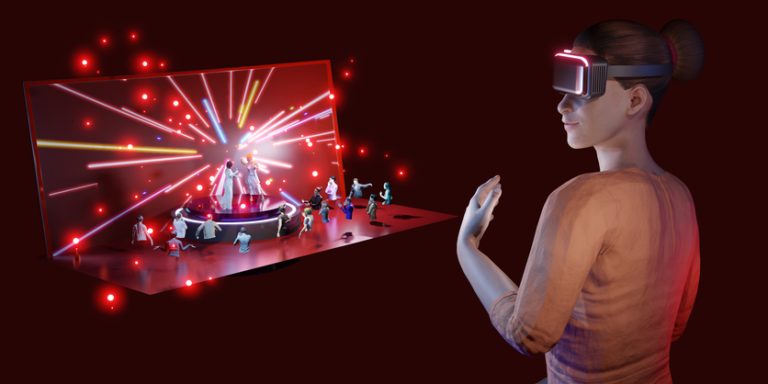
Virtual reality (VR) concerts offer immersive experiences, allowing fans to attend shows from the comfort of their homes. Artists like Travis Scott and Marshmello have successfully hosted VR concerts, reaching millions of viewers. Travis Scott’s Fortnite concert, for instance, attracted over 12 million concurrent players, creating a unique blend of gaming and live music that redefined audience engagement.

Similarly, Post Malone’s VR concert, titled “Twelve Carat Toothache: A VR Experience,” premiered on July 15, 2022, and showcased his latest album in a visually dynamic setting within Horizon Worlds. This concert featured special guest appearances from artists like The Kid LAROI and Fleet Foxes, enhancing the collaborative spirit of the event.

Post Malone described the experience as a groundbreaking way to connect with fans, emphasizing the potential of VR to transform how music is experienced in the digital age.

While the VR experience aimed to push the boundaries of live performances, it also included a 2D version accessible on platforms like Facebook and Instagram, which garnered an impressive 14 million views.

Enhanced Sound Systems

Advancements in sound technology, such as 3D audio and high-fidelity sound systems, are enhancing the live music experience. These innovations provide clearer, more dynamic sound for concertgoers. Technologies like L-ISA Immersive Hyperreal Sound by L-Acoustics are creating a more spatial and immersive listening experience, making audiences feel as though they are surrounded by the music.

Interactive Experiences

Interactive elements, such as augmented reality (AR) and interactive light shows, are becoming more common at live events. These technologies create a more engaging and memorable experience for attendees. For example, AR filters and effects that fans can use on their smartphones during concerts add a new layer of interaction, while synchronized light shows and holograms enhance the visual spectacle of performances.

Live Streaming

Live streaming concerts have become increasingly popular, especially during the pandemic. Platforms like Twitch and YouTube allow artists to reach a global audience in real-time. BTS’s live-streamed concert “Bang Bang Con: The Live” drew over 750,000 concurrent viewers from over 100 countries, showcasing the potential of digital concerts to bring fans together globally.

Sustainability

Technology is also contributing to more sustainable concerts. Innovations in energy-efficient lighting and sound equipment, as well as virtual attendance options, reduce the environmental impact of live events. Festivals like Glastonbury are incorporating solar panels and biodiesel generators to power their stages, while virtual concerts eliminate the need for travel and large-scale physical setups, significantly reducing carbon footprints.

Explore the future of live music at Music Industry Weekly.

Technology is transforming the live music experience, making concerts more immersive and accessible.

Tips for Aspiring Songwriters: Crafting Lyrics That Resonate

0

Crafting lyrics that resonate with listeners is an art. This article provides actionable advice for aspiring songwriters looking to enhance their craft.

Find Your Voice

Finding your unique voice is the first step in crafting compelling lyrics. Write from personal experience and be authentic. Your unique perspective is what will set your lyrics apart. Avoid clichés and strive to express your thoughts and emotions in a way that feels true to you. Artists like Adele and Ed Sheeran are known for their authentic lyrics that reflect their personal experiences and emotions, making their songs relatable and impactful.

Tell a Story

Great lyrics often tell a story. Whether it’s a personal narrative or a fictional tale, storytelling can make your lyrics more engaging and relatable. Structure your song with a clear beginning, middle, and end to create a cohesive and compelling narrative. Bob Dylan and Taylor Swift are prime examples of artists who excel at storytelling through their lyrics, creating vivid and memorable songs.

Use Imagery

Imagery can bring your lyrics to life. Use vivid descriptions and metaphors to create mental pictures for your listeners. This can make your songs more memorable and impactful. For example, instead of saying “I’m sad,” you might describe the feeling of “raindrops falling like tears.” Imagery helps paint a picture in the listener’s mind, making the experience more immersive.

Focus on Emotion

Emotion is a powerful tool in songwriting. Tap into your feelings and convey them through your lyrics. Authentic emotion can create a strong connection with your audience. Think about the emotions you want to evoke in your listeners and let that guide your writing. Songs that resonate on an emotional level, like those by Billie Eilish, often leave a lasting impact.

Edit and Refine

Writing great lyrics often requires editing and refining. Don’t be afraid to revise your work and seek feedback from others. This process can help you polish your lyrics and make them the best they can be. Consider joining a songwriting group or workshop to get constructive criticism. Artists often go through multiple drafts before finalizing their lyrics, ensuring every word serves a purpose.

Learn more tips for aspiring songwriters at Music Industry Weekly.

Crafting compelling lyrics is an essential skill for aspiring songwriters.

Global Sounds: The Impact of International Music on American Charts

0

The American music market is increasingly embracing international sounds. This article explores the growing popularity of non-English music genres in the U.S.

K-Pop Sensation

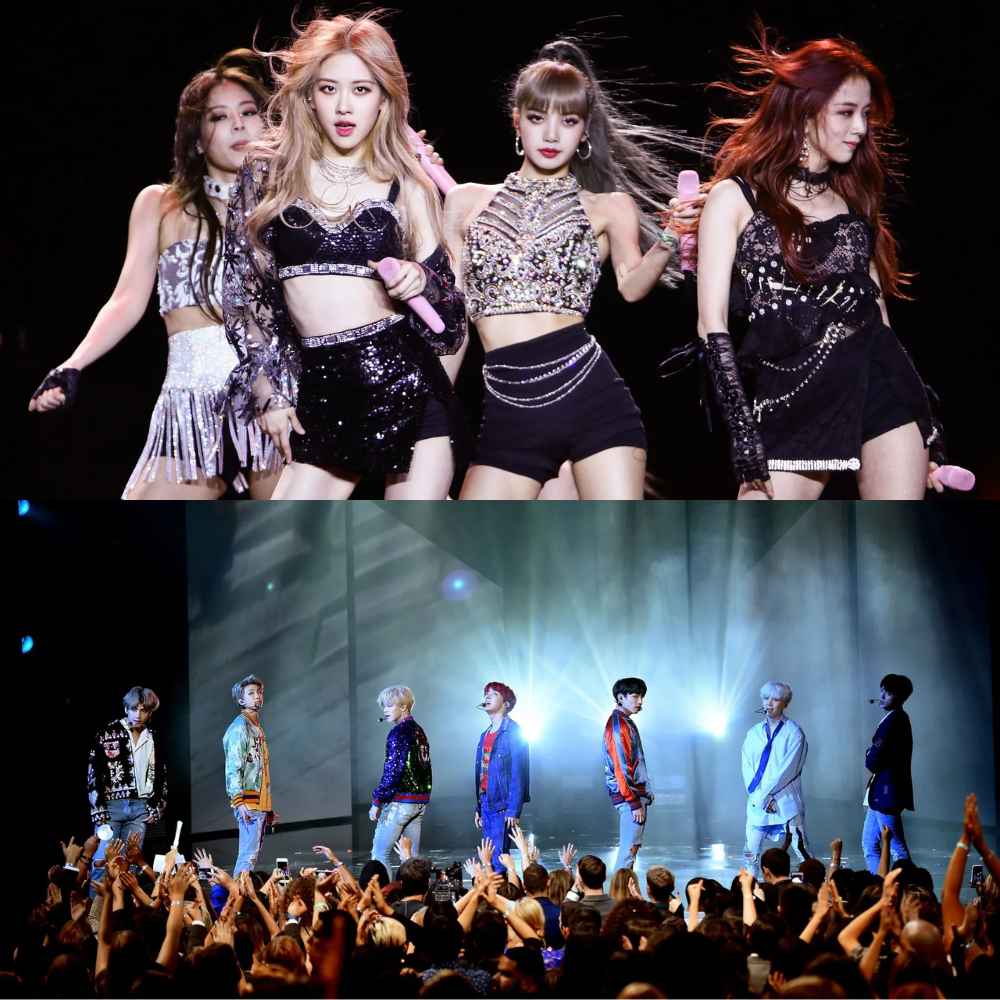
K-pop has taken the world by storm, with groups like BTS and BLACKPINK achieving massive success in the U.S. Their catchy tunes, impressive choreography, and dedicated fanbases have made them household names. BTS’s “Dynamite” and BLACKPINK’s collaborations with artists like Selena Gomez have topped charts and broken numerous records, showcasing the genre’s widespread appeal.

Latin Music Boom

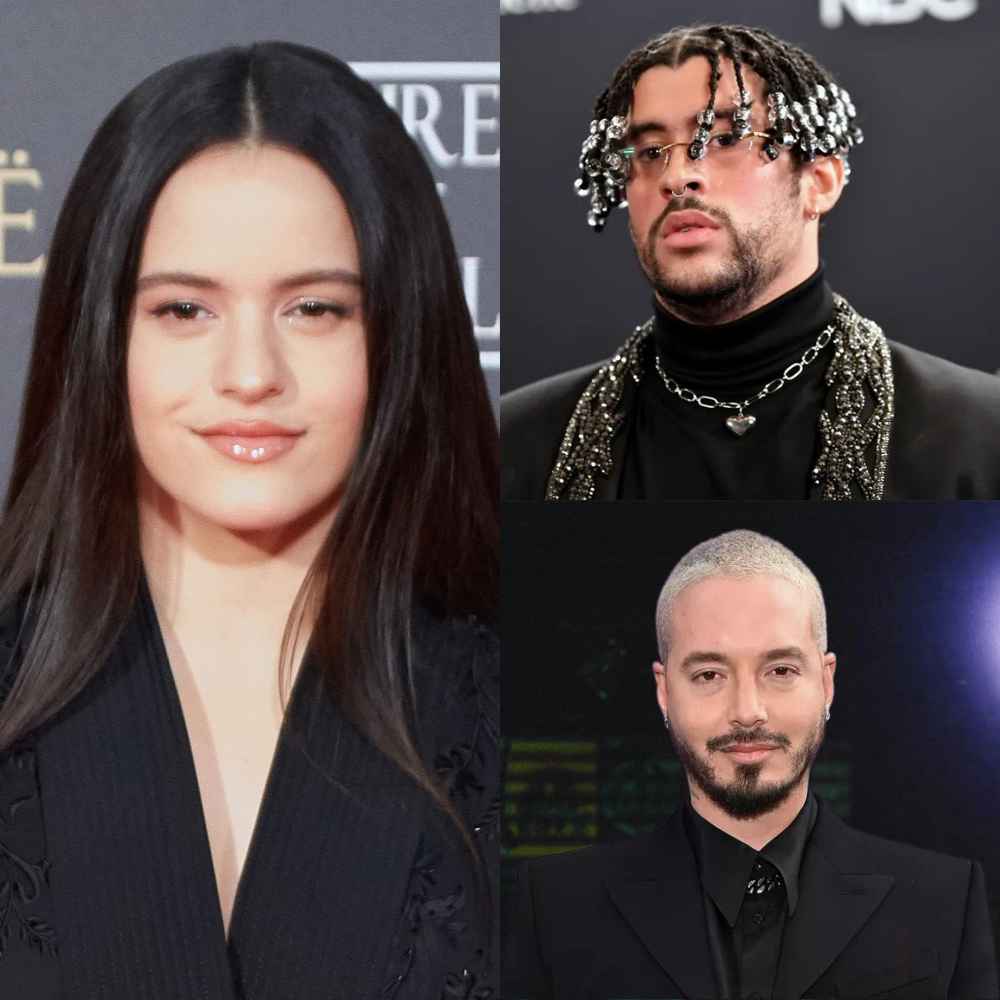
Latin music is enjoying a renaissance in the U.S., thanks to artists like Bad Bunny, J Balvin, and Rosalía. Their infectious rhythms and vibrant performances have captivated American audiences, leading to chart-topping hits. Bad Bunny’s album “El Último Tour Del Mundo” made history as the first all-Spanish-language album to reach No. 1 on the Billboard 200, while J Balvin’s collaborations with American artists have further solidified his international influence.

Afrobeats Influence

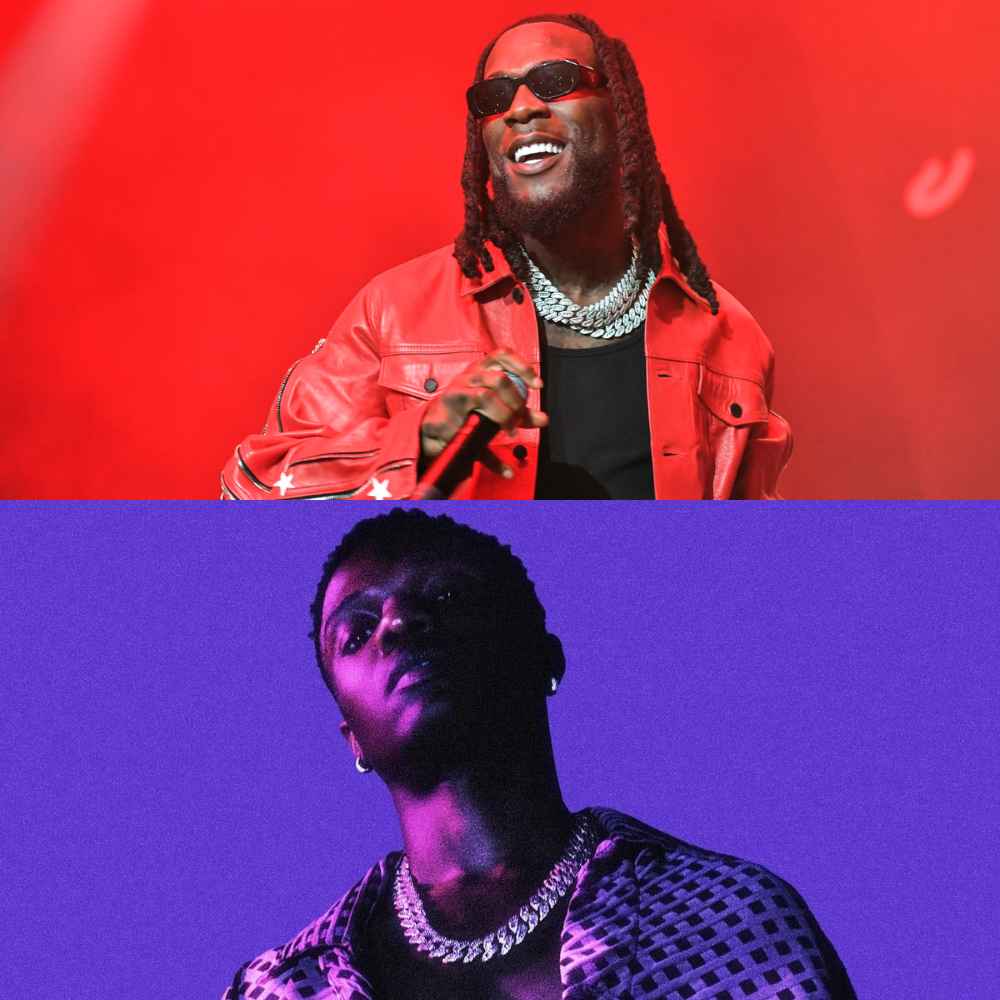
Afrobeats, a genre originating from West Africa, is gaining traction in the U.S. Artists like Burna Boy and Wizkid are introducing American listeners to new sounds and rhythms, enriching the musical landscape. Burna Boy’s Grammy-winning album “Twice As Tall” and Wizkid’s hit “Essence” featuring Tems have been pivotal in bringing Afrobeats to the forefront of American music charts.

Cultural Exchange

The rise of international music genres reflects a broader cultural exchange. As listeners become more open to different sounds, the music industry is becoming more diverse and inclusive. This exchange has led to a richer and more varied musical landscape, with international artists bringing unique perspectives and styles to the U.S. market.

Challenges and Opportunities

While the popularity of international music is growing, there are still challenges. Language barriers and cultural differences can impact how these genres are received. However, the potential for cross-cultural collaboration and innovation is immense. Collaborations between international and American artists, such as those seen in K-pop and Latin music, are paving the way for a more inclusive and globalized music industry.

Explore the impact of global sounds on American charts at Music Industry Weekly.

International music genres are making a significant impact on American charts.

The Evolution of Hip-Hop: Beyond Beats and Rhymes

0

Hip-hop has come a long way since its inception on the streets of New York City. This article explores a fresh perspective on the genre’s evolution, examining how hip-hop has influenced and been influenced by various cultural, social, and technological changes over the decades.

Origins: The Birth of a Movement

Hip-hop originated in the 1970s as a form of expression for marginalized communities. Pioneers like DJ Kool Herc and Grandmaster Flash laid the foundation with innovative DJing and MCing techniques. These early artists used music to address the social and economic issues faced by their communities, setting the stage for hip-hop’s role as a voice for the voiceless.

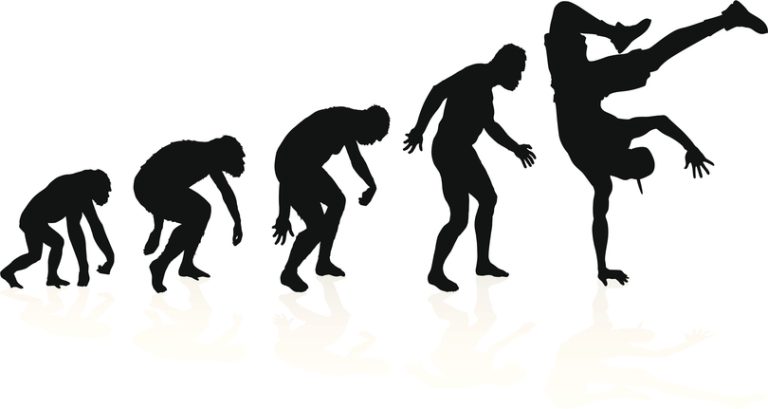
In particular, DJ Kool Herc’s back-to-school parties in the Bronx became legendary for their extended instrumental breaks, which allowed dancers to show off their moves, later known as breakdancing. This innovation not only birthed a new genre of music but also a new culture that included art, dance, and fashion.

The Golden Era: A Cultural Explosion

The 1980s and 1990s are considered the golden era of hip-hop. Artists like Run-DMC, Public Enemy, and Tupac Shakur brought the genre to mainstream audiences, addressing social and political issues through their music. This era was characterized by the use of sampling, which allowed producers to create complex, layered tracks that drew from a wide range of musical influences, from jazz to funk to rock.

Public Enemy’s “It Takes a Nation of Millions to Hold Us Back” became a powerful critique of systemic racism and social injustice. Similarly, Tupac Shakur’s work often reflected the struggles of inner-city life, blending raw storytelling with poetic lyricism.

The Digital Age: Hip-Hop Goes Global

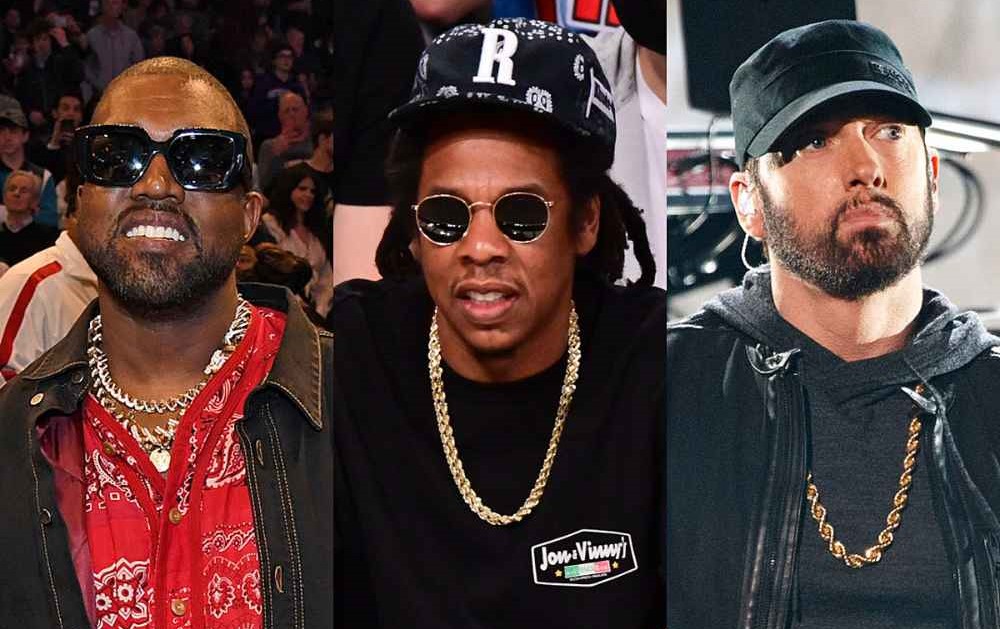
The late 1990s and early 2000s saw hip-hop embracing digital technology, which drastically changed the way music was produced and consumed. Artists like Jay-Z, Eminem, and Kanye West pushed the boundaries of the genre, incorporating new sounds and production techniques that appealed to a global audience. The advent of digital downloading and streaming platforms further expanded hip-hop’s reach, making it one of the most popular genres worldwide.

Kanye West’s “The College Dropout” is a prime example of this era, blending soulful samples with introspective lyrics and innovative production techniques. Eminem’s “The Marshall Mathers LP” broke records and sparked discussions about the boundaries of lyrical content and censorship.

Social and Political Impact: More Than Music

Hip-hop has always been a powerful vehicle for social commentary and activism. Artists like Tupac Shakur, N.W.A, and Kendrick Lamar have used their music to shed light on issues such as police brutality, systemic racism, poverty, and inequality. Through their lyrics, hip-hop artists have sparked conversations, challenged the status quo, and become the voice of disenfranchised communities.

Kendrick Lamar’s “To Pimp a Butterfly” is an album that perfectly encapsulates this role. It addresses racial inequality, personal struggles, and societal issues with a mix of jazz, funk, and spoken word, creating a modern masterpiece that resonates deeply in the current socio-political climate.

“To Pimp A Butterfly” by Kendrick Lamar (Full Album)

The Influence of Technology: Shaping the Future

Technology has played a crucial role in the evolution of hip-hop. From the use of early samplers and drum machines to the latest AI-driven music production tools, technological advancements have continually reshaped the genre. Today, artists use sophisticated software to create innovative sounds, and platforms like YouTube and TikTok have become essential for music promotion and fan engagement.

Astronomical is an other-worldly experience by Travis Scott and Cactus Jack’s creations, built from the ground up in Fortnite. Watch the full event experience now.

Artists like Travis Scott have harnessed the power of technology to create immersive experiences, such as his virtual concert in Fortnite, which attracted millions of viewers and showcased the potential for digital performances.

Conclusion

Hip-hop’s impact extends far beyond the United States. From the UK’s grime scene to French rap and South African hip-hop, artists from around the world have embraced the genre, infusing it with their own cultural identities and languages.

The future of hip-hop looks promising, with new artists emerging and pushing the genre in exciting directions. As it continues to evolve, hip-hop remains a powerful voice in the cultural landscape, influencing fashion, language, and even politics. The genre’s ability to adapt and innovate ensures its enduring appeal and relevance.

Learn more about the evolution of hip-hop at Music Industry Weekly.

Hip-hop has evolved from its roots in New York City to become a global cultural phenomenon.

Crafting Hits: Inside the Songwriting Process of 2024’s Top Tracks

0

Ever wondered how the biggest hits of 2024 are crafted? Here’s an insider look at the songwriting and production processes behind this year’s chart-toppers, along with some unique hacks that top artists and producers use to create their magic.

The Songwriting Journey

The journey of a hit song often starts with a simple idea. Songwriters gather in studios or connect virtually, brainstorming melodies and lyrics that will resonate with listeners. This year, collaborative efforts have been especially fruitful, with artists blending genres and experimenting with new sounds.

TIPS

  • Morning Pages: Many songwriters start their day with “morning pages,” a practice of writing stream-of-consciousness thoughts to clear their minds and spark creativity. This technique has led to some of the most catchy hooks and memorable lines.
  • Environment Change: To keep ideas fresh, songwriters often change their environment. Writing sessions in parks, cafes, or even different rooms can lead to new inspirations and perspectives.

The Production Phase

Once the songwriting is complete, the song moves into the production phase. Producers work tirelessly to bring the song to life, layering instruments, adding beats, and fine-tuning every element to perfection.

For instance, Jack Antonoff, known for his work with artists like Taylor Swift and Lorde, uses a mix of vintage analog equipment and modern digital tools to create a unique sound. His approach blends the warmth of classic recordings with the precision of contemporary production techniques.

TIPS

  • Using Oblique Strategies: Developed by Brian Eno and Peter Schmidt, Oblique Strategies are cards with prompts designed to break creative blocks. Producers draw a card to gain a new angle on their work, leading to innovative production techniques.
  • Recording Everything: Producers and artists keep recording devices handy to capture every spontaneous idea. These recordings often contain the seeds of the next big hit.
Microphones with different purposes and effects.

In the Recording Studio

The recording studio is where the magic happens. Artists pour their hearts into multiple takes, harmonizing vocals, and adding special effects to enhance the final product.

In 2024, many artists are using AI-driven tools to experiment with their vocal arrangements and add unique effects. This technology helps them push the boundaries of traditional music production. Artists like Grimes have been pioneers in this space, using AI to create otherworldly vocal textures and harmonies that would be impossible to achieve otherwise.

TIPS

  • AI-Driven Tools: In 2024, many artists are using AI-driven tools to experiment with their vocal arrangements and add unique effects. This technology helps them push the boundaries of traditional music production.
  • Collaboration: Regular writing sessions with other musicians provide fresh insights and keep the creativity flowing. Collaborations often result in dynamic and unexpected elements in the music.
Sound music recording and creation studio at work.

Mixing and Mastering

Mixing and mastering are critical to the final sound of a track. Mixing ensures all elements are balanced, while mastering polishes the song, making it ready for radio and streaming.

Mixing engineers like Serban Ghenea, who has worked with artists like The Weeknd and Ariana Grande, are known for their meticulous attention to detail. They ensure every instrument and vocal track is perfectly balanced to create a cohesive and impactful sound.

TIPS

  • Limiting Tools: Some producers limit themselves to using a single instrument or a minimal set of tools. This constraint forces them to think creatively and focus on the essence of the song.
  • Embracing Imperfections: Rather than striving for perfection, many artists embrace imperfections. This mindset allows for experimentation and often leads to unique, authentic sounds.

Release and Promotion

Once the song is ready, it’s time to release and promote it. Social media, music videos, and live performances play crucial roles in reaching the audience and climbing the charts.

Artists like Lil Nas X have mastered the art of viral marketing. His use of TikTok to promote “Old Town Road” set a new standard for music promotion, and he’s continued to leverage social media to keep his audience engaged with every new release.

TIPS

  • Engaging Fans: Interaction with fans through social media, live chats, and exclusive content helps build a loyal fanbase. Platforms like TikTok and Instagram are essential for creating viral moments.
  • Analyzing Performance: Artists and producers use tools like Instagram Insights and TikTok Analytics to understand what resonates with their audience, refining their approach for future releases.

Discover more behind-the-scenes stories and tips at Music Industry Weekly.

Get an insider look at how 2024’s top hits are made and the unique hacks used by today’s top artists and producers.

Blockchain and Music: Paving the Way for a New Era in Copyright and Royalties

0

Blockchain technology is poised to transform music rights management. This article discusses how blockchain could revolutionize copyright and royalties in the music industry.
Transparent Transactions

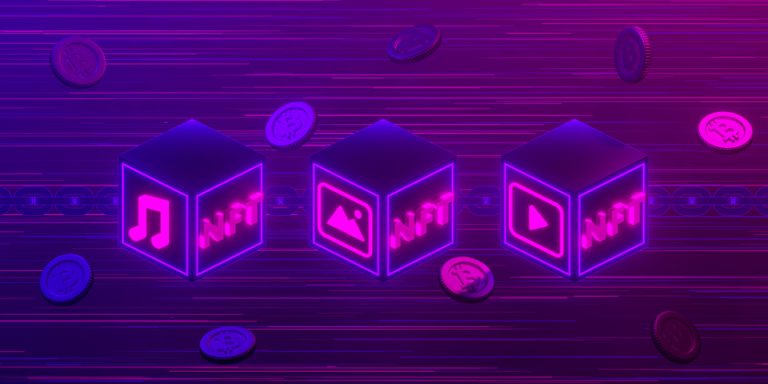
Blockchain offers transparent and immutable transaction records. This ensures that all parties involved in a music track, from artists to producers, receive accurate credit and compensation. By providing a clear and tamper-proof record of every transaction, blockchain technology helps eliminate disputes over royalty payments. Everyone involved in the creation of a song gets their fair share.

Smart Contracts

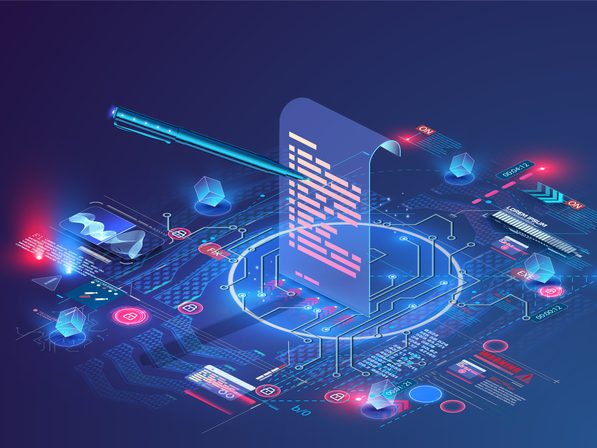
Smart contracts on blockchain platforms automate royalty payments. When a song is played or sold, the contract automatically distributes payments to the rights holders. This reduces delays and errors. This automation streamlines the royalty payment process, making it more efficient and reliable. Smart contracts also handle complex payment structures. They ensure royalties are distributed according to pre-agreed terms without manual intervention.

Piracy Prevention

Blockchain helps combat piracy by creating a verifiable digital record of ownership. This makes it easier to track and enforce copyright, protecting artists’ intellectual property. With blockchain, each copy of a digital music file can be uniquely identified and traced. This makes it difficult for unauthorized copies to be distributed. As a result, it reduces the incidence of music piracy and ensures artists receive proper compensation for their work.

Direct Artist-to-Fan Sales

Blockchain platforms facilitate direct sales between artists and fans. This reduces the need for intermediaries and increases the artist’s share of revenue. By using blockchain, artists can sell their music directly to fans. They receive payments instantly and avoid the fees typically charged by traditional distribution channels. This helps artists retain more control over their work and increase their earnings.

Challenges and Adoption

While the potential of blockchain is significant, there are challenges to widespread adoption. Issues such as scalability, regulatory acceptance, and industry education need to be addressed. For blockchain to be widely adopted in the music industry, solutions that handle large volumes of transactions efficiently are necessary. Additionally, regulatory frameworks must be established to ensure blockchain-based systems comply with existing laws and regulations. Finally, industry stakeholders need to be educated about the benefits and challenges of blockchain technology to encourage its adoption.

Future Outlook

Looking ahead, the integration of blockchain technology in the music industry holds great promise. As technology evolves, we can expect to see more sophisticated blockchain solutions tailored to the needs of artists and rights holders. Innovations such as decentralized music platforms and blockchain-based royalty tracking systems could further revolutionize the industry. These innovations will provide greater transparency, fairness, and efficiency. The ongoing development and adoption of blockchain technology will likely lead to a more equitable music ecosystem. In this ecosystem, artists can thrive and be rewarded fairly for their contributions.

Learn more about blockchain and its impact on music rights at Music Industry Weekly.

Blockchain technology is set to revolutionize music rights management and royalties.

Understanding Music Licensing: A Guide for Independent Artists

Music licensing is a complex but crucial aspect of the music industry. This article breaks down the complexities of music licensing and its importance for revenue.

What is Music Licensing?

Music licensing is the process of granting permission to use a song in various formats, such as films, commercials, and video games. It ensures that artists are compensated for the use of their work. This compensation can come in the form of royalties or a one-time payment, providing a significant source of income for musicians.

Types of Licenses

There are several types of music licenses, each serving a different purpose and providing different rights to the licensee:

  • Synchronization (Sync) Licenses: These allow the licensee to synchronize music with visual media, such as movies, TV shows, advertisements, and video games.
  • Mechanical Licenses: These are required when a song is reproduced on physical media (like CDs) or digital platforms (like streaming services).
  • Performance Licenses: These licenses are needed for the public performance of music, whether live or broadcasted on radio and TV.

Understanding the differences between these licenses is essential for artists to ensure they are adequately compensated and their rights are protected.

How to License Music

Independent artists can license their music through various platforms:

  • Licensing Agencies: These organizations handle the licensing process on behalf of artists, connecting their music with potential licensees.
  • Music Libraries: These are collections of music available for licensing, often used by filmmakers, advertisers, and other content creators.
  • Direct Deals with Content Creators: Artists can negotiate directly with filmmakers, advertisers, and other media producers to license their music.

Understanding the terms and conditions of each agreement is crucial. Artists should pay close attention to the scope of the license, the duration, and the compensation terms to ensure they are fair and beneficial.

Benefits of Licensing

Licensing can provide a significant revenue stream for artists. It also offers exposure, as licensed songs often reach new audiences through different media. For instance, a song featured in a popular TV show or advertisement can boost an artist’s visibility and attract new fans. Additionally, licensing can create opportunities for collaboration and further placements, enhancing an artist’s career prospects.

Challenges and Considerations

While licensing offers many benefits, it also comes with challenges. Negotiating fair terms, protecting intellectual property, and understanding the legal aspects can be complex. Independent artists must be vigilant about their rights and seek advice from legal professionals when necessary. Legal guidance can help artists navigate contracts, understand their rights, and ensure they are adequately compensated for their work.

Learn more about music licensing and its benefits at Music Industry Weekly.

Understanding music licensing is crucial for independent artists seeking revenue opportunities.