Key Music Conferences to Attend in the Final Months of 2024

0

Amsterdam Dance Event (ADE)

Date: October 16-20, 2024
Location: Amsterdam, Netherlands

ADE is the leading conference and festival for electronic music. It brings together artists, DJs, and industry professionals from around the world. The event features numerous panels, workshops, and performances, providing a comprehensive look at the electronic music scene.

How to Attend: Tickets and passes for ADE can be purchased through their official site. Various packages are available, including access to specific events and full festival passes.

Reeperbahn Festival

Date: September 18-21, 2024
Location: Hamburg, Germany

Reeperbahn Festival is one of Europe’s largest music industry events, combining a music festival with a conference. It offers showcases of new talent, industry panels, and networking opportunities, making it a key event for professionals looking to discover new music and trends.

How to Attend: Tickets can be purchased via the Reeperbahn Festival website. Early bird discounts are available.

MaMA Festival & Convention

Date: October 16-18, 2024
Location: Paris, France

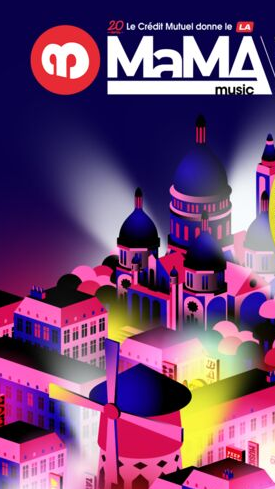
MaMA Festival & Convention is a key event for the music industry in Europe, focusing on networking, workshops, and showcases. It provides a platform for industry professionals to meet, exchange ideas, and discover new talent.

How to Attend: Tickets and passes can be purchased through the MaMA Festival official site. Various packages are available to suit different needs.

Billboard Live Music Summit

Date: November 5-6, 2024
Location: Los Angeles, California

The Billboard Live Music Summit is a premier event for live music professionals. It features discussions on the latest trends in live music, artist interviews, and networking opportunities with industry leaders.

How to Attend: Tickets are not on up for sale yet. Read up on the latest Billboard Live Music Summit information here.

Conclusion

Attending music conferences is an invaluable way for artists and industry professionals to connect, learn, and grow. The events highlighted in this article offer unique opportunities to engage with the music community and stay informed about the latest trends. Mark your calendars for these must-attend conferences in 2024!

The Sound of Success: How Music Drives Olympic Viewership

Music has always been an integral part of the Olympic experience, from the opening ceremonies to the closing celebrations. However, its impact on viewership and engagement during the Games is often overlooked. Let’s explore how music influences the way audiences connect with the Olympics, driving increased viewership and creating memorable moments that keep fans coming back.

The Power of Music in Advertising

One of the most significant ways music shapes Olympic viewership is through advertising. The organizing committee and sponsors carefully select songs that evoke emotions and create anticipation for the upcoming events. Danielle Venne, Executive Creative Director at Made Music Studio, emphasizes the importance of music in advertising: “Music has the power to subconsciously affect us emotionally, heightening the experience and connecting the athletes to popular culture.”

The use of iconic songs in Olympic promos, such as Dolly Parton’s version of “We Are The Champions / We Will Rock You,” creates a sense of familiarity and excitement among viewers. These familiar tunes act as earworms, sticking in people’s minds and encouraging them to tune in to the Games.

Music and Viewer Engagement

Music also plays a crucial role in keeping viewers engaged throughout the Olympics. The carefully curated soundtracks that accompany the events create a sense of anticipation and drama. This heightens the emotional impact of the competitions. Jean-Michel Jarre, a renowned French composer and music director for the Paris 2024 Olympics, emphasizes the importance of music in enhancing the viewing experience: “Music has the power to transform a moment, making it unforgettable.”

Moreover, the integration of immersive audio-visual experiences, such as IMAX screenings of the opening ceremony, further enhances viewer engagement. These technologies allow audiences to feel more connected to the events. Consequently, this creates a sense of shared experience that encourages them to keep watching.

The Cultural Olympiad: A Platform for Musical Diversity

The Cultural Olympiad, which runs alongside the Olympic Games, serves as a platform for showcasing the diversity of musical styles from around the world. By incorporating a wide range of genres, from traditional folk music to contemporary pop, the Olympics appeal to a broader audience and encourage viewers to explore new musical horizons.

Additionally, Marie-Claude Pietragalla, a choreographer and artistic director involved in the Paris 2024 ceremonies, emphasizes the importance of cultural representation in the music selection: “Music is a universal language that can unite people from different backgrounds. By incorporating diverse musical traditions, we can create a celebration that resonates with everyone.”

The Lasting Impact of Olympic Music

The music featured during the Olympics often becomes iconic, transcending the event itself and becoming part of popular culture. Songs like John Williams’ “Olympic Fanfare” and Vangelis’ “Chariots of Fire Theme” have become synonymous with the Games. These songs evoke memories of past competitions and inspire new generations of athletes and viewers.

The lasting impact of Olympic music is evident in the way it shapes the viewing experience. Fans often associate specific songs with their favorite events or athletes, creating a personal connection to the Games that keeps them engaged year after year.

Conclusion

Music is a powerful tool in shaping Olympic viewership, driving engagement, and creating lasting memories. By carefully selecting songs that evoke emotions, connect with popular culture, and showcase cultural diversity, the organizing committee and sponsors can create an experience that resonates with audiences worldwide. As the 2024 Paris Olympics approach, it’s clear that music will continue to play a vital role in the success of the Games. It will captivate viewers and inspire them to tune in to the excitement of the competition.

Behind the Beats: Crafting the Perfect Olympic Playlist

0

As the 2024 Paris Olympics approach, excitement is palpable not only for the competing athletes but also for the carefully curated musical experience that will accompany the Games. Music has always played a significant role in the Olympics, enhancing the emotional impact of the ceremonies and connecting audiences to the spirit of competition. This year, the music selection is more intentional than ever, focusing on diversity, cultural representation, and modern relevance. This article offers a behind-the-scenes look at how the Olympic playlist is crafted, featuring insights from music directors working on the event.

The Role of Music in the Olympics

Music is a powerful tool that shapes the Olympic experience, evoking emotions and creating memorable moments. From the opening ceremony to the closing celebrations, the soundtrack of the Olympics sets the tone for the entire event. It brings together athletes, spectators, and viewers from around the world, fostering a sense of unity and excitement.

Danielle Venne, Executive Creative Director at Made Music Studio, emphasizes the importance of music in enhancing the Olympic experience. “Music has the power to subconsciously affect us emotionally, heightening the experience and connecting athletes to popular culture,” she explains. “The right music can transform a moment, making it unforgettable.”

Curating the Playlist: A Collaborative Effort

The process of curating the Olympic playlist involves collaboration among various stakeholders, including music directors, cultural advisors, and the organizing committee. The goal is to create a soundtrack that reflects the host nation’s cultural identity while also appealing to a global audience.

Jean-Michel Jarre, a renowned French composer and music director for the Paris 2024 Olympics, shares his vision for the event. “We want to celebrate the diversity of music while highlighting France’s rich musical heritage,” he says. “The playlist will feature a blend of traditional French music and contemporary genres, ensuring that it resonates with both local and international audiences.”

Emphasizing Diversity and Cultural Representation

One of the key themes in the music curation for the Paris Olympics is diversity. The organizing committee is committed to showcasing a wide range of musical styles, representing various cultures and traditions. This approach not only honors the host country’s heritage but also reflects the global nature of the Games.

Marie-Claude Pietragalla, a choreographer and artistic director involved in the ceremonies, emphasizes the importance of cultural representation. “Music is a universal language that can unite people from different backgrounds,” she explains. “By incorporating diverse musical traditions, we can create a celebration that resonates with everyone.”

The playlist will include various genres, from classical compositions to contemporary pop and electronic music. This eclectic mix aims to engage a broad audience, ensuring everyone can find something that speaks to them.

Iconic Collaborations and Performances

The 2024 Paris Olympics will feature performances by some of the most iconic artists in the music industry. Collaborations between established musicians and emerging talent will highlight the ceremonies. For instance, Christine and the Queens is expected to perform, bringing her unique blend of pop and theatricality to the stage.

Additionally, the organizing committee is exploring partnerships with global artists to create an inclusive musical experience. Snoop Dogg, who has been involved in promotional campaigns for the Games, is expected to contribute his unique perspective and musical style, further enhancing the Olympic soundtrack.

The Impact of Technology on Music Curation

Technology advancements are also shaping how music is curated for the Olympics. Integrating immersive audio-visual experiences will enhance the emotional impact of the performances. For example, the opening ceremony will feature IMAX screenings, allowing audiences to experience the music in a larger-than-life format.

“Technology allows us to push the boundaries of what’s possible in live performances,” says Venne. “We can create an experience that captivates audiences and makes them feel truly connected to the event.”

Conclusion

As the 2024 Paris Olympics draw near, the anticipation surrounding the carefully curated musical experience is palpable. From the collaborative efforts of music directors to the emphasis on diversity and cultural representation, the Olympic playlist promises to be a vibrant celebration of global music. The power of music to evoke emotions, connect people, and enhance the Olympic experience is undeniable.

At Music Industry Weekly, we are excited to witness the unforgettable performances that will grace the Olympic stage. As the Games approach, we recognize that music is not just an accompaniment to the events; it is an integral part of the Olympic spirit, uniting athletes and audiences in a shared celebration of culture, artistry, and human achievement.

Music Startups to Watch: Innovative Companies Transforming the Industry

The music industry is undergoing a transformation, driven by innovative startups that are reshaping how music is created, distributed, and consumed. This article highlights some of the most exciting music startups to watch in 2024, showcasing their contributions to the industry.

1. Audius

Audius is a decentralized music streaming platform that empowers artists by allowing them to share their music directly with fans. By cutting out intermediaries, Audius ensures that artists retain a larger share of their earnings. With a growing user base and innovative features, Audius is revolutionizing the way music is distributed.

2. DistroKid

DistroKid is a digital distribution service that enables independent artists to release their music on major streaming platforms. With a user-friendly interface and affordable pricing, DistroKid has become a go-to choice for emerging artists looking to get their music heard. Their commitment to empowering musicians makes them a startup to watch.

3. Landr

Landr is an AI-powered platform that offers automated mastering services for musicians. By utilizing advanced algorithms, Landr provides high-quality mastering at an accessible price point. This innovative approach allows artists to focus on their creativity while ensuring their music sounds professional.

4. Songfinch

Songfinch is a unique platform that connects musicians with fans looking for personalized songs. Users can commission original songs for special occasions, creating a meaningful connection between artists and listeners. This innovative concept has gained traction, making Songfinch a standout in the music startup landscape.

5. BandLab

BandLab is a social music platform that allows musicians to collaborate, create, and share their music with others. With features like multi-track recording and a built-in social network, BandLab fosters creativity and collaboration among artists. As it continues to grow, BandLab is transforming how musicians connect and create.

Conclusion

These innovative startups are reshaping the music industry, offering new solutions and opportunities for artists. As they continue to grow and evolve, their impact on the music landscape will be significant. Keeping an eye on these companies will provide valuable insights into the future of music.

From Past to Present: The Evolution of Olympic Music

The Olympic Games have long been a celebration of athletic excellence. Aside from this, they are also a grand showcase of cultural expression. Music plays a pivotal role in the ceremonies and overall experience. From stirring anthems that mark the opening and closing ceremonies to the carefully curated soundtracks that accompany athletes’ journeys.

This article traces the history of music in the Olympics. How has it transformed over the years and what is its significance in creating memorable moments?

The Early Years: Classical Roots

In the early days of the modern Olympics, music was primarily classical, reflecting the cultural values of the time. The inaugural modern Olympic Games in Athens in 1896 featured performances of classical compositions. It set a tone of grandeur and tradition. As the Games evolved, the music selected for the ceremonies often included pieces from renowned composers.

One of the most iconic pieces associated with the Olympics is the “Olympic Fanfare and Theme”. It was composed by John Williams for the 1984 Los Angeles Games. Its triumphant brass and sweeping strings, encapsulated the spirit of competition and celebration, becoming a staple in Olympic history.

The Rise of Popular Music

As the Olympics progressed into the late 20th century, the music landscape began to shift dramatically. The integration of popular music into the ceremonies marked a significant change, reflecting broader cultural trends. The 1996 Atlanta Olympics were notable for featuring Celine Dion performing “The Power of the Dream”. It was such a powerful anthem that it became synonymous with the Games. This marked the beginning of a trend where well-known artists would take center stage, connecting the Olympics to contemporary culture.

The 2000 Sydney Olympics further embraced this shift, with performances by artists like Kylie Minogue and Savage Garden. The inclusion of popular music didn’t just appeal to younger audiences. It also created a more inclusive atmosphere, allowing for a celebration of diverse musical styles.

Cultural Representation and Globalization

With the advent of globalization, the Olympics began to reflect a broader array of cultural influences in their musical selections. The 2008 Beijing Olympics showcased a spectacular fusion of traditional Chinese music and modern performances, including a breathtaking display featuring thousands of drummers playing ancient percussion instruments. This emphasis on cultural representation highlighted the host nation’s heritage while also appealing to a global audience.

Similarly, the 2012 London Olympics featured a mix of British musical icons, including Paul McCartney and Emeli Sandé, celebrating the rich musical history of the UK. The closing ceremony, which included a parade of iconic British artists, demonstrated how the Olympics could serve as a platform for cultural celebration and national pride.

The Modern Era: Diverse Genres and Collaborations

As we approach the 2024 Paris Olympics, the evolution of Olympic music continues to embrace a wide range of genres and collaborations. The organizing committee is expected to feature a blend of traditional French music alongside contemporary pop and electronic sounds, reflecting the cultural vibrancy of the host nation. Artists like Christine and the Queens and Stromae are anticipated to bring their unique styles to the stage, showcasing the diversity of modern music.

Additionally, technology in music production has opened new avenues for creativity in Olympic ceremonies. The integration of immersive audio-visual experiences, such as IMAX screenings of the opening ceremony, promises to enhance the emotional impact of the performances, making the music an integral part of the overall spectacle.

The Significance of Music in the Olympic Experience

The evolution of music in the Olympics is not just about changing styles; it reflects broader cultural shifts and societal values of each era. Music has the power to evoke emotions, create a sense of unity, and enhance the overall experience of the Games. As athletes from diverse backgrounds come together to compete, the accompanying soundtrack serves as a reminder of the shared human experience that transcends borders.

Moreover, music selection for the Olympics is a carefully curated process that considers cultural significance, historical context, and contemporary relevance. The goal is to create an inclusive atmosphere that resonates with both local audiences and viewers around the world.

Conclusion

From classical roots to pop, the evolution of Olympic music mirrors the changing cultural landscape of our society. As the 2024 Paris Olympics approach, we can expect a rich tapestry of musical styles that celebrate the diversity of participating nations while honoring the traditions of the Games. The power of music to connect, inspire, and elevate the Olympic experience is undeniable, and it will continue to play a vital role in shaping the narrative.

At Music Industry Weekly, we recognize the impact of music on the Olympic experience. As the Games draw near, we look forward to the unforgettable performances that will grace the stage, reminding us of the power of music to inspire and unite. The Olympics are not just about athletic achievement; they are a vibrant celebration of culture, artistry, and the enduring spirit of humanity.

Rising Stars: Emerging Artists to Watch in 2024

As the music industry continues to evolve, new talent emerges, bringing fresh sounds and perspectives. This article highlights some of the rising stars to watch in 2024, showcasing their unique styles and potential for success.

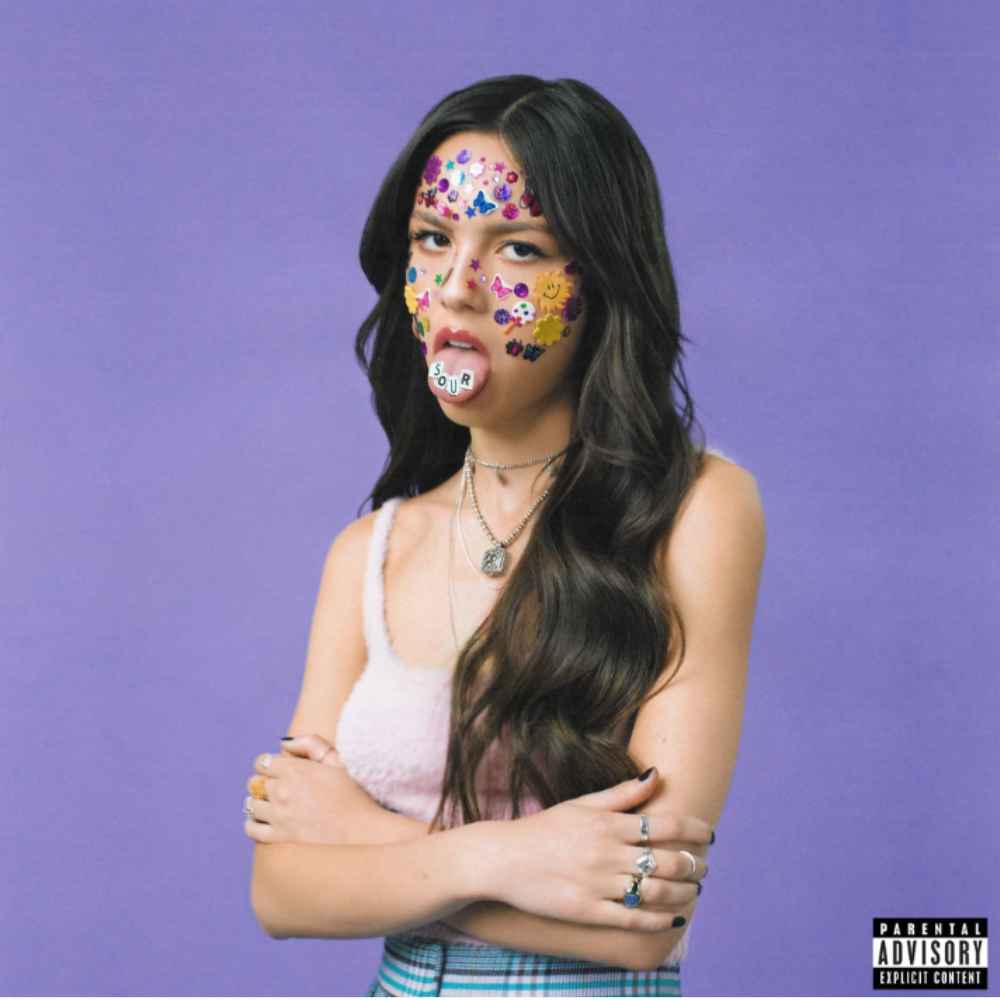
1. Olivia Rodrigo

After her breakout success with “drivers license,” Olivia Rodrigo has solidified her place in the music industry. Her ability to connect with audiences through relatable lyrics and powerful vocals has garnered her a dedicated fan base. As she prepares to release new music in 2024, expectations are high for her continued success.

2. PinkPantheress

With her genre-blending sound and innovative approach to music, PinkPantheress has captured the attention of listeners worldwide. Her ability to fuse elements of pop, R&B, and electronic music sets her apart in the crowded landscape. As she continues to release new material, her unique style is sure to resonate with fans.

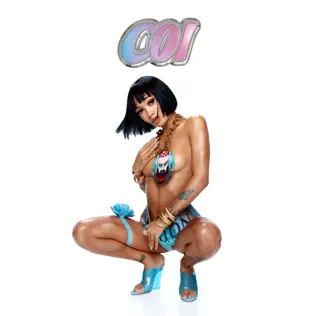
3. Coi Leray

Coi Leray has made waves in the hip-hop scene with her energetic performances and catchy tracks. Her unique blend of rap and melodic hooks has garnered attention from both fans and industry insiders. As she continues to rise, Leray is poised to become a household name in 2024.

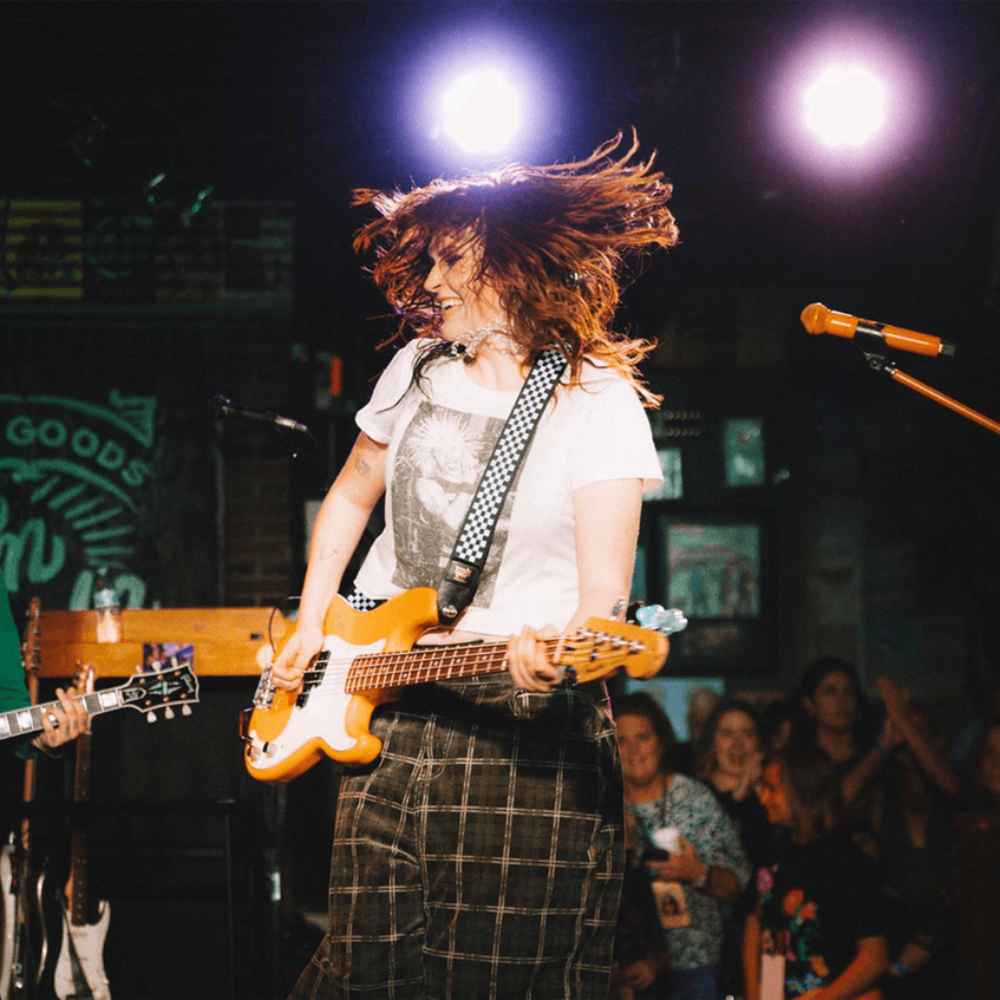
4. GAYLE

With her breakout single “abcdefu,” GAYLE has quickly become a force in the pop music landscape. Her bold lyrics and infectious melodies resonate with a generation seeking authenticity in music. As she prepares to release new music, GAYLE’s trajectory is one to watch.

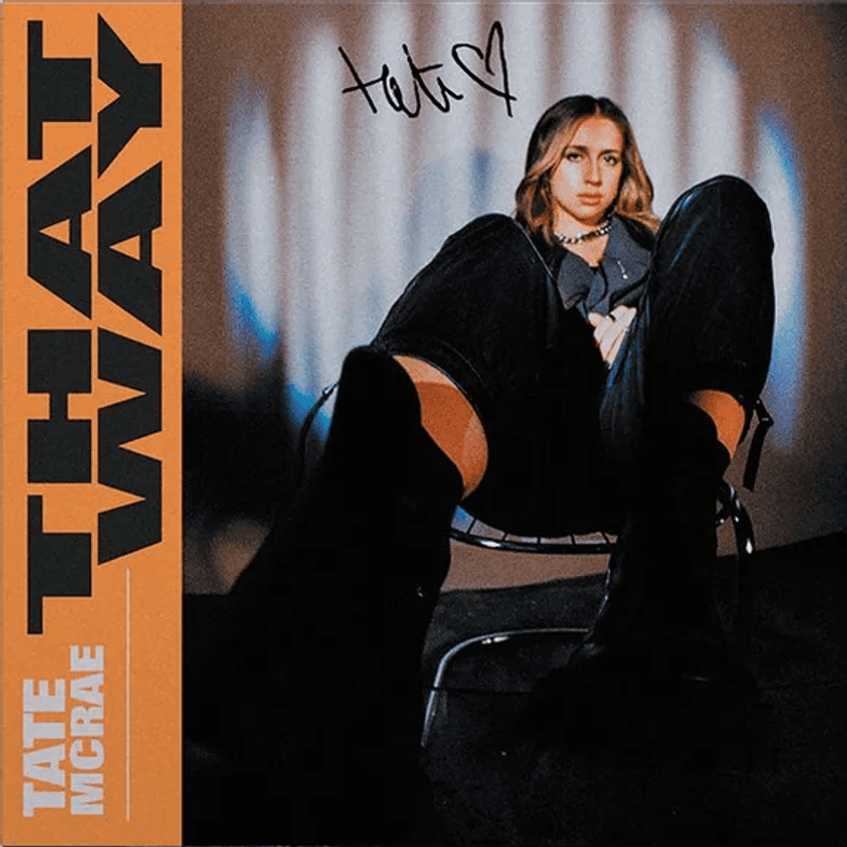
5. Tate McRae

Tate McRae has established herself as a rising star in the pop world, known for her emotive songwriting and captivating performances. With a growing fan base and a string of successful singles, McRae’s journey in 2024 is sure to be one of continued growth and success.

Conclusion

The music industry is constantly evolving, and these emerging artists are poised to make a significant impact in 2024. With their unique sounds and compelling stories, they represent the future of music. As fans eagerly anticipate their new releases, it’s clear that these rising stars are ones to watch.

Ceremonial Sounds: The Importance of Music in Olympic Opening and Closing Events

The Olympic Games are a celebration of athletic excellence, but they are also a grand showcase of cultural expression, with music playing a pivotal role in the opening and closing ceremonies. From stirring anthems to iconic performances, the melodies that accompany these events are carefully selected to evoke emotions, honor traditions, and create unforgettable moments. This article analyzes the significance of music in the Olympic ceremonies, covering iconic performances and the selection process that shapes these musical experiences.

The Role of Music in Olympic Ceremonies

Music has been an integral part of the Olympic experience since the inception of the modern Games. The opening and closing ceremonies are designed to encapsulate the spirit of the Olympics, and music serves as a powerful vehicle for this message. It enhances the visual spectacle, sets the emotional tone, and connects athletes and spectators alike.

Research indicates that music can significantly influence emotions and perceptions, making it a crucial component of the Olympic experience. The right soundtrack can elevate the excitement of an event, create a sense of unity among participants, and leave a lasting impression on viewers. The selection of music for these ceremonies is not taken lightly; it involves a meticulous process that considers cultural significance, historical context, and contemporary relevance.

Iconic Performances Through the Years

Over the years, the Olympic ceremonies have featured performances by some of the world’s most renowned artists, each bringing their unique flair to the stage. Here are a few standout moments:

  • John Williams’ Olympic Fanfare: Composed for the 1984 Los Angeles Olympics, this piece has become synonymous with the Games. Its triumphant brass and stirring strings encapsulate the essence of Olympic spirit, evoking feelings of pride and excitement.
  • Celine Dion’s “The Power of the Dream”: Performed at the 1996 Atlanta Olympics, Dion’s powerful rendition resonated with audiences and became an anthem of hope and perseverance. Her performance exemplified how music can transcend language barriers and connect people emotionally.
  • Bjork’s Ethereal Performance: At the 2004 Athens Olympics, Icelandic artist Bjork delivered a mesmerizing performance that combined traditional and contemporary elements. Her unique sound and visual artistry highlighted the cultural richness of the host nation while captivating audiences worldwide.
  • Sir Paul McCartney’s “Hey Jude”: During the 2012 London Olympics, McCartney led the crowd in a sing-along of his iconic song, creating a moment of unity and celebration. This performance showcased how music can bring people together, transcending the boundaries of sport.

The Selection Process for Musical Acts

The selection of musical acts for the Olympic ceremonies involves a collaborative effort between the organizing committee, cultural advisors, and artistic directors. The goal is to create a program that reflects the host country’s cultural heritage while also appealing to a global audience.

  1. Cultural Representation: The organizing committee often seeks to include music that represents the host nation’s cultural identity. This can involve traditional folk music, contemporary pop, or a blend of both, ensuring that the ceremonies resonate with local audiences while also appealing to international viewers.
  2. Diversity of Genres: The Olympics aim to showcase a wide range of musical genres, from classical compositions to modern hits. This diversity not only reflects the global nature of the Games but also allows for a richer and more engaging experience for spectators.
  3. Emotional Impact: The emotional resonance of music is a crucial factor in the selection process. Organizers aim to choose pieces that evoke feelings of joy, pride, and inspiration, enhancing the overall atmosphere of the ceremonies.

The Future of Music in Olympic Ceremonies

As the 2024 Paris Olympics approach, the role of music in the opening and closing ceremonies will continue to evolve. With advancements in technology and changes in cultural trends, organizers are likely to explore new ways to integrate music into the Olympic experience. This could include immersive audio-visual performances, collaborations with contemporary artists, and innovative uses of digital platforms to reach global audiences.

Conclusion

Music is an essential component of the Olympic Games, enriching the opening and closing ceremonies with emotional depth and cultural significance. From iconic performances by legendary artists to the careful selection of musical acts, the ceremonial sounds of the Olympics create a powerful backdrop for the celebration of athletic achievement. As we look forward to the 2024 Paris Olympics, it is clear that music will continue to play a vital role in shaping the Olympic experience, connecting athletes and audiences in a shared celebration of human spirit and cultural diversity.

At Music Industry Weekly, we recognize music’s profound impact on the Olympic experience. As the Games approach, we anticipate the unforgettable performances that will grace the stage, reminding us all of the power of music to inspire, unite, and celebrate our shared humanity. The Olympic ceremonies are not just about competition; they are a vibrant celebration of culture, artistry, and the enduring spirit of the Games.

Cultural Harmonies: National Pride Through Music at the 2024 Paris Olympics

0

As the 2024 Paris Olympics approach, the excitement extends beyond athletic achievements to the rich cultural expressions set to be showcased. This year, athletes from around the globe are using music to highlight their cultural identities and national pride, creating a powerful soundtrack that resonates with audiences worldwide. This article explores how different athletes represent their countries through music, the significance of their chosen songs, and the artists behind them.

New Zealand: The Haka and Māori Identity

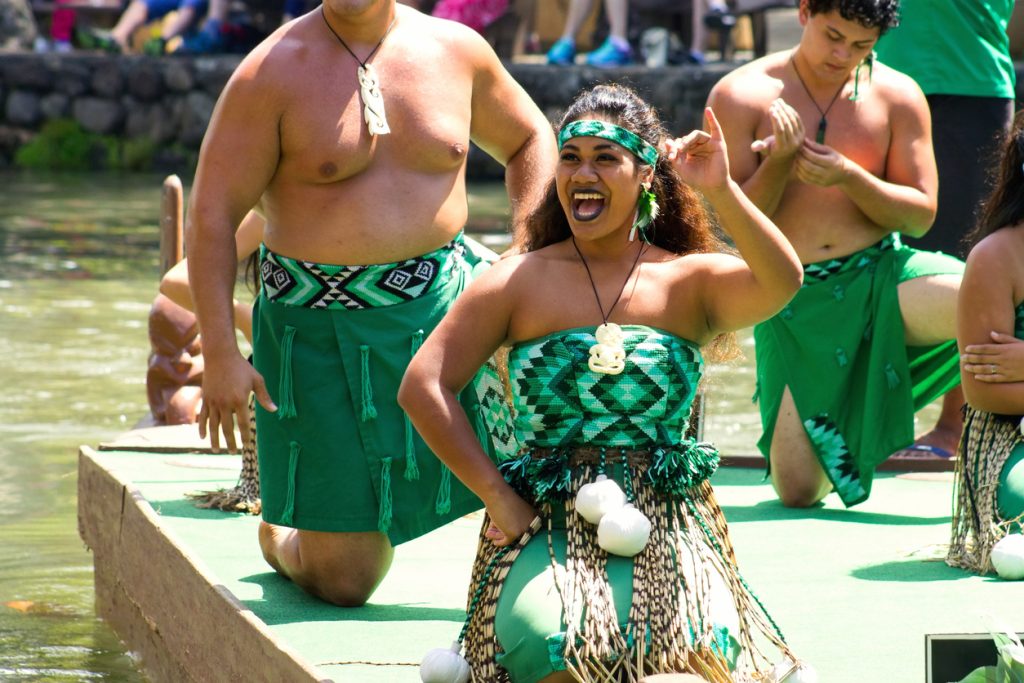
Oahu, HI, USA- May 27, 2016: Maori performers entertaining visitors on a canoe float at the Polynesian Cultural Center, a popular tourist attraction of Oahu.

New Zealand’s Laurel Hubbard made headlines as the first openly transgender woman to compete in the Olympics. During her Olympic journey, Hubbard embraced the powerful tradition of the haka. This ceremonial Māori war dance symbolizes strength, unity, and cultural pride. The haka, performed with rhythmic chanting and vigorous movements, helps athletes connect with their roots and energize their teammates.

Hubbard’s choice to incorporate the haka into her Olympic experience showcases her Māori heritage. It also underscores the importance of cultural representation in sports. The haka resonates deeply with New Zealanders and reminds them of the rich cultural tapestry that defines the nation.

Australia: The Didgeridoo and Indigenous Heritage

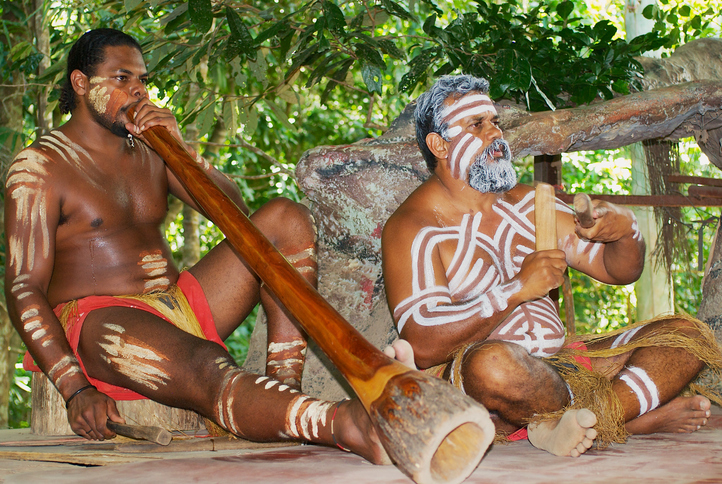
Kuranda, Australia – November 07, 2007: Unidentified aborigine actors perform music with traditional instruments in the Tjapukai Culture Park in Kuranda, Queensland, Australia.

Australian athletes are expected to feature performances that include the didgeridoo, an iconic wind instrument of Indigenous Australians. The deep, resonant sounds of the didgeridoo are not only musically captivating but also rich in cultural significance. Athletes like Ashleigh Barty, a tennis star, have expressed pride in showcasing Indigenous culture through music. By incorporating the didgeridoo into their Olympic journey, these athletes aim to raise awareness about Indigenous heritage and promote cultural respect and understanding.

Scotland: Bagpipes and National Pride

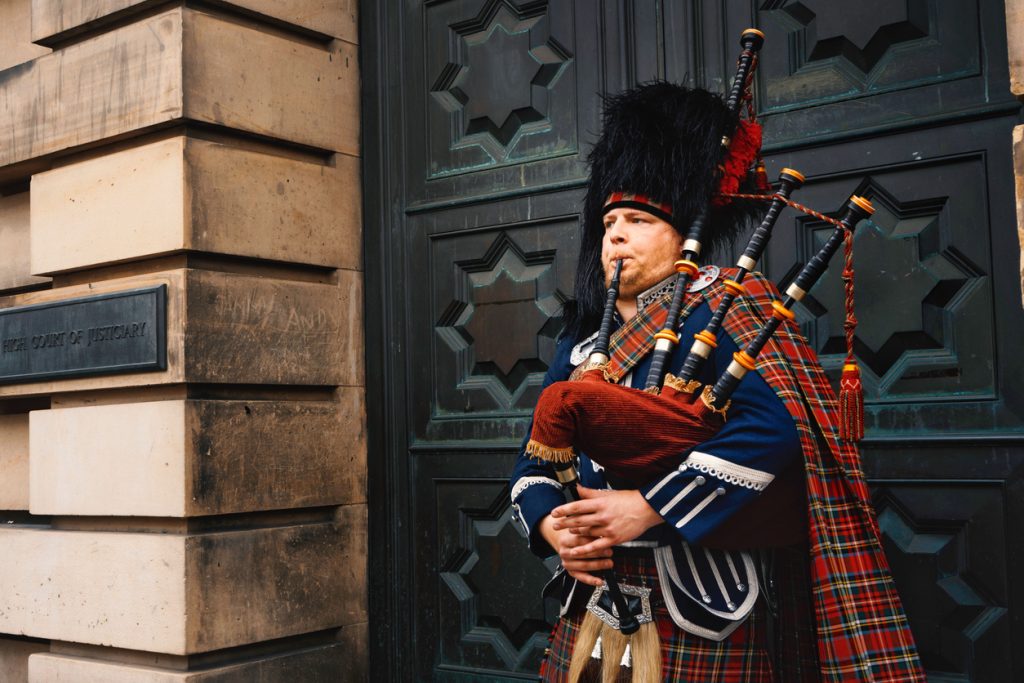
edinburgh, United Kingdom – July 23, 2022: A closeup of a bagpipe street performer at the Royal Mile in Edinburgh, Scotland

Scottish athletes are bringing the stirring sounds of the bagpipes to the Olympic Games, a quintessential symbol of their national identity. Bagpipe music, often associated with celebrations and ceremonies, evokes a strong sense of pride among Scots. Athletes like Laura Muir, a middle-distance runner, have been seen practicing their bagpipe skills in the Olympic Village, sharing this cherished tradition with fellow competitors. The powerful sound of the pipes serves as a reminder of Scotland’s rich cultural history and unites athletes in a shared expression of national pride.

Latin America: Vibrant Rhythms and Cultural Celebration

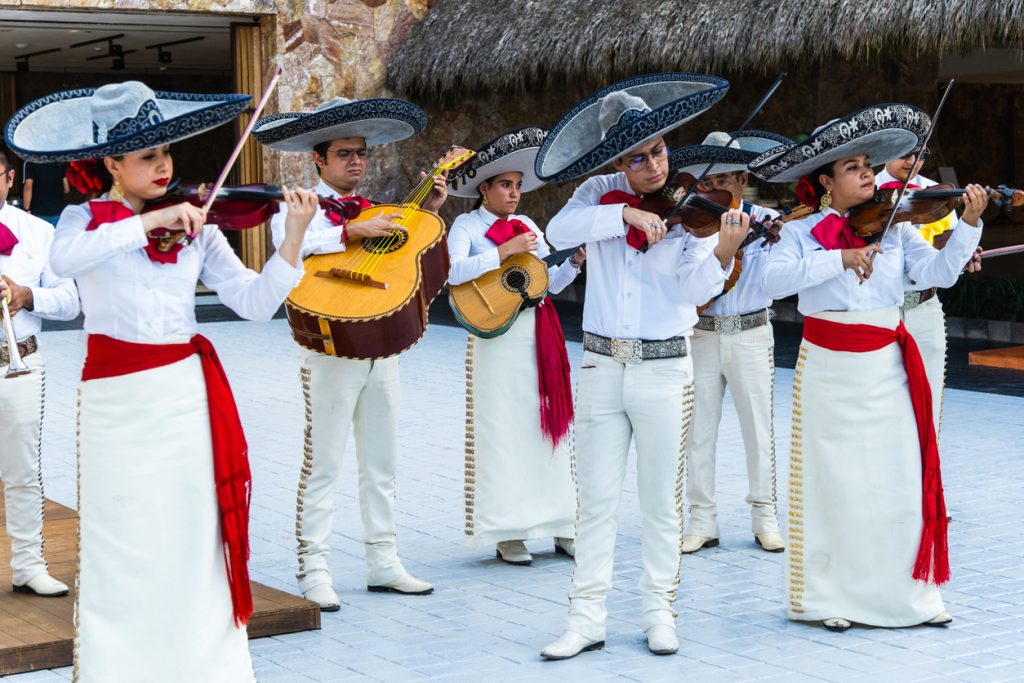
San Francisco, Mexico – January 02, 2022: A beautiful shot of Mariachi musicians band dressed in white playing in the street

Athletes from Latin American countries, such as Brazil and Mexico, are expected to showcase their cultural heritage through lively musical performances. The infectious rhythms of samba and mariachi will likely accompany various events, creating an atmosphere of celebration and joy. Brazilian athletes, in particular, are known for their passion for music and dance. They often break into spontaneous samba performances in the Olympic Village. These vibrant displays not only entertain but also educate audiences about the cultural significance of these musical styles. This fosters a deeper appreciation for Latin American heritage.

South Korea: K-Pop and Global Influence

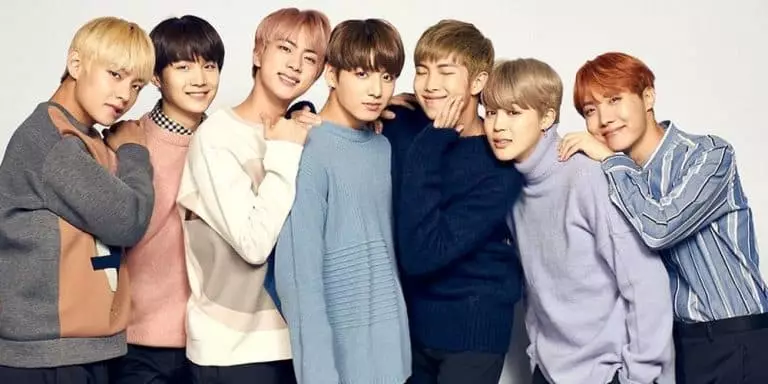
The global phenomenon of K-pop is set to make waves at the Paris Olympics. South Korean athletes are embracing their musical heritage. The infectious energy of K-pop, characterized by catchy melodies and intricate choreography, has captured the hearts of fans worldwide. Athletes like Son Heung-min, a soccer star, have been seen dancing to K-pop hits in the Olympic Village. By incorporating K-pop into their Olympic experience, these athletes not only celebrate their national identity but also promote South Korea’s cultural influence on the global stage.

Conclusion

The 2024 Paris Olympics are poised to be a celebration of not only athletic excellence but also the rich cultural diversity represented by the participating nations. Through music, athletes are showcasing their national pride and cultural identities, creating a powerful soundtrack that resonates with audiences around the world. From the haka of Laurel Hubbard to the bagpipes of Scotland, and the rhythms of Latin America to the global reach of K-pop, these musical expressions highlight the beauty of cultural diversity.

At Music Industry Weekly, we are excited to see how music plays a pivotal role in shaping the Olympic experience. As athletes use their platforms to celebrate their heritage, they inspire future generations to embrace their cultural roots and share their stories with the world. The Paris 2024 Olympics are not just about competition; they are a vibrant celebration of the rich tapestry of human culture and identity.

Training Tunes: Training Tunes: Boosting Athletic Performance with Music at the 2024 Olympics

0

As the 2024 Paris Olympics approach, athletes worldwide are ramping up their training regimens. One essential tool in their arsenal is music. Music plays a pivotal role in enhancing athletic performance, from pumping up their adrenaline to helping them focus. This article explores how athletes leverage the power of sound to elevate their training and competition experiences, examining the science behind their choices and the impact of music on performance.

The Science Behind Music and Performance

Research has shown that music can have a profound effect on physical performance. Studies indicate that listening to music while exercising can increase endurance, improve mood, and even enhance motivation. The right playlist can distract athletes from fatigue and discomfort, allowing them to push through barriers that might otherwise hold them back.

Tempo and Rhythm: The tempo of a song can significantly influence an athlete’s performance. Fast-paced tracks, typically around 120 to 140 beats per minute, can help maintain a high level of intensity during workouts. For instance, runners often choose songs with a quick beat to synchronize their strides, effectively enhancing their pace.

Emotional Connection: Music has the power to evoke emotions, and athletes often choose tracks that resonate with their personal experiences or aspirations. This emotional connection can boost confidence and create a sense of empowerment, motivating athletes to perform at their best.

Music Genres and Athlete Preferences

Athletes have diverse musical tastes, and their choices often reflect their personalities and the nature of their sport. Here’s a look at some popular genres among athletes:

1. Hip-Hop and Rap: Many athletes gravitate towards hip-hop for its high energy and motivational lyrics. Artists like Drake, Eminem, and Cardi B frequently appear on training playlists, providing the perfect backdrop for intense workouts.

  • Hip-hop and rap are often associated with sports that require strength, power, and agility, such as basketball, football, and sprinting.
  • Athletes who choose hip-hop and rap tend to be highly motivated, confident, and determined. They appreciate the genre’s energetic and rhythmic qualities, which can help them stay focused and pumped up during training and competition.

2. Electronic Dance Music (EDM): The pulsating beats of EDM are favored by many athletes, particularly those in high-intensity sports. Tracks from artists like Calvin Harris and Tiësto can create an electrifying atmosphere, helping athletes maintain their energy levels.

  • EDM is popular among athletes in intense and high-energy sports, such as cycling, running, and CrossFit.
  • Athletes who choose EDM tend to be outgoing, energetic, and passionate about their sport. They appreciate the genre’s ability to create an immersive and motivating atmosphere, which can help them push their limits and stay focused during challenging workouts.

3. Rock and Metal: For athletes seeking a raw, powerful sound, rock and metal music can be incredibly motivating. Bands like Metallica and AC/DC are popular choices for those looking to channel aggression and intensity during their training sessions.

  • Rock and metal music are often associated with sports that require physical toughness and aggression, such as hockey, rugby, and boxing.
  • Athletes who choose rock and metal tend to be passionate, intense, and driven. They appreciate the genre’s raw energy and aggressive sound, which can help them channel their emotions and stay focused during intense training and competition.

4. Pop: Catchy pop songs often serve as feel-good anthems that can uplift an athlete’s mood. Artists like Dua Lipa and Ariana Grande frequently make the cut for their upbeat melodies and empowering lyrics.

  • Pop music is popular among athletes in a wide range of sports, from gymnastics and figure skating to swimming and tennis.
  • Athletes who choose pop tend to be optimistic, energetic, and outgoing. They appreciate the genre’s catchy melodies and uplifting lyrics, which can help them stay motivated and positive during training and competition.

Personalization: Crafting the Perfect Playlist

Athletes often spend considerable time curating their playlists to ensure they have the right mix of songs for different training sessions. This personalization is crucial; what works for one athlete may not resonate with another. 

Pre-Competition Rituals: Many athletes have specific songs they listen to before competitions to get into the right mindset. This ritual can help calm nerves and build confidence, creating a mental state conducive to peak performance.

Post-Workout Recovery: Music is also used during cool-down periods to aid recovery. Softer, more melodic tracks can help lower heart rates and promote relaxation, making the transition from high-intensity activity to rest more seamless.

The Role of Technology

With the rise of streaming services and music apps, athletes now have unprecedented access to a vast library of songs. Platforms like Spotify and Apple Music allow users to create and share playlists tailored to their specific needs. Additionally, wearable technology, such as smartwatches and fitness trackers, can integrate music playback, making it easier for athletes to listen while training.

The Olympic Experience: Music at the Games

At the Paris 2024 Olympics, music will play a significant role not only in athletes’ training but also during the events themselves. The organizing committee is expected to feature live performances and curated playlists that resonate with the spirit of the Games. This integration of music into the Olympic experience will enhance the atmosphere, creating memorable moments for both athletes and spectators.

Conclusion

As athletes prepare for the 2024 Paris Olympics, music remains a vital component of their training regimens. From enhancing performance to fostering emotional connections, the right soundtrack can make a significant difference in an athlete’s journey. As we look forward to the Games, it’s clear that music will continue to play an essential role in the world of sports, uniting athletes and fans alike in the pursuit of excellence.

At Music Industry Weekly, we celebrate the powerful relationship between music and athletics. As the Olympics approach, we recognize that the right tunes can inspire greatness, pushing athletes to achieve their personal bests. The fusion of music and sport not only elevates the Olympic experience but also underscores the universal language of sound that connects us all.


Maximizing Revenue Streams for Musicians in the Digital Age

0

In today’s dynamic music industry, artists face both challenges and opportunities. The digital age has revolutionized music consumption, distribution, and monetization. This article explores how musicians can maximize their earnings through various revenue streams in this evolving landscape.

Streaming Services: The Digital Frontier

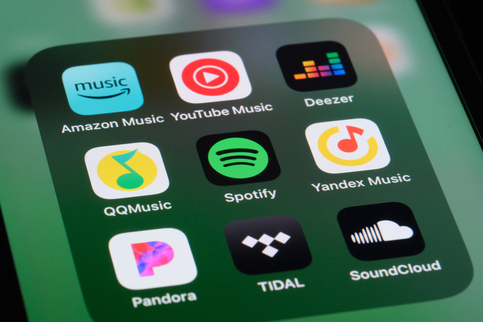
Streaming platforms like Spotify, Apple Music, and Tidal dominate music consumption. However, artists earn only a fraction of a cent per stream, necessitating strategies to boost play counts and revenue.

Shanghai,China-June 13st 2023: Spotify,QQ Music,Amazon music,Pandora,Youtube music,Deezer,Yandex music,TIDAL and SoundCloud app icon on screen. Assorted online Music streaming service brands

To increase streams, musicians should focus on building a loyal fan base. Engaging with listeners on social media, hosting live sessions, and releasing exclusive content can drive more plays. Collaborations with other artists can also expand reach and attract new fans.

Merchandise Sales: Connecting with Fans

Merchandise sales are a vital income source, offering fans tangible ways to support their favorite artists. Items like T-shirts, vinyl records, and posters not only generate revenue but also strengthen fan loyalty.

Offering limited-edition merchandise or exclusive bundles can boost sales and engagement. Utilizing online platforms like Bandcamp or Shopify enables direct-to-fan sales, increasing profit margins.

Live Performances: The Core of Income

Live performances remain a key income stream despite the rise of digital music. Concerts, tours, and festivals provide opportunities for direct fan interaction and substantial revenue from ticket and merchandise sales.

Diversifying performance venues can help maximize earnings. Smaller, intimate settings create unique experiences for fans and can reduce costs. Additionally, virtual concerts are becoming popular, allowing artists to reach global audiences without extensive travel.

Crowdfunding and Fan Support

Crowdfunding platforms such as Patreon and Kickstarter have revolutionized project funding for musicians. By offering exclusive content, behind-the-scenes access, or personalized experiences, artists can cultivate a dedicated supporter base willing to invest in their work.

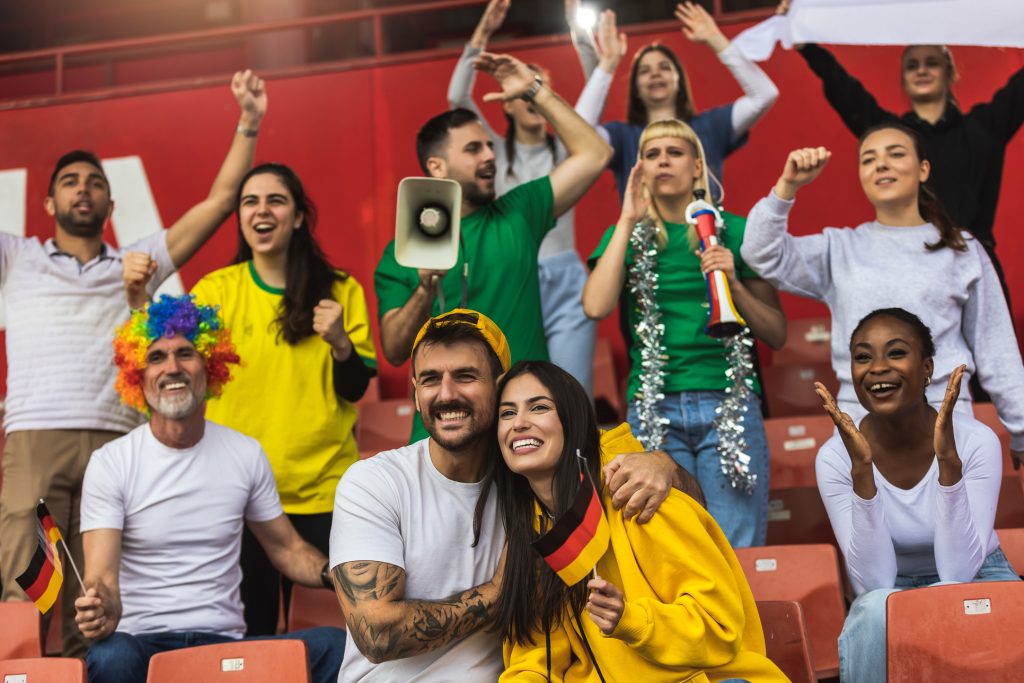
German football / soccer fans cheering at the stadium with flags and other equipment

This model not only provides financial support but also fosters a sense of community among fans. Regular updates and interaction with supporters can enhance loyalty and encourage ongoing contributions.

Licensing and Sync Deals: Expanding Horizons

Licensing music for films, TV shows, commercials, and video games presents significant revenue opportunities. Sync deals provide income and expose artists to new audiences.

To capitalize on this market, musicians should work with music supervisors or agencies specializing in licensing. Maintaining a high-quality catalog and an active online presence increases the likelihood of securing sync deals.

Conclusion

Musicians can leverage various revenue streams in the digital age to sustain and grow their careers. By effectively utilizing streaming platforms, merchandise sales, live performances, crowdfunding, and licensing opportunities, artists can optimize their earnings. As the music industry continues to evolve, adaptability and innovation remain key to success.