Ye’s New Album Bully: The Controversial China Listening Event and Its Impact on His Creative Direction

0

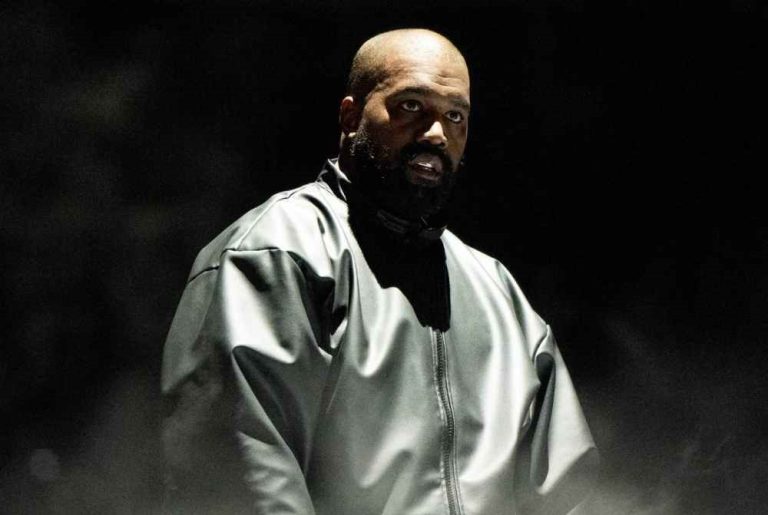
Kanye West, now known as Ye, has once again sparked a global conversation with the debut of his upcoming album Bully at a listening event in China. Held at the Wuyuan River Stadium in Haikou, this event marked Ye’s return to live performances in China after a 16-year hiatus. It was far from an ordinary album release. The album, featuring tracks like “Beauty and the Beast,” represents a new chapter in Ye’s creative journey. This phase is characterized by a blend of global politics and personal evolution.

The China Listening Event: A Bold Move

Ye’s decision to host a listening event in China was a statement in itself. It’s an unusual location for an album debut, especially for an artist known for leveraging political and social contexts surrounding his projects. The event garnered attention not just because of Ye’s return to the stage but also due to its geopolitical implications.

China’s strict censorship laws and complex relationship with Western celebrities, especially those with controversial reputations, made this event a calculated risk. By choosing China as the venue, Ye tested the boundaries of how Western artists engage with audiences in restrictive environments. He pushed creative limits while navigating a sensitive political landscape.

Bully’s Controversial Nature

The album title, Bully, invites speculation, particularly in the context of Ye’s career. His career has been marked by frequent conflicts with the media, fans, and other artists. Although the full content of the album remains unreleased, early snippets, such as the debut of “Beauty and the Beast,” suggest that Bully will continue Ye’s tradition of mixing personal reflection with social commentary. The choice of title may hint at Ye confronting his experiences of being targeted by the media, critics, or even society at large.

Political and Social Implications

The political undertones surrounding this release are impossible to ignore. Ye has previously made headlines for his bold political stances, such as his public support for Donald Trump and controversial remarks on slavery. The China listening event for Bully adds another layer to his evolving public image.

By holding the event in China, Ye seems intent on connecting with audiences outside of the Western media sphere, where his actions often face intense scrutiny. Some view this as an attempt to build a broader global presence, while others believe it’s a strategy to tap into China’s vast market potential. However, this decision raises questions about how his outspoken political views will be received in a country that tightly controls public discourse.

Ye’s Creative Direction: Pushing Boundaries or Provoking?

Bully reflects Ye’s ongoing exploration of identity, fame, and societal pressure. With tracks like “Beauty and the Beast,” which features a soft, contemplative tone, Ye once again pushes his creative boundaries. He blends introspective elements with aggressive themes, using his music as a platform to express his thoughts, struggles, and philosophies.

Debuting the album in China, where censorship is prevalent, showcases Ye’s willingness to embrace risk in his creative pursuits. This move underscores his commitment to challenging conventional norms. As always, Ye seems determined to confront societal boundaries head-on, and Bully may be the latest expression of this defiance.

Global Implications and the Future of Music

Ye’s Bully Listening event in China points to a broader shift in how artists engage with global audiences. As international markets play an increasingly vital role in artists’ success, Ye’s event signals a new era of cross-cultural engagement. However, this raises questions about whether political considerations will influence the music industry’s future. Will more artists follow Ye’s lead and enter controversial territories? If so, how will this affect their creative output and public personas?

Conclusion: Bully and Ye’s Unpredictable Path

Music Industry Weekly recognizes that Ye’s Bully debut in China exemplifies his relentless pursuit of innovation in music and global culture. While the controversies surrounding this release may polarize fans and critics alike, Ye remains a cultural force. The China listening event signals his evolving global strategy and his readiness to navigate political and social complexities. Whether Bully will be remembered for its music or its political implications remains to be seen. What is certain is that Ye continues to defy expectations and challenge norms as both a creator and provocateur.

Eve’s Eight-Figure Deal with Iconoclast: Securing Her Legacy in Hip-Hop

0

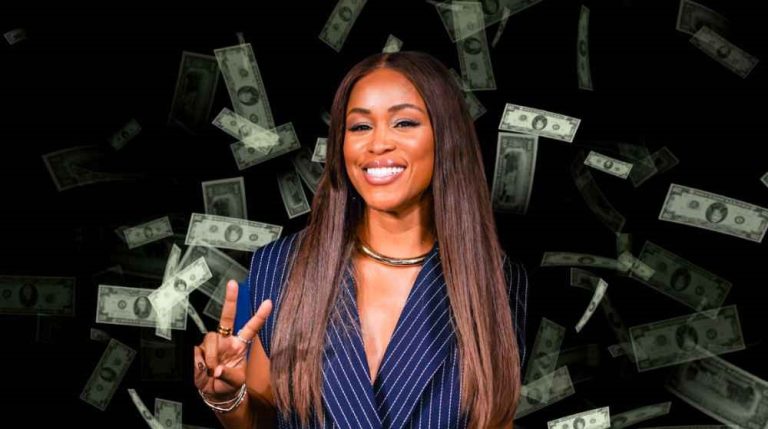
Rapper and actress Eve has struck a monumental eight-figure deal with Iconoclast. This company focuses on acquiring artist catalogs and securing long-term rights. Eve’s agreement highlights her lasting impact on the industry while showcasing the rising trend of artists selling music rights for significant amounts.

The Impact on Eve’s Legacy

Eve remains a key figure in hip-hop. As one of the few female rappers to achieve mainstream success in the late 1990s and early 2000s, she paved the way for future generations. Her hits, such as “Who’s That Girl?” and “Let Me Blow Ya Mind,” showcase her ability to combine sharp lyrics with broad appeal.

Through her partnership with Iconoclast, Eve ensures her music will continue to generate revenue for years to come. This deal offers financial security while protecting her catalog from mismanagement. As classic hip-hop experiences a resurgence and music rights grow in value, Eve solidifies her place in hip-hop history. Her contributions will remain relevant, accessible, and preserved for future generations.

The Growing Trend of Selling Music Rights

Eve’s move reflects a broader trend, with artists like Bob Dylan and Shakira also selling their catalogs. Several factors drive this shift:

  1. Increased Value of Music Rights: Streaming services have made music catalogs highly valuable. Companies like Iconoclast and Hipgnosis view them as lucrative investments.
  2. Financial Security: By selling their catalogs, artists receive large lump sums that offer long-term financial stability. This security is crucial, especially as touring revenues fluctuate.
  3. Legacy Management: Collaborating with established companies ensures artists’ music remains well-managed. This helps preserve their legacies while continuing to generate income.

Broader Implications for the Music Industry

The trend of selling music rights represents a shift in how music is valued and preserved. For Eve, the deal offers more than financial gains. It provides opportunities to extend her catalog’s reach through licensing, brand deals, and new creative projects. These ventures keep her music relevant while introducing it to new audiences.

Music rights have emerged as valuable assets. Investors see them as critical pieces of cultural history that also yield long-term financial benefits. This trend reshapes the music industry, with artists monetizing their life’s work while entrusting it to companies that will protect its legacy. As more artists follow Eve’s lead, the landscape of music ownership will continue to evolve.

Conclusion

Music Industry Weekly realizes that Eve’s eight-figure deal with Iconoclast secures her legacy in hip-hop and mirrors a growing trend of artists safeguarding their financial futures by selling music rights. As this trend expands, it will transform music ownership, influencing creators, investors, and fans alike.

Song House: The New Collaborative Hub for Emerging Artists

0

Song House is quickly becoming a key space in the music industry, offering a unique platform for up-and-coming artists to collaborate and innovate. By bringing together artists, producers, and songwriters in a shared environment, SH fosters creativity, often leading to viral hits. This article examines how Song House impacts the music industry by creating opportunities for collaboration and exploring how it helps shape the future of music.

A Creative Hub for Collaboration

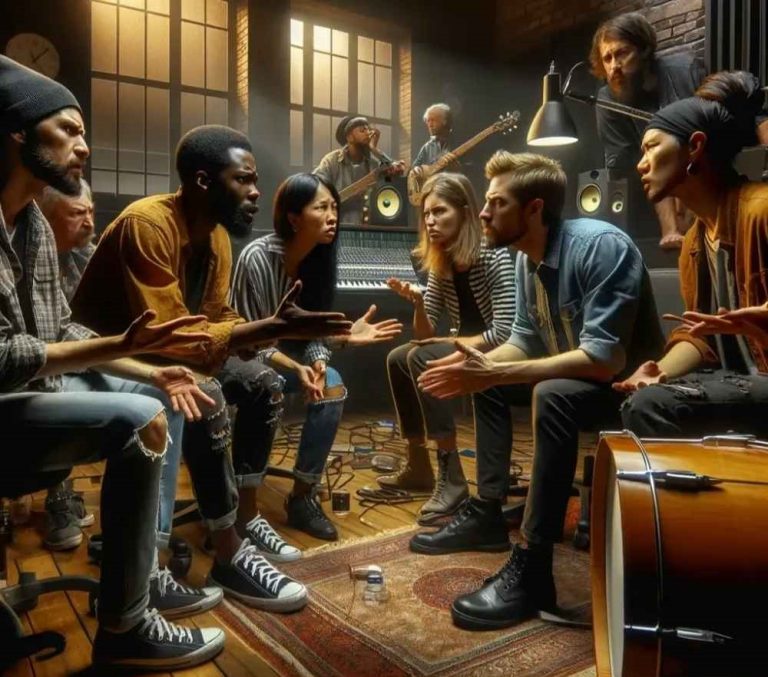
Song House is a collaborative hub where emerging artists can create music in a highly immersive setting. Unlike traditional recording studios with rigid structures, SH promotes creativity through shared experiences. By working together in real-time, artists can exchange ideas that spark breakthrough moments in music production.

Through this collective approach, SH encourages experimentation. The artists can take risks and explore new creative directions, leading to unexpected fusions of styles and genres. This collaboration often results in innovative tracks that appeal to diverse audiences and have the potential to reach a wide range of listeners.

Nurturing Emerging Talent

One of Song House’s most crucial roles is its support for young, emerging talent. These artists often face challenges breaking into the industry. Song House provides them with the tools, connections, and production support to refine their skills and showcase their music.

Within this collaborative space, new artists can learn from established producers and songwriters. They gain valuable insights into production techniques, songwriting methods, and the music business itself. The exposure they receive helps them gain traction in the broader music industry, providing a stepping stone to a successful career.

Creating Viral Hits

In today’s digital age, virality is a powerful force in the music industry. Social media platforms like TikTok can make songs popular overnight. Song House taps into this trend by creating catchy and relevant tracks designed to resonate with online audiences. The space has become known for producing songs that meet creative standards and have commercial appeal.

@thesonghouseco

This duo has definitely become one of our favorites 🤩Song is coming out first quarter of 2023!! 🥳 #songhouse #songwriter #originalsong #musicscene #musicislove

♬ original sound – Song House

Song House plays a pivotal role in helping artists produce music that stands out in the fast-paced world of streaming and social media. Artists who collaborate here often see their songs gaining traction online, which leads to greater visibility and success.

Fostering Long-Term Relationships

Beyond immediate creative projects, Song House builds lasting relationships between artists, producers, and songwriters. These connections often result in long-term collaborations that contribute to artists’ growth. Song House focuses on creating a community, encouraging participants to return for new sessions and further collaborations.

This sense of community fosters opportunities for cross-promotion and co-production, which helps artists expand their networks. The connections made at Song House give artists the chance to continue growing creatively while developing deeper partnerships with their peers.

Conclusion

Music Industry Weekly recognizes that Song House is reshaping the music industry by offering emerging artists a platform for collaboration, creativity, and career development. The space fosters innovation and encourages artists to explore new musical directions, leading to the production of viral hits. As a result, Song House nurtures the next generation of music talent, helping to define the future of the industry while emphasizing the power of collaboration.

BMI’s Lawsuit Against SiriusXM: Reshaping the Future of Music Licensing Fees

0

The music industry continues to grapple with issues surrounding royalties and licensing fees. BMI (Broadcast Music, Inc.) recently filed a significant lawsuit against SiriusXM, claiming the satellite radio company has underpaid for the use of its licensed music. This lawsuit could impact the music industry’s future, potentially raising the fees artists and songwriters receive from streaming platforms and broadcasters.

The Crux of the Lawsuit: What’s at Stake?

At the heart of the lawsuit lies a dispute over how much SiriusXM should pay for music rights. BMI collects royalties from businesses, such as radio stations and streaming platforms, and distributes them to songwriters and music publishers. According to BMI, SiriusXM has not paid fair fees under existing agreements. BMI aims to revise these royalties to better reflect the market value of its music catalog.

If BMI wins, SiriusXM could face increased costs. These changes could also encourage other broadcasters and streaming services to renegotiate their agreements. Such an outcome might force companies to reassess their relationships with PROs, impacting the entire music landscape.

How Licensing Fees and Royalties Could Change

Should BMI prevail in court, licensing fees may rise across the board. Streaming services like Spotify, Apple Music, and Pandora might have to increase their payments to rights holders. This could, in turn, lead to higher subscription costs for consumers. At the same time, songwriters and music publishers could benefit from receiving a more substantial share of the revenue. Higher royalties could potentially incentivize creativity and improve compensation for creators.

Implications for the Broader Industry

This lawsuit comes as the music industry faces increasing scrutiny over how digital platforms compensate creators. For years, artists have expressed frustration over the shrinking slice of revenue they receive from streaming. The legal battle between BMI and SiriusXM reflects the growing tension between performance rights organizations and broadcasters as music consumption shifts toward digital platforms.

A victory for BMI could also encourage other PROs, such as ASCAP, to seek similar legal actions. If this happens, artists might see higher payouts and a fairer share of the revenue. However, platforms like SiriusXM could push back by adjusting their business models or passing on the higher costs to consumers. This could reshape the music industry in unexpected ways.

Adapting Licensing to a Digital World

The outcome of this lawsuit may set a new precedent for how the music industry adapts to the digital age. With streaming services dominating music consumption, BMI’s case against SiriusXM highlights the challenges in determining the value of music rights. As digital platforms continue to evolve, so must the agreements that define how music is licensed and compensated. The case forces the industry to rethink how music is valued and who ultimately benefits from its distribution.

Conclusion: A Legal Battle with Far-Reaching Effects

Music Industry Weekly understands that the BMI vs. SiriusXM legal battle will have long-lasting implications for the music industry. If BMI succeeds in securing higher licensing fees, the case could prompt broader reforms that benefit songwriters and artists. Meanwhile, digital platforms might need to rethink their strategies for securing music rights in an increasingly complex market. As the industry moves forward, the outcome of this case could reshape the future of music licensing and royalties.

Alliance Entertainment’s CD Sales Surge with Taylor Swift’s Album: A Resurgence of Physical Media?

0

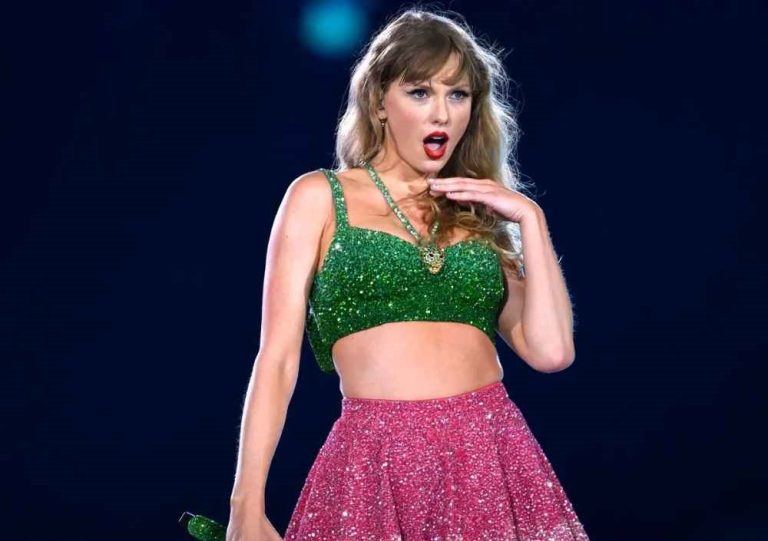
In the digital streaming era, physical media formats like CDs and vinyl records seemed destined to fade into history. However, Taylor Swift’s influence is once again proving to be a driving force in reshaping the music landscape. Alliance Entertainment, a major distributor of physical media, has seen a noticeable surge in CD sales, particularly fueled by the release of Taylor Swift’s Midnights and the re-recorded versions of her earlier albums (Taylor’s Version series). This rise in demand for CDs raises an interesting question: Could this resurgence signal a long-term comeback for physical media in the music industry?

The Taylor Swift Effect: Why CDs Matter Again

Taylor Swift’s dedicated fanbase, known as “Swifties,” is an essential part of why CD sales are surging. Swift has carefully cultivated a relationship with her fans, emphasizing the importance of owning physical copies of her albums as collectibles. Her ability to make each album release an event—complete with exclusive artwork, deluxe editions, and personalized packaging—has led to a massive demand for her physical releases. For example, Swift’s Midnights album was released in multiple versions, each with different cover art, encouraging fans to purchase more than one edition.

In the first week of its release, Midnights sold nearly 1.6 million copies across all formats, with around 400,000 units being physical CDs. This marks a significant shift for the industry, where streaming and digital downloads dominate. Swift’s approach emphasizes the value of tangible music products, transforming CDs into coveted collectibles rather than just a medium for audio playback.

A Broader Trend in the Industry?

While Taylor Swift’s sales are a significant factor, other artists and trends also point toward a potential revival of physical media, particularly among younger consumers. Vinyl records, which have seen a steady increase in sales over the last decade, have already demonstrated that physical formats can thrive in the streaming age. CDs, while not experiencing the same vinyl-level comeback, are now witnessing growth driven by specific high-profile releases.

Artists like Adele, BTS, and Harry Styles have also contributed to the resurgence of CDs, suggesting that there could be a broader interest in owning physical copies of albums. Limited edition releases, signed copies, and exclusive content packaged with physical albums provide fans with a tangible connection to their favorite artists, something digital streams can’t replicate.

Nostalgia Meets Collectibility

Nostalgia plays a crucial role in this revival. Many fans purchasing CDs today grew up in the 2000s when CDs were the dominant format for music. Owning a physical copy offers a sense of nostalgia for an era where album artwork, liner notes, and even the act of playing a CD held more significance in the music experience.

Moreover, CDs are becoming a collectible item, much like vinyl. Fans often see these products as limited-edition memorabilia rather than simple music formats. Artists like Taylor Swift have capitalized on this by offering limited runs of CDs with exclusive covers or bonus tracks that are not available on streaming platforms.

Future of Physical Media: A Niche but Enduring Market?

The question remains: Is the surge in CD sales a fleeting trend, or could it signal a longer-lasting return to physical formats? While streaming will likely remain the dominant mode of consumption, there’s evidence that physical media could coexist as a complementary offering. CDs, vinyl, and even cassettes are carving out a niche market, particularly among collectors, hardcore fans, and audiophiles.

In particular, artists who maintain strong fanbases—like Swift—can drive physical media sales with special releases and incentives. For distributors like Alliance Entertainment, the resurgence in CD sales driven by major artists is a reminder that physical formats, while no longer mainstream, still hold a meaningful place in the music industry’s diverse ecosystem.

Conclusion: The Resurgence of CDs—An Artist-Driven Phenomenon

Music Industry Weekly understands that Taylor Swift’s ability to drive CD sales highlights the enduring appeal of physical media, especially when artists treat album releases as more than just music drops but as collectible experiences. The resurgence of CD sales, particularly through high-profile releases, may not necessarily mark the return of the CD as a mainstream format. Still, it underscores the growing importance of physical media as a collectible, personalized, and nostalgic product in the music industry.

As long as artists continue to offer exclusive and unique incentives tied to physical media, we may see CDs and other formats sustain a niche, yet significant, presence in the broader music consumption landscape.

Kurt Cobain: What If He Lived? A Hypothetical Journey Through His Musical and Cultural Legacy

0

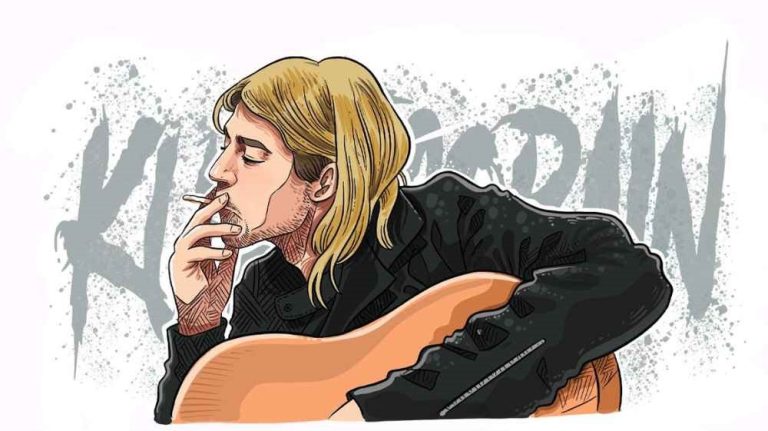
Kurt Cobain’s influence on the world of music is undeniable. As the lead singer and guitarist for Nirvana, his raw, authentic sound helped define the grunge movement and resonated with a generation grappling with existential angst. But what if Kurt Cobain had survived his struggles? How might his career, music, and cultural influence have evolved?

Musical Evolution: From Grunge to Experimental Sounds

Cobain was known for his innovative approach to music, blending punk rock with emotional depth. In a world where he survived past 1994, Cobain’s sound would likely have evolved significantly. While grunge might have remained part of his identity, Cobain had already begun to show interest in more experimental styles and acoustic elements. The MTV Unplugged session in 1993 hinted at his versatility, demonstrating a capacity to strip down his sound and focus on melody and vulnerability.

As the 2000s approached, Cobain could have delved deeper into alternative rock, perhaps exploring collaborations with electronic or avant-garde artists like Björk or Radiohead, who were similarly pushing boundaries at the time. His love for bands like The Pixies suggests that he might have leaned into a more melodic, layered approach to music, possibly creating a fusion of grunge, indie rock, and more experimental soundscapes.

Collaborations: Who Would Have Worked With Kurt Cobain?

Cobain was vocal about his musical inspirations, from punk bands like the Sex Pistols to more avant-garde artists like Daniel Johnston. Given this eclectic taste, collaborations with artists from a variety of genres could have been on the horizon. Imagine a partnership with Thom Yorke of Radiohead, blending Yorke’s atmospheric electronic influences with Cobain’s raw intensity. Or consider Cobain working with St. Vincent (Annie Clark), who shares his love for heavy guitars and experimental sounds.

As Cobain’s music matured, he might have also found common ground with artists like Beck, whose genre-blending style would have matched well with Cobain’s growing interest in different sounds. Additionally, Cobain’s early admiration for hip-hop could have led to groundbreaking cross-genre collaborations, similar to how Run-DMC teamed up with Aerosmith in the 1980s. His curiosity about other genres might have opened the door for working with artists like Kanye West or Childish Gambino in later years, embracing both innovation and cultural commentary.

Societal Issues and Cultural Influence: The Champion of the Outsiders

Cobain was not only a musician but also a cultural figure who often challenged societal norms. He was a fierce advocate for LGBTQ+ rights, gender equality, and the importance of mental health. Had he survived, Cobain would likely have continued to use his platform to speak out on issues that mattered to him, becoming a more prominent voice for marginalized communities.

In today’s social landscape, where mental health, gender fluidity, and racial equality dominate the conversation, Cobain’s voice would be more relevant than ever. His openness about depression and substance abuse would align him with the likes of Billie Eilish and Lizzo, artists who use their platform to advocate for self-acceptance and mental health awareness. Cobain’s influence could have extended beyond music into activism, perhaps supporting movements like #MeToo or Black Lives Matter, given his vocal opposition to toxic masculinity and his support for women’s rights.

Cultural Legacy: Reinventing Nirvana

While Nirvana’s legacy remains iconic, Cobain’s continued presence might have allowed the band to redefine itself or create new side projects. Dave Grohl, who went on to lead the Foo Fighters, might have remained as the drummer for Nirvana, allowing the group to continue pushing the boundaries of rock. However, Cobain’s restless spirit and desire for creative freedom suggest he may have eventually moved toward solo work, much like Paul McCartney’s post-Beatles.

Cobain might have embraced the rise of digital music in the early 2000s, possibly using platforms like MySpace, and later Spotify, to release experimental projects independently. This would have allowed him to avoid major label pressures, something he expressed frustration with during his lifetime. His keen sense of authenticity would have resonated well in the age of indie music and DIY culture, possibly mentoring or supporting a new generation of musicians.

Conclusion: An Unfinished Journey

In a world where Kurt Cobain lived, his influence would have undoubtedly continued to reshape the landscape of modern music. From pushing the boundaries of genre to speaking out on crucial societal issues, his voice would have remained relevant and influential. Whether through groundbreaking collaborations or evolving his sound in new directions, Cobain would have been a constant reminder of the power of music to transcend time, culture, and circumstance.

Music Industry Weekly recognizes that Cobain’s tragic death in 1994 left behind a legacy of what could have been. Yet, his impact remains etched in music history, and in this imagined reality, he would have continued to be a guiding force for creativity, rebellion, and the pursuit of truth in art.

The Economics of Streaming: Breaking Down the Revenue Streams

0

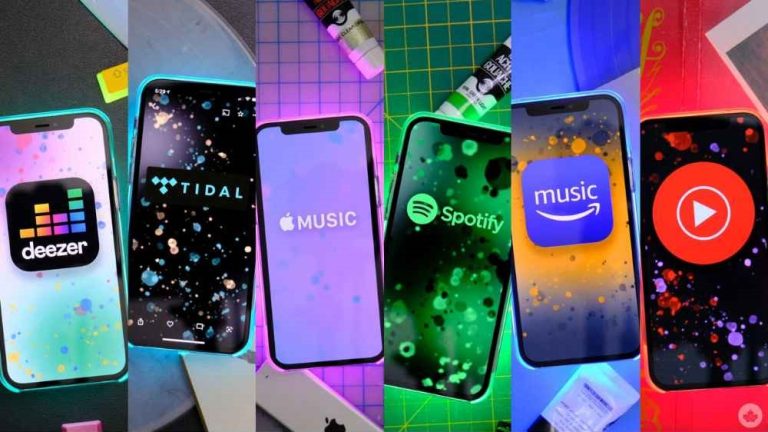
The rise of streaming platforms like Spotify, Apple Music, and YouTube has dramatically changed how music is consumed and monetized. Despite the vast listener base these services offer, the way revenues are distributed often leaves artists with meager payouts. Here’s an in-depth breakdown of how streaming revenues are structured, and how this affects artist pay.

Revenue Distribution Models

Streaming platforms use two main models to distribute royalties: the pro-rata model and the user-centric model.

  1. Pro-Rata Model (Most Common): Platforms like Spotify and Apple Music pool their total monthly revenue from subscribers and ads. They then distribute this pool proportionally based on the percentage of total streams an artist or rights holder garners. For example, if an artist accounts for 1% of total streams, they receive 1% of the payout pool.
  2. User-Centric Model: Less common but gaining interest, this method allocates royalties based on each user’s listening habits. For instance, if a user only listens to one artist all month, all their subscription revenue would go to that artist. This model is seen as potentially fairer for niche and independent musicians. Platforms like Deezer and SoundCloud are currently experimenting with this approach.

Key Factors Influencing Artist Payouts

Several factors determine how much artists earn per stream:

  • Rights Ownership: Artists who own their music’s master and publishing rights generally earn more. Those signed to major labels often receive a smaller portion, as labels take a significant cut.
  • Revenue Sharing: Platforms typically pay around 70% of their revenue to rights holders, but a large portion of that goes to labels rather than directly to artists.
  • Geography: Payouts vary by country based on local market rates. Streams in wealthier countries like the U.S. typically generate higher royalties than streams from developing markets.
  • Subscription Tiers: Premium subscribers generate higher royalties per stream than free users who listen to ads. Additionally, family and student plans tend to lower the payout per stream.

Current Streaming Rates (2024)

Despite the wide reach of streaming services, payout rates remain low. Here’s a rough estimate of how much platforms pay per stream:

  • Qobuz: $0.022 per stream
  • Napster: $0.019 – $0.021 per stream
  • Tidal: $0.013 per stream
  • Spotify: $0.00437 per stream
  • Apple Music: $0.0056 – $0.0078 per stream
  • YouTube Music: $0.0007 – $0.0012 per stream

The variance in payouts is stark, with lossless audio platforms like Qobuz and Tidal offering better rates than giants like Spotify and YouTube Music. However, Spotify’s dominance in market share means artists are often forced to prioritize exposure over earnings.

Impacts on Artists and Labels

For independent artists, the low per-stream payouts make it difficult to rely on streaming as a primary source of income. Most need millions of streams just to earn a modest living. Major stars backed by large labels, on the other hand, fare better due to higher promotion and larger listenership. However, even they have voiced frustrations. Taylor Swift and Thom Yorke, for example, have criticized the disparity between artist effort and streaming compensation.

For labels, the situation is more favorable. They typically control the master rights, giving them a significant portion of streaming revenues. Labels also have negotiating power that independent artists lack, securing more favorable terms from streaming services.

The Call for Change

Artists and advocacy groups are pushing for reforms to make streaming more sustainable for creators. One proposed change is a broader shift to the user-centric model, which could ensure niche artists earn more from dedicated listeners. Additionally, many argue for an increase in per-stream payouts across the board, alongside more transparency from streaming platforms regarding how royalties are calculated.

Conclusion: The Future of Streaming Economics

Music Industry Weekly understands that the economics of streaming are complex and continue to evolve. The current system largely benefits streaming platforms and record labels, while independent artists bear the brunt of the low payouts. Moving forward, a combination of regulatory changes and industry reforms, such as user-centric payment models, will be crucial in ensuring fair compensation for creators.

As streaming remains the dominant mode of music consumption, the industry will need to balance profitability for platforms and fair pay for artists to foster a more equitable ecosystem.

How to Build Creative Partnerships in Today’s Industry

0

Collaboration has always been a driving force in the music industry, but in today’s hyper-competitive landscape, building the right partnerships can make all the difference. The most successful creative partnerships don’t happen by chance. Instead, they are forged through mutual respect, clear goals, and shared values. Whether you’re an emerging artist or an industry veteran, forming strategic, creative alliances can open doors to new opportunities, innovation, and career longevity.

This article will offer practical advice on how to build creative partnerships, highlighting approaches that have proven effective in today’s rapidly evolving industry.

1. Identify Complementary Strengths

One of the keys to a successful partnership is recognizing the complementary strengths between collaborators. Before approaching a potential partner, assess what you bring to the table and what the other person offers. A great partnership is one where each party contributes unique skills or perspectives that complement each other. For example, if you’re a songwriter with a talent for lyrics, consider collaborating with a producer known for innovative sound design.

Look at legendary collaborations such as Elton John and Bernie Taupin, where one focused on the music and the other on the lyrics. The synergy between their distinct roles allowed them to craft hits that resonated across decades. Similarly, in today’s industry, understanding your strengths and pairing them with someone whose talents enhance or complete your own is crucial for creating memorable, successful work.

2. Establish Clear Communication

Effective communication is the backbone of any creative partnership. Before diving into a project, both parties should establish clear communication channels and agree on the goals and vision for the collaboration. Whether it’s setting expectations for timelines, sharing creative input, or navigating business decisions, transparency ensures that everyone is aligned and that misunderstandings are minimized.

Take the case of superproducer Max Martin, who has co-written hits with artists like Taylor Swift and The Weeknd. His success in part stems from his ability to communicate openly with the artists he collaborates with, ensuring that the song’s creative vision remains intact while incorporating the distinct styles of each artist.

3. Leverage Digital Platforms for Networking

In today’s music landscape, building partnerships isn’t limited to physical proximity. Platforms like SoundCloud, Instagram, TikTok, and even LinkedIn have become invaluable tools for artists seeking collaborations across the globe. These digital platforms allow musicians to showcase their work, connect with like-minded creators, and build relationships that can lead to fruitful collaborations.

Take the success story of Canadian artist Connor Price, who uses TikTok’s spinning globe challenge to choose random collaborators from different countries and genres. This creative and playful approach to networking has allowed him to expand his audience and work with a wide range of global talent, further enhancing his brand and reach.

4. Maintain Flexibility and Adaptability

While having a clear vision is essential, it’s equally important to remain flexible throughout the collaboration process. Creative partnerships often require compromises, especially when blending different styles or visions. Flexibility allows both partners to experiment, adapt, and ultimately create something that transcends individual expectations.

Look at how genre-defying collaborations like Run-D.M.C. and Aerosmith’s “Walk This Way” pushed the boundaries of both rock and hip-hop, creating a track that appealed to fans of both genres. Flexibility and a willingness to embrace the unexpected helped both acts achieve lasting success and reshape the music landscape.

5. Prioritize Long-Term Relationships

Building a successful partnership goes beyond a single project. Aim to foster long-term relationships with your collaborators. Consistency and trust developed over time can lead to more projects, greater creative freedom, and even business opportunities down the road.

Consider the longstanding collaboration between Drake and his producer Noah “40” Shebib. Their partnership, built on trust and mutual understanding, has led to numerous chart-topping hits and an evolving sound that continues to dominate the hip-hop and pop music scene. Long-term partnerships like these can bring stability and a deeper connection that transcends industry trends.

6. Understand the Business Side

Creative partnerships don’t only require artistic compatibility; they also demand a strong understanding of the business side. This includes negotiating splits, understanding intellectual property rights, and ensuring all parties are fairly compensated for their contributions. Many partnerships fall apart due to financial disputes, so it’s critical to clarify terms before starting a project.

Artists like Beyoncé and Jay-Z have demonstrated the importance of aligning creatively and financially. They built a collaborative empire that spans not only music but also business ventures. Clear contracts and mutually beneficial agreements ensure that both artists and producers can continue to collaborate without issues arising.

Conclusion: Building Lasting, Creative Partnerships

Music Industry Weekly understands that in today’s fast-paced and competitive music industry, forming creative partnerships can open doors to new sounds, bigger audiences, and sustained success. Whether you’re looking to collaborate locally or internationally, the principles remain the same: clear communication, complementary strengths, and a mutual commitment to the partnership’s success. By fostering relationships built on trust and a shared creative vision, artists can position themselves for lasting success.

The Most Iconic Collaborations in Music History

0

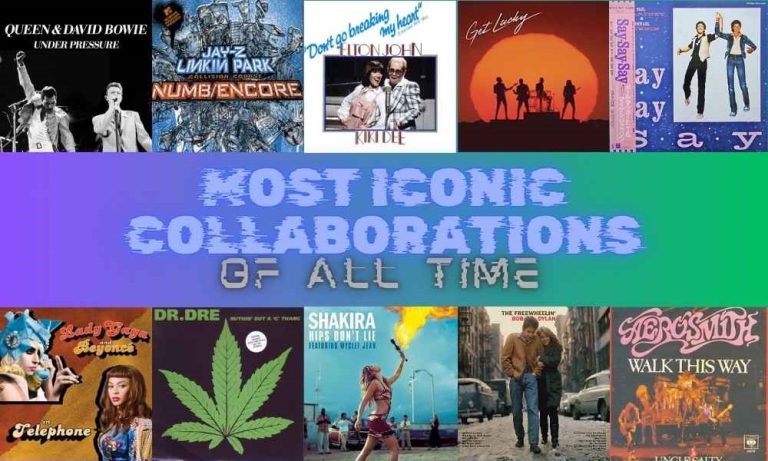
Collaborations in music have often transcended genres, cultures, and eras, producing timeless hits that shape the direction of modern music. Here is a curated list of the most iconic musical collaborations across different genres, analyzing what made them legendary and their lasting impact.

1. Queen & David Bowie – “Under Pressure” (1981)

This unexpected collaboration brought together two of the most influential figures in rock history: Queen and David Bowie. The song’s infectious bassline and emotive vocals became one of the most iconic moments in rock music. “Under Pressure” not only highlighted the range and creativity of both Bowie and Queen but also became a cultural touchstone for future generations. Its legacy continues to be felt in rock and pop music today, as countless artists have sampled or referenced it, including Vanilla Ice in “Ice Ice Baby.”

Impact: Elevated the concept of rock duets and set a standard for collaborations that transcend genres.

2. Jay-Z & Linkin Park – “Numb/Encore” (2004)

Jay-Z, a hip-hop titan, and Linkin Park, a nu-metal giant, created an unprecedented crossover hit with their mashup “Numb/Encore.” This collaboration blended rap with rock, ushering in a new era of genre fusion. It won the Grammy for Best Rap/Sung Collaboration in 2006 and proved that blending seemingly disparate genres could yield mainstream success. It also introduced a generation of rock fans to hip-hop and vice versa.

Impact: Showed that genre boundaries are meant to be pushed, and paved the way for more rap/rock collaborations.

3. Paul McCartney & Michael Jackson – “Say Say Say” (1983)

Paul McCartney, fresh off his time with The Beatles, teamed up with Michael Jackson, the King of Pop, for “Say Say Say.” Their chemistry was evident, and the song’s catchy melody helped it reach No. 1 on the Billboard charts. This collaboration bridged the gap between rock and pop while demonstrating how cross-generational partnerships can produce massive hits.

Impact: Symbolized a coming together of two generations of musical excellence, blending rock with pop seamlessly.

4. Aerosmith & Run-D.M.C. – “Walk This Way” (1986)

Few collaborations have been as revolutionary as Aerosmith and Run-D.M.C.’s “Walk This Way.” The track introduced hip-hop to mainstream rock audiences, creating a massive cultural shift that would shape the future of both genres. The innovative combination of Aerosmith’s hard rock guitar riffs and Run-D.M.C.’s rap verses broke barriers and ushered in the rise of rap-rock and hip-hop in mainstream music.

Impact: Redefined the possibilities of cross-genre collaboration and cemented hip-hop’s place in mainstream music.

5. Elton John & Kiki Dee – “Don’t Go Breaking My Heart” (1976)

Elton John and Kiki Dee’s infectious duet “Don’t Go Breaking My Heart” remains one of the most recognizable pop songs of the 1970s. Their playful, flirtatious vocal interplay made the song an international hit, reaching No. 1 in multiple countries. This collaboration underscored how pop duets can resonate universally, thanks to their charm and relatability.

Impact: Popularized the male-female duet format in pop music, inspiring future pop collaborations.

6. Lady Gaga & Beyoncé – “Telephone” (2009)

When two of the biggest pop stars of their generation—Lady Gaga and Beyoncé—teamed up for “Telephone,” it was a massive cultural event. The track combined Gaga’s eccentricity with Beyoncé’s polished R&B influence, creating an anthem for empowerment and independence. The music video, which took a cinematic approach, was also celebrated for its creativity and boldness.

Impact: Demonstrated the power of combining two distinct but complementary pop icons, setting new standards for collaboration in the digital era.

7. Dr. Dre & Snoop Dogg – “Nuthin’ but a ‘G’ Thang” (1992)

This collaboration between Dr. Dre and a then-unknown Snoop Dogg became a defining moment for West Coast rap. “Nuthin’ but a ‘G’ Thang” not only introduced Snoop to the world but also solidified Dr. Dre’s place as a groundbreaking producer. The smooth, laid-back track became a cornerstone of 90s hip-hop and a blueprint for future collaborations in the genre.

Impact: Set the stage for West Coast hip-hop dominance and laid the groundwork for future rapper/producer partnerships.

8. Shakira & Wyclef Jean – “Hips Don’t Lie” (2006)

Shakira and Wyclef Jean’s infectious collaboration “Hips Don’t Lie” became a global phenomenon. The song fused Latin, reggae, and hip-hop elements, creating a sound that resonated across cultures. It remains one of the best-selling singles of the 21st century and a testament to the power of blending diverse musical influences.

Impact: Pushed Latin pop into the global mainstream and showcased the power of multi-genre fusion.

9. Daft Punk & Pharrell Williams – “Get Lucky” (2013)

This collaboration between the French electronic duo Daft Punk and Pharrell Williams marked a turning point for modern pop music. “Get Lucky” combined disco, funk, and electronic elements, creating an instant classic that dominated the airwaves. The song won multiple Grammy Awards and reintroduced the world to the timeless appeal of disco-inspired music.

Impact: Revived disco-funk and electronic dance music, influencing the sound of mainstream pop for years.

10. Bob Dylan & Johnny Cash – “Girl from the North Country” (1969)

This collaboration between Bob Dylan and Johnny Cash, two of the most influential songwriters of their time, showcased the power of blending folk and country music. The re-recording of Dylan’s “Girl from the North Country” became a moment of mutual admiration between the two icons. It cemented their places in the annals of American music history.

Impact: Demonstrated the depth and potential of genre-blending collaborations between folk and country legends.

Conclusion: The Power of Collaboration

Music Industry Weekly understands that these collaborations show how musical partnerships have the potential to reshape genres, break boundaries, and define eras. Whether it’s blending rock and rap, pop and soul, or electronic and funk, collaborations remain a driving force in pushing music forward. As the music landscape evolves, these iconic collaborations serve as a blueprint for how artists can merge their unique styles to create timeless works of art.

VMAs 2024 Highlights: Unforgettable Performances, Surprising Wins, and Heated Moments

0

The 2024 MTV Video Music Awards (VMAs) once again brought unforgettable performances, surprising wins, and heated moments that set social media abuzz. With music’s biggest stars in attendance, the night reflected the trends of the year and gave a glimpse of the industry’s future.

Standout Performances: Genre-Bending and Theatrical Masterpieces

One of the most talked-about performances came from Beyoncé. She opened the show with a medley of songs from her latest visual album. As always, Beyoncé set a high bar, blending choreography, stunning visuals, and powerful live vocals. Many fans declared her performance the best of the night.

Bad Bunny also made a major impact with his new single. He delivered a high-energy, Latin-infused set that featured intricate dance routines and guest appearances from Latin music heavyweights. His performance celebrated the genre’s growing influence on global music.

On the other end of the spectrum, Olivia Rodrigo captivated the audience with a stripped-down, acoustic rendition of her hit single, “Vampire.” In contrast to the flashier performances, Rodrigo’s raw emotion and vocal talent took center stage.

Major Wins: A Big Night for Female Artists

Female artists dominated the awards this year. Taylor Swift won Video of the Year for her self-directed “Anti-Hero,” marking her third time winning the coveted title. Swift’s win underscored the trend of artists taking creative control, signaling a shift in the industry’s power dynamics.

Doja Cat secured the prestigious Artist of the Year award. Known for her genre-defying work and boundary-pushing creativity, she has cemented her place as one of the industry’s most influential figures.

Newcomer Ice Spice also had a big night, winning Best New Artist. Leveraging platforms like TikTok to break into the mainstream, Ice Spice thanked her fans for their support, marking her arrival as a significant force in the hip-hop scene.

Controversies: Feuds and Fashion

The 2024 VMAs didn’t escape controversy. Nicki Minaj and Cardi B had an awkward onstage moment while presenting the Best Hip-Hop award together, reigniting rumors of tension between the two rap icons. Their lack of interaction fueled speculation of an ongoing feud.

On the fashion front, Lil Nas X turned heads with a metallic ensemble, which many saw as an homage to 1980s glam rock. Meanwhile, Billie Eilish opted for a grunge-inspired look that contrasted with the typically glamorous VMAs red carpet, staying true to her non-conformist style.

The Impact of the VMAs 2024: What It Means for the Industry

This year’s VMAs emphasized the blurring of genre lines that have become a hallmark of recent music trends. Performances from artists like Bad Bunny and Olivia Rodrigo demonstrated the fusion of global sounds with mainstream pop.

Additionally, the dominance of female artists like Taylor Swift and Doja Cat highlighted the ongoing shift in representation and influence within the industry. Artists are now focusing more on visual storytelling, integrating music videos with broader narratives. Beyoncé and Swift, for example, continue leading this trend, transforming music videos into high art rather than mere promotional tools.

Conclusion: A Night to Remember

Music Industry Weekly acknowledges that the 2024 VMAs once again proved to be a barometer of the music industry. From unforgettable performances to controversial moments, the event showcased the shifting dynamics of power and influence in music. As artists continue to evolve both their sound and visual artistry, the VMAs remain a stage where these changes unfold for the world to witness.