HYBE’s Legal Battle Over Plagiarism Allegations: Impact on K-pop’s Global Reputation

0

HYBE, the powerhouse behind several globally successful K-pop acts like BTS, TXT, and Seventeen, is currently navigating a legal storm surrounding allegations of plagiarism. Recent court filings have revealed YouTubers and content creators accusing HYBE’s artists of borrowing heavily from their work without proper credit. These allegations, while not new to the world of entertainment, carry significant weight given K-pop’s global reach and the passionate loyalty of its fans.

The Allegations: A Deep Dive into the Legal Case

The plagiarism accusations against HYBE’s artists come primarily from YouTube content creators and independent musicians. These creators claim that some of HYBE’s biggest acts have used visual concepts, choreography, or musical elements that bear striking resemblances to their original content. The allegations gained traction on social media, where fan bases (known as fandoms) play a major role in shaping the public narrative. Some creators argue that their work has been repurposed without permission, while others maintain that their original concepts were used as “inspiration” without proper attribution.

HYBE, in response, has denied these claims and filed counter-lawsuits in an attempt to clear its artists’ names. The company asserts that its creative teams work independently and that any similarities are coincidental or fall under acceptable levels of artistic influence. However, the lawsuits are now forcing the company to defend its brand integrity in court.

K-pop’s Global Image at Stake

As K-pop continues to dominate global charts, accusations of plagiarism present a significant challenge to its reputation. HYBE’s legal battle could potentially tarnish the industry’s image as it struggles with accusations of creative theft. K-pop has been celebrated for its originality, high production values, and the strong connections its artists build with fans. Any association with plagiarism, whether proven or not, threatens this carefully curated image.

The stakes are even higher for HYBE, given its central role in the international success of K-pop. BTS, in particular, has shattered cultural barriers and built a reputation for integrity, authenticity, and hard work. Any negative legal outcome could ripple across the genre, affecting not just HYBE artists but also the perception of K-pop as a whole.

The Role of Fan Culture

Fan culture plays a pivotal role in this ongoing legal saga. K-pop fandoms are among the most dedicated and active on social media, mobilizing to defend their favorite artists at any hint of controversy. On platforms like Twitter, YouTube, and TikTok, these fan communities have expressed both outrage and support in equal measure.

Some fans have taken the allegations seriously, advocating for transparency and ethical accountability from HYBE. Others remain loyal, defending the artists and dismissing the accusations as baseless or exaggerated. This division within fan communities highlights the complex nature of public opinion when it comes to beloved idols, and it demonstrates how fan-driven narratives can influence the trajectory of legal and public relations battles.

Plagiarism and Intellectual Property in K-pop

Plagiarism lawsuits are not new to the global music industry, but K-pop operates in a unique space where intellectual property boundaries are still evolving. As the genre expands globally, so do its risks of running into conflicts with international copyright laws. These legal issues prompt broader discussions about what constitutes plagiarism versus creative influence, and where the line between inspiration and copying should be drawn.

K-pop’s reliance on visual storytelling, intricate choreography, and genre-melding production makes it a prime target for these kinds of disputes. With HYBE at the center of this case, the entire industry will likely feel the repercussions of any legal precedents set by the court’s rulings.

Conclusion: The Future of HYBE and K-pop

Music Industry Weekly realizes that the outcome of HYBE’s legal battle will be pivotal for the company, its artists, and K-pop’s global standing. If the allegations are proven in court, it could lead to financial losses. It can also cause potential harm the credibility of HYBE’s creative teams. On the other hand, if the court rules in HYBE’s favor, the company could emerge stronger. They can use the victory to reinforce the integrity of its artists.

Regardless of the verdict, this case underscores the delicate balance K-pop companies must maintain between creative freedom and legal responsibility. With fans watching closely, the future of HYBE—and by extension, K-pop—hinges on the industry’s ability to navigate these complex challenges while preserving its unique artistic identity.

Snoop Dogg’s Publishing Deal with Reservoir: Impact on His Legacy and Music Future

0

Snoop Dogg’s recent publishing deal with Reservoir Media marks a significant moment in his already legendary career. The deal, reportedly worth millions, grants Reservoir Media the rights to Snoop’s vast catalog of iconic hits, as well as future music releases. This strategic partnership is more than just a financial move—it’s a defining moment for both Snoop Dogg’s legacy and the future of music rights acquisitions in the industry.

What the Deal Includes and Why It Matters

Reservoir Media’s acquisition of Snoop Dogg’s catalog spans much of his career, including classic tracks like Gin and Juice, Drop It Like It’s Hot, and Who Am I (What’s My Name?). These songs have defined the West Coast rap scene and solidified Snoop as one of the most influential artists in hip-hop. The inclusion of future releases in this deal indicates that Snoop isn’t slowing down creatively and aims to maintain relevance in a constantly evolving music industry.

This deal is significant because it demonstrates the growing value of music publishing rights in today’s market. Reservoir Media, like other major players in the music publishing space, recognizes the long-term revenue potential from streaming services, licensing opportunities, and sync placements (such as film, television, and commercials). By acquiring a catalog as rich as Snoop Dogg’s, Reservoir positions itself to capitalize on the consistent demand for his music across multiple platforms.

Securing Snoop’s Legacy

For Snoop Dogg, this deal ensures that his extensive body of work will continue to generate significant revenue for years to come, cementing his musical legacy. Artists today are increasingly aware of the importance of managing their publishing rights, as it allows them to have more control over how their music is used and monetized.

By working with a reputable publishing company like Reservoir, Snoop ensures that his music will be actively promoted and licensed, preserving his relevance in pop culture. This is particularly important as hip-hop continues to dominate streaming platforms and find new audiences worldwide. The strategic management of his catalog could also introduce Snoop’s music to future generations through various media placements.

Reflecting Broader Trends in Music Publishing

Snoop’s deal comes at a time when music rights acquisitions are booming. High-profile artists such as Bob Dylan, Neil Young, and Stevie Nicks have all sold portions of their catalogs in recent years, reflecting a broader trend in the music industry where established artists are opting to cash in on the increasing value of music rights.

With the rise of streaming services and the globalization of music consumption, the earnings potential of music catalogs has skyrocketed. For publishing companies like Reservoir, acquiring a catalog from an iconic artist like Snoop Dogg is an investment in cultural capital that will continue to pay dividends as streaming and licensing revenues grow.

This trend highlights how music ownership and control are becoming central to the long-term success of artists. Many are leveraging their intellectual property to secure future financial stability, while publishers are betting on the enduring power of these songs in a digital-first world.

Conclusion: A Future-Forward Move for Snoop Dogg and the Industry

Music Industry Weekly understands that Snoop Dogg’s publishing deal with Reservoir is a pivotal moment that underscores the increasing value of music rights in today’s industry. It represents a forward-thinking approach to his legacy, ensuring that his music will continue to be managed, promoted, and monetized effectively. As the music landscape continues to evolve, this deal places Snoop at the forefront of a movement where artists are recognizing the importance of controlling and leveraging their intellectual property.

For Reservoir, this acquisition signals their commitment to investing in timeless music, further enhancing their position in a competitive market. Overall, this deal is a win-win scenario that highlights the growing synergy between artists and music publishing companies in an increasingly digital world.

Connor Price: A Case Study on Music Marketing and Strategic Global Collaborations

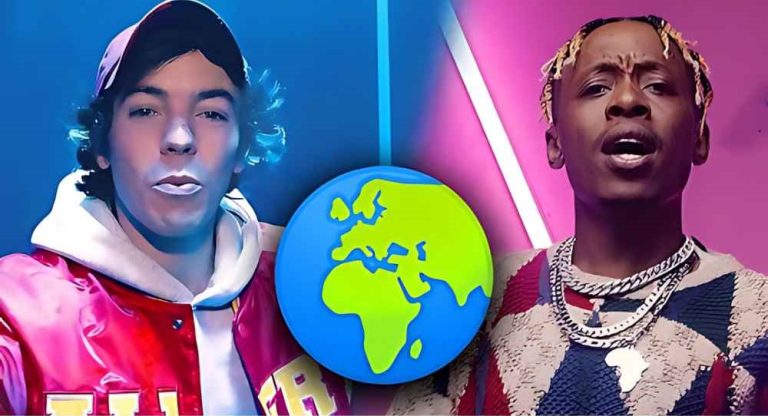
In the modern music industry, artists need more than just talent to succeed—they need innovation, creativity, and the ability to think outside the box. Canadian rapper Connor Price exemplifies this with his groundbreaking marketing strategies and a highly unique approach to global collaborations. Using digital platforms like TikTok and Instagram, he has built a brand that’s not only about his music but also about the excitement and creativity behind his collaborations. One of the most inventive elements of Price’s approach is his globe-spinning social media campaign, where he spins a globe, lets his finger land on a random country, and then reaches out to an artist from that region to collaborate on a track.

This playful yet strategic move has turned heads in the music world, showcasing how artists can harness social media not just for promotion but for creating art in an organic and globally inclusive way.

The Globe-Spinning Campaign: Unique and Engaging

Connor Price’s globe-spinning campaign isn’t just a gimmick; it’s a clever representation of his commitment to global music trends. By physically spinning a globe in his TikTok and Instagram videos and randomly landing on a country, Price allows the chance to dictate where his next collaboration comes from. Once his finger lands on a region, he reaches out to a local artist, building a bridge between their sound and his own.

What sets this campaign apart is its authenticity and spontaneity. Price isn’t relying on algorithms or traditional artist scouting—he’s letting chance and curiosity guide his next creative step. This process is interactive, often involving his fans, who suggest artists or show excitement about where the globe lands. This involvement generates buzz and engagement, drawing in not just his existing fanbase but new listeners who are intrigued by the process.

This unique campaign method has resulted in a series of international collaborations with artists from countries like South Africa, Nigeria, and various regions across Europe. These collaborations not only introduce new cultural elements into Price’s music but also allow him to tap into new audiences who may not have discovered his music otherwise. The globe-spinning idea is unfiltered and genuine, allowing Connor Price to differentiate himself from other artists in a crowded digital space.

Expanding Through Global Collaborations

Connor Price’s collaborations aren’t random just for the sake of novelty. Each partnership is carefully nurtured, with both artists contributing to a cohesive sound that blends different cultural influences. In recent campaigns, Price collaborated with artists from Africa, Europe, and Asia, integrating elements from their musical traditions into his hip-hop framework. These collaborations allow him to stay relevant in multiple markets and introduce new genres into his music while maintaining his core identity as a rapper.

Price’s creative process is deeply rooted in connection. He’s not just hopping on trends; he’s cultivating meaningful partnerships with international artists. For example, his collaboration with South African and Nigerian artists has introduced him to new fanbases, broadening his appeal far beyond North America. This cross-continental synergy demonstrates how artists can leverage the globalization of music to expand their brand in a way that feels organic and authentic.

Social Media’s Role in Price’s Success

One of the most critical elements of Connor Price’s rise has been his strategic use of social media. Platforms like TikTok and Instagram allow him to promote his music while also offering fans a glimpse into his creative process. The globe-spinning campaign serves as a cornerstone of his online content, but Price also engages fans with behind-the-scenes videos, teasers of upcoming releases, and interactions that foster a close relationship with his audience.

By leveraging these platforms, Price has successfully built a global fanbase. His digital presence doesn’t just cater to North American listeners but to a diverse, global audience who resonate with his boundary-pushing collaborations. The key to his success lies in his ability to connect personally with fans. Price frequently asks for feedback, engages with comments, and listens to fans’ suggestions, which makes his followers feel valued and involved in his journey.

The campaign is also a perfect example of how artists can use content creation as a marketing tool. Price’s TikToks and Instagram videos documenting his globe-spinning collaboration process often go viral, reaching audiences who might not have discovered his music otherwise. It turns traditional content creation into a marketing masterclass, where authenticity drives visibility.

Creative Meets Strategy

What makes Connor Price’s marketing so impressive is its dual nature—it’s both highly creative and deeply strategic. While the idea of spinning a globe and picking an artist at random adds a sense of fun and unpredictability, the execution is anything but chaotic. Price ensures that each collaboration aligns with his musical style while still incorporating the unique flavor of the collaborator’s region. This strategy reflects a deep understanding of cross-cultural collaboration and the importance of maintaining authenticity while exploring new sounds.

By continuously releasing high-quality collaborations with artists from around the world, Price positions himself as a versatile artist who can easily shift between genres and regions. This adaptability is crucial in today’s globalized music industry, where audiences appreciate diversity and fresh sounds.

Conclusion: The Future of Connor Price’s Brand

Music Industry Weekly acknowledges that Connor Price’s innovative use of social media and his unique globe-spinning collaboration strategy position him as a trailblazer in the music industry. His ability to seamlessly blend creativity, marketing, and musical diversity has propelled him into the spotlight and cemented his status as a rising star. By embracing global music trends and using platforms like TikTok to engage with fans in real time, Price offers a roadmap for how modern artists can break out of their local markets and become global sensations. As Price continues to expand his reach and collaborate with artists from all corners of the world, his brand becomes more than just music—it becomes a global cultural phenomenon.

YouTube Music Price Hikes: A New Era of Paid Music Streaming?

0

While intensifying competition in the streaming market, YouTube Music recently announced price hikes for its YouTube Premium service. This decision has drawn attention from both consumers and competitors, raising questions about its broader implications on the streaming landscape. As subscription fees increase, users may seek alternatives, while competitors such as Spotify, Apple Music, and Amazon Music could capitalize on the disruption. This article examines the potential impact of YouTube Music’s price increases on consumers, the competition, and the overall streaming ecosystem.

Price Hikes: What Has Changed?

In July 2023, YouTube raised the price of its Premium service from $11.99 to $13.99 per month for U.S. users, marking a notable increase in the cost of ad-free music and video streaming. Family plans also saw a hike, rising from $17.99 to $22.99. These price adjustments follow similar moves by other streaming platforms, suggesting that the days of lower-cost subscriptions may be fading as companies look to bolster their revenue streams and balance content licensing costs.

For subscribers, the core offering remains the same—ad-free music and video streaming, background play, and offline downloads. However, many users are questioning whether the benefits justify the higher price, particularly as competitors maintain more stable subscription fees.

Consumer Impact: Value vs. Cost

The price hike places YouTube Music in direct competition with other premium services such as Spotify and Apple Music, which offer similar ad-free experiences. Consumers may begin to weigh the additional features of YouTube Premium—such as ad-free YouTube video streaming—against the lower costs of standalone music streaming services like Apple Music ($10.99) and Spotify Premium ($9.99).

One key factor that may influence user retention is YouTube’s video integration, a unique feature that could keep users from migrating to other platforms. Many users subscribe to YouTube Premium not only for its music streaming capabilities but also to enjoy an uninterrupted YouTube experience, making the price increase a more complex decision for current subscribers.

Industry-Wide Competition: What Does This Mean for Rivals?

The increase in YouTube Music’s prices opens the door for Spotify, Apple Music, and Amazon Music to reinforce their market share by offering more competitive pricing. While YouTube Premium’s package includes ad-free video streaming, its core music service could see user attrition if rivals capitalize on the price differential.

Competitors may also use this opportunity to innovate their offerings—perhaps introducing better features for lower prices or expanding free-tier benefits to entice users away from YouTube Music. Spotify, with its heavy investment in podcasts and original content, and Apple Music’s integration across Apple devices, are both well-positioned to absorb any users disillusioned by YouTube’s price hike.

At the same time, YouTube’s price increase aligns with broader trends in the streaming industry. Both Spotify and Apple Music have indicated potential future price adjustments, signaling that the entire paid music streaming market may undergo a shift toward higher costs as companies navigate higher operational and content licensing expenses.

Future of Paid Music Streaming: A Push for Premium?

The rising cost of subscriptions across platforms suggests that the music streaming industry may be moving toward a more premium-driven model. As streaming platforms seek to boost revenue, they may begin phasing out low-cost or free-tier options, leaving consumers with fewer choices for ad-free content.

This trend also highlights the growing reliance on user data and targeted advertising, which generate revenue for platforms that offer free, ad-supported services. While premium tiers ensure an ad-free experience, free users are likely to see an uptick in ads as platforms attempt to make their free models more financially sustainable.

Conclusion: Will YouTube Music’s Price Hike Set a Precedent?

Music Industry Weekly recognizes that YouTube Music’s price hike is reflective of a broader shift in the streaming industry, where higher subscription costs are becoming the norm. For consumers, this raises questions about whether the extra features—such as ad-free video streaming—justify the increased price. Competitors like Spotify and Apple Music may benefit from the disruption, attracting users who seek more affordable options. At the same time, the entire industry seems to be grappling with rising operational costs, signaling that higher prices across platforms may become inevitable. Ultimately, the key for YouTube Music will be to prove its value to users and retain subscribers who might otherwise jump ship to competing services. The future of streaming could be defined by how well companies balance subscription fees with the user experience, making this a pivotal moment in the evolution of paid music streaming.

AI-Powered Music Remixing App ‘Hook’ Launches: Revolutionizing User-Generated Content and Music Discovery

0

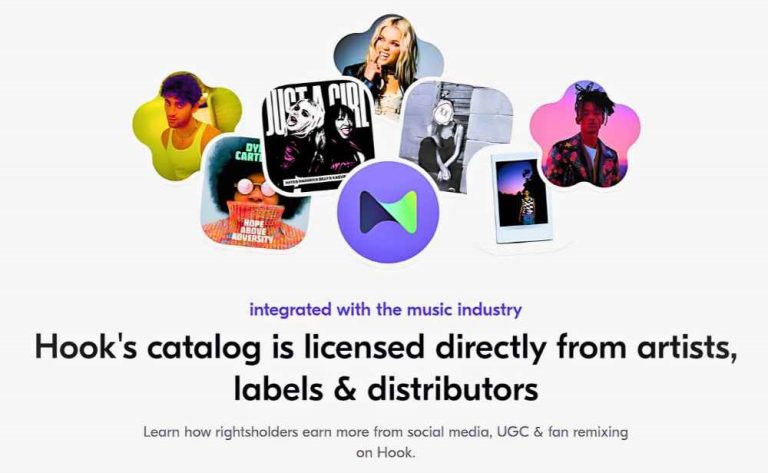
With the release of the AI-powered music remixing app Hook, the relationship between fans and their favorite music is undergoing a significant transformation. Hook allows users to remix songs effortlessly, blending cutting-edge AI technology with the creative potential of user-generated content. This shift is not only altering the way people interact with music but is also driving new trends in music discovery and fan engagement. Here’s how Hook is changing the landscape.

How Hook Works: AI and Creativity Combined

Hook leverages artificial intelligence to enable fans to remix and reshape their favorite songs with just a few clicks. The app uses advanced algorithms to dissect and isolate different components of a song—vocals, basslines, drums, and melodies—allowing users to manipulate these elements in ways previously reserved for professional producers. Whether it’s slowing down a beat, adding effects, or creating entirely new versions of a track, Hook democratizes the remixing process. Users no longer need formal production knowledge to engage in the creative process, making remix culture more accessible than ever before.

User-generated remixes and Fan Engagement

By empowering fans to take control of their favorite music, Hook fosters a new level of interaction between artists and listeners. In the past, remixing often required expensive software and technical expertise. Hook eliminates these barriers, creating an environment where creativity thrives on a mass scale. This user-driven approach mirrors the rise of platforms like TikTok, where fans can easily manipulate songs and create viral trends. But Hook goes even further, allowing listeners to reshape entire compositions rather than simply selecting snippets of audio.

For artists, this offers a unique opportunity to engage with their fanbase on a deeper level. Fans who create remixes can share their versions with the artist and other users within the Hook community, creating a dialogue of creativity that enriches the fan experience. Artists, in turn, benefit from new interpretations of their work, which could inspire future tracks or serve as promotional tools. This two-way interaction strengthens fan loyalty and offers a fresh angle for artists to remain relevant in an ever-evolving digital landscape.

Impact on Music Discovery and the Future of UGC

As Hook encourages user-generated content (UGC) in music, it opens new pathways for music discovery. Traditionally, users discovered new music through streaming platforms, playlists, or radio, but now they can stumble upon remixes and new versions of tracks created by fellow fans. This process mirrors how social media apps like TikTok have reshaped music discovery by turning viral trends into major hits. Hook’s remix-centric platform could similarly drive the popularity of lesser-known tracks, reshaping what music discovery means for both artists and listeners.

Moreover, the app’s potential lies in its ability to push the boundaries of genre fusion. By allowing fans to remix elements from different genres and cultural influences, Hook could foster a new wave of hybrid music that transcends traditional classifications. This not only leads to more musical diversity but also increases the chances for cross-cultural collaborations and global music trends.

Challenges and Opportunities Ahead

However, with innovation comes challenges, especially in terms of copyright laws and royalty management. As fans remix existing songs, the boundaries between what is considered “fair use” and what may require additional licensing could blur. Artists and rights holders will need to navigate this new territory to ensure that everyone is fairly compensated for the use of their work.

Despite these challenges, Hook represents a major step forward in music interactivity. The app’s focus on empowering fans and simplifying remixing could lead to a broader shift where user-generated music becomes a significant part of the industry’s future.

Conclusion

Music Industry Weekly acknowledges that platforms like Hook are revolutionizing how fans engage with music and redefining creativity in the digital age. By giving users the ability to remix songs with ease, Hook is not only amplifying fan engagement but also reshaping the way we discover and interact with music. The future of music could very well be shaped by these kinds of platforms, where creativity, collaboration, and innovation are at the forefront.

Lawsuit Against Miley Cyrus Over ‘Flowers’: Impact on Artistic Freedoms and Copyright Law

0

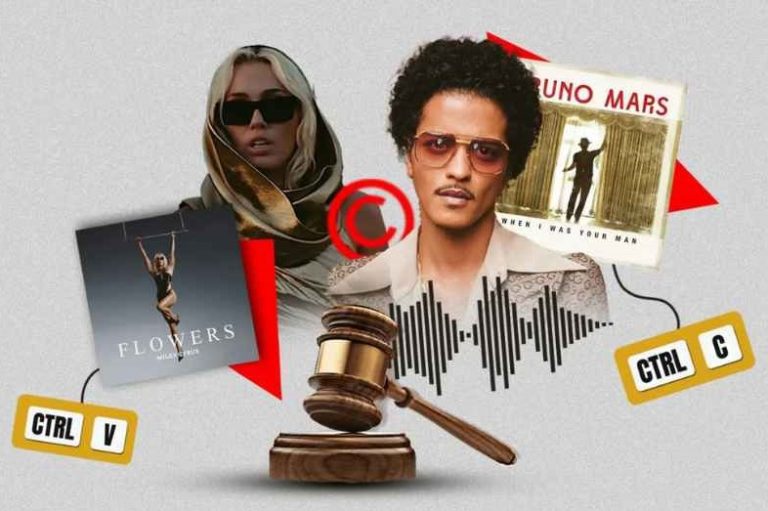
Miley Cyrus’ hit song Flowers dominated global charts in 2023, but it now finds itself at the heart of a copyright lawsuit. The lawsuit alleges that Cyrus’ track borrows from a previously released song, raising essential questions about artistic freedom and copyright law. As the music industry navigates through legal battles over creativity, the outcome of this case could set new precedents.

The Lawsuit: Allegations of Copyright Infringement

The plaintiffs argue that Flowers unlawfully mimics key elements of their original song, including melody, lyrical structure, or rhythm. They seek compensation, accusing Cyrus of infringement. Copyright lawsuits in music often hinge on whether “substantial similarity” exists between the original work and the alleged copy.

The case stirs a broader conversation on copyright infringement in an industry where artists frequently blend genres, sample music, and pay homage to past hits. Although the lawsuit is ongoing, it could establish a new precedent, particularly as modern music constantly reinterprets previous influences.

Legal Precedents in Music

This case echoes earlier high-profile copyright lawsuits, such as the 2015 Blurred Lines case involving Robin Thicke and Pharrell Williams. They were ordered to pay $5 million to Marvin Gaye’s estate for copying elements of Got to Give It Up. That decision opened the floodgates for copyright claims, causing many artists to fear legal repercussions for even perceived similarities.

Other similar cases, like Ed Sheeran’s Shape of You and Katy Perry’s Dark Horse, show that copyright law continues to stretch its limits. While these cases often aim to protect original creators, they also raise concerns about stifling creativity in a field where musical influences frequently overlap.

Copyright Law: A Double-Edged Sword

Copyright laws are designed to protect original works and ensure creators receive due compensation. However, in the world of music, the limited number of chord progressions and melodies can blur the line between inspiration and plagiarism. Many songs share similar structures, particularly within the same genre, which can lead to copyright disputes even when the similarity is coincidental.

If Miley Cyrus loses the case, it could set stricter boundaries for future artists, making them more cautious in their creative endeavors. Artists may start avoiding musical experimentation, fearing potential legal repercussions.

Industry Reactions and Artistic Freedom

While some view these lawsuits as essential protections, others argue they restrict artistic freedom. Critics claim that all creative work draws from the past in some way, and over-enforcement of copyright laws could limit innovation. Artists might begin consulting legal teams more rigorously during the creative process or securing licensing agreements when drawing inspiration from existing works.

If the court rules against Cyrus, artists could become more wary of releasing songs that resemble older tracks. Conversely, if Cyrus wins, it could embolden musicians to continue experimenting with sounds without fear of litigation.

Impact on Streaming and Revenue

This lawsuit may also affect streaming platforms. If Flowers is removed from services like Spotify and Apple Music, it could lead to substantial financial losses for Cyrus, her label, and the streaming platforms. As streaming royalties form a significant part of an artist’s income, disruptions from copyright disputes could have far-reaching implications.

A negative ruling may push labels to develop clearer music licensing guidelines. Streaming platforms might need to evolve their agreements with artists to provide stronger protections against infringement claims, especially as genre-blending music gains popularity.

The Role of Labels and Management

Record labels play a critical role in copyright disputes. Columbia Records, Cyrus’ label, has a legal team ready to mitigate risks and often pushes for settlements before cases go to trial. In this instance, behind-the-scenes negotiations may seek to protect Flowers’ commercial viability while addressing the plaintiffs’ concerns.

As copyright lawsuits increase, labels may start using advanced technologies to screen new tracks for similarities to existing works, ensuring compliance with copyright laws before release.

Cultural Commentary: Innovation vs. Commercialization

The Flowers lawsuit embodies the tension between artistic freedom and music commercialization. While copyright laws protect intellectual property, they can also stifle creativity. Some artists may feel restricted in experimenting with sounds, fearing infringement claims. On the other hand, supporters of strong copyright laws argue that they preserve artists’ legacies and protect against unauthorized use.

This debate will remain central to discussions about artistic expression as the music industry continues to evolve.

The Future of Copyright and Music Creation

The outcome of the Flowers lawsuit will have a lasting impact on the music industry. A ruling in favor of the plaintiff could lead to an increase in copyright claims, while a victory for Cyrus might embolden artists to push boundaries without legal fear.

Music Industry Weekly understands that the case highlights the need for clearer guidelines regarding musical inspiration and sampling in the digital era. Whether the court strengthens copyright protections or moves towards leniency, the decision will shape how artists, labels, and the courts navigate intellectual property in the future.

As Miley Cyrus’ Flowers faces legal scrutiny, this case will likely set an important precedent for music copyright law. Whether the court sides with the plaintiff or Cyrus, the ruling will affect how the industry balances intellectual property rights and artistic freedom.

Miranda Lambert’s New Album Release & Country Music’s Direction

0

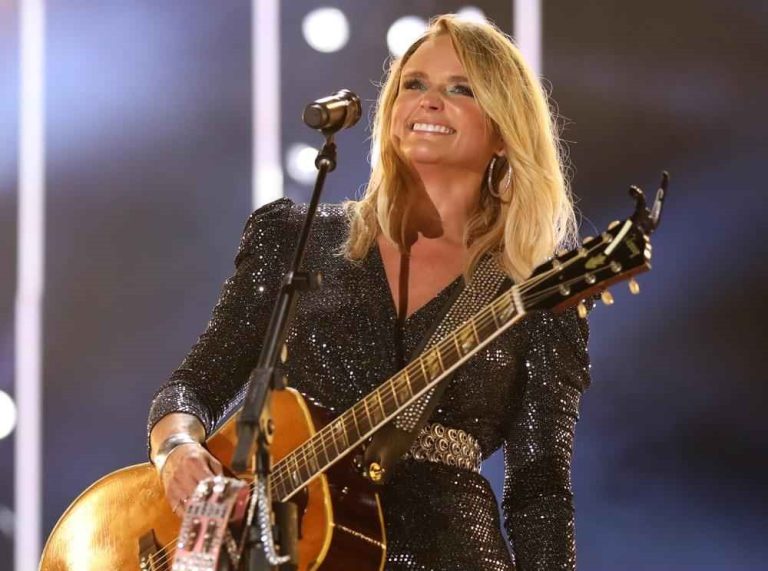
Miranda Lambert, one of the country’s most celebrated artists, has again stirred the industry with her latest album release. Known for her unapologetic style and honest songwriting, Lambert’s music has always blended classic country roots and modern influences. As her new album hits the airwaves, it is clear she continues to influence modern country music, sparking conversations about whether her sound is pushing the genre in new directions or staying faithful to its traditional essence.

Lambert’s Signature Blend: Tradition Meets Innovation

Miranda Lambert has always been rooted in the sounds of classic country—from honky-tonk to heart-wrenching ballads. However, with each new release, she also infuses elements of rock, blues, and Americana, expanding the boundaries of the genre. Her latest album stays true to this hybrid approach, offering both a nostalgic connection to the past and a willingness to explore modern soundscapes.

Tracks like “If I Was a Cowboy” exemplify this duality. The song’s lyrics reflect Lambert’s hallmark independence and rebelliousness, while the production leans into more polished, contemporary tones. By blending traditional country storytelling with modern production techniques, Lambert creates a sound that resonates with both long-time country fans and newer, more diverse audiences.

Pushing the Genre Forward: Themes of Independence and Complexity

In an era where mainstream country music often leans heavily on pop influences, Lambert’s latest work stands out by staying lyrically rich and thematically deep. Her songs continue to tackle themes of female empowerment, personal growth, and resilience, offering a refreshing contrast to more commercialized country hits that dominate the charts.

Lambert’s impact is not just in the sound but also in the stories she tells. Her candid approach to songwriting is influencing a new generation of country artists who seek to balance authenticity with marketability. Margo Price, Ashley McBryde, and Kacey Musgraves are just a few examples of artists following in Lambert’s footsteps, blending old-school country grit with contemporary introspection.

Staying True to Country Roots

While Lambert experiments sonically, she never completely abandons her traditional roots. Songs like “Geraldine” and “In His Arms” on the new album are steeped in classic country instrumentation, featuring steel guitars, fiddles, and heartfelt lyricism. These tracks serve as a reminder that no matter how much Lambert innovates, her music remains deeply anchored in the traditions of country music.

Many critics argue that it is this balance of honoring the genre’s past while pushing it forward that makes Lambert such a pivotal figure in modern country music. She refuses to follow the “pop-country” trend entirely, yet her music remains accessible to a broader audience, signaling a possible shift in country music’s future where the genre can evolve without losing its identity.

Influencing Country’s Future: A Direction for the Genre

Miranda Lambert’s latest album does more than just offer a collection of songs—it is a statement about the future of country music. Her refusal to conform completely to the pop-country mold and her ability to maintain authenticity and artistic integrity are shaping the current and future sound of the genre.

As country music continues to evolve, Lambert’s work serves as a touchstone for the balance between innovation and tradition. Artists who are looking to break into the mainstream are likely to follow her model, where storytelling, personal authenticity, and a respect for musical heritage coexist with modern production and broad appeal.

Conclusion: A Pivotal Moment in Country Music

Music Industry Weekly acknowledges that Miranda Lambert’s new album may not be a drastic departure from her previous work, but it continues to demonstrate her influence on modern country music. She simultaneously pushes the genre’s boundaries while staying true to its core, signaling a promising direction for the future. As younger artists look up to her for inspiration, her sound will likely continue to shape the next generation of country music, one that values both innovation and authenticity.

TikTok Music Closure & Impact on Spotify: A Shift in the Streaming Landscape

0

TikTok Music, which offered a fresh avenue for music discovery and viral trends, has recently shut down, leaving a vacuum in the music streaming industry. As TikTok Music users look for alternatives, Spotify, the dominant player in music streaming, is well-positioned to absorb these users. The shutdown is shaping the industry in new ways, with wide-ranging implications for both artists and listeners.

Spotify’s Role: Absorbing Displaced Users

As Spotify adapts to accommodate an influx of TikTok Music users, it is refining its user interface and enhancing discovery features. Already known for its algorithm-driven playlists such as Discover Weekly and Daily Mix, Spotify is expanding its focus on personalization to appeal to younger, trend-sensitive listeners. This move aims to replicate the viral and social nature of TikTok Music, drawing in users who previously relied on TikTok for their music discovery.

One of Spotify’s biggest advantages lies in its ability to cater to diverse music tastes. With AI-powered recommendations, it continues to engage users by curating playlists that resonate with their listening history, mimicking the sense of discovery that TikTok users enjoyed.

Impact on Artists: New Challenges and Opportunities

The shutdown of TikTok Music raises concerns for emerging artists who relied on TikTok’s viral power to gain exposure. TikTok Music allowed lesser-known musicians to rise to fame rapidly through viral trends. As these artists transition to Spotify, they face a different landscape. Spotify’s algorithms, while effective, often favor tracks that already have considerable traction, making it harder for independent artists to stand out.

Spotify’s streaming model may encourage artists to shift their promotional efforts. With playlist placements becoming more crucial, musicians will need to strategize around appearing in curated lists like RapCaviar or New Music Friday. However, the platform’s focus on social sharing features and artist-fan interactions offers opportunities for musicians to foster a more direct connection with listeners.

Industry Implications: Consolidation and Future Trends

TikTok Music’s exit from the scene marks a consolidation of power in the music streaming industry, with Spotify and Apple Music emerging as the primary players. This could have long-term effects on competition, leading to potential pricing shifts or subscription model changes. Moreover, as Spotify absorbs more users, the platform’s role in dictating artist compensation and influencing trends becomes even more significant.

Despite this consolidation, niche platforms with indie music focuses or unique discovery models may also seize the opportunity to attract users who crave a more tailored experience, offering artists a space to thrive outside of the mainstream.

Conclusion: A Changing Landscape

As TikTok Music shutters its doors, Spotify is in a prime position to capture a large portion of its user base. While this presents challenges for independent artists, it also highlights Spotify’s growing dominance in the music streaming world. The industry’s future will depend on how platforms like Spotify adapt to provide a balance between personalized user experiences and supporting new artists. At the same time, listeners navigate an increasingly consolidated music market.

Music Industry Weekly understands that this shift signals the next phase of music streaming’s evolution, where competition and user experience will continue to drive innovation. For both artists and fans, the closure of TikTok Music marks a pivotal moment, as Spotify and other platforms shape the future of music discovery and engagement.

The Resurgence of Intimate Gigs: How Small Venues Are Thriving Post-Pandemic

0

In the years following the global pandemic, the live music industry has witnessed a notable shift. While massive festivals and stadium tours continue to attract headlines, there has been a resurgence of small, intimate music venues that cater to a different, more personal experience. These venues, once at risk of disappearing due to lockdowns and restrictions, have reemerged stronger than ever, offering fans and artists something that large-scale festivals often cannot: a direct connection. But what is driving this trend, and how might it reshape the future of live music?

A Return to Intimacy

During the pandemic, as large festivals were canceled and touring schedules were disrupted, many artists and fans turned to smaller, local venues when restrictions began to lift. These spaces provided a sense of closeness and authenticity that massive events simply couldn’t replicate. As a result, post-pandemic live music has seen a boom in demand for more intimate, personal gigs. According to recent industry studies, music fans have been increasingly drawn to smaller shows, preferring the sense of connection they get from being up close and personal with the performers.

One reason for this shift is the desire for a more meaningful concert experience. After two years of isolation, many fans are looking for concerts that allow for direct engagement with the artist, rather than getting lost in the sea of people at a festival. Intimate gigs offer a deeper, more emotional connection between artists and fans, something that resonates strongly in a post-pandemic world.

Why Artists Are Choosing Smaller Venues

For artists, performing in smaller venues has its appeal. While large-scale tours are logistically complex and often feel impersonal, smaller gigs allow for creative freedom and the ability to experiment with new material. Independent and established artists alike have gravitated towards smaller shows because they can interact more directly with their audience and offer unique, often unplugged performances.

Additionally, for up-and-coming artists, small venues offer a platform for exposure and growth that massive festivals cannot. Grassroots performances in local spaces allow these artists to cultivate a loyal fanbase without the pressure of having to sell out arenas. As a result, these venues have become breeding grounds for the next generation of music talent.

Economic and Cultural Impact of Small Venues

While large-scale festivals generate millions in revenue, smaller venues play an equally crucial role in supporting local economies and cultural scenes. Independent music venues often act as community hubs, bringing people together and contributing to the vibrancy of their cities. In places like the UK, local authorities have recognized this and have begun offering financial support to ensure these spaces continue to thrive.

Moreover, the resurgence of intimate gigs is reshaping the economics of touring. With the high costs of touring large arenas, more and more artists are opting for shorter tours with multiple stops at smaller venues. This not only reduces overhead but allows for a more sustainable touring model in the post-pandemic landscape.

The Future of Live Music

As the demand for intimate gigs continues to grow, small venues will likely maintain their newfound importance in the live music ecosystem. They provide a balance to the often overwhelming scale of mega-festivals, offering a more personal and meaningful live music experience. Artists and fans alike seem to be embracing the opportunity to return to smaller, more engaging performances.

The future of live music may not be about choosing between large festivals and small venues, but about finding a balance between the two. Intimate gigs will remain a vital part of the music industry, serving as spaces where artists can take risks, experiment, and connect deeply with their audiences. In doing so, these venues are likely to continue thriving in a post-pandemic world.

Conclusion:

Music Industry Weekly recognizes that live music continues to evolve post-pandemic, the resurgence of intimate gigs has redefined the way artists and fans connect. These small venues provide a unique atmosphere where raw talent and audience interaction can flourish, creating experiences that larger arenas and festivals simply can’t replicate. With their ability to foster local music scenes and offer personal, memorable shows, intimate gigs are proving to be more than just a temporary trend—they are a powerful force shaping the future of live performances. As fans seek deeper, more meaningful connections with the artists they love, and musicians embrace the creative freedom these spaces offer, it’s clear that small venues are here to stay.

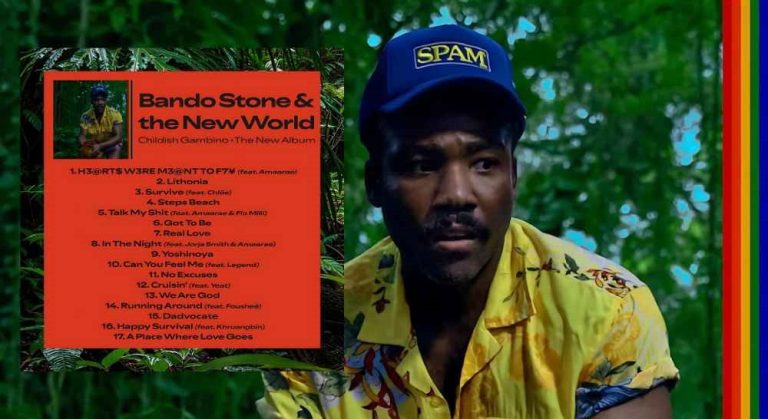
Bando Stone: Childish Gambino’s New Era of Sound

0

Childish Gambino, the musical alter ego of Donald Glover, has always defied categorization. From his early mixtapes like I Am Just a Rapper—which blended pop culture satire with nerdy charm—to the genre-bending sounds of Awaken, My Love!, Glover has consistently used music to explore his complex identity. Now, with Bando Stone and the New World, billed as his final album under the Childish Gambino name, Glover aims to cap his musical journey with an ambitious, emotionally charged statement. But does the album live up to the high expectations he has set over the years?

Thematic Weight and Lyrical Depth

Bando Stone and the New World carries the weight of being Gambino’s supposed swan song. In interviews, Glover expressed that the process “wasn’t fulfilling” anymore, a sentiment that resonates throughout the album. Thematically, it explores identity, fame, and the fleeting nature of success. Tracks like “Lithonia” and “No Excuses” focus on Glover’s internal struggles, oscillating between self-doubt and bravado as he reflects on the challenge of maintaining authenticity in the public eye. While these themes have appeared in his earlier work, they feel more pointed here, as he contemplates closing the chapter on his public persona.

A Mixed Bag of Sonic Experimentation

Musically, the album blends genres—trap, jazz, punk, funk, and R&B—but at times, the fusion feels disjointed. The ambitious, glitch-heavy intro “H3@RT$ W3RE M3@NT T0 F7¥” tries to capture the chaotic energy of Kanye West’s Yeezus, but instead leans toward the dystopian sound of Donda, lacking urgency. As the album shifts between genres, some tracks feel more like exploratory sketches than fully realized compositions.

Not all the experiments fall flat, though. Songs like “Steps Beach,” co-produced with Steve Lacy, stand out with airy production and swooning falsettos. These moments allow Glover to showcase his romantic, soulful side. Similarly, “No Excuses” merges jazz influences with a rhythmic groove, adding depth to the album. Michael Uzowuru’s production, reminiscent of Frank Ocean’s Blonde, shines in these reflective moments.

Collaboration and Production

The album’s sound is largely shaped by collaborators like Uzowuru, Ludwig Göransson, and Steve Lacy. Uzowuru, known for working with Frank Ocean, brings a moody, introspective quality to tracks like “No Excuses,” where slow jazz instrumentation complements Gambino’s vocals. Göransson adds cinematic layers to songs like “In the Night” and “Real Love,” giving them a filmic feel.

However, not all collaborations hit the mark. Tracks like “Got to Be” and “Talk My Shit” feature Amaarae and Flo Milli but are weighed down by chaotic production, which dilutes their impact. Despite its ambition, the blend of sounds sometimes undermines the album’s emotional depth.

Controversy Among the Fanbase

Bando Stone and the New World has sparked mixed reactions from fans. Long-time listeners appreciate the complexity of Gambino’s sound and the emotional depth of his lyrics. Tracks like “Yoshinoya” bring back the nostalgic, rap-heavy vibe from his I Am Just a Rapper mixtape, which some fans love. However, the album’s uneven pacing and disjointed sound have left others unsatisfied.

The track “Yoshinoya” in particular has stirred debate. Some appreciate its lyrical cleverness, while others see it as emblematic of the album’s broader identity crisis. Gambino’s eclectic approach has always drawn both admiration and criticism, but the lack of cohesion here has made some question whether the album is an intentional artistic statement or an unfocused farewell.

A Fitting Farewell?

Music Industry Weekly recognizes that in the end, Bando Stone and the New World feels torn between ambition and finality. It aims to explore Childish Gambino’s musical and emotional range but often struggles under the weight of its purpose. In many ways, the album reflects Glover’s career—a complex, multi-layered project that resists easy classification. As a final album, however, it falls short of delivering the knockout punch fans had hoped for, leaving them to wonder if this truly is Gambino’s last musical chapter.