Campaign Playlists: The Politics of Song Choice

0

Music plays a vital role in politics. It energizes crowds and connects candidates with voters on an emotional level. In recent years, candidates’ song choices have sparked controversy, especially when artists object to their music being used for political purposes. As politicians use iconic tracks to shape their image, legal and ethical questions arise. This article explores how politicians leverage music in campaigns, the legal loopholes that allow it, and the ethical implications of ignoring an artist’s wishes.

The Power of Music in Political Branding

For decades, political candidates have carefully chosen songs that align with their messages. A rousing anthem or nostalgic track can create a strong bond with voters, helping define the candidate’s identity. Iconic songs like Bruce Springsteen’s “Born in the U.S.A.” and Fleetwood Mac’s “Don’t Stop” have become closely associated with U.S. political campaigns.

Today, politicians often turn to popular music to appeal to younger, more diverse audiences. For instance, Donald Trump used The Rolling Stones’ “You Can’t Always Get What You Want” during his 2016 and 2020 campaigns, despite the band’s objections. Music can rally supporters, but problems arise when artists feel their work is being misused to promote ideologies they oppose.

When Artists Disapprove: The Legal Loopholes

Candidates can use songs without explicit artist approval due to public performance licenses provided by Performance Rights Organizations (PROs) like ASCAP and BMI. These licenses allow venues and events, including political rallies, to legally play music as long as the venue holds the right license. This loophole enables campaigns to use copyrighted music without getting direct artist permission.

However, this legal structure doesn’t prevent backlash. Artists like Adele, Neil Young, and R.E.M. have taken legal action or publicly condemned the use of their music in political campaigns. In 2020, Tom Petty’s family sent a cease-and-desist letter to Trump’s campaign after it used “I Won’t Back Down” without permission.

While legal actions sometimes force campaigns to stop using specific songs, the system still allows campaigns to use music without fully considering the artist’s consent. This raises ethical concerns, especially when a song’s meaning is distorted for political purposes.

Ethical Considerations: Music and Ideological Misalignment

The ethical issues often center on ideological misalignment. Artists put personal meaning into their work, so when a campaign uses a song that contradicts the artist’s values, it creates tension between artistic expression and political messaging.

A famous example is Bruce Springsteen’s “Born in the U.S.A.,” a song that critiques America’s treatment of veterans and the working class. Despite this, candidates often use the song as a patriotic anthem, missing its deeper context.

Musicians frequently speak out against these misinterpretations of their work in politics. Neil Young protested Trump’s use of his songs, writing in an open letter, “I won’t allow this to continue…I don’t condone this kind of American ignorance and greed.” These statements reflect the frustration artists feel when their music is used in political campaigns they don’t support.

The Role of Public Perception

While legal loopholes allow campaigns to use songs despite disapproval, public perception often pressures candidates to change their approach. When artists publicly criticize candidates, media attention follows, leading to negative publicity. This can force campaigns to drop certain songs to avoid further controversy.

Social media amplifies this effect. Artists and fans alike can quickly express dissatisfaction, and the backlash can compel campaigns to rethink their song choices.

Conclusion

Music Industry Weekly recognizes that as campaigns continue using music to shape their brand, tension between candidates and musicians persists. Legal loopholes may allow campaigns to use songs without permission, but ethical concerns and public backlash are unavoidable. The intersection of music and politics reveals a broader cultural battle. Artists fight to maintain control over the meaning of their work, while candidates use music to connect with voters. Ultimately, the politics of song choice expose the complex relationship between artistic intent, legal rights, and the power of music in shaping public perception.
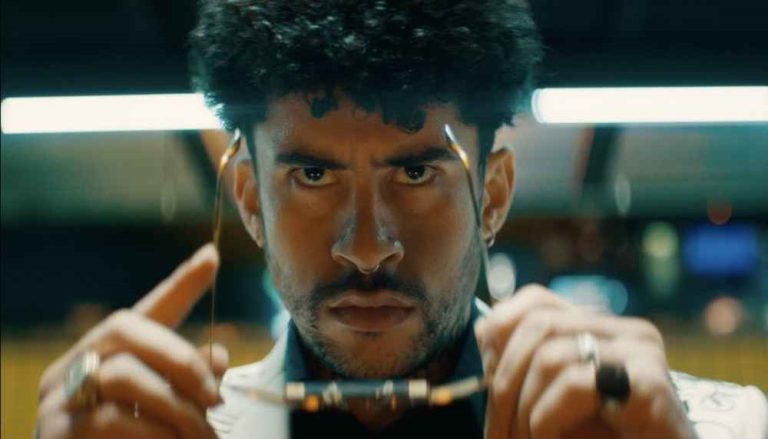
Bad Bunny in Happy Gilmore 2

0

In 2024, Bad Bunny made headlines again—not for his music, but for his expanding presence in Hollywood. The Puerto Rican sensation, born Benito Antonio Martínez Ocasio, starred alongside Adam Sandler in the highly anticipated Happy Gilmore 2. This role marks another step in his transition from global music icon to emerging film star.

Bad Bunny’s involvement in Happy Gilmore 2 continues the trend of musicians branching into acting. With previous roles in Bullet Train and Cassandro, he’s quickly building a portfolio in Hollywood. As more musicians explore film and television, Bad Bunny’s Hollywood career shows how artists are expanding their brands beyond music.

Why Musicians Cross Over

The crossover between music and film isn’t new. Icons like David Bowie, Cher, and Lady Gaga have all found success on screen. What sets this generation apart is how musicians leverage acting to broaden their fan base and deepen their cultural influence.

Bad Bunny connects with fans on multiple levels. His reggaeton beats and outspoken support for social issues have helped him build an image that resonates with diverse audiences. Expanding into film allows him to engage a wider demographic, including those unfamiliar with his music but drawn to his acting.

For musicians, acting offers a fresh way to tell stories. In film, artists can challenge themselves creatively while diversifying their brand. Bad Bunny has used his roles to portray unique characters, from a slick assassin in Bullet Train to a wrestler in Cassandro. In Happy Gilmore 2, his role (still under wraps) is expected to blend his comedic talents with his natural charisma.

Expanding the Bad Bunny Brand

Bad Bunny’s shift into acting represents more than just a career move. It reflects his desire to build a lasting brand that transcends music. In interviews, he’s expressed his passion for exploring new outlets. “There’s a lot I want to do, a lot of music left to explore, and a lot of heart,” he shared about his future plans.

His Hollywood debut mirrors a broader trend in entertainment. Today’s artists must be multi-hyphenates—balancing music, film, fashion, and advocacy. Bad Bunny’s strategic entrance into film aligns with his brand as a cultural figure who defies traditional boundaries.

Financial incentives are also a factor. Global streaming services like Netflix and Amazon Prime have increased demand for diverse talent. Starring in Happy Gilmore 2, a sequel to a cult classic, helps Bad Bunny attract not only his loyal fans but also comedy lovers and curious moviegoers.

The Trend of Musicians in Film

Bad Bunny’s acting career isn’t unique. Musicians like Harry Styles (Dunkirk, My Policeman) and Lady Gaga (A Star is Born, House of Gucci) have successfully transitioned to film. These crossovers are no longer seen as side projects but integral parts of long-term career strategies.

This shift is driven by the entertainment industry’s embrace of multimedia personalities. Today, musicians are influencers, activists, and cultural commentators. By stepping into acting, artists like Bad Bunny amplify their voices in new arenas, reaching audiences who may not be fans of their music but appreciate their screen presence.

Conclusion: A New Era for Bad Bunny

Music Industry Weekly acknowledges that Bad Bunny’s role in Happy Gilmore 2 marks a new era in his artistic journey. By moving seamlessly between music and film, he’s positioning himself as a cultural force capable of dominating multiple entertainment industries. His Hollywood debut is not just a career pivot—it’s part of a broader strategy to build a multifaceted brand that resonates across different mediums.

As more musicians follow his path, Bad Bunny’s success in both music and film highlights the power of versatility in today’s entertainment landscape. Whether breaking records on the charts or sharing the screen with Adam Sandler, Bad Bunny proves that the future belongs to artists who can master multiple crafts.

Song Revivals: Hits That Outshone the Originals and Others That Missed the Mark

0

Song revivals don’t always receive the recognition it deserves when first released. Sometimes, a cover or revival breathes new life into a track, giving it a second chance. While some covers surpass the original in fame and acclaim, others miss the mark. Here’s a ranking of songs that either outshone their predecessors or failed to capture the same magic.

Revival Hits That Outshone the Originals

“Hallelujah” – Jeff Buckley (Original by Leonard Cohen)

Leonard Cohen’s 1984 version of Hallelujah was understated and folk-driven. While beautiful, it didn’t achieve mainstream success. Jeff Buckley’s 1994 cover, however, transformed the song into an iconic masterpiece. His raw emotion and haunting vocals turned it into a global sensation. Today, it’s considered the definitive version.

Why It Worked: Buckley’s vulnerable delivery and vocal range elevated the song’s spiritual themes, making it timeless.

“I Will Always Love You” – Whitney Houston (Original by Dolly Parton)

Dolly Parton’s 1973 version became a country hit, but Whitney Houston’s 1992 rendition for The Bodyguard soundtrack turned it into a global phenomenon. Houston’s powerful, soulful vocals helped the song transcend its country roots, making it one of the most iconic ballads ever.

Why It Worked: Houston’s unmatched vocal performance and the song’s inclusion in a blockbuster film brought worldwide exposure.

“All Along the Watchtower” – Jimi Hendrix (Original by Bob Dylan)

Bob Dylan’s 1967 original had a folk-rock vibe, but Jimi Hendrix’s electric, psychedelic take in 1968 redefined the song. Hendrix’s guitar-driven version became a rock classic, with even Dylan acknowledging that Hendrix’s version was superior.

Why It Worked: Hendrix’s signature guitar work and raw energy reinterpreted the song, giving it a powerful edge that resonated with rock fans.

Songs Revivals that Missed the Mark

“American Pie” – Madonna (Original by Don McLean)

Don McLean’s 1971 American Pie became a symbol of American culture, cherished for its storytelling and nostalgic themes. Madonna’s 2000 pop cover, however, stripped away much of the song’s emotional weight. While her version charted globally, it lacked the depth of the original.

Why It Missed: Madonna’s upbeat pop version lost the lyrical complexity and historical significance that made the original powerful.

“Smells Like Teen Spirit” – Miley Cyrus (Original by Nirvana)

Nirvana’s 1991 Smells Like Teen Spirit captured the angst of a generation. Miley Cyrus’s 2011 cover during her Gypsy Heart Tour failed to capture the rebellious energy of the original. Critics felt it missed the mark entirely.

Why It Missed: Cyrus’s pop background didn’t translate well to Nirvana’s grunge ethos, and the cover felt disconnected from the song’s roots.

“We Will Rock You” – Five (Original by Queen)

Queen’s 1977 We Will Rock You remains a stadium-rock classic. When boy band Five covered it in 2000, they tried to turn it into a pop-rap hybrid. Although the cover charted, critics felt it lacked authenticity and was overproduced.

Why It Missed: Five’s version strayed too far from the original rock sound, and the added rap elements felt forced.

The Balance Between Success and Failure of Song Revivals

Reviving a classic song can be risky. While some artists bring fresh perspectives to song revivals that elevate the track, others lose the essence that made the original great. Factors like vocal delivery, arrangement, and timing all influence whether a cover succeeds or falls short.

Conclusion

Music Industry Weekly recognizes that as these examples of song revivals show, a cover’s success often depends on the artist’s ability to honor the original while introducing something new. While some revivals become legendary, others remind us that not every classic can be reinvented. Ultimately, the best covers pay homage to the original while leaving a unique mark on music history.

Ticketmaster Under Scrutiny: The Investigation into Oasis Reunion Ticket Prices

0

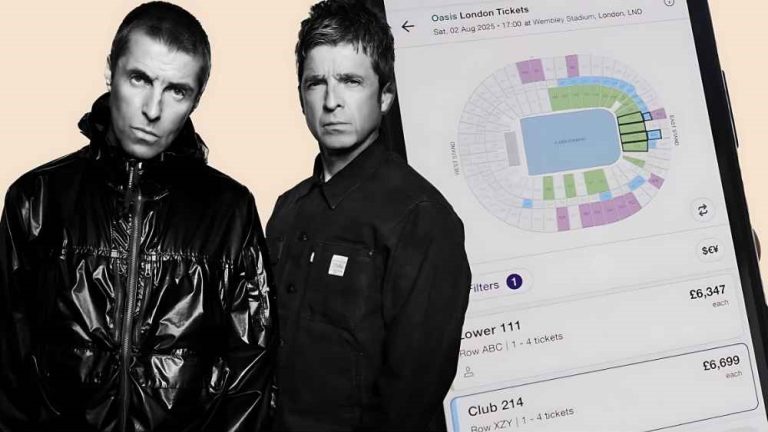
Ticketmaster is under fire for its dynamic pricing model, which raised ticket prices for the highly anticipated Oasis Reunion ticket prices. Fans, regulators, and politicians have voiced their outrage over a system that adjusts ticket costs in real time based on demand. Though legal, the practice has triggered investigations from both the European Union and the UK’s Competition and Markets Authority (CMA) due to numerous complaints.

How Dynamic Pricing Works

Dynamic pricing isn’t unique to the ticketing world. It’s used in industries like hospitality and travel, where prices rise and fall with demand. Ticketmaster defends its pricing, stating that artists and managers often set ticket prices based on market value. However, critics argue that the system prioritizes profit over fan access. Some tickets for Oasis’s reunion tour saw prices soar to ten times their original value.

Fans faced additional frustration with website crashes and long wait times, similar to what happened during Taylor Swift’s Eras Tour. Many fans only learned about massive price hikes when they reached the checkout. This lack of transparency has prompted regulators to evaluate whether dynamic pricing violates consumer protection laws.

Government Response and Investigations of Oasis Reunion Ticket Prices

The European Commission and the UK’s CMA are now investigating whether Ticketmaster’s pricing practices breach consumer laws. According to the CMA, businesses must provide clear and accurate pricing information. The sudden price jumps and lack of transparency may have violated these regulations.

UK Prime Minister Keir Starmer condemned the practice, calling it “depressing” and demanding an “urgent review.” Lara Wolters, a Dutch member of the European Parliament, criticized dynamic pricing as “soulless,” saying it puts corporate profits ahead of fan enjoyment. Wolters is pushing for new laws to either restrict or ban dynamic pricing in Europe.

She argues that this system doesn’t focus on filling venues with passionate fans but rather on exploiting high demand for profit. Regulatory bodies are now tasked with finding ways to better protect consumers, as some question whether Ticketmaster’s dominance constitutes a monopoly.

Oasis Reunion: Fan Frustration and Ticketmaster’s Defense

The controversy around Ticketmaster’s pricing has intensified with the Oasis reunion tour. After the band’s 2009 breakup, fans eagerly awaited their return, leading to a rush for tickets. The initial shows sold out immediately, forcing Ticketmaster to add two more shows at Wembley Stadium, which also sold out rapidly.

Oasis attempted to address fan frustration by offering the remaining tickets through a staggered, invitation-only ballot system. This aimed to ensure that fans who missed out initially could still get tickets at fair prices. Despite these efforts, many critics argued that Ticketmaster’s system favored resellers, leading to higher prices for fans.

Ticketmaster defended dynamic pricing, claiming it helps combat ticket scalping by reflecting real market value. However, this explanation hasn’t satisfied fans or lawmakers, who continue to scrutinize the fairness of the system.

Legal Loopholes and the Future of Ticket Pricing

Although dynamic pricing is legal in most regions, ongoing investigations could lead to new regulations. In 2022, the European Union’s Digital Services Act introduced measures to curb ticket touting, requiring resellers to verify their identities and provide contact details. Similar actions are underway in the U.S., where the Justice Department is investigating Live Nation Entertainment, Ticketmaster’s parent company, for potential anti-competitive practices.

For fans, the outcome of these investigations could bring significant changes. If Ticketmaster is found to have violated consumer protection laws, its use of dynamic pricing could face restrictions. This growing debate is sparking conversations about the ethical responsibilities of ticketing platforms and whether governments should intervene to protect fans from price gouging.

Conclusion

Music Industry Weekly recognizes that investigations into Ticketmaster’s pricing practices unfold, the balance between fan access and corporate profit is put into focus. Fans of Oasis, like those of many other artists, find themselves priced out of once-affordable live experiences. As the UK and EU investigations progress, the future of ticket pricing could change, potentially leading to more regulations around dynamic pricing and greater transparency in the industry.

For now, Ticketmaster remains under intense scrutiny. The outcome of these investigations could reshape how tickets are sold, not only in Europe but around the world.

Music Copyright in the Age of Sampling: Avoiding Legal Pitfalls

0

Sampling has long been a cornerstone of musical innovation, particularly in genres like hip-hop, EDM, and pop. By taking snippets of existing songs and blending them into new creations, artists can craft unique sounds that honor the past while forging something fresh. However, as the practice has evolved, so too have the legal complexities surrounding it. For musicians, understanding how to sample music legally is essential to avoid costly lawsuits and protect their creative work.

Understanding Music Sampling and Copyright

At its core, sampling involves using a portion of one sound recording in the creation of a new track. Whether it’s a few seconds of a guitar riff or a longer vocal line, any part of a copyrighted song is protected under copyright law. This means that if you want to use a sample, you need to obtain the proper licenses to do so legally.

There are generally two types of copyrights to consider when sampling music:

  • Sound recording rights: These protect the specific recording of the music.
  • Composition rights: These cover the underlying song, including its melody and lyrics.

Both types of permissions are usually required to legally sample music, meaning artists must often negotiate with multiple parties, such as the original artist, the record label, and the publisher.

How to Legally Clear a Sample

The most straightforward way to avoid legal issues when sampling is to clear the sample. This involves contacting the copyright holders and securing permission, often in the form of a license agreement. The cost of this can vary depending on the sample’s length and how prominently it features in your new work. Typically, the bigger the artist or the more recognizable the sample, the higher the licensing fees.

Here’s a simplified breakdown of the process:

  1. Identify the copyright holders: Use resources like ASCAP, BMI, or Harry Fox Agency to locate the song’s owners.
  2. Submit a sample request: Provide details on how the sample will be used, including the duration and its role in the new song.
  3. Negotiate a license: This often includes upfront fees and sometimes a share of future royalties.

While this process can be time-consuming, failing to secure the necessary permissions can result in hefty fines, lawsuits, or even the removal of your music from streaming platforms.

Fair Use and Its Limitations

Some musicians may wonder whether their sampling could fall under fair use—a legal doctrine that allows for limited use of copyrighted material without permission. However, relying on fair use is risky. Courts typically look at several factors, including whether the new work transforms the original in a significant way and whether it harms the market for the original song.

Notably, fair use is often used as a defense in legal battles rather than a proactive permission. Thus, artists should avoid depending on it as a primary strategy for sampling. Instead, consider clearing the sample or using royalty-free sample packs that have pre-cleared usage rights.

Famous Legal Battles Over Sampling

Several high-profile lawsuits serve as cautionary tales for artists who sample without proper clearance:

  • Vanilla Ice vs. Queen and David Bowie: Vanilla Ice’s 1990 hit “Ice Ice Baby” famously sampled Queen and Bowie’s “Under Pressure” without permission. The case was settled out of court, but it set a precedent for sampling disputes.
  • Blurred Lines Case: Pharrell Williams and Robin Thicke were sued by the family of Marvin Gaye over the song “Blurred Lines,” which was found to infringe on Gaye’s “Got to Give It Up.” The court awarded Gaye’s estate $7.4 million, showcasing the financial risk of copyright infringement.

Practical Tips for Musicians

  1. Clear Every Sample: Whether you’re using a well-known track or an obscure recording, make sure to obtain the proper licenses. Even a small, unrecognized sample can lead to significant legal troubles.
  2. Consider Alternatives: Use royalty-free sample packs if obtaining clearance for certain samples is too costly. While these packs offer pre-cleared sounds, keep in mind they may limit originality.
  3. Work with Professionals: Consider hiring a copyright clearance service or entertainment lawyer to navigate the complexities of sampling. These professionals can ensure that you stay compliant and avoid legal pitfalls.

Conclusion

Music Industry Weekly recognizes that In today’s music landscape, sampling continues to be an essential tool for creativity. However, understanding the legal requirements is crucial to avoid costly mistakes. By taking the time to clear samples, seeking professional advice, and adhering to copyright laws, artists can safely incorporate others’ work into their music while protecting their creations.

Mastering the Art of Collaborations: How to Build Creative Partnerships in Today’s Industry

0

In today’s ever-evolving music landscape, collaborations are no longer just a strategy but a necessity. As the industry becomes increasingly competitive, the ability to form meaningful creative partnerships with other artists, producers, and even brands can make or break your success. But how do you navigate this complex world and form partnerships that are authentic, fruitful, and aligned with your artistic vision?

This article dives into the art of collaboration, offering insights into successful partnerships and practical advice on working with others in the industry.

Why Collaboration is Key in the Modern Music Landscape

The benefits of collaboration go far beyond simply increasing your audience. In a world where the music scene is flooded with talent, standing out often requires tapping into new creative synergies. Collaborating with other artists can bring fresh perspectives, expose you to different fan bases, and enhance your music with styles and ideas you may not have considered before.

In addition, working with producers, songwriters, and brands offers opportunities for learning and expanding your creative toolkit. Successful partnerships in the music industry often lead to long-lasting professional relationships, opening doors for future projects, cross-promotions, and even brand sponsorships.

Key Elements of Successful Collaborations

While partnerships can yield great rewards, they can also be challenging if handled incorrectly. So, what makes a collaboration successful?

  1. Alignment of Vision: Before diving into a project with another artist or brand, ensure that your creative visions align. Collaborations are most successful when both parties share a common goal, whether it’s experimenting with new genres or promoting a shared message. The collaboration between Beyoncé and Lady Gaga on “Telephone,” for example, worked so well because both artists brought their unique personalities and strengths while maintaining a cohesive creative vision.
  2. Mutual Respect: Respect is crucial. Recognizing and appreciating each other’s talents fosters a healthy working environment where ideas can flow freely. When producers like Pharrell Williams collaborate with artists, his approach involves respecting the other person’s creative space while bringing his signature flair, resulting in timeless hits.
  3. Clear Communication: Open, honest communication is the backbone of any partnership. Set clear expectations from the start about roles, responsibilities, and creative control. Miscommunication often leads to clashes and can derail an otherwise promising collaboration.
  4. Experimentation and Flexibility: Some of the best collaborations come from a willingness to step outside your comfort zone. Whether it’s experimenting with new genres, formats, or sounds, being open to new ideas can lead to groundbreaking results. Think of Kanye West and Bon Iver’s collaborations, where vastly different styles collided to create unique tracks like “Lost in the World.”

Approaching Collaborations with Brands

In today’s music industry, brand partnerships have become a lucrative way for artists to expand their reach. However, choosing the right brand is critical to maintaining authenticity. Whether you’re considering a partnership with a tech company or a fashion label, it’s important to find a brand that aligns with your values and resonates with your audience.

Brands like Nike or Apple have historically partnered with artists who embody their core values. For instance, Travis Scott’s collaboration with Nike worked because the brand and the artist shared a vision of innovation and trendsetting.

How to Get Started with Collaborations

Now that you understand the importance of aligning vision and maintaining open communication, how do you go about securing a collaboration?

  1. Leverage Your Network: The first step is often as simple as tapping into your existing network. Reach out to artists, producers, or brands you admire. Use social media platforms to show appreciation for their work, opening the door to future conversations.
  2. Pitch Your Value: When proposing a collaboration, focus on the value you bring to the table. Be clear about how your unique talents, style, and fan base can contribute to the project. If you’re approaching a more established artist or brand, emphasize what makes you stand out.
  3. Stay Authentic: Authenticity is key. Collaborations that feel forced or overly commercialized rarely succeed in the long run. Fans can easily detect when an artist is working outside their genuine passion. Prioritize collaborations that feel true to your brand.
  4. Start Small: If you’re new to collaborations, start small. Work with local artists or independent producers to hone your collaborative skills before moving on to bigger, more high-profile partnerships. Many of today’s top artists, including Billie Eilish, started by working with close-knit, independent teams before branching out into larger projects.

Conclusion

Music Industry Weekly understands that in today’s competitive music landscape, mastering the art of collaboration is essential. Whether you’re partnering with fellow artists, producers, or brands, successful collaborations come down to a mix of shared vision, respect, communication, and flexibility. By approaching partnerships strategically and authentically, you can unlock new levels of creativity and expand your reach in ways you never thought possible.

Linkin Park’s New Female Vocalist: A Shift in the Band’s Sound and Identity

0

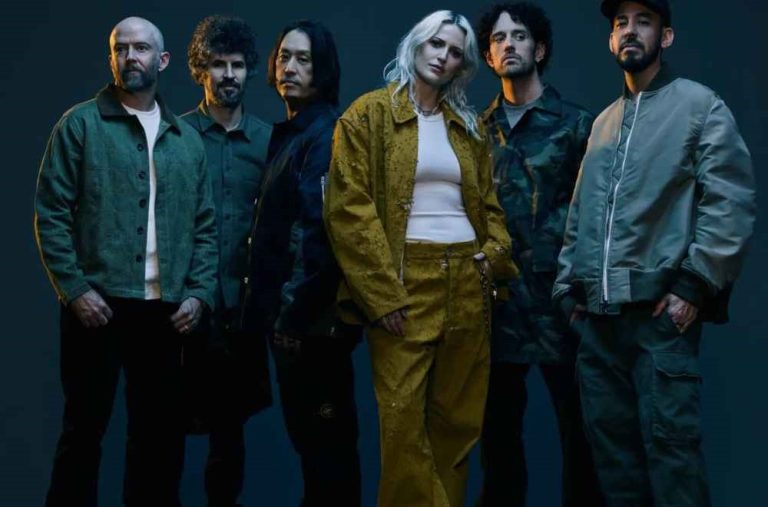
In 2024, Linkin Park’s made waves by introducing Emily Armstrong, former frontwoman of Dead Sara, as their new co-vocalist. This bold move marked the band’s first major lineup change since the tragic passing of Chester Bennington in 2017. Known for her powerful vocals and raw energy, Armstrong brings a fresh dynamic to the group, ushering in a new chapter for the band’s sound and identity.

The New Sound

Linkin Park’s genre-defying sound has long been a mix of rock, electronic, and hip-hop elements, with Bennington’s signature voice as a cornerstone of their identity. The addition of Armstrong introduces a unique tone that blends seamlessly with Mike Shinoda’s rap and vocals. Her gritty, alternative rock style, honed during her time with Dead Sara, made an immediate impact with the release of the band’s latest single, “The Emptiness Machine.” The song, first performed live on “The Tonight Show” in September 2024, showcased Armstrong’s ability to channel both the intensity and emotional vulnerability that defined much of Linkin Park’s previous work.

Her powerful vocal range was evident as she alternated between melodic verses and screamed choruses, much like Bennington did in his prime. As Mike Shinoda explained in an interview, “Having Emily’s voice on these tracks gave me the feeling that we were creating new Linkin Park music that stayed true to our roots while also evolving into something fresh”.

Impact on Legacy

As one of the most beloved bands from the early 2000s, Linkin Park has a deeply loyal fanbase. The introduction of a new vocalist—especially a female one—was bound to stir emotions among their followers. Many fans welcomed Armstrong as a fitting tribute to the late Bennington, appreciating her respect for his legacy and her ability to bring a fresh perspective to the band’s catalog. Armstrong herself has been vocal about her desire to honor Bennington, stating in interviews, “I would love to do him proud. I grew up on Hybrid Theory, and being part of this band is an honor I don’t take lightly”.

However, the change has not come without controversy. Some fans and even Bennington’s family members have expressed reservations about the band moving forward without him. Bennington’s son, Jamie, publicly criticized the decision, expressing disappointment with the timing of the announcement during International Suicide Prevention Month. Despite these challenges, the band remains committed to embracing this new chapter, with a world tour and the release of their album From Zero, set to drop in November 2024.

The Future of Linkin Park

With the release of From Zero and the launch of their 2024 world tour, Linkin Park is poised to continue evolving while staying true to the core of what made them one of the most influential bands of their era. Armstrong’s addition signals a new era for the band, one that honors the past while embracing the future. As Shinoda mentioned during a recent interview, “This isn’t about erasing the past; it’s about building something new from the foundation we’ve created”.

As they embark on their global tour with stops in Los Angeles, New York, London, and beyond, fans will have the opportunity to experience Linkin Park’s new sound live, blending the old with the new. With Armstrong at the helm, the band’s future looks promising, as they continue to navigate the balance between their legacy and their growth as artists.

Conclusion

Music Industry Weekly understands that Linkin Park’s decision to introduce a new vocalist in 2024 has opened a new chapter for the band, one that pays tribute to their past while embracing change. With Emily Armstrong bringing her own unique style, the band is evolving their sound and identity while still maintaining the heart that their fans know and love. As they prepare for the release of their album From Zero and embark on a world tour, it’s clear that Linkin Park is continuing to push boundaries, ensuring their place in music history remains strong.

The White Stripes vs. Trump: A Legal Battle Over Music

0

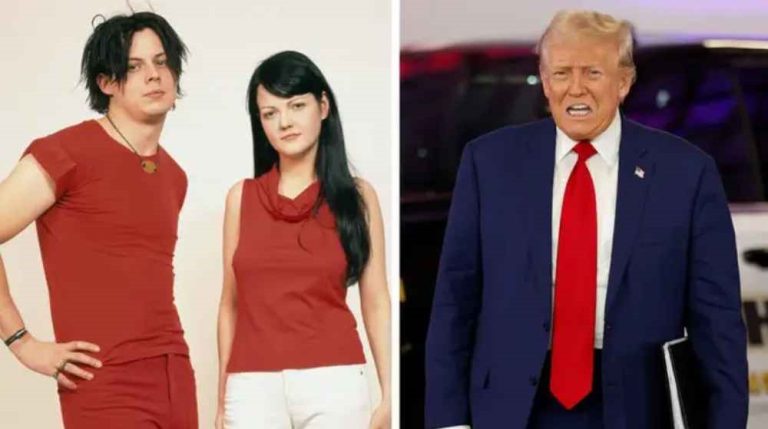
In 2024, The White Stripes—Jack and Meg White—filed a lawsuit against former President Donald Trump and his campaign for using their song Seven Nation Army without permission. This case highlights a growing trend of artists taking legal action to control the political use of their music.

The Lawsuit: White Stripes Take Legal Action

In September 2024, The White Stripes sued Trump’s campaign in federal court for using Seven Nation Army in a campaign video. Despite prior warnings and cease-and-desist letters, the campaign continued to use the song, forcing the band to take legal action. The lawsuit accuses the campaign of copyright infringement and emphasizes the duo’s opposition to Trump’s policies.

Artists vs. Politicians: The Legal Battle

This case is part of a broader trend of musicians clashing with politicians over unauthorized music use. Bruce Springsteen, Adele, and Neil Young have objected to their songs being played at political events. These disputes often center around copyright law and licensing agreements for public performances.

Political campaigns often secure public performance rights through blanket licenses from organizations like ASCAP or BMI. However, artists can object to the use of their music in politically charged contexts. The White Stripes, for example, have openly opposed Trump’s political platform, adding another layer to the dispute.

Can Artists Control Their Music in Political Campaigns?

The lawsuit raises an important question: Can artists control how their music is used politically?

While licensing agreements protect artists to some extent, it’s not always clear-cut. Politicians often obtain general licenses, allowing them to play songs at events. However, when campaigns use music in promotional materials, it often falls under copyright infringement, giving artists more grounds to challenge unauthorized use.

For The White Stripes, this lawsuit serves as a clear stance against Trump’s political message. Jack White has publicly voiced his disapproval of Trump’s policies, using both legal action and social media to distance himself from the former president.

The Growing Trend: Music and Politics

The White Stripes are not alone in taking legal action. In 2020, Neil Young sued Trump’s campaign for using Rockin’ in the Free World without permission. Similarly, Tom Petty’s estate issued a cease-and-desist order when Trump used I Won’t Back Down in 2020. These cases show a growing trend of musicians protecting their work from associations with political figures they oppose.

This trend underscores how music and politics intersect, with artists increasingly taking a stand to maintain the integrity of their art.

Conclusion: Artists Taking a Stand

Music Industry Weekly acknowledges that The White Stripes’ legal battle against Donald Trump is part of a larger struggle within the music industry. Musicians want to control how their music is used in political campaigns. While legal victories can be challenging, these cases reflect a growing desire among artists to protect their work from political messaging that doesn’t align with their values. As more musicians take a stand, we may see reforms that give artists more control over their music in politically charged environments.

Jack Black’s Influence on Musical Parody

0

Jack Black stands out as one of the most energetic figures in entertainment. Through his work in musical parody, especially with his band Tenacious D, Black blends humor, larger-than-life performances, and undeniable musical talent. But can we credit him as the “Father of Musical Parody,” or does that title belong to earlier artists like “Weird Al” Yankovic, who shaped the genre long before Black’s rise?

Jack Black’s Role in Musical Parody

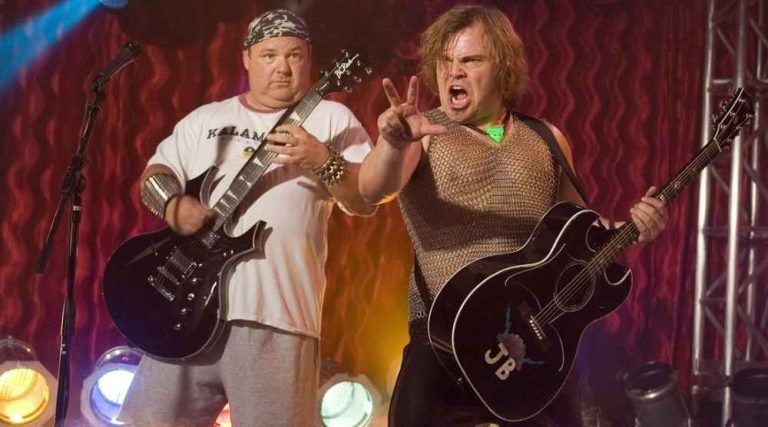
Though best known for films like School of Rock and Nacho Libre, Black’s real contribution to musical parody lies in his work with Tenacious D. Together with Kyle Gass, Black fuses rock music with humor, creating songs that are both musically impressive and comically absurd. Songs like “Tribute” and “The Metal” show how Black uses his passion for rock to craft parodies that feel authentic and technically sound.

Unlike many parodists, Black and Gass write original music rather than altering existing songs. They satirize rock and metal’s excess, bravado, and clichés, using these elements as the basis for their humor. This sets Black apart from others who rely on well-known tunes to engage their audience.

Comparing Jack Black to Other Parody Artists

While Black’s influence is undeniable, it’s essential to compare his work to other major figures in musical parody. “Weird Al” Yankovic remains the most influential name in the genre. He has crafted comedic versions of popular hits since the 1980s, with classics like “Eat It” (parodying Michael Jackson’s “Beat It”) and “Amish Paradise” (a spin on Coolio’s “Gangsta’s Paradise”). Yankovic established the template for musical parody, directly spoofing chart-topping songs to wide appeal.

In contrast, Black’s humor centers on character-driven satire. For example, his character in School of Rock, Dewey Finn, is a wannabe rock star who molds a group of children into a rock band. This role mixes Black’s comedic timing with his love for music, bringing musical parody to a younger audience.

Other artists, like Flight of the Conchords, deserve mention as well. Like Tenacious D, this New Zealand duo writes original music that parodies entire genres rather than specific songs. This approach blurs the line between homage and humor, much like Black’s work.

Shaping the Genre: Who Holds the Crown?

Determining who truly shaped musical parody isn’t easy. “Weird Al” Yankovic’s longevity and mainstream success make him the most recognized figure in the genre. His parodies have reached audiences worldwide, and his chart-topping hits continue to influence new artists.

However, Jack Black brought a fresh take to the genre, particularly within the rock sphere. His decision to create original songs that celebrate and mock rock music earned him a distinct place in musical parody. He might not be the “Father of Musical Parody,” but his contributions have been vital to its evolution.

Conclusion: Jack Black’s Legacy in Parody

Music Industry Weekly acknowledges that while “Weird Al” Yankovic may hold the title of “Father of Musical Parody,” Jack Black’s impact is undeniable. Through Tenacious D, he bridged the gap between comedy and music, leaving a lasting mark on parody in rock culture. His ability to combine humor with genuine musicianship continues to inspire both fans and aspiring artists.

The Evolution of Smart Instruments: How Technology is Enhancing Music Creation

0

With the rapid advancement of technology, smart instruments have emerged as a revolutionary force in the music industry. These instruments, equipped with embedded sensors, IoT capabilities, and AI-driven analytics, are transforming how artists create, perform, and even learn music. By integrating connectivity and automation, smart instruments are not only enhancing musicianship but also democratizing music production for aspiring artists and hobbyists alike. This article explores the rise of smart instruments, their impact on the creative process, and how they are reshaping musicianship and accessibility.

What Are Smart Instruments?

Smart instruments are musical devices that incorporate advanced digital technologies, such as sensors, actuators, and connectivity features, to enhance their capabilities beyond traditional instruments. Unlike conventional guitars, pianos, or violins, smart instruments can provide real-time feedback, adjust their tuning automatically, and even analyze the user’s playing patterns to offer tailored guidance. Instruments like the Artiphon Orba, Jamstik+, and Yamaha’s Clavinova CSP-295 represent just a few examples of how these technologies are pushing the boundaries of what instruments can do.

Smart Instruments Transforming the Creative Process

One of the key advantages of smart instruments is how they are transforming the way music is composed and produced. By leveraging embedded intelligence, these instruments allow artists to experiment with new sounds, tweak tonal qualities dynamically, and optimize their playing techniques. For instance, smart guitars with sensors can monitor string tension and adjust the sound output accordingly, while smart pianos can respond to a player’s touch and automatically adjust volume and tone for a more expressive performance.

Moreover, the ability to connect smart instruments to digital audio workstations (DAWs) via Bluetooth or Wi-Fi streamlines the recording process. Musicians can easily capture their compositions, make adjustments, and explore new soundscapes without requiring complex setups. This connectivity also allows musicians to collaborate remotely, bridging geographical gaps and encouraging creative partnerships.

Democratizing Music Creation

Smart instruments are not just for professionals. One of the most significant impacts of this technology is its ability to democratize music production. With built-in tutorials, real-time feedback, and user-friendly interfaces, smart instruments make learning music more accessible to beginners. For example, a novice violinist can receive instant feedback on bowing techniques or intonation, speeding up the learning process while tailoring guidance to the player’s unique strengths.

Instruments like the ONE Smart Piano or HyVibe Guitar integrate features that help musicians of all levels explore music creation without needing extensive formal training. This accessibility has opened the door for more people to explore their musical talents, lowering the barriers to entry that once existed in the music world.

Enhancing Live Performances

Smart instruments are also transforming live performances, enabling musicians to create more immersive experiences for their audiences. By integrating with IoT systems, these instruments can communicate with lighting, sound systems, and other stage equipment. For instance, a smart guitar might synchronize with stage lighting, creating a visual and auditory spectacle that enhances the live concert experience.

Additionally, sensors embedded in smart instruments can optimize the on-stage performance by transmitting data about environmental conditions like humidity and temperature, ensuring the instrument stays in optimal condition throughout the show. The ability to connect these instruments to other devices adds a new level of interaction, allowing audience participation or real-time adjustments to the music based on crowd reactions.

Challenges and Considerations

While smart instruments offer numerous benefits, they also present certain challenges. The high cost of smart instruments remains a barrier for some musicians, especially when compared to their traditional counterparts. Additionally, the integration of data-collecting features raises concerns about privacy and data security, as musicians may be wary of how their performance data is used.

Moreover, as smart instruments evolve, there is a learning curve associated with mastering these new technologies. Musicians, educators, and even audiences must familiarize themselves with the capabilities of these advanced devices to fully appreciate their potential. However, training programs and resources are becoming more available, ensuring a smoother transition to this new era of music creation.

Conclusion: A New Era of Music Creation

Music Industry Weekly understands that the rise of smart instruments marks a significant turning point in the music industry. By combining traditional craftsmanship with cutting-edge technology, smart instruments are enhancing musicianship, making music more accessible, and pushing the boundaries of creative expression. As these instruments continue to evolve and become more integrated into the mainstream, they will undoubtedly play a pivotal role in shaping the future of music production, performance, and education.