Data Analytics in Music: How Labels Are Using AI to Predict the Next Big Hit

0

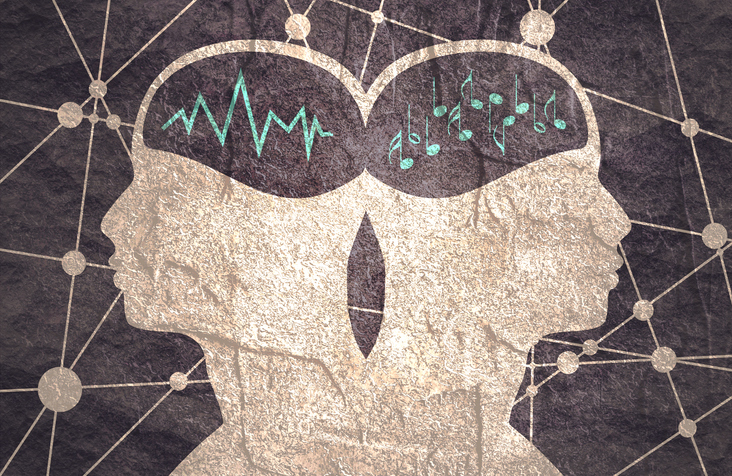
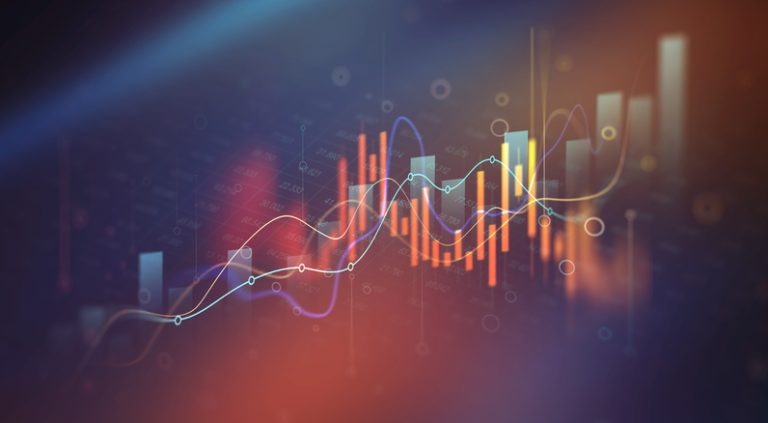
As the music industry becomes more data-driven, record labels and producers are increasingly leveraging AI-powered analytics to forecast which songs will dominate the charts. This shift marks a fundamental change in how hits are produced and marketed. By analyzing streaming patterns, social media trends, and even song structure, artificial intelligence is helping predict musical successes with unprecedented accuracy. However, this raises critical questions about the future of creativity in music: Can AI truly capture the human element, or are we reducing art to mere algorithms?

The Role of AI in Predicting Hits

Big data and AI have significantly reshaped music production. Platforms like Spotify and Apple Music use data analytics to monitor listener behavior, identifying trends and preferences to generate personalized playlists. However, for record labels, the stakes are much higher. They use predictive analytics not only to understand audience preferences but also to shape their music production strategies.

Companies like Tencent Music Entertainment have developed PDM (Predictive Model) technology, which analyzes song structure, lyrics, and past trends to predict a track’s potential to become a hit. By using AI-driven tools, Tencent can target songs to specific demographics and craft marketing strategies based on predicted outcomes. Similarly, companies like Warner Music Group use AI to scout new talent and determine which artists have the greatest potential based on streaming and social media data.

How It Works: Data-Driven Music Production

AI-driven platforms like Musiio and Asaii use machine learning to analyze millions of data points from past hits. These systems assess elements such as tempo, key, melody, and lyrical sentiment to understand what combinations resonate with audiences. For instance, AI can analyze a song’s emotional tone using sentiment analysis, predicting how listeners might react and adjusting the production process accordingly.

By integrating AI into the early stages of music creation, record labels can make data-informed decisions about which songs are likely to perform well commercially. This allows them to invest resources more efficiently, focusing on tracks with the highest potential for success.

The Benefits of AI in Music

For record labels, the ability to predict hits offers a competitive advantage. Data analytics reduces the financial risk associated with promoting new music by increasing the likelihood of selecting successful tracks. This also allows for targeted marketing—record labels can tailor their strategies to specific audiences, improving engagement rates and driving higher sales.

Moreover, artists benefit from AI by receiving data on which elements of their music resonate most with fans. This insight can help musicians refine their sound or focus on certain themes in future projects, improving their overall commercial appeal.

The Ethical Dilemma: Is Creativity Being Reduced to Data?

While AI offers powerful tools for predicting hits, it also raises ethical concerns. One key issue is the potential loss of musical diversity. As AI increasingly influences music production, there is a risk that the industry could prioritize songs that conform to tried-and-tested formulas, stifling creativity and innovation. If data analytics favors specific genres, tempos, or lyrical themes, artists may feel pressured to conform, limiting artistic exploration.

Additionally, there are concerns about algorithmic bias. AI models rely on historical data, which can inadvertently perpetuate existing trends and reinforce industry biases. As a result, underrepresented artists and genres might struggle to break through, further homogenizing the music landscape.

Conclusion

Music Industry Weekly understands that AI and data analytics have revolutionized the way the music industry operates, offering powerful tools for predicting hits and optimizing marketing strategies. However, as the industry becomes more reliant on data, it is crucial to balance commercial success with artistic creativity. While AI can help identify patterns and predict trends, the true magic of music lies in its unpredictability—something that no algorithm can fully replicate.
The Rise of Spatial Audio: How 3D Sound is Transforming Music Production

0

Spatial audio has emerged as a major innovation in the music industry. This technology offers an immersive experience by positioning sound in a 3D space, making it feel as if it’s coming from all around the listener. From production to live performances, spatial audio is reshaping how we create, consume, and experience music.

What is Spatial Audio?

Spatial audio goes beyond the limitations of traditional stereo sound. While stereo places audio within a left-right sound field, spatial audio positions sounds in a full 360-degree environment. This allows listeners to hear music from all directions—above, below, and around them. Technologies like Dolby Atmos and Sony 360 Reality Audio help simulate these natural soundscapes.

Streaming platforms like Apple Music, Tidal, and Amazon Music have adopted spatial audio formats. As this technology becomes more common, it is quickly becoming a new standard.

How Spatial Audio is Changing Music Production

For producers, spatial audio unlocks new creative possibilities. Artists can place instruments and effects in specific locations within a 3D soundscape, adding depth and detail to compositions. This allows listeners to feel more connected to the music, as though they are enveloped by sound.

Object-based audio, such as Dolby Atmos, allows for more control in crafting these immersive soundscapes. This precision is especially useful in genres like electronic, classical, and ambient music, where spatial elements play a crucial role in the listening experience. Billie Eilish and Finneas used spatial audio in songs like “Happier Than Ever” to create dynamic, moving sound.

Reshaping the Listener’s Experience

Spatial audio dramatically changes how listeners experience music. Instead of the flat sound of stereo, it creates the sensation of being surrounded by sound, similar to a live performance. The technology increases engagement and enhances emotional impact.

Since Apple Music introduced spatial audio, listener engagement has surged. By the end of 2023, 80% of songs in the Global Daily Top 100 used this technology. As more artists release tracks mixed in Dolby Atmos, fans are becoming accustomed to this immersive experience.

Impact on Live Performances

Spatial audio is also transforming live sound engineering. By incorporating spatial audio into concerts, sound engineers create a 3D environment that enhances the audience’s experience. The sound moves around the venue, creating a fully immersive performance.

Artists like The Weeknd have begun experimenting with spatial audio in live settings, blending 3D sound with visuals for a multi-sensory show. As the technology becomes more accessible, spatial audio will likely become a standard in live performances, bringing studio-quality sound to the stage.

Challenges and the Future of Spatial Audio

Despite its advantages, spatial audio presents challenges. Producers need specialized tools, and not all playback devices support the full 3D experience. Creating spatial mixes can also be costly and time-consuming, which may limit access for independent artists.

However, as the technology becomes more mainstream through tools like Pro Tools, Logic Pro, and Reaper, these barriers are likely to decrease. With major streaming platforms embracing spatial audio, it’s clear this technology is here to stay.

Conclusion

Music Industry Weekly recognizes that spatial audio is revolutionizing music production. It offers artists and producers new ways to create immersive, three-dimensional soundscapes. As listeners continue to embrace this technology, and as live performances evolve to include spatial sound, music is transforming. Whether in the studio or on stage, spatial audio provides a richer and more engaging experience for fans worldwide.

The Price of Fandom: Is Loyalty Being Exploited?

0

In today’s music industry, fans have become more than just listeners—they drive billion-dollar revenue streams. Whether through concert tickets, exclusive merchandise, or VIP experiences, fan devotion is meticulously monetized. But as fandom becomes more tied to consumerism, the line between fan engagement and exploitation is blurring. This article explores how fan loyalty is being commodified and the potential consequences of this trend.

Monetizing Fan Loyalty: The Music Industry’s Strategy

Artists have always relied on fans to generate income, initially through album sales and concert tickets. In the streaming era, where album sales have plummeted, the industry turned to live performances, merchandise, and exclusive fan experiences as key revenue sources.

Concert tickets, particularly through dynamic pricing, have skyrocketed in cost. Platforms like Ticketmaster adjust prices based on demand, often leaving fans paying far more than face value. For example, resale prices for Taylor Swift’s Eras Tour tickets reached an average of $3,801, a staggering figure. Dynamic pricing claims to reflect true market value and fight scalping, but critics argue it exploits fan loyalty by making shows unaffordable for many.

The Boom in Merchandise and Exclusivity

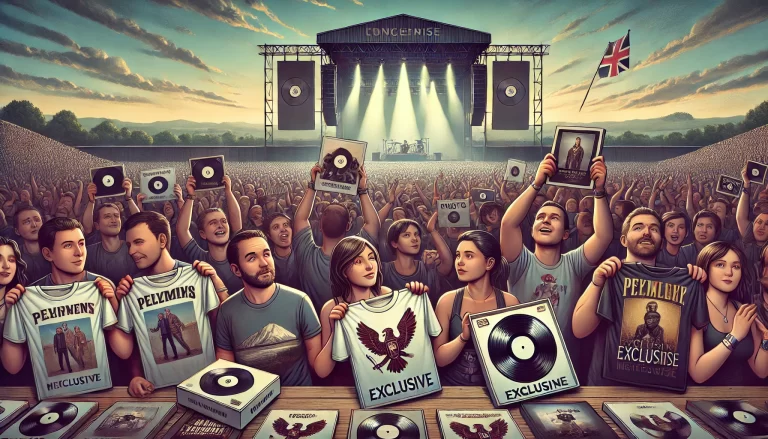
Merchandise, too, has evolved beyond simple T-shirts. Artists now offer limited-edition collaborations, vinyl records, and unique branded items that are central to the fan experience. K-pop, especially, exemplifies this trend. Fans of groups like BTS spend heavily on limited-run photo cards or special-edition albums, which often sell out within minutes. The scarcity mindset pushes fans to purchase quickly or risk missing out.

Exclusive fan experiences, such as virtual meet-and-greets or early ticket access, have gained importance. These experiences, while deepening the fan-artist connection, come with high price tags. During Billie Eilish and Dua Lipa’s virtual events, fans paid premium prices to interact with their favorite artists. This focus on exclusivity has raised concerns about economic barriers, leaving some fans feeling excluded.

Fan Experience: Engaged or Exploited?

While some fans enjoy spending money to support their favorite artists, others feel frustrated with the increased monetization of fandom. Concerts, once considered communal events, now favor wealthier fans. For example, Bruce Springsteen’s use of dynamic pricing led to fan backlash, with one fanzine even ceasing publication in protest of ticket costs.

The rising costs of fandom, especially when ticket prices outpace inflation and service fees account for nearly 27% of the cost, make it harder for fans to afford participation. Many fans are left questioning whether their loyalty is being exploited.

The Ethical Dilemma

The question of whether the music industry is exploiting fan loyalty or simply responding to demand is complex. On one hand, fans willingly purchase tickets, merchandise, and exclusive experiences. On the other, the ever-rising costs and limited availability raise concerns about over-commercialization. High ticket prices reflect broader economic inequality, where wealthier fans secure premium experiences while others are left behind.

Additionally, many fans report feeling pressure to spend more to prove their loyalty. This emotional connection, coupled with limited-edition drops, turns fandom into a competition rather than a celebration of music.

Conclusion: Finding a Balance

Music Industry Weekly understands that as the music industry continues to monetize fan loyalty, the risk of alienating supporters remains high. While exclusive experiences and merchandise provide value to many, the rising costs of attending concerts and buying limited-edition items have sparked a larger debate about engagement vs. exploitation. To maintain a healthy balance, the industry must offer transparency in pricing and provide affordable options that ensure fandom remains inclusive.

Childish Gambino Postpones Tour: The Impact of Artist Health on Tours and Fan Expectations

0

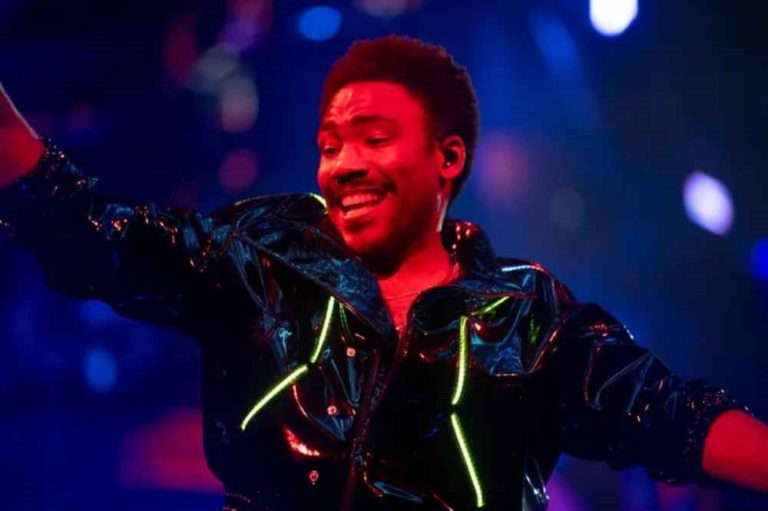
In today’s music industry, artists must balance larger-than-life performances with relentless tour schedules. These demands often overlook physical and mental health. Recently, Childish Gambino, also known as Donald Glover, postponed his New World Tour to focus on his well-being. While fans were disappointed, his decision highlights the importance of artist health and the music industry’s responsibility to support artists without neglecting fan expectations.

The Strain of Touring: A Physical and Mental Challenge

Touring is one of the toughest aspects of an artist’s career. Long hours, constant travel, and high-energy performances can take a toll on any artist’s health. Gambino’s recent tour postponement shows how these pressures can lead to serious health issues. For Glover, this decision followed intense performances, including the kickoff in Oklahoma City. After canceling his Houston show due to illness, the strain became apparent, forcing him to prioritize his health over the remaining 16 shows.

More artists are now speaking out about the difficulties they face on tour. Historically, many felt pressure to “push through” ailments. Today, however, this practice is seen as damaging. With fans investing in tickets and travel, artists feel immense pressure to meet expectations. Yet Glover’s postponement reminds us that even top-tier performers have limits when their health is at risk.

Fan Expectations vs. Artist Well-Being

Tour postponements inevitably frustrate fans, especially those who’ve made significant investments in tickets and accommodations. Concerts often represent more than just a performance—they’re a once-in-a-lifetime experience. Still, many fans are growing more empathetic as conversations about mental health and artist burnout become more common.

Glover’s transparent communication helped manage expectations. His message on social media expressed gratitude to fans and reassured them that their tickets would be honored when new dates were announced. By addressing the issue honestly, Glover set a positive example for the industry: fans should be treated with respect, but artists’ well-being must come first.

The Financial and Logistical Impacts of Postponed Tours

Postponing a tour brings financial and logistical challenges. Artists and their teams must handle ticket refunds, reschedule venues, and rearrange travel plans. For Childish Gambino’s tour, this likely means reworking contracts, promotions, and scheduling for both the North American and European legs. Additionally, the availability of venues and coordination with support acts like Willow and Amaarae add to the complexity.

These disruptions highlight the ripple effect that one artist’s health can have on the entire tour ecosystem. The industry involves not only tour managers and promoters but also local businesses that benefit from concert-related tourism. While health should always come first, these challenges show the need for more flexible and sustainable touring models.

How the Industry Can Support Artists

Given the challenges of touring, many experts call for proactive approaches to managing artist health. Solutions like shorter tour legs, longer rest periods, and open communication between artists and teams can help reduce burnout. As more artists, including Shawn Mendes, Justin Bieber, and Ariana Grande, open up about their struggles, the industry is starting to recognize the need for change.

These high-profile cases have sparked conversations about fan empathy. Fans are beginning to understand that, while disappointing, an artist’s health must take precedence over fulfilling tour commitments.

Conclusion: Finding a Balance

Music Industry Weekly acknowledges that Childish Gambino’s decision to postpone his New World Tour highlights the ongoing need for the music industry to prioritize artist health. As fans grow more aware of the physical and emotional toll of touring, the industry must evolve to provide better support. Balancing fan expectations with the necessity of preserving artists’ well-being will remain a challenge, but transparency and empathy are key to fostering healthier relationships between artists and their audiences.

Epic 2024 Comebacks: The Artists Making a Resurgence This Year

0

2024 has proven to be a year of monumental musical comebacks, with several iconic artists returning to the spotlight after extended breaks. From R&B legends to ’90s rockers, these artists are making waves with new releases, tours, and performances, all while reconnecting with their loyal fanbases and introducing themselves to a new generation of listeners. Here’s a breakdown of the most notable comebacks and the strategies that have contributed to their resurgence.

Usher: The R&B King Returns to the Spotlight

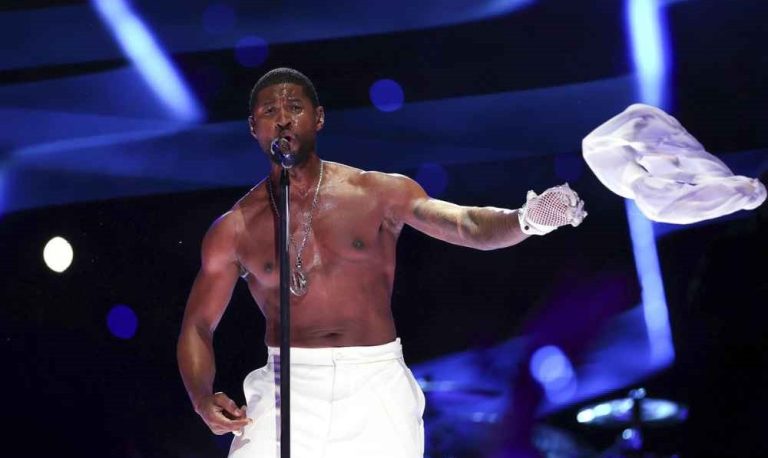
Usher has been a staple of R&B for decades, and in 2024, he returned in a big way. With the release of his highly anticipated album Coming Home, Usher not only dropped new music but also secured one of the most coveted performance slots in the world—headlining the Super Bowl LVIII halftime show. His strategic release of the album just two days before the Super Bowl showcases his masterful approach to maximizing exposure. The timing couldn’t be better, as this high-profile performance will inevitably reignite interest in his music and boost streaming numbers.

Jennifer Lopez: A Decade in the Making

Jennifer Lopez’s return in 2024 marks her first solo album release in ten years. The excitement around her comeback is palpable, especially considering her last major performance at the Super Bowl in 2020 with Shakira. Her new album, which follows years of building her brand through acting and various business ventures, signals a return to her musical roots. By carefully building anticipation over the years, J.Lo has ensured that fans—both old and new—are ready to embrace her sound once again.

Kanye West: Controversy Meets Musical Brilliance

Despite a rocky few years marked by controversy, Kanye West has once again reminded the world of his undeniable musical talent. His 2024 comeback album Vultures, a collaboration with Ty Dolla Sign, serves as a reminder of why West has long been considered a visionary in the industry. Kanye’s ability to stay relevant despite his polarizing persona speaks to the power of his artistic genius. His return also demonstrates the public’s enduring fascination with both his music and his personal life.

21 Savage: A New Chapter with the American Dream

After almost five years without a solo album, 21 Savage made his long-awaited return in 2024 with American Dream, an album that offers gritty, introspective lyricism that fans have come to expect. His comeback was carefully crafted with the simultaneous release of a biopic documenting his life journey, titled American Dream: The 21 Savage Story. By merging music with storytelling, 21 Savage has reestablished his position as one of the most compelling voices in modern rap.

The ’90s Bands That Time Won’t Forget

2024 has also seen the return of iconic ’90s bands, capitalizing on the nostalgia of an era that refuses to fade. Bands like Creed, Blink-182, and Hootie & the Blowfish have all embarked on tours, filling arenas with fans eager to relive the music of their youth. These acts have smartly timed their comebacks with the resurgence of ’90s culture, proving that nostalgia remains a powerful driver in the music industry.

Strategies Behind Their Successful Comebacks

What makes these comebacks stand out is the strategic use of timing, branding, and multimedia engagement. Artists like Usher and Kanye West have tied their album releases to major events, ensuring maximum visibility. Meanwhile, 21 Savage’s use of visual storytelling through his biopic adds depth to his musical comeback, making his return more than just about the music—it’s a narrative journey that fans can connect with. The ’90s bands have tapped into the growing trend of nostalgia, smartly marketing their tours as experiences that transport fans back to the golden age of rock and alternative music.

Conclusion: A Year of Resurgence and Reinvention

Music Industry Weekly realizes that 2024 has been a banner year for comebacks, with artists from various genres finding ways to reinvent themselves or simply remind the world of their relevance. Whether through strategic album releases, tapping into nostalgia, or blending music with other media, these artists have proven that with the right approach, comebacks can be just as impactful as an initial breakthrough. As they continue to capture the spotlight, their stories serve as a testament to the enduring power of music and the ever-evolving nature of the industry.

Adele’s Potential Retirement: What Happens When Iconic Voices Consider Stepping Away?

0

Adele, one of the most recognizable and powerful voices in modern music, has sparked widespread speculation about her potential retirement. During her recent Las Vegas residency, she alluded to taking a break from music, hinting at a possible extended hiatus, if not retirement. Given her colossal impact on the music industry, fans, and fellow artists, what does her rumored retirement mean for her legacy, and how will the industry react to such a departure?

A Giant in the Music Industry: The Impact of Adele’s Absence

Adele’s influence on the music industry is undeniable. Since her breakthrough with 19, she has consistently dominated charts, amassing over 100 million album sales worldwide and multiple Grammy Awards. Songs like “Rolling in the Deep” and “Hello” became instant classics, cementing her as one of the greatest voices of our time. Her ability to blend raw emotional ballads with immense vocal power has made her stand out in a saturated industry.

Should Adele retire, the industry would undoubtedly feel a significant void. Artists of her caliber and cross-generational appeal are rare. Music executives might scramble to identify the next chart-dominating balladeer, but it’s unlikely anyone will seamlessly fill her shoes. Her departure could also create a shift in the industry’s focus, as record labels and streaming platforms look to artists outside of Adele’s genre for the next big thing.

For the music landscape, her absence might encourage newer artists to redefine the adult contemporary genre she popularized. The “Adele gap” would open doors for rising stars to tap into her fanbase, though no one can replace her unique blend of soul, pop, and heartfelt lyricism.

The Fanbase Response: Mixed Emotions

For fans, Adele’s potential retirement is bittersweet. On one hand, she has offered so much to the world through her deeply personal, relatable music. Fans have connected with her lyrics about love, heartbreak, and self-discovery. Her songs often serve as emotional soundtracks to listeners’ life events.

However, fans also understand the physical and emotional toll of being in the public eye for so long. Adele has been candid about her challenges, from dealing with throat surgery to struggles with anxiety and body image. Recently, she shared how sciatica impacted her health during performances. Her announcement of a potential break, or even retirement, resonates with a fanbase that wants her to prioritize her health and well-being.

Many fans are vocal about their desire for Adele to continue making music but equally supportive of her decision to step back if needed. Some have taken to social media, expressing that, while they’d miss new music, they respect her desire to focus on herself and her family.

Adele’s Legacy: Solidified, Regardless of Future Decisions

Adele’s potential retirement will not diminish her status as a music icon. Over her career, she’s shaped the industry, setting new standards for album sales and live performances. With 21 becoming one of the best-selling albums of all time, her influence stretches far beyond mere numbers. Adele has transformed how artists approach ballads and soul music in the 21st century.

Her impact is not just musical. Adele represents authenticity in an industry often criticized for superficiality. She’s relatable, down-to-earth, and has maintained a level of privacy and self-respect rarely seen in contemporary pop culture. Adele’s body of work, marked by vulnerability and realness, will endure for generations.

If she chooses to retire, her legacy is already secure. Future artists will undoubtedly reference her as an influence, and her music will continue to be an integral part of the emotional landscape of popular culture.

What the Future Holds: A Break or a Farewell?

Should Adele truly decide to step away, her future could take many paths. She might follow in the footsteps of artists like Barbra Streisand, who has taken breaks but returned for special projects. Alternatively, she could transition into other creative endeavors, such as film or television, similar to the career evolution of Lady Gaga.

Moreover, Adele’s recent acknowledgment of exhaustion hints at the possibility that she may simply need time to recharge. Her recent residencies in Munich and Las Vegas, while wildly successful, may have taken a toll on her physically and mentally. If this is the case, a break could ultimately benefit her artistry, giving her space to create when she feels ready.

Conclusion: A Farewell or Just a Pause?

Whether Adele’s potential retirement is permanent or temporary, Music Industry Weekly recognizes that her impact on the music industry will remain profound. Artists of her magnitude are rare, and her contributions will continue to influence future generations of musicians. If this truly is the end of Adele’s time in the spotlight, she leaves behind a monumental legacy, one that few artists can rival. Regardless of her decision, her authenticity, vulnerability, and immense talent will ensure her music resonates for decades to come.

Coachella 2024: Debates Over Inclusivity and Ticket Accessibility

0

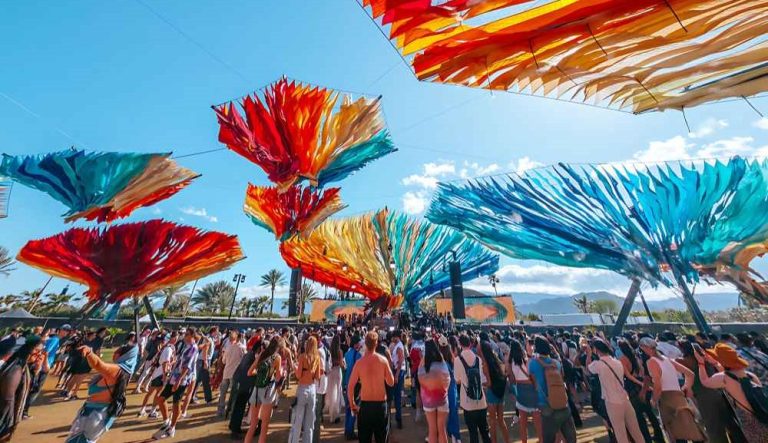
Coachella had long been regarded as a cultural touchstone for music festivals, celebrated for its eclectic lineups and star-studded performances. However, as the 2024 edition approached, the festival found itself at the center of controversy. Issues surrounding inclusivity in its headliner selection and the soaring cost of tickets had ignited discussions among fans and critics alike, raising questions about whether Coachella still prioritized its roots or had shifted toward a more exclusive, profit-driven model.

The Diversity Dilemma: Who Took the Stage?

One of the central debates surrounding Coachella 2024 was the lack of diversity among its headliners. While past festivals had featured a range of artists across genres, this year’s roster sparked concern about whether the festival was truly committed to championing inclusivity. Major names like Lana Del Rey, The 1975, and Blink-182 were confirmed, but critics argued that these artists didn’t represent the full spectrum of contemporary music—particularly from genres and communities that were often marginalized.

Fans and industry insiders alike called for a lineup that included more artists from underrepresented groups. While Doja Cat and Tyler, The Creator brought some diversity to the headliners, there was still noticeable underrepresentation from genres like Afrobeats, K-pop, and Latin music, all of which were growing in popularity globally. Many fans used social media to voice their frustration, highlighting the importance of showcasing diverse voices at such a globally influential festival.

Skyrocketing Ticket Prices: Was Coachella Still Accessible?

As ticket prices for Coachella 2024 continued to rise, the conversation about accessibility intensified. General admission prices increased dramatically, with VIP packages and exclusive add-ons costing even more. For many festivalgoers, these high costs made the event feel more like a luxury experience reserved for the elite, rather than an inclusive gathering for music lovers.

The cost of attending Coachella extended far beyond the ticket price. From travel and accommodations to food and drinks, fans found it harder to justify the expense. VIP tickets, which offered access to exclusive areas and amenities, further deepened the divide between attendees. What once felt like a communal experience became increasingly stratified.

Coachella’s pricing model reflected a broader trend in the festival industry, where premium experiences—such as backstage passes, meet-and-greets, and exclusive viewing areas—became standard. While these offerings were lucrative for organizers, they also raised ethical questions about whether they alienated the very fans who helped build the festival’s reputation.

The Call for Change: Inclusivity and Affordability

The growing debate around Coachella 2024 sparked calls for meaningful changes, both in terms of lineup diversity and ticket pricing. Fans urged organizers to re-evaluate their booking strategies to include a wider range of voices, especially as genres like Latin music, Afrobeat, and K-pop continued to gain traction internationally. Artists like Bad Bunny, Rosalia, and Burna Boy had seen massive success on global stages, and many felt their inclusion would resonate with Coachella’s diverse audience.

Furthermore, there was a push for more transparent and affordable ticket pricing. Fans argued that while VIP experiences were desirable for some, they should not come at the expense of alienating regular ticket holders. The festival’s leadership faced mounting pressure to strike a balance between maintaining its elite status and staying true to the inclusive, communal spirit that once defined it.

The Future of Music Festivals: Lessons from Coachella

The debate over Coachella’s inclusivity and ticket accessibility spoke to larger trends within the live music industry. As festivals evolved, the tension between maintaining cultural relevance and maximizing profits became increasingly apparent. Coachella, as one of the most prominent festivals in the world, was uniquely positioned to set the tone for how events could balance diversity, accessibility, and profitability.

Looking ahead, many wondered whether Coachella would respond to these concerns. Could the festival adapt to meet the demands of a more socially conscious audience? Or would it continue to prioritize commercial success over cultural significance? These questions were likely to define the future of not just Coachella, but the festival industry as a whole.

Conclusion: A Festival at a Crossroads

Music Industry Weekly understands that Coachella 2024 stood at a critical juncture. With growing scrutiny over its headliner choices and ticket pricing, the festival had to navigate the complex terrain of inclusivity and accessibility. While its iconic status remained intact, Coachella’s future depended on its ability to embrace diversity and ensure that it stayed accessible to fans from all walks of life. The festival’s response to these challenges would set a precedent for how music festivals could evolve in a way that prioritized both cultural impact and fan experience.

Doja Cat’s Love-Hate Relationship with Her Fans: A Dive into the Controversies

0

Doja Cat, one of the most dynamic artists in pop and rap today, has made headlines for both her musical talents and her complex relationship with her fanbase. With a unique journey that spans viral TikTok hits to Grammy-winning performances, Doja Cat’s artistic expression is as multifaceted as her presence on social media. However, recent controversies have cast a shadow over her rise, leading to questions about her relationship with fame, her fans, and the role of social media in modern artistry.

A Star Is Born: Doja Cat’s Rise to Fame

Doja Cat, born Amala Ratna Zandile Dlamini, rose to fame in 2018 with her viral hit “Mooo!” The song, originally intended as a joke, quickly became a sensation on social media, signaling Doja’s ability to blend humor with talent. Her versatility showcased through genre-blurring tracks like “Say So” and “Streets,” further propelled her into the mainstream. By the time her album Planet Her dropped in 2021, Doja was one of the most talked-about artists globally, balancing pop, rap, and R&B with ease.

Her journey, however, hasn’t been without its share of challenges. Doja Cat’s career has thrived in the age of social media, a double-edged sword that has amplified both her success and controversies.

Controversies and the Complexities of Social Media

Doja Cat’s relationship with her fans, often referred to as the “Kittens,” has seen significant turmoil over the years. Social media platforms, particularly Twitter and Instagram, have become battlegrounds where Doja has both connected with and alienated parts of her fanbase.

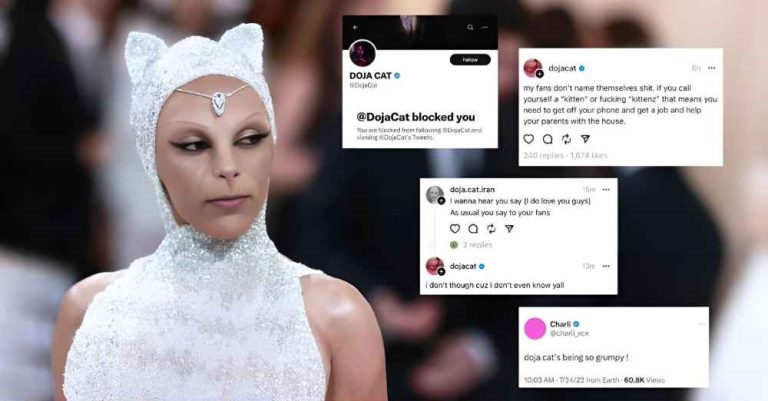
One of the most recent controversies occurred when Doja Cat publicly distanced herself from her fan nickname, “Kittens,” telling fans that she doesn’t “know” them, and expressing discomfort with the parasocial relationships fans have developed. This statement, while brutally honest, struck a nerve with her supporters. Many fans, who had devotedly followed her career, felt rejected. Some even closed down prominent fan pages, claiming that Doja’s dismissive attitude had become too much.

These moments reflect a broader tension between Doja Cat’s artistic persona and the expectations that come with celebrity in the social media age. While many artists enjoy playful interactions with fans, Doja’s more combative approach challenges the norms of fan-artist dynamics.

Navigating Fame: Artistic Freedom or Accountability?

Doja Cat’s controversies don’t end with her fanbase. She has often been in the spotlight for contentious comments on social issues, including accusations of participating in problematic online behavior in the past. She has apologized for some of these missteps, but others have resulted in further backlash.

This complex relationship with accountability raises a broader question: how much should artists be held responsible for their actions and words? For Doja, her frequent candor and refusal to shy away from confrontation have both endeared and alienated parts of her fanbase.

Despite this, Doja Cat has consistently expressed the importance of artistic freedom. As her social media presence reflects, Doja has often pushed back against being pigeonholed, whether as a pop star or an influencer, insisting that her artistry is meant to defy expectations.

The Impact of Social Media Backlash

The impact of these controversies on Doja Cat’s career has been mixed. While some fans have distanced themselves, Doja’s success in the music industry continues to soar. Her music remains critically acclaimed, and she has consistently topped charts, showing resilience in the face of social media uproar.

The backlash hasn’t significantly affected her business partnerships or music releases either. Recently, she has doubled down on her provocative persona, releasing more daring and boundary-pushing content, including the singles for her 2023 album Scarlet. These releases further blur the lines between playful satire and bold statements, signaling that Doja is unafraid to continue evolving—even if it means losing a portion of her audience along the way.

Balancing Fame and Authenticity: Lessons from Doja Cat

For many artists, Doja Cat’s journey is a cautionary tale. It highlights the importance of maintaining authenticity while navigating the volatile world of social media. Artists in today’s landscape face immense pressure to engage with fans, often blurring the boundaries between personal life and professional image.

While Doja’s unapologetic stance has garnered her criticism, it has also made her a symbol of creative independence. By refusing to conform to industry standards or cater to fan expectations, she has maintained control over her narrative, despite the risks of public backlash.

Conclusion: The Future of Doja Cat’s Relationship with Fame

Music Industry Weekly recognizes that Doja Cat’s love-hate relationship with her fans and fame underscores the complexities that come with modern-day celebrity. Social media, while a powerful tool for engagement, can also amplify misunderstandings and fuel controversies. Doja’s journey reveals the delicate balance between maintaining artistic integrity and navigating the pressures of public life.

As Doja Cat continues to redefine her relationship with fame and fans, the ongoing controversies will undoubtedly shape her career. However, her ability to challenge norms, provoke thought, and remain true to her vision suggests that Doja Cat’s impact on the music industry is far from over.

Is Genre Dead? How Today’s Artists Are Defying Categorization

0

In recent years, the traditional concept of music genres has blurred as artists increasingly break free from established boundaries. These musicians experiment with styles, sounds, and influences, creating works that resist categorization. With the rise of digital streaming platforms, listeners now have easier access to a broad range of music. As a result, artists are evolving, rejecting the constraints of a single genre label. This shift raises an important question: is the idea of genre as we know it truly dead?

The Rise of Genre-Defying Artists

Many contemporary artists build their careers on the idea that music shouldn’t be limited by categories. Take Lil Nas X, for instance. His viral hit “Old Town Road” merged country and hip-hop, challenging long-held distinctions between genres. Initially, some country music charts even removed the track for not being “country enough.” Despite this, the song’s success showed that genre boundaries are less relevant today for both fans and artists.

Billie Eilish is another prime example. Her music blends pop, indie, electronica, and punk elements, making it difficult to categorize. Artists like Tyler, the Creator, who fuses rap, jazz, and R&B influences, also represent this genre-fluid trend. These musicians demonstrate that experimentation and breaking traditional barriers are not only accepted but celebrated. As a result, a new era of music has emerged where blending genres is the norm.

Streaming’s Role in Blurring Genres

Digital platforms like Spotify, Apple Music, and YouTube have significantly influenced the collapse of rigid genres. These platforms encourage listeners to explore music beyond genre constraints. For example, Spotify’s popular “Discover Weekly” and “Release Radar” playlists introduce users to songs based on listening habits rather than genre. This algorithm-driven approach reflects a broader shift in how people consume music, prioritizing mood or vibe over traditional categories.

Curated playlists, such as Spotify’s “Pollen” and “Lorem,” further mix genres to create unique listening experiences. Modern listeners no longer want to hear just one style but instead prefer mood-driven mixes with diverse influences. This has led to the growing acceptance of genre-blurring music, where strict labels hold little importance for both artists and fans alike.

Moreover, streaming platforms have democratized access to a variety of musical styles worldwide. Latin music, K-pop, and Afrobeats have surged in popularity, often blending with Western pop to create new sounds. This global reach has allowed listeners to discover genre-blurring tracks that break both cultural and musical barriers.

Implications for Music Marketing and Awards

For the music industry, the trend toward genre fluidity presents both challenges and opportunities. Marketers and record labels face difficulties in promoting artists who don’t fit into traditional categories. Historically, radio airplay and promotional strategies have relied heavily on genre labels to guide campaigns. As more musicians blend genres, industry professionals must adapt their methods to engage a diverse audience.

The genre-blurring trend also affects music awards. The Grammys, for instance, have received criticism for rigid genre categories that don’t accurately reflect the hybrid sounds of today’s music. Artists like Post Malone or Billie Eilish often struggle to find categories that represent their work. As a result, pressure mounts on award shows to reconsider their classifications, with many calling for new categories or more flexible approaches.

While genre labels still serve organizational purposes—especially within streaming services—many now recognize that traditional divisions no longer capture the diverse, experimental music being created today.

The Future of Genre: A New Era in Music

As genre-blurring music continues to rise, artists create more niche or hybrid sub-genres, refusing to be constrained by labels. Some critics argue that this signals the death of genre as we know it. Others, however, see this as a natural progression in music’s evolution. Rather than eliminating genres, artists may continue blending influences to foster innovation and creativity.

This shift isn’t necessarily about rejecting genres altogether but expanding what music can be. Genres will likely become more fluid, allowing musicians greater freedom to experiment without the fear of being boxed into one specific category.

With streaming platforms giving global access to diverse sounds, and artists pulling from different musical traditions, the future of music is bound to become more inclusive and experimental. Genres may still evolve, but the strict boundaries that once separated them are fading.

Conclusion: Is Genre Truly Dead?

So, is genre dead? While it may not be entirely obsolete, its role in defining music has changed significantly. Today’s artists and listeners prioritize creativity, mood, and emotion over rigid classifications. This shift pushes genres to their breaking point, giving rise to a generation of genre-fluid artists who reflect modern listeners’ diverse tastes.

Music Industry Weekly understands that as music continues to evolve, the question may not be whether genre is dead, but rather how it will keep transforming alongside technological changes, audience preferences, and the endless possibilities of artistic expression.

Music vs. Politics: Should Artists Stay Neutral or Use Their Platform?

0

Music vs. Politics: The question of whether musicians should remain neutral or leverage their platform for political activism has ignited debates across the music industry, particularly in the age of social media. Artists have long been at the forefront of political expression, from Bob Dylan’s protest anthems during the 1960s civil rights movement to Rage Against the Machine’s bold anti-authoritarian stance. However, in today’s highly polarized world, musicians face a more complex landscape where their words and actions are scrutinized by fans, critics, and industry insiders.

A History of Music and Politics

Artists have been intertwining music with political messages for decades. In the early 1990s, Rage Against the Machine made waves with their politically charged lyrics and live performances, using their platform to challenge government policies and social injustices. Similarly, Sinead O’Connor famously sparked controversy when she tore up a photo of Pope John Paul II during a live performance on Saturday Night Live, protesting the Catholic Church’s handling of sexual abuse allegations. This bold move effectively altered the trajectory of her career, highlighting the risks artists face when mixing music with politics.

Today, artists like Billie Eilish, Kendrick Lamar, and Megan Thee Stallion have also voiced their political stances, particularly on issues such as climate change, systemic racism, and social inequality. These musicians see their platforms not just as a stage for entertainment but as a tool for societal change.

Musicians’ Voices Amplified by Social Media

The rise of social media has significantly changed the way artists interact with their fanbase. Platforms like Twitter, Instagram, and TikTok allow musicians to broadcast their opinions instantly to millions of followers. This connectivity means that statements made by artists—whether on stage or online—can have immediate and far-reaching consequences. While many fans support artists taking a stand, others argue that musicians should stay neutral to avoid alienating certain segments of their audience.

Recent examples include Taylor Swift, who faced both praise and backlash when she broke her political silence to endorse progressive candidates in the 2018 U.S. midterm elections. Her decision sparked a broader conversation about the role of musicians in political discourse and whether it helps or harms their careers. On one hand, activism can deepen the bond between artists and fans who share similar values. On the other, it may lead to boycotts from those with opposing views.

Ethical Concerns: Fanbase and Career Risks

Engaging in political activism carries inherent risks for musicians. On the one hand, it can elevate an artist’s profile, drawing in fans who admire their stance. On the other, political statements can alienate listeners who disagree, leading to diminished record sales, canceled shows, or negative press. For example, country singer The Chicks (formerly known as The Dixie Chicks) experienced severe backlash, including boycotts, after criticizing then-President George W. Bush during a concert in 2003.

Additionally, artists who engage in political discourse must navigate how much transparency they wish to offer. Musicians like Childish Gambino and Run the Jewels have masterfully balanced commercial success while delivering sharp political critiques, whereas others may struggle to maintain broad appeal.

Conclusion: Should Musicians Stay Neutral or Engage in Activism?

Ultimately, whether artists should stay neutral or engage in political activism depends on their goals and personal convictions. For many, speaking out on social issues is an integral part of their artistry, while others may choose to prioritize commercial success by steering clear of controversial topics. As social media continues to amplify the reach of musicians’ voices, the music industry will likely see more artists use their platforms to advocate for change, reshaping not only their careers but also the cultural landscape.

Music Industry Weekly recognizes that by blending political expression with their creative output, musicians have the potential to inspire movements and challenge societal norms. However, they must also weigh the potential career risks and fan backlash that can arise from taking a stand on divisive issues.