PinkPantheress: The Bedroom Pop Phenom Taking Over the Charts

Emerging from TikTok’s dynamic landscape, PinkPantheress has rapidly become a defining voice in the bedroom pop genre. Her journey to fame reflects the powerful role of authenticity and innovation in today’s digital music scene.

The Rise of a Digital Sensation

PinkPantheress is a British singer, songwriter, and producer. She initially grabbed attention with her lo-fi, nostalgic sound, which merges drum and bass, UK garage, and pop elements. She began by posting snippets of her tracks on TikTok in 2020. Her distinctive sound quickly captivated users. Her breakout track, “Just for Me,” turned into a viral phenomenon. It amassed millions of streams and propelled her into the spotlight.

Unlike many artists who spend years refining their craft in public, PinkPantheress honed hers in the privacy of her bedroom. Her music features short, impactful tracks that vibe and validate the anxieties and experiences of a generation raised online.

A Distinct Musical Style

What sets PinkPantheress apart is her ability to blend past sounds with today’s sensibilities. Her airy melodies and heartfelt lyrics create an ephemeral yet impactful sound, nostalgic of UK rave culture but sprinkled with a zoomer style D&B.

Tracks like “Pain” and “Break It Off” perfectly demonstrate how she combines haunting melodies with upbeat, breakbeat-inspired rhythms. Her unique style has not only distinguished her from her peers but has also influenced a wave of artists experimenting with similar sounds.

Impact on the Music Industry

PinkPantheress’s success underscores the shifting dynamics in the music industry. Her rise through TikTok illustrates the platform’s power in music discovery and its growing influence on pop music. The DIY approach to music production and distribution represents the increasingly blurred lines between amateur and professional artistry in the digital age.

Her debut mixtape, To Hell with It, released in 2021, cemented her position in the industry, earning critical acclaim for its innovative sound and introspective lyrics. Despite the brevity of her tracks, each song delivers a significant emotional impact, resonating with listeners worldwide.

Future Prospects

Looking ahead, PinkPantheress shows no signs of slowing down. She continues to create new music, with fans eagerly anticipating her next releases. As she collaborates with more artists and producers, her influence on the genre and broader music landscape is expected to grow.

Her ability to maintain anonymity while achieving mainstream success reflects her focus on music rather than fame. This approach not only endears her to her fanbase but also ensures that her music remains the central focus of her career.

PinkPantheress isn’t just a fleeting sensation; she’s a trailblazer redefining what it means to be a pop star in the digital age. As she evolves as an artist, her impact on the music industry will undoubtedly be significant.

Conclusion

Music Industry Weekly celebrates the ingenuity and authenticity that PinkPantheress brings to the music scene. Her unique sound, characterized by its nostalgic yet modern feel, has redefined bedroom pop and inspired a new generation of artists. As she continues to push creative boundaries and connect with fans across the globe, PinkPantheress is undoubtedly a name that will resonate for years to come. We look forward to seeing how her influence shapes the evolving landscape of digital music.


Rema: The Afrobeats Star Who’s Crossing Continents

Rema, the Nigerian singer and rapper, is more than just an artist—he’s a cultural phenomenon. Born Divine Ikubor in Benin City, Nigeria, Rema has quickly risen to international fame. Blending Afrobeats with elements of trap and pop, his sound has reached audiences far beyond Africa. He’s become one of the most influential figures in the global Afrobeats scene.

A Global Influence

Rema burst onto the scene in 2019 with his debut EP, Rema, which featured the breakout hit “Dumebi.” The song, characterized by its infectious rhythm and catchy chorus, quickly became a staple on African airwaves and beyond. The success of “Dumebi” was followed by hits like “Iron Man,” which even caught the attention of former U.S. President Barack Obama, who included it on his summer playlist.

Rema’s sound is a seamless fusion of traditional Nigerian music with global pop and trap elements. This genre-blending approach has made Afrobeats more accessible to international audiences. Additionally, It has positioned Rema as a leading voice in the genre’s global expansion. His music transcends cultural boundaries. This makes him a household name in countries as diverse as the United States, the United Kingdom, and India.

Key Collaborations and Tracks

Rema’s ability to blend various genres has led to several high-profile collaborations that have further cemented his global status. In 2021, he teamed up with American rapper 6lack and British producer JAE5 on the track “Dimension”. The song blends elements of Afrobeats with R&B and hip-hop, creating a sound that felt fresh and familiar. It showcased his versatility and global appeal.

Another significant collaboration came in 2022 when Rema joined forces with Selena Gomez on the remix of his track “Calm Down.” The collaboration not only introduced Rema to Gomez’s massive global fanbase but also highlighted his ability to cross over into mainstream pop without losing the essence of his Afrobeats roots.

Rema’s discography is filled with tracks that push the boundaries of what Afrobeats can be. Songs like “Soundgasm” and “Bounce” demonstrate his willingness to experiment with different sounds and styles, making his music unpredictable and exciting.

Upcoming Projects

As Rema’s star continues to rise, fans and industry insiders alike are eagerly anticipating his next moves. His debut album, Rave & Roses, received critical acclaim for its innovative sound and introspective lyrics. The album, which features a mix of upbeat tracks and slower, more reflective songs, showcases Rema’s growth as an artist and his commitment to pushing the boundaries of Afrobeats.

Looking ahead, Rema has hinted at more international collaborations and a potential world tour. These upcoming projects are expected to further expand the reach of Afrobeats to new audiences around the world.

Rema’s influence on the global music scene cannot be overstated. As he continues to break new ground with his music, he is not only shaping the future of Afrobeats but also redefining what it means to be a global artist in the 21st century.

At Music Industry Weekly, we recognize that Rema’s influence on the global music stage is a testament to the power of cultural fusion and innovation. As Afrobeats continues to captivate listeners worldwide, Rema remains at the forefront, blending genres and breaking boundaries. His ability to connect with diverse audiences not only solidifies his status as a global star but also sets the stage for the continued rise of African music in international markets. Stay tuned as we follow Rema’s journey and explore how he shapes the future of music.

Resolved Legal Battles in Music: What We Learned and What’s Next for the Industry

0

As the music industry evolves, legal disputes play a significant role in shaping its future. At Music Industry Weekly, we keep our readers informed about these pivotal cases and their long-term implications.

1. Drake vs. Vogue

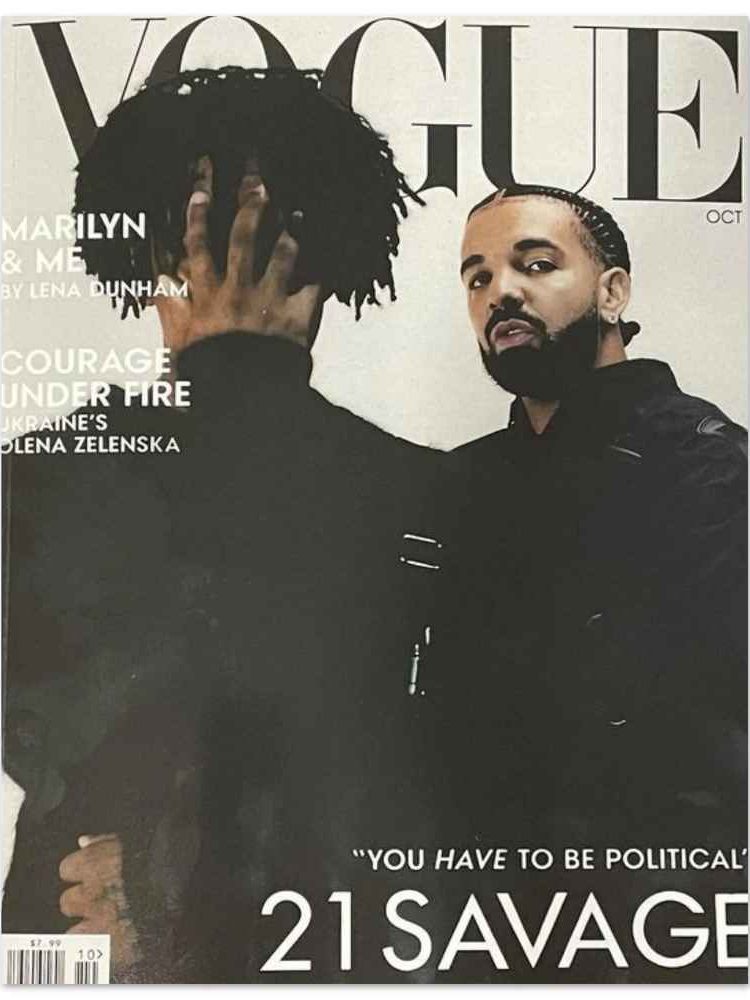
This past year, rap superstar Drake faced off with fashion magazine Vogue in a high-profile legal battle. The dispute began when Drake used a mock Vogue cover to promote his latest album. Condé Nast, Vogue’s parent company, filed a lawsuit. They claimed that the fake cover infringed on their trademark and confused consumers.

Counterfeit Vogue magazine cover featuring Drake and 21 Savage, circulated in October 2022
The counterfeit Vogue cover Drake and 21 Savage circulated in October 2022 to promote Her Loss. Vogue and Condé Nast had no involvement and did not endorse the album; the image is shown for commentary and criticism of the trademark case it triggered.

The court ruled in favor of Condé Nast, determining that Drake’s use of the brand crossed legal boundaries. This case has set a precedent for how artists can use parody and established brands in their promotional content.

As a result, artists and their teams are likely to approach such strategies with greater caution in the future, balancing creative expression with respect for intellectual property rights.

2. Ed Sheeran’s Copyright Case

Ed Sheeran recently won a significant copyright infringement lawsuit. The plaintiffs had claimed that his hit song “Shape of You” closely resembled another track. However, the court ruled in favor of Sheeran, concluding that the similarities were not substantial enough to constitute infringement.

This ruling underscores the importance of understanding the fine line between inspiration and copying. It has also provided clarity on what constitutes copyright infringement, especially in cases where the boundaries are blurred. Consequently, songwriters and producers are now more aware of the need to document their creative processes. They’ve also learned to be cautious when drawing inspiration from existing works.

3. Kanye West and the Yeezy Dispute

Kanye West faced a legal challenge over his Yeezy brand, involving allegations of breach of contract and trademark infringement with a former business partner. The dispute ended in a settlement, with West retaining control over the Yeezy brand.

This case highlights the complexities artists face when managing multiple business ventures. The outcome underscores the necessity for clear and enforceable contracts, particularly when an artist’s brand spans multiple industries.

For artists looking to diversify their portfolios, this case serves as a reminder of the importance of solid legal foundations in business agreements.

4. Taylor Swift’s Re-Recording Rights

Taylor Swift‘s decision to re-record her earlier albums in response to disputes over her master recordings has sparked widespread discussion about artists’ rights. Although her re-recording process continues, many of the legal challenges have been resolved, allowing Swift to proceed with her re-releases.

This situation has become a landmark case in the music industry. It highlights the importance of contract negotiation and the potential for artists to regain control over their work. Swift’s approach may inspire other artists to consider re-recording as a viable strategy for reclaiming their rights. Especially when faced with unfavorable contract terms.

5. NFTs and Intellectual Property

The rise of NFTs (non-fungible tokens) has introduced new legal challenges, particularly concerning copyright infringement, trademark violations, and the unauthorized use of artists’ likenesses. Several cases in 2023 and 2024 have set important precedents for how intellectual property laws are applied in the digital space.

These rulings have clarified the legal landscape for NFTs in the music industry, establishing guidelines for the ownership, distribution, and monetization of digital music assets. As the industry continues to explore the potential of NFTs, these cases will serve as a foundation for future legal frameworks in the digital marketplace.

Implications for the Industry

The outcomes of these legal battles have far-reaching implications for the music industry. They have redefined the boundaries of intellectual property rights, influenced how contracts are negotiated, and shaped the way artists promote and monetize their work. As the industry continues to evolve, staying informed about these developments is crucial for artists, labels, and other stakeholders.

At Music Industry Weekly, we remain committed to providing comprehensive coverage of these and other significant legal issues affecting the music industry. As new challenges arise, we will continue to offer insights and analysis to help you navigate the ever-changing landscape of music law.

In conclusion, the resolution of these cases has set new standards and expectations for the music industry. Whether it’s navigating intellectual property rights or managing multi-industry brands, the lessons learned from these legal battles will influence the future of music. Stay tuned to Music Industry Weekly for ongoing updates and expert commentary on these critical issues.

The Impact of Streaming Services on Album Releases: What Artists Need to Know

0

Streaming services have changed the traditional album release model. This article analyzes how streaming has impacted album releases and what artists need to know.

Singles vs. Albums

With the rise of streaming, releasing singles has become more popular than full albums. Singles allow artists to stay relevant and maintain a constant presence on streaming platforms. Artists like Drake and Ariana Grande have utilized this strategy to keep their audiences engaged, often dropping singles in between album releases to maintain momentum.

Playlists and Discoverability

Playlists play a crucial role in an artist’s success on streaming services. Getting featured on popular playlists can significantly increase streams and exposure. For example, being added to Spotify’s “New Music Friday” playlist can lead to millions of new listeners discovering an artist’s work. Tools like SubmitHub can help artists pitch their music to playlist curators and bloggers, increasing the chances of playlist placements.

Marketing Strategies

Effective marketing strategies are essential for a successful album release. Utilizing social media, music videos, and live performances can help build anticipation and drive streams. Campaigns that involve teasers, behind-the-scenes content, and fan interaction can create a buzz around new releases. Platforms like Instagram, TikTok, and YouTube are invaluable for promoting music and engaging with fans.

Release Timing

Timing the release of an album or single is important. Releasing music during peak streaming times, such as weekends and holidays, can maximize visibility and engagement. Data analytics from platforms like Chartmetric can help artists understand the best times to release music based on listener habits and trends.

Revenue Considerations

While streaming provides exposure, it also presents challenges in terms of revenue. Understanding the streaming revenue model and exploring additional income streams, such as merchandise and live performances, is essential. Artists often earn significantly less per stream compared to traditional album sales, making it important to diversify income through live shows, merch, and fan subscriptions on platforms like Patreon.

Learn more about the impact of streaming on album releases at Music Industry Weekly.

Streaming services have transformed the traditional album release model.

Networking in the Music Industry: How to Make Meaningful Connections

0

Networking is essential for success in the music industry. This article shares strategies for effective networking and relationship-building.

Attend Industry Events

Attending industry events, such as conferences, workshops, and festivals, is a great way to meet other professionals. Be prepared with business cards and be ready to introduce yourself and your work. Events like South by Southwest and MIDEM offer excellent networking opportunities. At these events, you can attend panels, participate in workshops, and engage in networking mixers designed to connect industry professionals.

Use Social Media

Social media is a powerful networking tool. Follow industry professionals, engage with their content, and participate in online discussions. Building an online presence can open up networking opportunities. Platforms like LinkedIn are particularly useful for professional networking. On LinkedIn, you can join music industry groups, participate in discussions, and connect with other professionals in your field. Twitter and Instagram also provide platforms to engage with artists, producers, and other music professionals.

Join Music Organizations

Joining music organizations and associations can provide access to resources and networking events. These organizations often host mixers, panels, and showcases that are perfect for meeting new contacts. Consider joining groups like The Recording Academy or ASCAP. These organizations provide opportunities for members to network with peers, gain industry insights, and showcase their talents.

Offer Value

When networking, focus on how you can offer value to others. Whether it’s through collaboration, sharing knowledge, or providing support, being helpful and generous can build strong, lasting connections. Think about what you can bring to the table and how you can assist others in their careers. For instance, you might offer to co-write a song, provide studio space, or share your expertise on a particular aspect of music production.

Follow Up

Following up is crucial. After meeting someone, send a follow-up email or message to thank them for their time and express your interest in staying in touch. Maintaining contact can lead to future opportunities. Keep track of your connections and reach out periodically to stay on their radar. A simple thank-you note or a message updating them on your latest project can keep the connection alive.

Learn more about effective networking in the music industry at Music Industry Weekly.

Building meaningful connections is essential for success in the music industry.

Crowdfunding for Musicians: How to Successfully Fund Your Next Project

0

Crowdfunding has become a popular way for musicians to fund their projects. This article discusses effective crowdfunding strategies and platforms for aspiring artists.

Choosing the Right Platform

Selecting the right crowdfunding platform is crucial. Platforms like Kickstarter, Indiegogo, and Patreon offer different features and fee structures. Artists should choose the one that best fits their needs and goals. Kickstarter is known for its all-or-nothing funding model, which can create a sense of urgency and drive contributions, while Patreon allows for ongoing support through subscriptions, making it ideal for artists with a steady stream of content.

Setting Realistic Goals

Setting a realistic funding goal is important for a successful campaign. Artists should consider the costs of production, marketing, and rewards when determining their target amount. It’s also beneficial to research similar campaigns to gauge what funding levels are achievable. Detailed budgeting and transparency about where the funds will go can build trust with potential backers.

Creating Compelling Campaigns

A compelling campaign page with engaging videos, images, and detailed project descriptions can attract potential backers. Highlighting the unique aspects of the project and the artist’s story can resonate with supporters. Personal videos explaining the project and the artist’s journey can create a deeper connection with the audience. Regular updates and milestones can keep backers engaged and excited throughout the campaign.

Offering Attractive Rewards

Offering attractive rewards, such as exclusive merchandise, signed albums, and personalized experiences, can incentivize backers to support the campaign. Limited edition items or experiences can create a sense of exclusivity and urgency. For example, offering a private virtual concert or a custom song can provide unique value to backers.

Promoting the Campaign

Promotion is key to a successful crowdfunding campaign. Leveraging social media, email newsletters, and collaborations with influencers can help reach a wider audience. Consistent and strategic posting, along with engaging content like behind-the-scenes looks and progress updates, can maintain interest and drive contributions. Partnering with other artists or influencers can expand reach and attract new supporters.

Crowdfunding is a popular way for musicians to fund their projects and engage with fans.

Discover more crowdfunding tips for musicians at Music Industry Weekly.

Crafting Hits: Inside the Songwriting Process of 2024’s Top Tracks

0

Ever wondered how the biggest hits of 2024 are crafted? Here’s an insider look at the songwriting and production processes behind this year’s chart-toppers, along with some unique hacks that top artists and producers use to create their magic.

The Songwriting Journey

The journey of a hit song often starts with a simple idea. Songwriters gather in studios or connect virtually, brainstorming melodies and lyrics that will resonate with listeners. This year, collaborative efforts have been especially fruitful, with artists blending genres and experimenting with new sounds.

TIPS

  • Morning Pages: Many songwriters start their day with “morning pages,” a practice of writing stream-of-consciousness thoughts to clear their minds and spark creativity. This technique has led to some of the most catchy hooks and memorable lines.
  • Environment Change: To keep ideas fresh, songwriters often change their environment. Writing sessions in parks, cafes, or even different rooms can lead to new inspirations and perspectives.

The Production Phase

Once the songwriting is complete, the song moves into the production phase. Producers work tirelessly to bring the song to life, layering instruments, adding beats, and fine-tuning every element to perfection.

For instance, Jack Antonoff, known for his work with artists like Taylor Swift and Lorde, uses a mix of vintage analog equipment and modern digital tools to create a unique sound. His approach blends the warmth of classic recordings with the precision of contemporary production techniques.

TIPS

  • Using Oblique Strategies: Developed by Brian Eno and Peter Schmidt, Oblique Strategies are cards with prompts designed to break creative blocks. Producers draw a card to gain a new angle on their work, leading to innovative production techniques.
  • Recording Everything: Producers and artists keep recording devices handy to capture every spontaneous idea. These recordings often contain the seeds of the next big hit.
Microphones with different purposes and effects.

In the Recording Studio

The recording studio is where the magic happens. Artists pour their hearts into multiple takes, harmonizing vocals, and adding special effects to enhance the final product.

In 2024, many artists are using AI-driven tools to experiment with their vocal arrangements and add unique effects. This technology helps them push the boundaries of traditional music production. Artists like Grimes have been pioneers in this space, using AI to create otherworldly vocal textures and harmonies that would be impossible to achieve otherwise.

TIPS

  • AI-Driven Tools: In 2024, many artists are using AI-driven tools to experiment with their vocal arrangements and add unique effects. This technology helps them push the boundaries of traditional music production.
  • Collaboration: Regular writing sessions with other musicians provide fresh insights and keep the creativity flowing. Collaborations often result in dynamic and unexpected elements in the music.
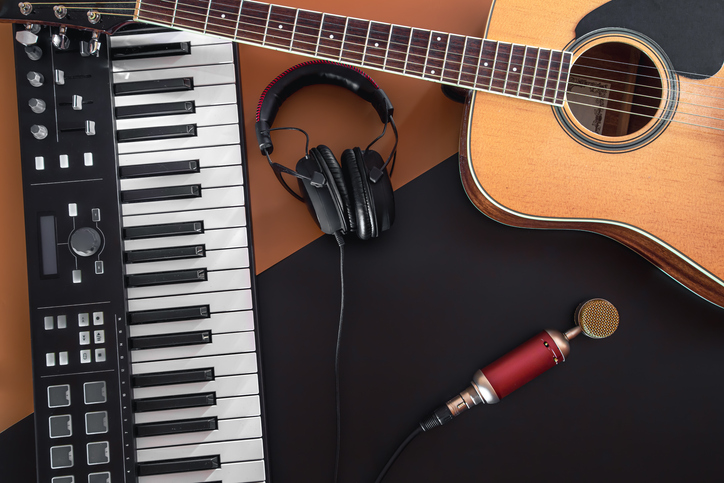
Sound music recording and creation studio at work.

Mixing and Mastering

Mixing and mastering are critical to the final sound of a track. Mixing ensures all elements are balanced, while mastering polishes the song, making it ready for radio and streaming.

Mixing engineers like Serban Ghenea, who has worked with artists like The Weeknd and Ariana Grande, are known for their meticulous attention to detail. They ensure every instrument and vocal track is perfectly balanced to create a cohesive and impactful sound.

TIPS

  • Limiting Tools: Some producers limit themselves to using a single instrument or a minimal set of tools. This constraint forces them to think creatively and focus on the essence of the song.
  • Embracing Imperfections: Rather than striving for perfection, many artists embrace imperfections. This mindset allows for experimentation and often leads to unique, authentic sounds.

Release and Promotion

Once the song is ready, it’s time to release and promote it. Social media, music videos, and live performances play crucial roles in reaching the audience and climbing the charts.

Artists like Lil Nas X have mastered the art of viral marketing. His use of TikTok to promote “Old Town Road” set a new standard for music promotion, and he’s continued to leverage social media to keep his audience engaged with every new release.

TIPS

  • Engaging Fans: Interaction with fans through social media, live chats, and exclusive content helps build a loyal fanbase. Platforms like TikTok and Instagram are essential for creating viral moments.
  • Analyzing Performance: Artists and producers use tools like Instagram Insights and TikTok Analytics to understand what resonates with their audience, refining their approach for future releases.

Discover more behind-the-scenes stories and tips at Music Industry Weekly.

Get an insider look at how 2024’s top hits are made and the unique hacks used by today’s top artists and producers.

Understanding Music Licensing: A Guide for Independent Artists

0

Music licensing is a complex but crucial aspect of the music industry. This article breaks down the complexities of music licensing and its importance for revenue.

What is Music Licensing?

Music licensing is the process of granting permission to use a song in various formats, such as films, commercials, and video games. It ensures that artists are compensated for the use of their work. This compensation can come in the form of royalties or a one-time payment, providing a significant source of income for musicians.

Types of Licenses

There are several types of music licenses, each serving a different purpose and providing different rights to the licensee:

  • Synchronization (Sync) Licenses: These allow the licensee to synchronize music with visual media, such as movies, TV shows, advertisements, and video games.
  • Mechanical Licenses: These are required when a song is reproduced on physical media (like CDs) or digital platforms (like streaming services).
  • Performance Licenses: These licenses are needed for the public performance of music, whether live or broadcasted on radio and TV.

Understanding the differences between these licenses is essential for artists to ensure they are adequately compensated and their rights are protected.

How to License Music

Independent artists can license their music through various platforms:

  • Licensing Agencies: These organizations handle the licensing process on behalf of artists, connecting their music with potential licensees.
  • Music Libraries: These are collections of music available for licensing, often used by filmmakers, advertisers, and other content creators.
  • Direct Deals with Content Creators: Artists can negotiate directly with filmmakers, advertisers, and other media producers to license their music.

Understanding the terms and conditions of each agreement is crucial. Artists should pay close attention to the scope of the license, the duration, and the compensation terms to ensure they are fair and beneficial.

Benefits of Licensing

Licensing can provide a significant revenue stream for artists. It also offers exposure, as licensed songs often reach new audiences through different media. For instance, a song featured in a popular TV show or advertisement can boost an artist’s visibility and attract new fans. Additionally, licensing can create opportunities for collaboration and further placements, enhancing an artist’s career prospects.

Challenges and Considerations

While licensing offers many benefits, it also comes with challenges. Negotiating fair terms, protecting intellectual property, and understanding the legal aspects can be complex. Independent artists must be vigilant about their rights and seek advice from legal professionals when necessary. Legal guidance can help artists navigate contracts, understand their rights, and ensure they are adequately compensated for their work.

Learn more about music licensing and its benefits at Music Industry Weekly.

Understanding music licensing is crucial for independent artists seeking revenue opportunities.

AI in Music Production: Revolutionizing the Way We Create

0

Artificial intelligence is transforming music production. This article investigates how AI is influencing the creation and composition of music.

AI-Powered Tools

AI-powered tools like Amper Music and AIVA are enabling artists to compose music with the help of algorithms. These tools can generate melodies, harmonies, and even complete compositions, offering a new dimension to music creation. Amper Music, for instance, allows users to create royalty-free music by customizing pre-made samples, while AIVA is known for composing classical music that rivals human compositions.

Enhanced Creativity

AI is enhancing creativity by providing artists with new ways to experiment with sounds and styles. Musicians can explore different genres and techniques, pushing the boundaries of traditional music production. For example, AI can help generate novel chord progressions or suggest unique arrangements that an artist might not have considered. This fusion of human creativity and AI innovation leads to unprecedented artistic possibilities.

Efficiency and Productivity

AI tools can automate repetitive tasks, such as mixing and mastering, freeing up time for artists to focus on the creative aspects of music production. This increases efficiency and productivity in the studio. Platforms like LANDR use AI to master tracks, ensuring high-quality sound without the need for expensive studio time. Additionally, AI-driven plugins can quickly fix audio issues, streamline workflows, and enhance overall production quality.

Collaboration Opportunities

AI also facilitates collaboration by allowing artists to work with virtual musicians and composers. This opens up new possibilities for creative partnerships and innovative projects. For instance, Google’s Magenta Studio offers tools that enable musicians to collaborate with AI to create music. These AI collaborators can suggest melodies, rhythms, and even entire compositions, providing a fresh perspective and expanding the creative process.

Personalized Music Experiences

AI is also revolutionizing how listeners engage with music by creating personalized experiences. Streaming services like Spotify and Apple Music use AI algorithms to curate playlists tailored to individual tastes. These recommendations are based on listening history, preferences, and even mood, ensuring that listeners discover new music that resonates with them.

Challenges and Ethical Considerations

While AI offers many benefits, it also raises ethical considerations. The role of AI in music creation and the potential impact on human musicians are important discussions in the industry. There are concerns about the originality and authenticity of AI-generated music, as well as the potential for AI to replace human creativity. Additionally, issues of copyright and ownership of AI-composed music are complex and evolving. Musicians and industry professionals must navigate these challenges to ensure that AI serves as a tool that enhances, rather than diminishes, the human element of music creation.

The Future of AI in Music

As AI technology continues to advance, its role in music production is likely to grow. Future developments could include even more sophisticated AI tools that offer deeper insights into music composition and production. The integration of AI with virtual reality (VR) and augmented reality (AR) could also create immersive music experiences that were previously unimaginable.

Explore the impact of AI on music production at Music Industry Weekly.

Artificial intelligence is revolutionizing the way we create and produce music.

The Impact of Streaming Services on Global Music Consumption

0

The rise of streaming services has transformed the way music is consumed globally. This article examines the impact of streaming on music consumption patterns, exploring how it has reshaped the industry and influenced listener behavior.

The Shift to Streaming

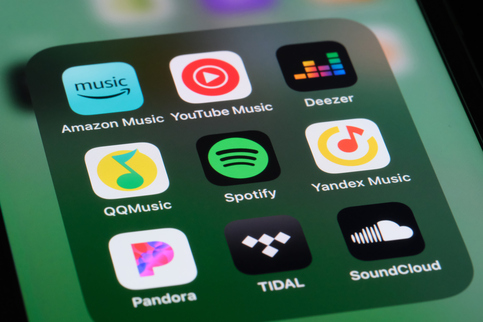
In recent years, streaming services like Spotify, Apple Music, and Amazon Music have become the dominant way people access music. This shift has led to a decline in physical album sales and digital downloads, fundamentally changing the music consumption landscape.

Accessibility and Convenience

One of the key benefits of streaming services is their accessibility. Listeners can access millions of songs at their fingertips, making it easier than ever to discover new music. This convenience has contributed to the rise of playlists, allowing users to curate their listening experiences and share them with others.

Global Reach and Diversity

Streaming services have also expanded the global reach of music. Artists from diverse backgrounds can now share their music with audiences worldwide, breaking down geographical barriers. This has led to a greater appreciation for different genres and cultures, enriching the global music landscape.

Challenges for Artists

While streaming services offer numerous benefits, they also present challenges for artists. The revenue model of streaming often leaves musicians with a small fraction of the profits, raising concerns about fair compensation. As artists navigate this new landscape, finding ways to monetize their music beyond streaming is essential.

Conclusion

The impact of streaming services on global music consumption is profound, reshaping how listeners access and engage with music. As the industry continues to evolve, artists and industry professionals must adapt to these changes while advocating for fair compensation and sustainable practices. The future of music consumption lies in the balance between accessibility and artist support.

For more insights and updates on the latest trends in the music industry, visit Music Industry Weekly.

Streaming services like Spotify, Apple Music, and Amazon Music have transformed global music consumption, influencing how listeners access and engage with music.