Analyzing the Lyrics of Today’s Top Hits: A Reflection of Society’s Pulse

0

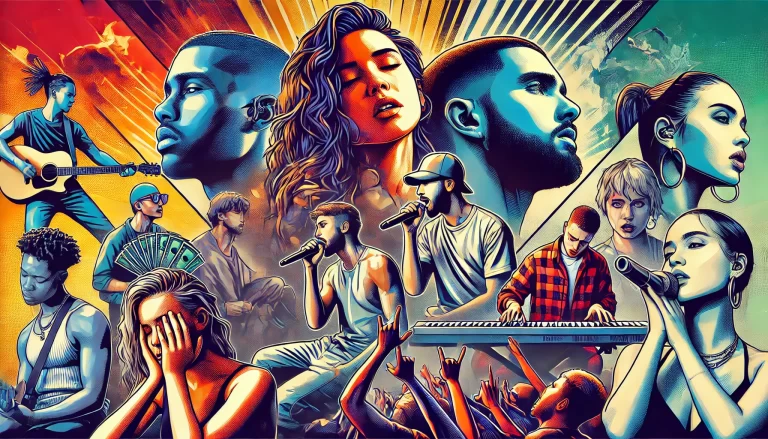
Lyrics have always offered a glimpse into the collective consciousness of society. Today’s top hits reveal a complex tapestry of societal issues and personal experiences, with lyrics that resonate deeply with listeners who see their struggles, triumphs, and desires mirrored in the words of their favorite artists. From mental health and social justice to identity and relationships, these lyrical themes not only capture the essence of our times but also shape the conversations that drive the music industry and broader cultural discourse. By exploring these themes, we can better understand how the music we consume reflects and shapes the world around us.

Mental Health: The Rise of Vulnerability in Music

Mental health themes in music have shifted from subtle allusions to direct, candid conversations. This shift mirrors society’s growing openness to discussing mental health and reflects the normalization of emotional vulnerability. In previous decades, mental health struggles in popular music were often hinted at through metaphor or abstraction, but today’s artists are addressing these issues head-on, contributing to the destigmatization of mental health.

Take Billie Eilish’s “Everything I Wanted” as an example. The song delves into feelings of isolation, self-doubt, and anxiety—emotions that are highly relatable in today’s world, particularly for young listeners. With lyrics like, “I tried to scream, but my head was underwater,” Eilish gives voice to the silent battle’s many faces. Eilish’s openness about her own experiences with mental health aligns with a broader cultural movement where public figures are increasingly discussing their struggles with depression, anxiety, and self-esteem.

Similarly, Olivia Rodrigo’s “Brutal” captures the emotional turmoil of adolescence, from insecurity to confusion. Her lyrics, “I’m so insecure, I think that I’ll die before I drink,” resonate with Gen Z, a generation more open than any before about mental health discussions. Rodrigo’s music reflects the pressures of social media, societal expectations, and peer comparisons, capturing the internal struggles that affect many young people today.

This open dialogue is supported by data showing a rise in mental health issues among younger generations. According to the World Health Organization, anxiety and depression have increased globally, especially among teens and young adults. By bringing these conversations to the forefront of popular culture, today’s artists are not just creating music—they are facilitating a cultural shift toward empathy and awareness of mental health.

Social Justice: Addressing Inequality and Raising Awareness

Music has always been a medium for protest, but today’s artists are using their platforms more boldly to confront systemic inequalities. As social movements like Black Lives Matter and #MeToo gain momentum, artists are integrating these causes into their work, reflecting society’s growing demand for justice and equality.

Kendrick Lamar’s “Alright” stands as a potent anthem for the Black Lives Matter movement. The song’s refrain, “We gon’ be alright,” became a rallying cry during protests, symbolizing resilience in the face of systemic racism. Lamar’s storytelling goes beyond personal experience—it’s a narrative that captures the collective trauma of marginalized communities. His ability to intertwine personal and political narratives has made him one of the most important voices in hip-hop today, and his work continues to inspire conversations about race, power, and justice.

Lil Baby’s “The Bigger Picture” similarly addresses police brutality and systemic racism, with lines like, “It’s bigger than black and white, it’s a problem with the whole way of life,” underscoring the depth of systemic issues in America. These artists use their music to amplify the voices of the oppressed, pushing listeners to think critically about their role in societal change.

Moreover, the incorporation of social justice themes in mainstream music has reshaped the industry, influencing how labels market artists and how fans engage with music. This growing demand for socially conscious content has pushed record labels to become more attuned to the cultural conversations shaping society.

Relationships: Evolving Narratives in Love and Heartbreak

While love and heartbreak have always been central themes in popular music, modern songs take a more introspective and nuanced approach. Today’s artists examine relationships through the lenses of personal accountability, emotional growth, and gender dynamics, offering more complex and multifaceted narratives.

Taylor Swift’s “Anti-Hero” is a prime example. The song explores how personal insecurities affect relationships, with Swift admitting her flaws in lines like, “It’s me, hi, I’m the problem, it’s me.” This introspective look at relationships moves away from the traditional narratives of blame and victimhood, focusing instead on self-awareness and the role that individual emotional baggage plays in romantic entanglements. The song resonates with listeners who are navigating the complexities of modern relationships, where emotional transparency and vulnerability are increasingly valued.

In a similar vein, Doja Cat’s “Say So” touches on the communication challenges that define modern dating. With lyrics that hint at unspoken emotions and passive interactions, the song reflects how digital communication has reshaped relationships. The rise of social media and online dating has introduced new layers of complexity to romantic interactions, and artists like Doja Cat are capturing these nuances in their work.

Identity and Empowerment: Owning One’s Truth

In today’s music landscape, artists are embracing themes of identity, empowerment, and self-expression. These themes resonate particularly with younger audiences who are navigating questions of gender, sexuality, and personal authenticity. As the world becomes more accepting of diverse identities, artists are using their music to challenge norms and celebrate individuality.

Lizzo has become a champion of body positivity and self-love, with her song “Good as Hell” serving as an anthem for self-empowerment. Lines like, “If he doesn’t love you anymore, just walk your fine self out the door,” emphasize the importance of self-worth and confidence. Lizzo’s music offers validation for those who have been marginalized due to their appearance or identity, making her a role model for many.

Similarly, Sam Smith’s “Unholy” pushes boundaries by exploring the complexities of gender identity and desire. The song’s provocative lyrics reflect a growing openness toward gender fluidity and non-binary identities, themes that resonate with a generation more comfortable with breaking traditional boundaries of gender and sexuality.

These explorations of identity are not just personal—they reflect broader societal shifts toward acceptance and inclusivity. As more artists embrace their truth through music, they contribute to a larger movement that challenges societal expectations and promotes diversity.

Impact on the Music Industry

The prevalence of these themes in today’s top hits is reshaping the music industry. As listeners gravitate toward songs that address personal and political issues, artists are moving beyond the traditional role of entertainers to become advocates and changemakers. This shift has had a ripple effect across the industry, from how songs are marketed to how fans engage with their favorite artists.

Music’s role as a reflection of society has become even more pronounced in the digital age. Today’s top hits don’t just offer a soundtrack to our lives—they spark conversations, drive cultural movements, and push for progress. As we move forward, these lyrical explorations will continue to reflect the evolving landscape of society, offering both a mirror to our world and a platform for meaningful change.

Conclusion

Music Industry Weekly understands that the lyrics of today’s top hits serve as both a reflection of and a catalyst for societal change. By addressing mental health, social justice, identity, and modern relationships, today’s artists are using their platforms to engage listeners on issues that go beyond entertainment. As the music industry continues to evolve alongside societal trends, these themes will remain central to the way music resonates with audiences and shapes broader cultural conversations.
The Rise of Indie Artists in Mainstream Music: Redefining the Industry

0

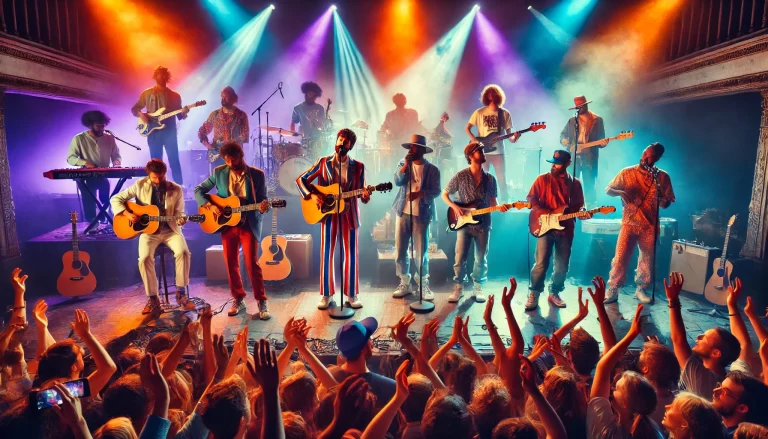
In recent years, indie artists have become a formidable force in mainstream music, reshaping what it means to achieve success in an industry traditionally dominated by major labels. From grassroots beginnings to chart-topping hits, these artists leverage technology and social media to break into the spotlight, independent of the backing of large record companies. This article explores the key factors contributing to the rise of indie artists in mainstream music, their impact on the industry, and what the future holds for both indie and mainstream artists.

The Power of Technology and Social Media

One of the most significant factors behind the ascent of indie artists is the shift in technology that has leveled the playing field. Platforms like Spotify, Apple Music, and YouTube allow artists unprecedented access to global audiences. What was once tightly controlled by major record labels is now within reach for any artist with an internet connection.

Social media platforms such as Instagram, TikTok, and Twitter play a pivotal role in promoting independent artists. These platforms enable artists to grow dedicated fanbases organically, creating more intimate, personal connections without the need for large marketing budgets. Viral moments on TikTok, in particular, have skyrocketed many indie artists into the mainstream, with short, catchy clips spreading like wildfire across millions of users.

Shifts in Consumer Behavior

A shift in consumer behavior is also driving the success of indie artists. Modern audiences are more open to discovering diverse voices outside of mainstream channels, and streaming platforms allow listeners to curate their playlists without reliance on traditional radio. This democratization of music consumption empowers indie artists to cater to niche audiences, which often grow into loyal, substantial fanbases.

Today’s music consumers also crave authenticity. Indie artists, free from the commercial constraints of mainstream music, can take creative risks, offering music that often feels more personal and experimental. This authenticity resonates with listeners who are looking for something different from polished, radio-friendly pop.

The Evolving Role of Record Labels and Marketing Strategies

The rise of indie artists has forced traditional record labels to reconsider their strategies. As many artists prove that mainstream success can be achieved independently, the necessity of signing with a major label has diminished. While labels still offer value through large-scale promotion and distribution, they now compete with the freedom and independence that indie artists enjoy.

To adapt, record labels are signing more distribution deals with independent artists and offering hybrid contracts that grant artists more creative control. This represents a shift toward artist empowerment, as the traditional top-down label model evolves to meet the needs of the modern music industry.

Marketing strategies have also changed. The days when artists relied solely on radio or TV promotions are long gone. Now, digital marketing campaigns that incorporate social media, influencer partnerships, and fan-generated content are key to success. Indie artists have become adept at fostering these strong online communities, which are crucial for long-term growth and visibility.

Notable Indie Artists Redefining Success

Several indie artists have not only achieved mainstream success but have redefined what it means to be a successful musician in today’s digital age. Artists like Billie Eilish, who initially gained recognition through SoundCloud and social media before eventually signing with a major label, showcase the fluidity between indie and mainstream pathways to success. Her unconventional sound and DIY approach have resonated with global audiences.

Chance the Rapper is another prime example, choosing to remain unsigned by a major label throughout his career. His innovative marketing strategies, including giving away his music for free and focusing on streaming services, have helped him build a loyal fanbase while bypassing the traditional industry standards.

The Future of Indie in the Mainstream

As indie artists continue to grow in prominence, the music industry as a whole is likely to evolve. The traditional definition of “mainstream” music may shift, with more artists from diverse backgrounds and genres shaping popular music. The boundary between indie and mainstream success is already blurred, with success defined less by major label contracts or chart rankings, and more by an artist’s ability to connect with a dedicated audience.

As indie artists continue to innovate with their music, marketing, and distribution, they are positioned to play an even larger role in the future of popular music. The industry will need to adapt to this new paradigm, where indie and mainstream distinctions become increasingly fluid.

Conclusion

Music Industry Weekly understands that the rise of indie artists in mainstream music marks a pivotal shift in the industry, fueled by technological advances, changes in consumer preferences, and the power of social media. As these artists continue to redefine success, the music industry must adapt to an era of artist-driven innovation, where authenticity and creative control are the new markers of success. The lines between indie and mainstream are more blurred than ever, and the future of music is all the richer for it.

The Dual Role of Music in Mental Health: Healing Tool or Emotional Trigger?

0

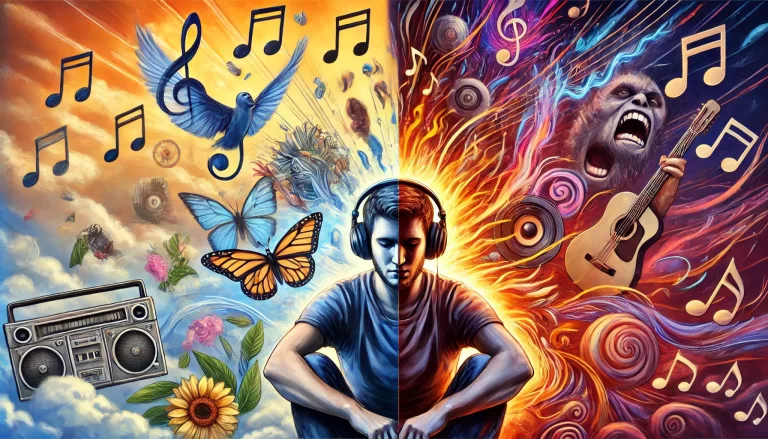
Music, with its universal appeal and emotional depth, is celebrated for its ability to promote mental health and well-being. However, while music offers many therapeutic benefits, it also has potential downsides. This article examines both the positive and negative roles of music in mental health, offering a balanced view of how music can heal or harm based on its use.

Positive Aspects: Music as a Healing Tool

Emotional Expression and Regulation

Music helps people express emotions that they might find difficult to articulate. For those struggling with depression, anxiety, or trauma, music provides a non-verbal way to explore feelings. Music therapy encourages emotional exploration through listening, music-making, or songwriting. In this therapeutic setting, individuals find a safe space to process emotions productively.

Stress Reduction and Mood Enhancement

Research shows that music can reduce cortisol levels, the primary stress hormone. At the same time, it boosts the production of dopamine and serotonin, which improve mood and well-being. Relaxing music or rhythmic drumming sessions have been found to help regulate emotions, especially in those recovering from trauma.

Mental Health Awareness and Social Support

Music has played a crucial role in raising awareness of mental health issues. Artists like Billie Eilish, Logic, and Demi Lovato have openly shared their mental health struggles in their music. Logic’s song “1-800-273-8255” has been credited with encouraging people to seek help, breaking down barriers to conversations about mental health. By sharing their stories, these musicians connect with listeners, showing that they are not alone.

Negative Aspects: Music as an Emotional Trigger

Music as a Trigger for Negative Emotions

While music can promote healing, it can also intensify negative emotions. Certain songs or genres may evoke memories of traumatic experiences, leading to feelings of sadness or anger. For vulnerable individuals, listening to melancholic or aggressive music can deepen negative moods rather than alleviate them. This is known as mood congruent music choice, where people select music that matches their current emotional state, often exacerbating it.

Escapism and Avoidance

Some people use music as a way to avoid confronting their deeper emotional issues. While it provides temporary relief, over-reliance on music can prevent individuals from addressing the root causes of their mental health struggles. This can hinder long-term healing, as individuals may resist seeking professional help, like cognitive-behavioral therapy (CBT) or medication, in favor of using music as a coping mechanism.

Overstimulation and Sensory Overload

Music, particularly loud or fast-paced genres, can sometimes cause overstimulation. People with anxiety or sensory processing disorders may find certain types of music overwhelming, leading to increased agitation instead of relaxation. What might be soothing for some can actually increase discomfort for others.

Conclusion: Striking a Balance in Music’s Role for Mental Health

Music Industry Weekly understands that while the therapeutic benefits of music are clear, its impact is not universally positive. To maximize the healing power of music, individuals must use it mindfully. By understanding both the positive and negative effects of music on mental health, people can tailor their use of music to enhance well-being.For those considering music therapy, working with a licensed professional ensures a tailored approach. Additionally, combining music with other therapies, like CBT, can create a balanced and effective mental health treatment plan.

Remembering the Music Industry Players Who Died in 2024: A Tribute to Their Lasting Impact

0

As the music industry evolves, we must honor the influential music industry players who passed away in 2024. These individuals left an indelible mark on the industry, shaping the art form we celebrate today. In 2024, the music world lost several pioneers, innovators, and cultural shapers. Their legacies will continue to influence trends for years. This article reflects on their contributions and how their work still impacts today’s music landscape.

Innovators Who Transformed the Industry

One of the most significant losses in 2024 was Wayne Kramer, co-founder and guitarist of the Detroit-based rock band MC5. Kramer passed away at 75 due to pancreatic cancer. His groundbreaking work with MC5 in the 1960s laid the foundation for punk rock. Moreover, his politically charged music continues to inspire rebellious artists today. His ability to blend rock with activism remains a key influence for artists pushing boundaries in the music industry.

Another significant loss was Aston “Family Man” Barrett, bassist for Bob Marley and the Wailers. His signature deep grooves helped define reggae, making him a monumental figure in music history. Barrett’s influence stretched across generations, inspiring countless bassists and producers in reggae and dub.

Visionary Artists and Cultural Shapers in 2024

In 2024, we also lost Catherine Ribeiro, an iconic French singer known for her politically charged lyrics and experimental soundscapes. Ribeiro’s music explored revolution, identity, and human experiences. Emerging in the 1960s, she deeply influenced European artists seeking to blend political themes with creative expression.

Additionally, Russell Malone, an acclaimed jazz guitarist, passed away in August. His guitar work spanned multiple jazz styles, from traditional to contemporary. He worked with legends such as Diana Krall and Harry Connick Jr., and his playing continues to inspire jazz guitarists.

The Business Architects of Modern Music

The passing of Pete Wade, a key figure in Nashville’s session music scene, was another significant loss in 2024. Wade’s guitar work helped shape countless country music hits, and his contributions spanned decades. He played alongside stars like Johnny Cash and Dolly Parton, leaving a lasting impact on the country music sound.

Additionally, Mister Cee (Calvin LeBrun), a New York DJ and producer, passed away this year. As the DJ for Big Daddy Kane and the discoverer of Notorious B.I.G., Mister Cee played an integral role in the rise of East Coast hip-hop. His work on iconic New York radio stations shaped the careers of many hip-hop legends.

Legacy and Influence of 2024’s Influential Music Industry Figures

The passing of these influential music industry players in 2024 has sparked reflection on their contributions. Their innovations remain essential to the modern music landscape. Whether in production, songwriting, or business strategy, their influence is clear.

In today’s streaming and social media-driven world, their impact is more visible than ever. Independent artists now have the ability to distribute music globally and connect directly with fans. These practices, pioneered by industry veterans, form the foundation of the current music landscape. Their work helped establish genre fluidity, the integration of activism, and the digital-first approach to artist development.

Moving Forward Without These Titans

As the music industry moves forward without these influential music industry players who passed away in 2024, their influence will continue to inspire. Today’s artists build on the foundations these pioneers laid. They explore genre fusion, use music for activism, and confidently navigate the digital space. The lessons these visionaries left behind will guide the next generation of musicians and industry professionals.

Their passing also serves as a reminder of the importance of mentorship and innovation. As new leaders emerge, the influence of those who passed in 2024 will remain a guiding force, shaping the future of the music industry.

Conclusion

Music Industry Weekly acknowledges that the music industry lost some of its most visionary and influential music industry players in 2024. Their contributions to production, cultural movements, and business have shaped the industry we know today. Their legacies will inspire the next generation of artists and executives. As we look to the future, we honor their impact and celebrate the profound ways they helped define the music landscape.

Soundbombing II: A Hip-Hop Milestone That Still Shapes Today’s Music

0

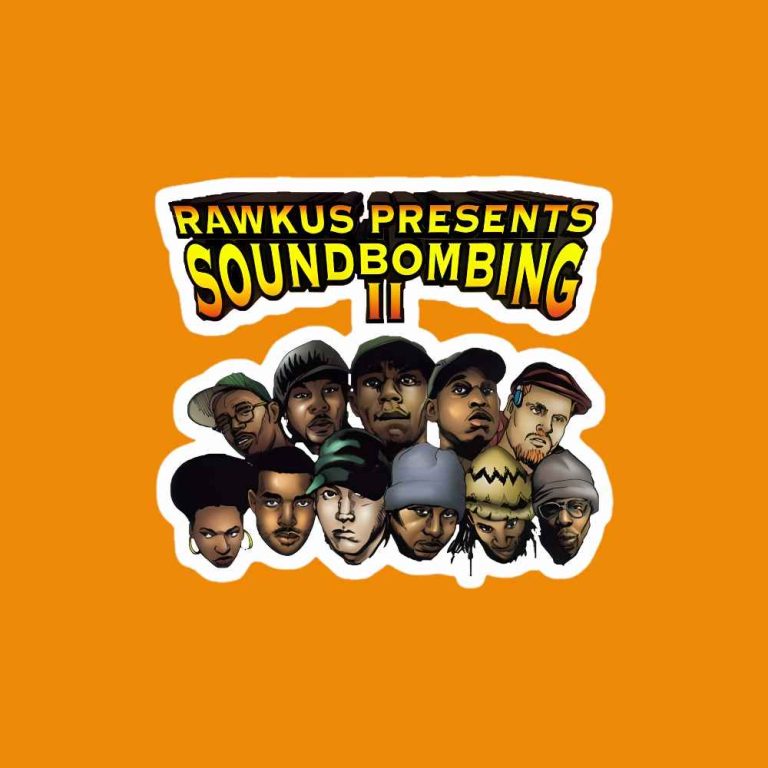
Released in 1999, Soundbombing II remains one of the most influential underground hip-hop compilations. Produced by Rawkus Records, the album brought together top-tier MCs and producers. It showcased lyrical talent and helped shape the sound of hip-hop as the genre transitioned into the 2000s. More than 20 years later, its influence still echoes throughout the hip-hop world, impacting both established artists and the evolving sound of modern hip-hop.

The Historical Significance of Soundbombing II

In the late ’90s, mainstream hip-hop was dominated by polished, commercial sounds. Artists like Jay-Z and Puff Daddy ruled the airwaves, but the underground scene was brewing something different. Rejecting the flashy, commercial aesthetic, underground artists focused on raw lyricism, gritty production, and socially conscious themes. Soundbombing II captured this underground ethos. The album solidified Rawkus Records as a hub for authentic, innovative hip-hop. It gave a platform to emerging legends like Mos Def, Talib Kweli, Common, and Eminem.

Soundbombing II was a tribute to hip-hop culture, featuring sharp rhymes, deep storytelling, and production that blended jazz, soul, and boom-bap beats. The album’s themes ranged from social commentary to personal reflections, diving into life in urban America. Tracks like Mos Def and Talib Kweli’s “Thieves in the Night” explored race, identity, and systemic oppression, while Eminem’s “Any Man” showcased the chaotic energy that would catapult him into superstardom.

A Legacy That Continues to Influence

Today’s hip-hop artists often cite Soundbombing II as a source of inspiration. The album’s blend of soulful samples and hard-hitting boom-bap paved the way for genre-bending experimentation in modern hip-hop. Artists such as Kendrick Lamar, J. Cole, and Joey Bada$$ owe a debt to Soundbombing II, as they incorporate lyrical depth and diverse sounds into their work.

Soundbombing II also redefined the idea of collaboration. By bringing together artists who might not have otherwise worked together, the album fostered a sense of community within the underground scene. This collaborative spirit has become a hallmark of today’s music industry, where cross-genre partnerships are common. Projects like Dreamville’s Revenge of the Dreamers III and Kanye West’s GOOD Music collaborations show how this approach continues to influence contemporary artists.

Reflections from Contemporary Artists

Many of today’s artists continue to reflect on the significance of Soundbombing II. In a 2020 interview, Joey Bada$$ called it a “blueprint for staying true to your lyrical roots while pushing the genre forward.” For him, it wasn’t just about the music; it was about the message. Similarly, Rapsody, known for her sharp lyricism and conscious themes, has spoken about how albums like Soundbombing II paved the way for artists to balance commercial success with artistic integrity.

The album’s impact is also evident in production styles today. Producers like Madlib and Alchemist have praised the album’s sonic direction. Tracks like “B-Boy Document ‘99” and “1-9-9-9” captured the essence of underground hip-hop’s boom-bap sound. Modern producers continue to evolve this style, adding new layers that reflect contemporary influences.

Themes and Evolution in Today’s Hip-Hop

One defining aspect of Soundbombing II was its focus on lyrical content and thematic exploration. The album tackled social justice issues, personal struggles, and other topics still relevant today. Artists like Kendrick Lamar and J. Cole continue this tradition, using their platforms to discuss systemic inequality, race, and mental health—central themes of Soundbombing II.

The compilation also encapsulated the creativity and drive of underground artists pushing for their voices to be heard. This rebellious spirit thrives in today’s independent artists, who, like the pioneers of Soundbombing II, resist commercial pressures and create music that reflects their lived experiences.

Conclusion

Music Industry Weekly understands that Soundbombing II is a seminal project in hip-hop history, not only for its star-studded lineup but for its enduring influence on the genre. During a time when mainstream hip-hop was dominated by polished commercial sounds, the album reminded listeners of hip-hop’s roots in lyricism, storytelling, and social consciousness. Its impact on modern hip-hop is undeniable, as today’s artists continue to challenge boundaries and push the genre forward. As the lines between mainstream and underground music blur, Soundbombing II remains a testament to the power of artistry and innovation from the margins.

The Impact of Music Festivals on Local Economies: Driving Cultural Tourism and Economic Growth

0

Music festivals have become more than just events for fans to enjoy live performances—they are powerful drivers of local economies and cultural tourism. As large-scale gatherings that attract attendees worldwide, these festivals generate substantial economic activity, benefiting local businesses, infrastructure, and employment. This article investigates the economic benefits of music festivals on local communities and explores how these events contribute to cultural tourism and long-term economic growth.

The Economic Benefits of Music Festivals

Music festivals often serve as catalysts for significant economic activity in the regions where they are held. From large, globally recognized festivals like Coachella and Glastonbury to smaller, niche events, the influx of visitors brings a substantial boost to local businesses, including hotels, restaurants, transportation services, and retail shops. Festival attendees spend money on accommodations, dining, entertainment, and local goods, creating a ripple effect that benefits a wide range of industries.

For example, studies show that events like Coachella can generate upwards of $700 million in economic impact for the host region. The surrounding communities experience increased sales in sectors like hospitality, food and beverage, and even tourism, as attendees often extend their stays to explore nearby attractions.

Employment and Job Creation

One of the most immediate benefits of music festivals is the creation of jobs, both temporary and permanent. Event organizers hire local staff for roles such as security, food service, ticketing, and merchandise sales. In addition to direct employment, the increased demand for services during festivals leads to more business for local vendors and service providers.

Beyond the festival’s duration, long-term employment opportunities arise in fields like tourism development, event management, and marketing. For many local businesses, particularly those in the hospitality industry, music festivals provide a significant portion of their annual revenue, contributing to business growth and sustainability.

Fostering Cultural Tourism

Music festivals play a key role in promoting cultural tourism by attracting visitors who are interested not only in music but also in the culture and heritage of the host location. Many festivals are designed to celebrate local traditions, art, and history, offering attendees a chance to engage with the community in a meaningful way. This blending of entertainment and cultural tourism creates a unique experience that draws tourists from near and far.

Festivals like New Orleans Jazz & Heritage Festival are prime examples of how music events can highlight local culture while boosting tourism. Attendees flock to New Orleans not only for the music but also for the city’s rich history, food, and architecture. The combination of music and cultural experiences enhances the overall appeal of the destination, encouraging repeat visits and contributing to the long-term growth of tourism in the region.

Infrastructure Development

The large-scale nature of music festivals often necessitates infrastructure improvements, such as upgrades to transportation networks, roads, and public facilities. These improvements not only benefit festival attendees but also provide long-term advantages for the local community. Additionally, festivals may inspire the creation of new venues, parks, or entertainment districts, which can be used for future events and gatherings.

For example, cities like Austin, Texas, which hosts SXSW, have seen considerable investment in infrastructure due to the demands of the festival. The development of hotels, event venues, and public spaces has had a lasting impact on the city’s appeal as a destination for both tourists and businesses, further boosting its economy long after the festival ends.

Long-Term Economic Growth and Sustainability

While the immediate economic benefits of music festivals are clear, their long-term contributions to local economies are equally significant. By attracting international attention and visitors, festivals raise the profile of host cities, positioning them as cultural and entertainment hubs. This increased visibility can lead to further investment in tourism, arts, and entertainment, contributing to sustainable economic growth.

Moreover, the relationships established between local businesses and festival organizers can create a recurring revenue stream, as festivals often become annual events that draw regular crowds. As a result, businesses can plan for increased demand during festival seasons and expand their operations accordingly.

Challenges and Considerations

While the economic benefits of music festivals are substantial, there are also challenges to consider. The large influx of visitors can strain local infrastructure, leading to traffic congestion, overcrowding, and environmental concerns. Managing these issues requires careful planning by event organizers and local authorities to ensure that the benefits outweigh the costs.

Additionally, not all festivals generate the same level of economic impact. Smaller festivals may struggle to attract significant numbers of attendees, limiting their ability to drive local economic growth. Therefore, successful festivals require strong marketing strategies and partnerships with local stakeholders to maximize their potential impact.

Conclusion

Music Industry Weekly recognizes that music festivals offer a valuable economic boost to local communities by driving cultural tourism, creating jobs, and stimulating business activity. Their role in promoting local culture and encouraging infrastructure development further enhances their long-term impact on regional growth. As music festivals continue to evolve and attract global audiences, their importance to local economies will only increase, offering lasting benefits to both host cities and festival-goers alike.

For more insights into the economic impact of music events, check out our analysis of how festivals fuel cultural tourism and the long-term benefits of music festivals on local economies.

The Globalization of Music: How Artists are Crossing Cultural Boundaries

0

The global music landscape has transformed significantly over the past few decades. This change is largely driven by the increasing interconnectedness of cultures and the rise of digital platforms. Globalization has allowed artists to reach new markets and fostered a wave of cross-cultural collaborations. These collaborations have enriched the music industry. This article explores how artists successfully cross cultural boundaries, the expansion of markets due to globalization, and the challenges they face along the way.

Cross-Cultural Collaborations

One notable trend in the global music industry is the rise of cross-cultural collaborations. These partnerships allow artists from different backgrounds to blend their unique sounds and styles. This creates music that resonates with a global audience. For instance, the collaboration between Latin pop stars Shakira and Alejandro Sanz on “La Tortura” demonstrated how artists can merge distinct musical influences. Similarly, BTS’s collaboration with American artist Halsey on “Boy With Luv” showcased how K-pop integrates with Western pop, amplifying its global impact.

Such collaborations produce innovative music and help bridge cultural divides. They promote understanding and appreciation of diverse cultures through music. By working together, artists explore new musical territories and bring fresh perspectives to their work.

Market Expansion

Globalization has significantly expanded the reach of artists. It enables them to connect with audiences far beyond their local markets. Platforms like Spotify, Apple Music, and YouTube have democratized music distribution. Artists from any part of the world can share their music globally with just a few clicks. This opens up new opportunities for artists to build international fan bases and tap into diverse markets that were previously inaccessible.

Moreover, the success of genres like K-pop, Afrobeats, and Latin music on the global stage shows how globalization can elevate regional music to international prominence. These genres, once confined to specific geographic areas, now enjoy widespread popularity. They influence mainstream music trends worldwide.

Challenges and Successes

While globalization offers immense opportunities, it also presents challenges for artists crossing cultural boundaries. One significant challenge is navigating the cultural nuances of different markets. Understanding local tastes, languages, and cultural sensitivities is crucial for artists to engage successfully with new audiences.

For example, language barriers can pose a significant hurdle in cross-cultural collaborations. However, many artists overcome this by blending languages in their songs or collaborating with local artists. The success of “Despacito” by Luis Fonsi and Daddy Yankee, featuring Justin Bieber, highlights how integrating multiple languages can make a song appealing to a broader audience.

Another challenge is the risk of cultural appropriation. This occurs when elements of one culture are used in a way that disrespects or misrepresents that culture. Artists must be mindful of this when drawing inspiration from other cultures. They should approach such collaborations with respect and understanding.

Conclusion

At Music Industry Weekly, we recognize that the globalization of music is reshaping the industry in profound ways. By embracing cross-cultural collaborations and expanding their reach through digital platforms, artists achieve global success. They also contribute to a more connected and culturally rich music landscape. As the world continues to shrink, the future of music will likely see even more innovative collaborations. These collaborations will push the boundaries of creativity and cultural exchange.

The Significance of XL Recordings Signing Gyrofield: Independent Labels and the Nurturing of New Talent

0

XL Recordings, one of the most influential independent labels, recently signed Gyrofield. This rising star is known for its innovative approach to electronic music. The signing highlights the importance of independent labels in discovering and nurturing new talent. This article analyzes the significance of XL Recordings’ decision to sign Gyrofield. It explores how this reflects broader trends in the music industry, including the role independent labels play in artist development and their impact on the global music ecosystem.

The Role of Independent Labels in Artist Development

Independent labels like XL Recordings have long discovered and cultivated new talent. Unlike major labels, independent labels take risks on emerging musicians. They provide essential resources and creative freedom for artists to develop their unique sound and artistic identity. This approach allows independent labels to act as incubators for innovation. They help artists refine their craft and build a solid foundation for their careers. XL Recordings has a history of supporting groundbreaking artists, including Adele, Radiohead, The xx, and Arca. The label’s commitment to artistic integrity and long-term artist development has made it a leader in the independent music scene. By signing Gyrofield, XL Recordings continues this tradition. The decision signals their belief in Gyrofield’s potential to make a significant impact.

The Significance of Signing Gyrofield

Gyrofield’s signing is significant given the current landscape. As the industry becomes saturated, independent labels identify and nurture exceptional talent. Gyrofield’s genre-defying sound blending drum and bass, techno, and experimental music represents the innovative artistry that independent labels support. Signing with XL Recordings provides Gyrofield access to valuable resources. This includes industry expertise, marketing support, and distribution channels. Such support can elevate their career. Additionally, the partnership allows Gyrofield creative freedom to explore and expand its sound without commercial pressures. This signing reflects the broader trend of independent labels playing a more prominent role. As major labels focus on short-term commercial success, independent labels step in. They offer artists support to build sustainable careers. For Gyrofield, this opportunity to grow under XL Recordings could be transformative.

Current Trends in the Music Industry

The signing of Gyrofield exemplifies current industry trends. One notable trend is the growing importance of artist development. In the streaming era, the pressure to produce hit singles can be overwhelming. However, independent labels prioritize long-term artist development. This allows them to grow at their own pace and produce fulfilling, commercially viable music. Another trend is the increasing influence of independent labels on the broader ecosystem. As the industry decentralizes, with artists distributing music directly to fans, independent labels find new ways to remain relevant. By focusing on artist development, innovative marketing, and building loyal fanbases, independent labels shape the future. Moreover, the rise of genre-blending and experimental music creates demand for labels willing to support artists pushing boundaries. Gyrofield’s eclectic sound is a perfect fit for an independent label like XL Recordings, which champions artists challenging the status quo.

The Broader Impact of Independent Labels

The impact of independent labels extends beyond individual artist success. These labels contribute to the diversity and richness of the global music scene by supporting artists overlooked by the mainstream. Independent labels also foster innovation by providing a platform for artists to experiment without constraints. Furthermore, independent labels maintain the cultural significance of music. By prioritizing artistic integrity, these labels ensure music remains a vital cultural expression. For many artists, signing with an independent label is about finding a partner who shares their values and vision.

Conclusion

Music Industry Weekly recognizes that the signing of Gyrofield underscores the vital role independent labels play in nurturing talent and supporting innovative artists. As the landscape evolves, independent labels shape the future. This partnership represents an exciting new chapter with the potential to make a lasting impact. For more insights, check out our feature on the rise of indie labels and how artist development is shaping the future of music.

Transforming Music Distribution and Artist-Audience Connections

0

The rise of music streaming services has changed the landscape of the music industry. It is transforming music distribution and how artists connect with their audiences. Platforms like Spotify, Apple Music, and Amazon Music have made music more accessible than ever. They offer listeners a vast library of tracks at their fingertips. For artists, these services open up new opportunities for exposure and engagement, but they also present significant challenges. This article explores the evolution of music streaming services. It analyzes their impact on music distribution, the artist-audience relationship, and the future of the music industry.

The Transformation of Music Distribution

Before streaming, music distribution was controlled mainly by record labels. These labels acted as gatekeepers, deciding which artists and albums would reach the market. Physical sales, such as CDs and vinyl records, were the primary means of music consumption. The distribution process was time-consuming and expensive. However, digital platforms and streaming services revolutionized this model.

Streaming services have democratized music distribution. They allow artists to upload their music directly to platforms where millions of listeners can access it. This shift reduces reliance on record labels and provides independent artists with tools to reach global audiences. As a result, streaming has become the dominant method of music consumption, with billions of streams occurring daily across various platforms.

The Impact on Artist-Audience Connections

Streaming services have transformed the music industry by reshaping the relationship between artists and their audiences. These platforms offer tools that allow artists to engage with fans in new ways. Features such as curated playlists, artist profiles, and direct messaging enable musicians to build and maintain a connection with their listeners. This fosters a sense of community and loyalty.

For emerging artists, streaming services provide a crucial platform to gain exposure and build a fanbase. Through algorithm-driven recommendations and playlist placements, new artists can reach audiences they might not have accessed otherwise. This level of accessibility is essential in an industry where breaking through the noise can be challenging.

For established artists, streaming offers a way to stay relevant and connected with fans. The traditional album cycle has become less central to music promotion. By regularly releasing singles, remixes, and other content, artists can keep their audience engaged and maintain a consistent presence in the digital space.

The Advantages and Challenges of Streaming for Artists

While streaming services offer numerous advantages, they also present challenges for both emerging and established artists. One primary benefit is the potential for global reach. Unlike traditional distribution methods, which were often limited by geographic and financial constraints, streaming allows artists to share their music with a worldwide audience instantly.

Additionally, streaming services provide artists with valuable data insights. These include listener demographics and engagement metrics, which can inform marketing strategies and touring plans. This data-driven approach enables artists to tailor their content and outreach efforts more effectively, leading to stronger fan relationships.

However, the financial model of streaming presents challenges, especially for artists who rely on music sales as their primary income source. The revenue generated from streaming is typically lower than from physical or digital album sales. The per-stream payout can be minimal, especially for artists without massive followings. This has led to widespread debate about the fairness of streaming royalties and the need for more equitable compensation structures.

Furthermore, the sheer volume of music available on streaming platforms can make it difficult for artists to stand out. With millions of tracks competing for attention, even the most talented musicians may struggle to gain visibility without substantial promotional efforts.

The Future of Music Streaming and the Industry

As streaming continues to dominate the music industry, its influence is likely to grow. The convenience and accessibility of streaming have made it the preferred method of music consumption for many listeners. This trend shows no signs of slowing down. However, the industry must address the challenges that streaming presents, particularly regarding artist compensation and content discovery.

Looking ahead, streaming services may evolve to offer more personalized and immersive experiences. These could include virtual concerts and enhanced interactive features. Additionally, emerging technologies like artificial intelligence and blockchain could revolutionize how music is distributed and monetized. This could lead to new revenue streams for artists.

For the music industry, the continued rise of streaming presents both opportunities and challenges. While the democratization of distribution has empowered artists and given fans unprecedented access to music, it has also disrupted traditional business models. This raises important questions about the future of artist compensation and industry sustainability.

Conclusion

Music Industry Weekly recognizes that the evolution of music streaming services has transformed the distribution of music and the relationship between artists and their audiences. While these platforms offer significant advantages, such as global reach and direct fan engagement, they also present challenges regarding revenue and visibility. As the music industry adapts to the digital age, streaming will play a central role in shaping its future. It offers both new opportunities and potential obstacles for artists and industry professionals alike.

For more insights into the impact of streaming on the music industry, check out our analysis of artist revenue in the streaming era and the future of digital music distribution.

Charli XCX ’s Transition to Film: Redefining Artistic Identity in I Want Your Sex

0

Charli XCX, a pop icon known for her boundary-pushing music and bold artistic vision, is stepping into a new arena: film. Her role in the upcoming movie I Want Your Sexmarks a significant transition from music to acting. This shift highlights a broader trend of artists exploring diverse creative outlets to redefine their careers. This article examines how Charli XCX’s move into film impacts her artistic identity and brand. It also discusses the potential implications for her music career and what this shift signifies for the evolving nature of entertainment.

The Evolution of Charli XCX’s Artistic Identity

Charli XCX has always been more than just a pop star. Her music features an experimental sound and an unapologetic attitude. This approach has earned her a reputation as one of the most innovative artists of her generation. With the announcement of her role in I Want Your Sex, Charli is expanding her creative horizons. She is taking on a new challenge that could reshape how audiences perceive her as an artist. For Charli, this move into acting is not just a career pivot. It is a natural extension of her artistic vision. “I’ve always been interested in storytelling, whether through my music or now through film,” Charli said in a recent interview. “Acting allows me to explore different facets of my creativity and connect with audiences in a new way.”

The Impact on Charli XCX’s Brand and Music Career

The transition from music to film can significantly impact an artist’s brand and music career. This impact depends on how the transition is managed. For Charli XCX, who has cultivated a brand based on innovation and risk-taking, this move aligns perfectly with her existing identity. However, it also presents new challenges. Balancing her music career with her burgeoning acting pursuits will be crucial. Fans of Charli XCX are used to her pushing boundaries. Yet, a major career shift could alienate some of her audience. If handled correctly, this transition could broaden her appeal. It could introduce her to new audiences while deepening her connection with existing fans. The key will be how Charli integrates her acting career with her music. Each should complement and enhance the other.

A Broader Trend: Musicians Crossing Over into Film

Charli XCX’s foray into acting is part of a broader trend of musicians expanding their creative outlets beyond music. Artists like Lady Gaga and Janelle Monáe have successfully crossed over into film. They have earned critical acclaim for their performances inA Star Is Born and Moonlight, respectively. These transitions have diversified their careers and enriched their artistic identities. They allow artists to express themselves in new and powerful ways. Lady Gaga’s role in A Star Is Born showcased her versatility as a performer. It earned her an Academy Award and solidified her status as a multi-talented artist. Similarly, Janelle Monáe’s performance Moonlighthlighted her ability to tackle complex roles. This further establishes her as a force in both music and film. Charli XCX’s move into acting follows this trajectory. It signals a growing recognition of the importance of versatility and adaptability in today’s entertainment landscape.

The Cultural Significance of Musicians Expanding Their Creative Outlets

The crossover between music and film is not just a personal achievement for artists like Charli XCX. It also reflects broader cultural shifts in the entertainment industry. In an era where audiences crave authenticity and diverse forms of expression, artists who can navigate multiple mediums are increasingly valued. This expansion into different creative outlets allows musicians to reach new audiences. It also challenges them artistically and helps redefine their public personas. It changes how audiences perceive artists. They begin to view them not just as musicians but as multi-dimensional creators capable of shaping culture across various platforms. For Charli XCX, her role in I Want Your Sexrepresents an opportunity to explore new facets of her artistry. It allows her to continue pushing the boundaries of what it means to be a pop star in the 21st century.

Creative Challenges and Opportunities

Transitioning from music to film presents unique challenges and opportunities for artists like Charli XCX. Acting requires a different set of skills and a new way of thinking about storytelling. However, it offers an opportunity to expand one’s creative repertoire and explore new ways of connecting with audiences. For Charli, the challenge lies in mastering the craft of acting while staying true to her distinctive voice as an artist. “It’s definitely a learning curve,” Charli admitted. “But I’m excited to take on this challenge and see how it influences my music and overall creative vision.”

Conclusion

Music Industry Weekly acknowledges that Charli XCX’s transition to film inI Want Your Sex is a significant step in her artistic journey. It reflects a broader trend of musicians redefining their careers through diverse creative projects. As she navigates this new path, Charli’s ability to balance her acting and music careers will be crucial in shaping her future artistic identity. This move also underscores the evolving nature of entertainment. Multi-talented performers like Charli XCX are increasingly sought after for their ability to cross boundaries and redefine cultural narratives. For more insights into the intersection of music and film, check out our feature on musicians in Hollywood and how diverse creative projects are shaping the future of entertainment.