The Rise of Afrobeats: How Wizkid and Burna Boy are Leading the Charge

0

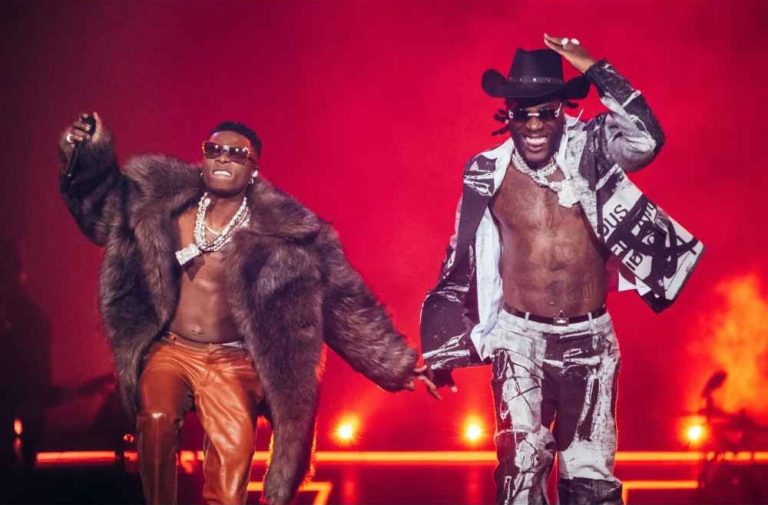
Afrobeats is a genre blending African rhythms with elements of jazz, funk, and traditional West African music. Over the past decade, has skyrocketed in global popularity. At the forefront of this movement are two Nigerian artists who have been instrumental in bringing Afrobeats to international audiences. Their influence has propelled the genre into the global spotlight.

Wizkid: The Pioneer of Modern Afrobeats

Wizkid, born Ayodeji Ibrahim Balogun, is often credited as one of the pioneers of the modern Afrobeats sound. Since his debut in 2010, Wizkid has consistently pushed the boundaries of the genre, blending it with pop, reggae, and hip-hop to create a sound that resonates with both African and global audiences.

His 2016 hit single “Ojuelegba” became a global anthem, earning praise from international superstars like Drake and Skepta, who later featured on a remix of the song. This collaboration marked a significant moment in the crossover of Afrobeats into mainstream Western music.

Wizkid’s influence continued to grow with his third studio album, Sounds from the Other Side (2017), which featured collaborations with global artists like Chris Brown, and Major Lazer. The album’s success helped cement Wizkid’s status as a global ambassador for Afrobeats, and his subsequent releases have only further solidified his position as one of the genre’s leading figures.

Burna Boy: The African Giant

While Wizkid laid the groundwork, Burna Boy, born Damini Ebunoluwa Ogulu, has taken Afrobeats to new heights. Known for his rich, deep voice and eclectic sound, Burna Boy’s music is a fusion of Afrobeats, dancehall, reggae, and American hip-hop, reflecting his diverse influences and experiences.
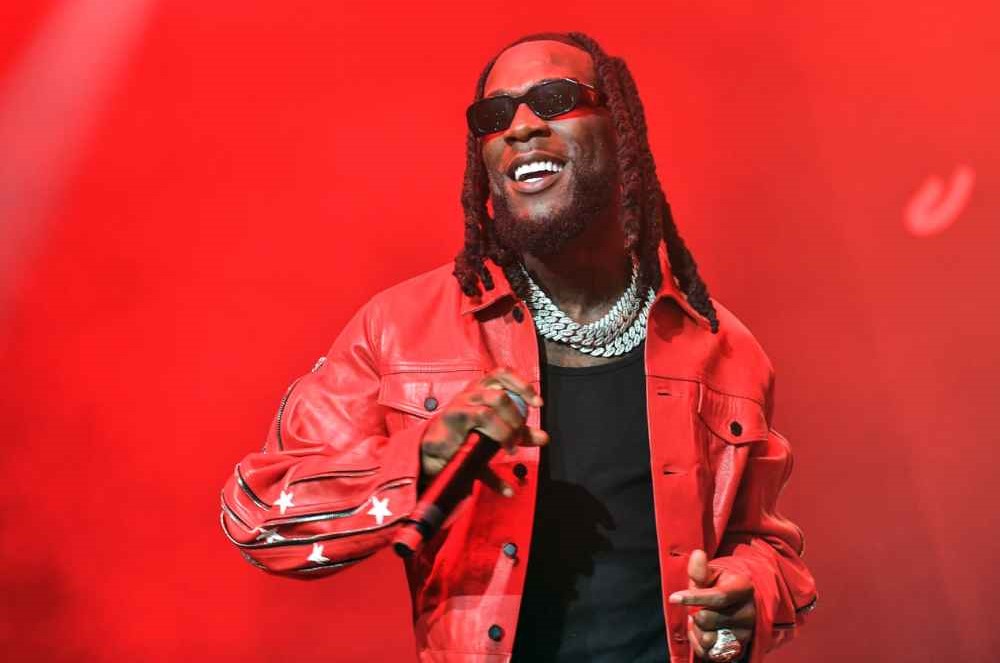
Burna Boy’s 2018 album Outside garnered international acclaim, but it was his 2019 album African Giant that truly marked his arrival on the global stage. The album, featuring hits like “Anybody” and “Gbona,” received a Grammy nomination and introduced a global audience to Burna Boy’s unique blend of Afro-fusion.

Burna Boy’s 2020 album Twice as Tall further solidified his status as a global superstar. The album won the Grammy Award for Best Global Music Album, making Burna Boy a household name across the world and highlighting the global impact of Afrobeats.

The Global Impact of Afrobeats

The rise of Wizkid and Burna Boy is a reflection of Afrobeats’ growing influence on the global music scene. The genre’s infectious rhythms, vibrant energy, and rich cultural roots have captivated audiences worldwide. This is leading to a surge in collaborations between African artists and international stars.

Beyond their own success, Wizkid and Burna Boy have paved the way for a new generation of African artists. Emerging African musicians are now enjoying unprecedented international exposure. Artists like Davido, Yemi Alade, and Mr Eazi are following in their footsteps. Hopefully, the can all further expand the reach of Afrobeats and solidify its place in the global music canon.

Conclusion

At Music Industry Weekly, we celebrate the transformative impact of Afrobeats on the global music landscape. Wizkid and Burna Boy have brought African music to the forefront of global consciousness. Additionally, they have redefined the possibilities for African artists on the world stage. Afrobeats continues to evolve and influence new genres. Its presence in the global music scene is set to grow even stronger. It will be an enduring force in contemporary music.
2024 Tours in Review: Tyla and VCHA’s Unforgettable Performances

0

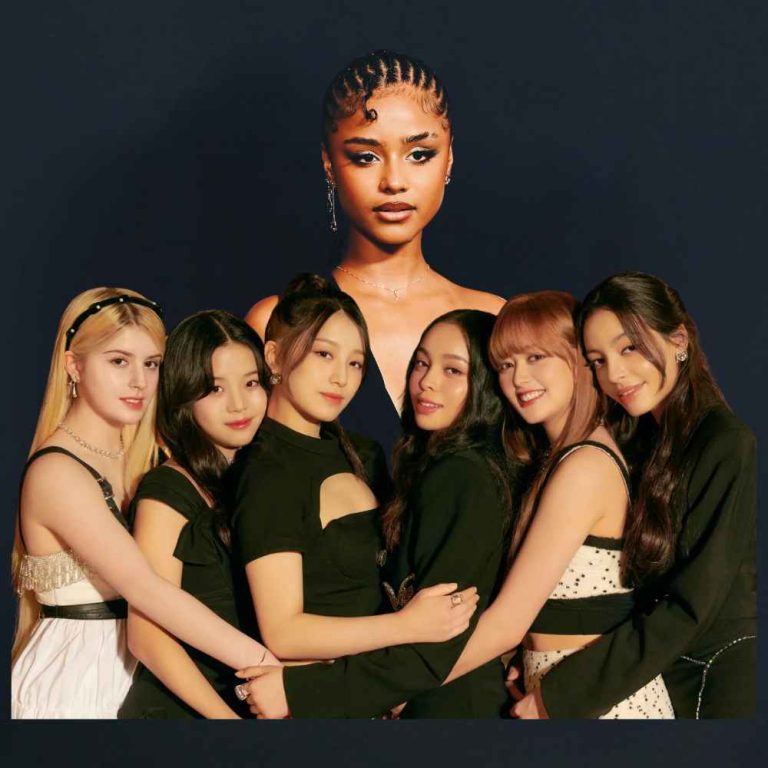
2024 brought the world back to live music in full force. Two rising stars captivated global audiences with their unforgettable tours: Tyla and VCHA. These artists didn’t just perform; they created experiences that left a lasting impact on fans and the music industry alike. Here’s a look back at their standout performances and why they were among the must-see acts of the year.

Tyla: Amapiano’s Global Ambassador

South African star Tyla has played a pivotal role in bringing Amapiano to international stages. For those who don’t know, Amapiano is a genre rooted in South African house music. Her 2024 tour was a showcase of her vocal prowess and the infectious rhythms of Amapiano. She drew in diverse audiences worldwide with her energetic and captivating performances.

Highlights from her tour included electrifying sets at major festivals like Coachella and Primavera Sound. Tracks like “Overdue” and “Getting Late” had crowds dancing non-stop. This demonstrated Tyla’s ability to connect with a global audience. Her performances proved that Amapiano is no longer confined to the borders of South Africa, as she successfully introduced the genre to new listeners across the world.

How to Explore More: Tyla on Instagram

VCHA: K-Pop’s Rising Star

Meanwhile, VCHA, a rapidly emerging K-pop group, also made waves with their 2024 tour. Known for their synchronized dance routines, catchy songs, and strong visual concepts, VCHA’s performances were spectacles that left a lasting impression on K-pop fans globally.

Their shows in cities like Los Angeles, Tokyo, and Seoul were particularly memorable, with setlists featuring hits like “Only One” and “Girls of the Year.” VCHA not only showcased their vocal and dance talents but also solidified their position as one of K-pop’s most promising new acts. Their ability to fuse visual artistry with musical performance captivated audiences and secured their status as rising stars in the K-pop industry.

How to Explore More: VCHA Official Website

Conclusion

Tyla and VCHA’s 2024 tours were more than just a series of concerts. They were cultural events that showcased the power of emerging artists to connect with audiences on a global scale. As we reflect on the year, these performances stand out as defining moments in their careers, marking their transition from rising stars to established international artists.At Music Industry Weekly, we celebrate these moments and look forward to seeing how Tyla and VCHA continue to shape the future of music.

Cultural Crossroads: How Bad Bunny and Emerging Latin Artists are Merging Genres

0

In the ever-evolving world of music, the boundaries between genres are becoming increasingly blurred. Nowhere is this more evident than in the work of Bad Bunny. As one of the most influential figures in the global music scene, Bad Bunny has consistently pushed the envelope. He blends genres and collaborates with emerging Latin artists to create fresh, genre-defying hits. These partnerships are not only revolutionizing Latin music but are also having a profound impact on the broader music landscape.

Bad Bunny: The Genre-Defying Maestro

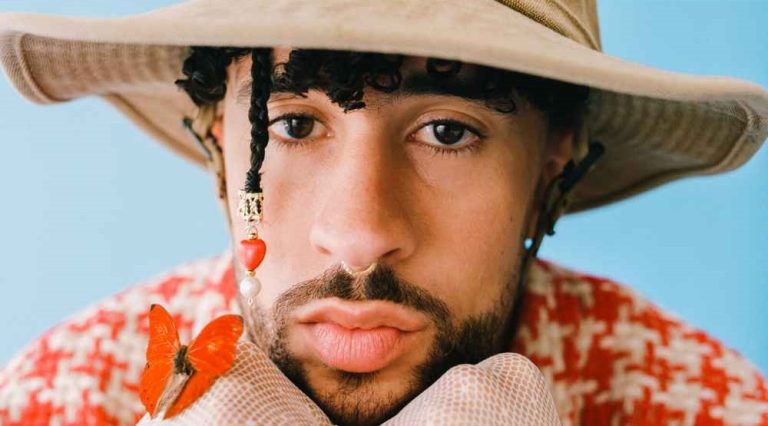
Bad Bunny, born Benito Antonio Martínez Ocasio, has become a symbol of cultural fusion in music. Known for his ability to seamlessly blend reggaeton, trap, and Latin pop with elements of rock, punk, and even jazz, Bad Bunny is constantly evolving as an artist. His collaborations with emerging Latin artists are a testament to his commitment to innovation and cultural representation.

In recent years, Bad Bunny has worked with a variety of up-and-coming Latin musicians, helping to bring their unique sounds to a global audience. One such collaboration is with the rising star, Mora. Their track “Una Vez,” off Bad Bunny’s album “YHLQMDLG,” is a perfect example of how these partnerships are creating genre-blending music. The song fuses elements of trap with traditional Latin rhythms, creating a sound that is both fresh and rooted in cultural heritage.

Emerging Latin Artists: Shaping the Future of Music

Emerging Latin artists like Mora, Rauw Alejandro, and Myke Towers are at the forefront of this cultural and musical renaissance. These artists are not only bringing their unique sounds and styles to the table but are also willing to experiment with different genres. Their collaborations with Bad Bunny and other established artists are helping to break down the barriers between musical genres. They’re bringing Latin music to a wider, more diverse audience.

For instance, Rauw Alejandro’s collaboration with Bad Bunny on the track “Party” showcases a blend of reggaeton and electro-pop. The song’s infectious beat and genre-crossing elements have made it a hit on global charts.

The Impact on Global Pop Culture

The influence of these collaborations extends beyond just the music itself. By merging genres and cultures, Bad Bunny and his collaborators are challenging the traditional norms of the music industry. This genre-blending approach is making Latin music more accessible to global audiences. Additionally, it is also redefining what it means to be a pop star in the 21st century.

Bad Bunny’s work with emerging Latin artists is a powerful reminder of music’s ability to transcend borders and bring people together. As more artists embrace this collaborative spirit, the lines between genres will continue to blur, leading to an even richer, more diverse musical landscape.

Conclusion

At Music Industry Weekly, we recognize the profound impact of artists like Bad Bunny who are leading the charge in merging genres and cultures. His collaborations with emerging Latin artists are not only creating fresh, innovative music but are also setting the stage for the future of global pop. As these partnerships continue to flourish, they will undoubtedly shape the music industry for years to come.

The Power of Sync: How Khaleel Mandel is Making Waves in Film and TV

0

Sync licensing is the practice of placing music in films, television shows, commercials, and video games. It has become a powerful tool for artists looking to expand their reach and monetize their work. One artist who has successfully harnessed the power of sync is Khaleel Mandel. His music has been making waves across various media platforms. By leveraging sync opportunities, Mandel is not only increasing his visibility but also establishing his brand in the competitive music industry.

The Importance of Sync Licensing in Today’s Music Industry

Sync licensing has become an essential revenue stream for artists, especially in an era where streaming royalties often fall short of sustaining a career. For independent artists like Khaleel Mandel, sync placements offer a unique opportunity to showcase their music to new audiences and build credibility within the industry. A well-placed track in a popular TV show or film can lead to increased streams, downloads, and even opportunities for live performances.

In addition to the financial benefits, sync licensing allows artists to connect with listeners on a deeper emotional level. When a song is paired with a compelling scene or narrative, it can create a lasting impression that resonates with audiences long after the credits roll.

Khaleel Mandel’s Sync Success: A Case Study

Khaleel Mandel’s journey in the sync licensing world is a testament to the power of this strategy. Known for his unique blend of country-funk, soul, and modern production techniques, Mandel has seen his music featured in a variety of media, including independent films, television dramas, and commercial spots. Tracks like “Love Like This” and “Groove Machine” have been particularly successful in capturing the attention of music supervisors who are always on the lookout for fresh and authentic sounds.

Mandel’s ability to create music that is both versatile and emotionally resonant has made him a go-to choice for sync placements. His music’s cinematic quality, characterized by intricate bass lines, smooth vocals, and tight drum patterns, fits seamlessly into various contexts, from high-energy action scenes to reflective, emotional moments.

The Impact of Sync on Mandel’s Career

The exposure that comes from sync placements has had a significant impact on Mandel’s career. Not only has it introduced his music to a broader audience, but it has also opened doors for further opportunities within the industry. His work has caught the attention of major music supervisors and producers, leading to collaborations and projects that might not have been possible otherwise.

Moreover, the credibility gained from having music featured in well-known media productions has elevated Mandel’s brand, making him a more attractive option for other licensing opportunities, including advertisements and video games. This growing visibility is helping to establish Mandel as a prominent figure in the modern music landscape, with sync licensing playing a pivotal role in his ongoing success.

The Future of Sync Licensing

As the entertainment industry continues to evolve, the demand for original and engaging music in film, TV, and commercials will only increase. For artists like Khaleel Mandel, staying ahead of the curve and continuing to produce high-quality, sync-friendly music will be crucial. With his proven track record and growing reputation, Mandel is well-positioned to continue making waves in the world of sync licensing, further cementing his place in the industry.

Conclusion

At Music Industry Weekly, we recognize the transformative potential of sync licensing for artists at all stages of their careers. Khaleel Mandel’s success in this area underscores the importance of creating music that resonates with both listeners and industry professionals. As sync opportunities continue to shape the music industry, artists who embrace this avenue will find themselves well-equipped to navigate the ever-changing landscape of music and media.

Cloud-Based Production: How Up-and-Coming Producers are Embracing New Technology

0

In the fast-paced world of music production, emerging producers are increasingly turning to cloud-based tools. They use it to create, collaborate, and distribute their work. These technologies are breaking down geographical barriers. More importantly, they are revolutionizing the way music is made in the digital age.

The Rise of Cloud-Based Production

Cloud-based production tools have seen significant adoption among new-generation producers. Platforms like Splice, Soundation, and BandLab offer a range of features. They allow artists to access vast libraries of samples, loops, and instruments. These platforms enable producers to work on projects from any location, provided they have internet access. This flexibility is a game-changer, allowing artists to collaborate across continents and time zones.

Breaking Down Geographical Barriers

One of the most significant advantages of cloud-based production is the ability to collaborate with other musicians and producers worldwide. Producers can now easily share project files, receive feedback, and make real-time adjustments, all without being in the same physical space. For example, a producer in Los Angeles can seamlessly work with a vocalist in London and a guitarist in Tokyo, creating a truly global music production environment.

This global collaboration has led to the blending of diverse musical styles and influences, resulting in fresh, genre-defying tracks. The ease of sharing ideas and resources has also accelerated the creative process, allowing for faster turnaround times from concept to finished product.

Enhanced Creativity and Flexibility

Cloud-based tools have also expanded the creative possibilities for emerging producers. With access to an endless array of sounds and virtual instruments, producers can experiment with different styles and techniques without the need for expensive hardware or studio space. This democratization of music production has lowered the barriers to entry, allowing more artists to create professional-quality music from their home studios.

Furthermore, cloud-based platforms often include social and collaborative features that enable artists to connect with a community of like-minded creatives. This networking aspect not only fosters collaboration but also provides opportunities for learning and growth within the industry.

The Future of Cloud-Based Production

As technology continues to evolve, the capabilities of cloud-based production tools are expected to expand even further. Enhanced integration with artificial intelligence (AI) and machine learning could lead to more intuitive and efficient workflows, while advances in real-time collaboration features could make the process of creating music with others even more seamless.

For up-and-coming producers, embracing these cloud-based tools is not just a trend—it’s becoming a necessity in a rapidly changing industry. As these technologies become more sophisticated and accessible, they will continue to shape the future of music production, breaking down barriers and fostering a new era of creative collaboration.

Conclusion

At Music Industry Weekly, we recognize the transformative power of cloud-based production tools. These technologies are reshaping the music production landscape, providing emerging producers with unprecedented opportunities for creativity and collaboration. As the industry continues to evolve, those who harness the potential of these tools will be at the forefront of the next wave of musical innovation.

Breaking the Algorithm: How Independent Artists like Maude Latour are Thriving on Streaming Platforms

0

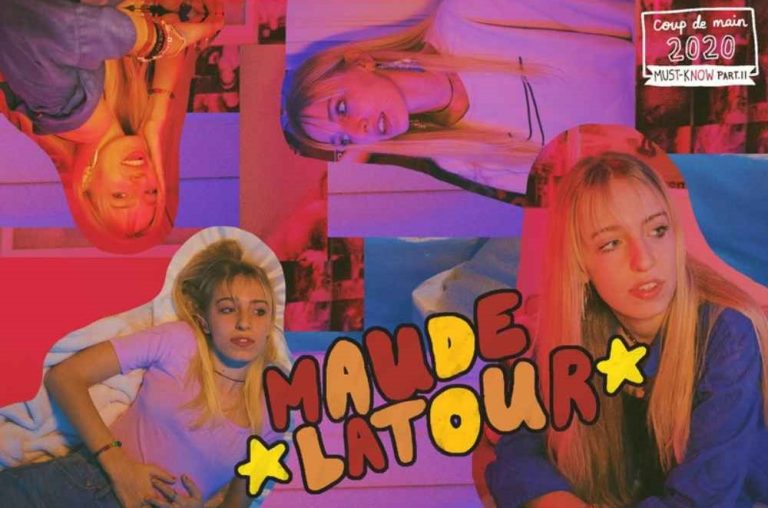
In today’s ever-evolving music industry, traditional paths to success are being reshaped by the rise of streaming platforms. Independent artists like Maude Latour are leading this transformation. They use these platforms to build careers, connect with global audiences, and navigate the complex digital music landscape. By mastering the algorithms that drive these platforms, artists are redefining what it means to succeed in the digital age.

The Rise of Maude Latour: A Streaming Success Story

Maude Latour, an independent artist celebrated for her introspective lyrics and catchy melodies, exemplifies how artists can thrive on streaming platforms without major label backing. Her success underscores the power of platforms like Spotify, Apple Music, and YouTube. Here, her tracks have gained millions of streams. Latour’s ability to connect with her audience through relatable content and a strong social media presence has been crucial to her rise.

By consistently releasing singles that align with the listening habits of streaming audiences, she keeps her music circulating, feeding into the algorithms that recommend tracks based on user preferences. Songs like “Superfruit” and “One More Weekend” resonate particularly well with Gen Z listeners, who discover her music through curated playlists and social media shares.

Understanding and Leveraging Streaming Algorithms

Streaming platforms heavily rely on algorithms to suggest music to users. For independent artists, understanding these algorithms is key to gaining visibility. Maude Latour focuses on consistent engagement with her audience, which boosts her presence in these algorithms. Regular releases, strategic social media promotion, and direct fan interaction are essential components of her approach.

For instance, being featured on a popular playlist can dramatically expand an artist’s reach. Independent artists often pitch their music to playlist curators or use tools provided by platforms like Spotify for Artists to enhance their chances of inclusion. The more an artist’s music is added to playlists, liked, and shared, the more the algorithm will push their tracks to new listeners.

The Role of Social Media in Streaming Success

Social media platforms are indispensable tools for artists aiming to thrive on streaming services. Maude Latour’s success is closely linked to her active presence on platforms like Instagram, TikTok, and Twitter. She engages with fans, shares snippets of new music, and provides insights into her creative process. This level of engagement builds a loyal fanbase while driving traffic to her music on streaming platforms.

TikTok, in particular, has become a powerful tool for artists like Latour. Viral moments on TikTok often lead to significant streaming success, as users flock to platforms like Spotify to listen to the full tracks they’ve heard in videos.

The DIY Ethic: Empowerment Through Independence

One of the greatest advantages of the streaming era is the empowerment it provides to independent artists. Maude Latour embodies the DIY (Do It Yourself) ethic, taking control of her music production, distribution, and marketing. Streaming platforms have democratized music distribution, allowing artists to reach global audiences without the need for a record label.

This independence has also allowed Latour to maintain creative control, enabling her to produce work that remains authentic and true to her vision. Her success on streaming platforms underscores that in today’s music industry, artists can build sustainable careers on their own terms.

Conclusion

At Music Industry Weekly, we recognize the transformative power of streaming platforms in today’s music landscape. Independent artists like Maude Latour are proving that with the right strategies, it’s possible to thrive without traditional industry backing. By mastering streaming algorithms, leveraging social media, and embracing the DIY ethic, these artists are not just surviving but thriving in the digital age. As the industry continues to evolve, the future of music will undoubtedly be shaped by those who can navigate and dominate the streaming landscape.

Virtual Reality Concerts: The Next Frontier for Live Music?

0

As the music industry continues to evolve, virtual reality (VR) concerts are emerging as the next frontier in live music, offering artists new and immersive ways to engage with fans. With advancements in VR technology, these concerts are redefining the live music experience and expanding the boundaries of how artists connect with their audiences.

The Rise of Virtual Reality Concerts

Virtual reality concerts have gained traction as a response to the limitations of traditional live performances, especially in the wake of the COVID-19 pandemic. Platforms like Wave, Sansar, and VRChat have pioneered the virtual concert space, allowing artists to perform in fully immersive, 3D environments that fans can experience from their homes.

These platforms offer interactivity and immersion that goes beyond what traditional live streams can provide. Fans can attend concerts as avatars, interact with other attendees, and even engage with the performers in real time. This creates a sense of presence and community that closely mirrors the experience of attending a live concert in person.

Creating New Opportunities for Artists

For artists, VR concerts open up a world of creative possibilities. Unlike traditional concerts, where the stage design and visual effects are bound by physical limitations, VR concerts allow for virtually limitless creativity. Artists can perform in fantastical environments, with dynamic visuals and special effects that would be impossible to achieve in a physical venue.

Moreover, VR concerts offer a new revenue stream for artists. With the ability to sell virtual tickets, merchandise, and even exclusive digital content, artists can monetize their performances in innovative ways. For instance, artists can offer limited-edition virtual items, such as custom avatars or digital collectibles, that fans can purchase and use within the VR concert space.

Engaging with Fans in Immersive Ways

One of the most significant advantages of VR concerts is the ability to engage with fans in ways that are not possible in traditional live shows. In a VR concert, fans can experience the performance from multiple perspectives, whether it’s from the front row, backstage, or even alongside the artist on stage.

Interactive elements, such as real-time polls, Q&A sessions, and virtual meet-and-greets, further enhance the fan experience. Fans can also express themselves through their avatars, creating a more personalized and engaging concert experience. This level of interactivity helps to foster a deeper connection between artists and their audiences.

Challenges and the Future of VR Concerts

While VR concerts hold immense potential, they are not without challenges. The technology is still in its early stages, and there are barriers to entry for both artists and fans, such as the cost of VR equipment and the need for high-speed internet. Additionally, the experience of a VR concert can vary greatly depending on the platform and the quality of the virtual environment.

Despite these challenges, the future of VR concerts looks promising. As technology continues to advance, the quality of VR concerts will improve, and they will likely become more accessible to a broader audience. Artists who embrace this new medium early on will be well-positioned to lead the way in this exciting new chapter of live music.

Conclusion

At Music Industry Weekly, we recognize that virtual reality concerts are not just a passing trend—they represent a fundamental shift in how live music is experienced. As VR technology continues to evolve, these concerts will offer artists unprecedented opportunities to engage with fans and explore new creative possibilities. The future of live music is immersive, interactive, and virtual, and VR concerts are leading the charge into this new frontier.

The New Economics of Touring: How Emerging Artists Have Navigated the Post-Pandemic Landscape

The live music industry has undergone a seismic shift in the aftermath of the COVID-19 pandemic. Emerging artists, who once relied heavily on touring as a primary revenue stream, now face new challenges and opportunities in navigating this altered landscape. As the world adjusts to a new normal, these artists are adopting innovative strategies to succeed on the road.

Adapting to Smaller Venues and Localized Touring

One significant change in the post-pandemic touring landscape is the shift towards smaller venues and localized touring. With uncertainty surrounding large-scale events and international travel, emerging artists are focusing on regional tours and intimate performances. This approach allows them to connect more deeply with local audiences. It also builds a loyal fanbase without the logistical and financial burdens of long-distance touring.

Some of the best small music venues for emerging artists in major cities are:

  • London: Servant Jazz Quarters, The Windmill Brixton, Shacklewell Arms
  • New York City: Baby’s All Right, Mercury Lounge, Elsewhere
  • Los Angeles: The Echo, Moroccan Lounge, The Satellite
  • Chicago: Schubas Tavern, Hideout, Empty Bottle
  • Berlin: Badehaus, Schokoladen, Monarch
  • Sydney: Oxford Art Factory, Newtown Social Club, Lansdowne Hotel
  • Tokyo: Shimokitazawa ERA, Koenji High, The Basement Bar
  • Beijing: Jianghu Bar, Dusk Dawn Club, The Old What? Bar
  • Singapore: Swee Lee Clarke Quay, Crazy Elephant, The Esplanade
  • Bangkok: Saxophone Pub, The Rock Pub, Studio Lam

One recently emerged artist who has effectively utilized strategic localized touring in small venues is Wet Leg. To build their fanbase, Wet Leg played small intimate venues across the UK and Europe. The strategy paid off, as Wet Leg’s debut album topped the UK charts in 2022. Some key highlights of Wet Leg’s localized touring strategy:

  • Shared the stage with other up-and-coming artists from the local scene
  • Played small clubs and independent venues like The Windmill in Brixton, London
  • Tailored their setlists and stage banter to each local audience
  • Partnered with local promoters and radio stations to cross-promote shows and engage the community
Wet Leg embarked on an extensive tour, playing small intimate venues across the UK and Europe

Artists like Clairo and Phoebe Bridgers have also successfully embraced this model, organizing small, socially-distanced shows that not only ensure safety but also create unique, personal experiences for fans. This trend is likely to continue as both artists and fans become more accustomed to the benefits of smaller, more frequent performances.

Leveraging Digital Platforms and Hybrid Models

The pandemic accelerated the adoption of digital platforms, and many emerging artists are now leveraging these tools to supplement their touring income. Livestream concerts, virtual meet-and-greets, and exclusive online content have become valuable revenue streams. These digital interactions also help maintain fan engagement between live shows, creating a more sustainable and resilient touring model.

For example, artists like Arlo Parks have utilized platforms like Bandcamp and Patreon to offer exclusive content and merchandise to fans, providing an additional layer of income that complements their touring efforts. Hybrid models, combining in-person performances with online streaming, have also become popular, allowing artists to reach a global audience while still maintaining the intimacy of live shows.

Emphasizing Merchandising and Direct-to-Fan Sales

With traditional revenue from ticket sales and touring reduced, merchandising has become an even more critical component of an artist’s income. Emerging artists are increasingly focusing on direct-to-fan sales, offering limited-edition merchandise, vinyl records, and other collectibles through their websites and social media channels.

The success of this strategy is evident in the rise of artists like Tyla, who have effectively monetized their fanbase by creating a strong brand identity and offering unique products that resonate with their audience. By controlling the sales channels and reducing reliance on third-party distributors, artists can maximize their profits and build stronger relationships with their fans.

Collaborations and Sponsorships

Collaborations and sponsorships have also become essential strategies for emerging artists navigating the new touring economics. By partnering with brands, other artists, or local businesses, musicians can offset touring costs and gain additional exposure. These partnerships can range from co-branded merchandise and sponsored content to collaborative performances and joint tours.

Artists like VCHA have successfully leveraged brand collaborations to enhance their visibility and create new revenue streams. By aligning themselves with brands that reflect their artistic identity, they can reach new audiences while maintaining authenticity.

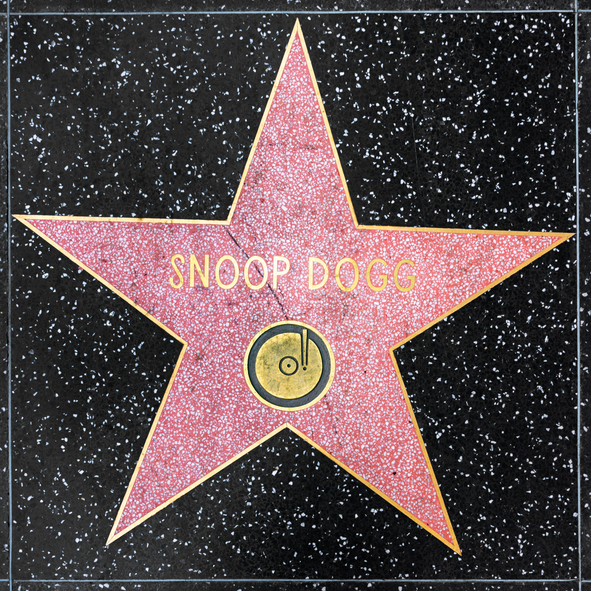
A prominent example of this strategy is Snoop Dogg, who has built a multimillion-dollar empire through strategic collaborations and endorsements. Here are some examples of collaborations that have helped him expand his brand, net worth, and influence:

  • Petco: Launched a line of dog treats called “Petco Picks by Snoop,” aligning with his lifestyle and appealing to pet owners.
  • Gin & Juice: Collaborated with Dr. Dre to create a spirits brand, further establishing his presence in the beverage industry.
  • Happy Socks: Released a limited edition sock collection titled “The Art of Inspiration,” featuring designs inspired by his music and art.
  • Sanctiond: Partnered with tattoo artist Mister Cartoon to create a car care brand, serving as both an equity partner and brand ambassador.
  • Leafs By Snoop: Launched his own cannabis line, offering a variety of products that embody the California lifestyle.
  • Gorillaz: Featured on the track “Hollywood,” showcasing his versatility by collaborating with the alternative band.
  • Eminem: Collaborated on the track “From the D 2 the LBC,” highlighting his enduring relevance in the hip-hop scene.
  • Willie Nelson: Worked together on multiple tracks, including “My Medicine,” reflecting their shared interests and friendship.
Los Angeles, USA – March 5, 2019:
closeup of Star on the Hollywood Walk of Fame for Snoop Dogg.

Conclusion

At Music Industry Weekly, we recognize the resilience and adaptability of emerging artists in the face of unprecedented challenges. As the live music industry continues to evolve, these artists are leading the way by embracing smaller venues, leveraging digital platforms, focusing on merchandising, and forging strategic collaborations. Their innovative approaches not only ensure their survival in the post-pandemic landscape but also pave the way for a more sustainable and diversified music industry.

The Future of Music Discovery: How AI is Helping Fans Find New Favorites

0

The Future of Music Discovery: How AI is Helping Fans Find New Favorites

In today’s rapidly evolving music industry, artificial intelligence (AI) is transforming how fans discover new music. Gone are the days when listeners depended solely on radio DJs or word of mouth. Now, AI-driven platforms offer personalized recommendations, tailoring music discovery to individual tastes and helping fans find their next favorite artists.

AI-Driven Platforms: A New Era of Personalization

AI technology has brought unparalleled personalization to music discovery. Platforms like Spotify and Apple Music use sophisticated algorithms to analyze listening habits, preferences, and even the time of day when users are most active. As a result, they curate personalized playlists like Spotify’s “Discover Weekly” and “Release Radar.” Machine learning algorithms continuously refine these recommendations, improving accuracy as users interact more with the platform.

How It Works

These platforms process vast amounts of data, including song tempo, key, genre, and user behaviors like skips, repeats, and playlist additions. This data allows AI to predict which songs a user might enjoy. The more a user engages, the more precise the recommendations become.

Supporting Emerging Artists

AI’s influence extends beyond just enhancing user experience; it significantly supports emerging artists. Traditional methods of music discovery often favored well-known artists with major label backing. However, AI democratizes this process, giving independent and emerging artists a better chance to be discovered. An unknown artist’s track that aligns with a user’s taste can be seamlessly introduced alongside hits from major artists, offering them tailored exposure.

Case Study: The Rise of New Talent

The impact of AI in promoting new talent is evident in the success stories of artists like Billie Eilish and Lil Nas X. Both gained early traction through AI-curated playlists, eventually becoming global sensations. Their rapid rise demonstrates AI’s potential to level the playing field for emerging artists in the music industry.

The Evolution of Music Curation

Beyond personalized playlists, AI also enhances human curation. AI tools analyze trends, genres, and lyrical content, helping curators select tracks that resonate with specific audiences. This collaboration between AI and human curators leads to more diverse and finely tuned playlists, appealing to both niche and mainstream listeners.

Challenges and Considerations

While AI-driven music discovery offers many benefits, it also presents challenges. There is a risk of creating “echo chambers,” where listeners are only exposed to similar types of music, potentially limiting their discovery of diverse sounds. Additionally, ethical considerations surrounding data usage and user privacy must be carefully addressed as these algorithms evolve.

Conclusion

At Music Industry Weekly, we understand that AI is revolutionizing how fans discover music, offering new opportunities for personalization and supporting emerging artists. As AI technology continues to advance, it’s crucial for platforms to balance innovation with ethical considerations, ensuring that music discovery remains dynamic and inclusive for all. The future of music discovery is bright, with AI leading the charge in helping fans find their next favorite artists.

The Influence of Gracie Abrams: How a New Generation is Embracing Raw, Emotional Pop

0

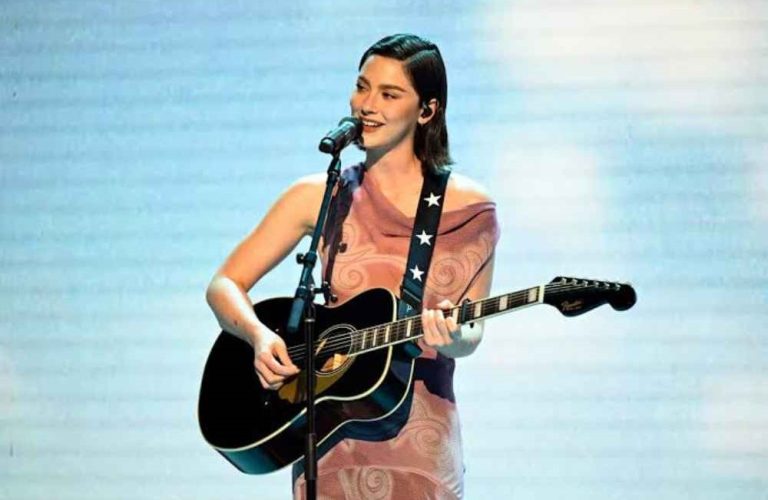
Gracie Abrams is at the forefront of a new wave of pop music that values authenticity and emotional depth. Her music, characterized by raw and introspective lyrics, resonates with both millennial and Gen Z audiences, making her one of the most influential artists of her generation.

Gracie Abrams: The Voice of a New Generation

Gracie Abrams‘ music is a reflection of her personal experiences, often exploring themes of love, heartbreak, and self-discovery. Her songs, such as “21” and “I miss you, I’m sorry”, have struck a chord with listeners who appreciate her vulnerability and honesty. Abrams’ minimalist production style, often featuring acoustic instruments and soft melodies, allows her lyrics to take center stage.

In a music industry that often prioritizes commercial appeal over artistic integrity, Abrams’ success is a testament to the growing demand for music that feels real and unfiltered. Her influence paves the way for a new generation of artists more focused on storytelling and emotional expression than on crafting radio-friendly hits.

Gracie Abrams’ Impact on the Music Industry

Abrams’ rise to prominence comes at a time when listeners crave genuine connection in an increasingly digital world. Her ability to convey raw emotions has not only garnered a loyal fanbase but also inspired emerging artists to embrace their vulnerabilities. As streaming services become more saturated with formulaic pop hits, Abrams’ music stands out for its sincerity and relatability.

Her collaborations with producers like Blake Slatkin and appearances on platforms like Spotify have further solidified her place in the industry. Moreover, her music has found a home on playlists dedicated to introspective and indie pop, contributing to the growing popularity of emotionally charged pop music.

Future Prospects

As Abrams continues to evolve as an artist, her influence is expected to grow. With her debut album “Good Riddance” gaining critical acclaim and her recent collaborations receiving widespread attention, Abrams is poised to become one of the defining voices of her generation. Her commitment to authenticity and emotional honesty sets her apart in an industry that often prioritizes trends over substance.

Conclusion

At Music Industry Weekly, we recognize Gracie Abrams as a trailblazer in the music industry. Her ability to connect deeply with her audience through raw, emotional pop is not only refreshing but also indicative of a larger shift in the industry. As more artists follow in her footsteps, embracing vulnerability and authenticity, we can expect the landscape of pop music to continue evolving in exciting and meaningful ways.