Top Genres Per Regional Servers: Targeting the Right Market

0

In today’s hyper-connected world, understanding regional music genre preferences is key for artists and labels looking to optimize their marketing strategies on a global scale. Streaming platforms now offer rich data on genre trends across different markets, revealing invaluable insights that can be used to craft tailored promotional efforts. Whether it’s reggaetón dominating in Latin America or K-pop in Asia, knowing which genres resonate in specific regions helps artists engage more effectively with their audiences. 

What’s more, this wealth of data means artists are no longer confined to their local markets—they have the freedom to create their most authentic sound, confident it will reach listeners who truly appreciate it, no matter where they are in the world.

North America: Hip-Hop and Pop Reign Supreme

In North America, hip-hop continues to dominate streaming charts, particularly in the United States. Up-and-coming artists like Anycia are gaining recognition with their unique flows and viral performances, reflecting the region’s strong affinity for the genre. Pop music also maintains a significant presence, with emerging talents like Ginn Lee making waves through engaging lyricism and catchy tunes.

For artists targeting this market, collaborating with established hip-hop and pop acts can significantly boost visibility. Marketing strategies should also emphasize social media engagement, as North American audiences frequently discover new music through platforms like Instagram, TikTok, and YouTube.

Latin America: The Rise of Reggaetón and Regional Mexican Music

Latin America’s music scene is known for its vibrant and rhythmic genres, with reggaetón leading the way. Emerging artists like That Mexican OT are quickly becoming notable names in reggaetón, dominating charts across Mexico, Colombia, and Puerto Rico. Additionally, regional Mexican music holds significant cultural importance, particularly in Mexico.

For artists aiming to break into the Latin American market, incorporating reggaetón elements into their music or collaborating with Latin stars can open new opportunities. Marketing efforts should focus on popular streaming platforms like Spotify, where playlists such as Baila Reggaetón attract massive followings. Engaging with regional social media influencers is also crucial for building traction in this market.

Europe: Pop, EDM, and Indie Rock

Europe presents a diverse musical landscape, with pop, electronic dance music (EDM), and indie rock leading the charge in different countries. In the UK, indie rock and pop are dominant, with rising stars like Tate McRae gaining substantial popularity. In contrast, countries like Germany and the Netherlands are known for their strong EDM scenes, with emerging talents such as Eli Brown making a name for themselves.

Artists targeting Europe should consider these regional differences when planning tours and promotional campaigns. EDM producers might focus on the festival circuit, including high-profile events like Tomorrowland in Belgium, while indie rock bands could prioritize the UK’s thriving festival scene.

Asia: K-pop’s Global Influence and Regional Genre Preferences

In Asia, music preferences are largely driven by K-pop, particularly in South Korea, Japan, and Southeast Asia. Groups like NewJeans have rapidly risen to fame with their catchy songs and innovative concepts. In Japan, J-pop remains hugely popular alongside anime soundtracks and rock, while in Southeast Asia, pop and ballads often dominate the charts, although K-pop’s influence continues to grow.

For artists aiming to make a mark in Asia, aligning with K-pop aesthetics or collaborating with Korean artists can yield significant results. Platforms like YouTube and TikTok are essential for marketing in this region, where fans engage heavily with visual content and music videos.

Africa: Afrobeats and Amapiano on the Rise

In Africa, the rise of Afrobeats reflects the continent’s growing influence on global music. Artists like Kizz Daniel are gaining international recognition as leading figures in the genre. Additionally, Amapiano—a house music subgenre from South Africa—has surged in popularity across the continent.

For artists looking to collaborate with African markets, partnerships with Afrobeats or Amapiano producers can help bridge the gap. Marketing through platforms like Boomplay offers a direct connection to listeners across Africa’s growing music scene.

Targeting the Right Market: Optimizing Strategies

Understanding regional preferences in music genres allows artists and labels to fine-tune their marketing strategies for maximum impact. Here’s how artists can optimize their efforts:

  • Localization of Content: Tailor promotional materials to reflect regional tastes and trends. For example, an artist launching in Latin America might emphasize reggaetón remixes of their tracks or collaborate with local artists.
  • Playlist Placement: Streaming platforms like Spotify curate playlists specific to each region. Securing a spot on these playlists can significantly boost an artist’s visibility.
  • Social Media and Influencer Engagement: Each region has its preferred social media platforms and influencers. In North America, TikTok and Instagram dominate; in Asia, YouTube and local platforms are essential.
  • Live Performances and Festivals: Touring plans should align with regional trends. Artists aiming for Europe might prioritize major festivals, while those targeting Latin America could focus on local festivals to build a fanbase.

Conclusion: Leveraging Genre Preferences for Success

Understanding genre preferences across regional markets is essential for any artist or label looking to fine-tune their marketing strategy. By tapping into undeniable trends—from reggaetón’s reign in Latin America to Afrobeats’ rise in Africa—artists can create more targeted campaigns that engage local audiences effectively while expanding their global reach. With the right insights and strategic planning, artists can harness the power of genre data to reach listeners who truly appreciate their sound, no matter where they are in the world.

Learn more tips on Music Industry Weekly.
Why It’s a Thing to Hate Eminem These Days

0

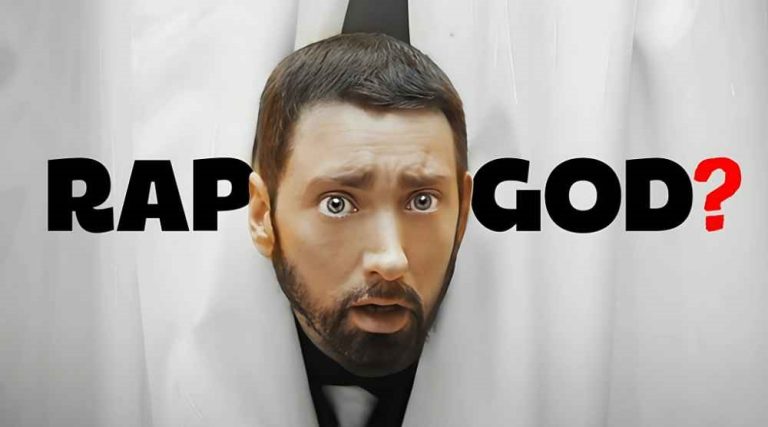
Eminem, once celebrated as one of the most groundbreaking rappers in the industry, now faces growing criticism. Some view this backlash as a natural part of his evolving career, while others argue that it reflects deeper cultural shifts. The debate revolves around whether Eminem has become outdated or if this criticism stems from broader societal changes. To understand why he’s now the target of public scorn, we must examine how fans and critics view him today.

Eminem’s Legacy: From Rebel to Criticized Figure

Eminem, also known as Marshall Mathers, gained fame in the late 1990s with his raw lyrics and provocative style. Songs like “Stan,” “The Real Slim Shady,” and “Lose Yourself” cemented him as a lyrical genius and cultural disruptor. He spoke to a generation that embraced his irreverence. However, the same qualities that defined his rise are now being used against him.

Over time, Eminem has been criticized for not adapting to the current cultural landscape. His lyrics, often focused on themes of violence, misogyny, homophobia, and substance abuse, once mirrored the rebellious spirit of the early 2000s. But in today’s world—where inclusivity, political correctness, and accountability matter more than ever—his older material is viewed with more scrutiny. Fans who once hailed him for his audacity now question whether his work has aged well, particularly given changing societal values.

Is Eminem Outdated?

A major reason for the growing criticism is the belief that Eminem is disconnected from today’s music scene and societal norms. Critics argue that what was once considered boundary-pushing now feels offensive and unnecessary. In an era dominated by artists like Kendrick Lamar, J. Cole, and Tyler, The Creator, who tackle societal issues with nuance, Eminem’s shock-value lyrics seem out of place.

For example, his 2020 album Music to Be Murdered By drew backlash for referencing the 2017 Manchester Arena bombing during an Ariana Grande concert. Fans who once dismissed such content as “just Slim Shady” are less forgiving now. This shift in sensitivity highlights how Eminem struggles with an audience that no longer tolerates offensive humor.

Additionally, Eminem’s public feuds with younger artists, like Machine Gun Kelly, contribute to the perception that he’s out of touch. These feuds, while entertaining to some, have made him appear resistant to the evolving music industry. Many fans prefer growth and introspection from their favorite artists, leaving Eminem’s combative persona feeling outdated.

Broader Societal Shifts: The Culture of Accountability

The rise of “cancel culture” and increased calls for accountability have also fueled criticism of Eminem. In today’s social media-driven world, celebrities are held responsible for past actions and lyrics that were once ignored or praised. Eminem’s history of controversial content is now being reexamined, with younger generations calling him out for promoting harmful ideas.

Lyrics that once included violence against women or homophobic slurs, though common in early 2000s rap, no longer fly in today’s culture. Fans expect artists to address or apologize for offensive material, but Eminem, often defending his Slim Shady persona, has largely avoided accountability. His refusal to reflect on his past work has alienated younger listeners who seek responsibility from their idols.

In addition, discourse around mental health has evolved since Eminem’s early days. Though he’s been open about his struggles with addiction, his continued focus on rage, revenge, and violence doesn’t align with today’s emphasis on healing and growth. In a culture that values emotional intelligence, Eminem’s persona—centered on anger and confrontation—feels increasingly out of step.

Eminem’s Response to Criticism

Eminem has always addressed his critics directly. Much of his career has thrived on controversy, using it as fuel for his music. However, his recent responses lack the impact they once had. His diss tracks, once sharp and clever, now seem more defensive, leaving some to question if he can still thrive in an industry that has moved beyond conflict-driven content.

For example, his diss track “KILLSHOT,” aimed at Machine Gun Kelly, leaned into his familiar aggressive style, but many felt it lacked evolution. While Eminem’s talent as a rapper remains undeniable, his refusal to adapt his message to today’s cultural climate has been seen as a flaw.

Eminem has expressed frustration with modern political correctness, claiming it stifles creativity. In interviews and music, he has criticized today’s sensitivity, arguing that it limits artistic freedom. However, this critique hasn’t resonated with fans who believe that evolving social norms are essential for progress.

Conclusion: Is the Backlash Justified?

Whether Eminem is truly outdated or society has simply moved on from his brand of music remains a complex question. His refusal to conform to current standards of political correctness could be seen as staying true to his roots. On the other hand, his lack of sensitivity to modern issues has made many question his relevance today.

What’s clear is that public perception of Eminem has shifted. The qualities that once made him a revolutionary artist are now viewed as relics of a past era. Whether the criticism is justified or not, Eminem’s legacy will be shaped by how he navigates this new cultural landscape. His future relevance may depend on whether he chooses to evolve or continues to embrace the persona of the rebellious outsider.

Read more industry news and insights on Music Industry Weekly.

Tupac and Biggie: Latest Confirmed Conspiracies and New Investigations

0

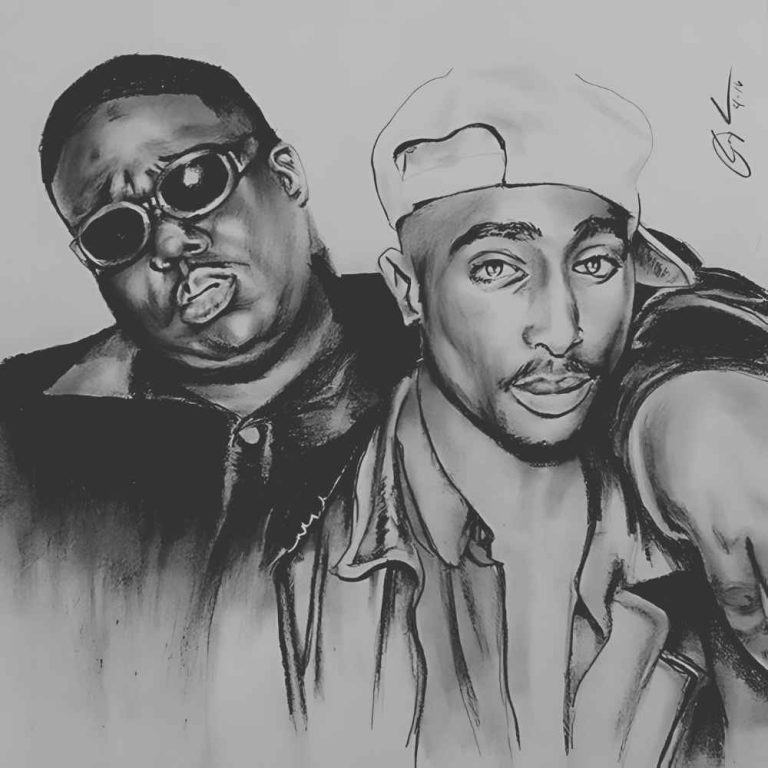
The murders of Tupac Shakur and The Notorious B.I.G. (Biggie Smalls) have haunted the music world for decades. Recent investigations have provided new insights into these unsolved cases, confirming several long-held conspiracy theories. These revelations are reshaping the public’s understanding of the events surrounding the deaths of these two iconic rappers.

New Investigations and Key Revelations

In 2023 and 2024, a renewed investigation into Tupac’s murder led to the arrest of Duane “Keefe D” Davis. He had previously admitted his role in Tupac’s death. Keefe D, a former member of the Southside Crips, confirmed that he was present when the shots that killed Tupac were fired. His arrest has finally validated a theory that had circulated for years: Tupac’s death was the result of gang-related violence.

Meanwhile, new documents have surfaced in the case of Biggie’s murder, revealing the involvement of corrupt officers from the Los Angeles Police Department (LAPD). These officers, who had connections to Death Row Records and Suge Knight, helped cover up Biggie’s murder. This new evidence supports theories that his death was more than just an East Coast-West Coast feud. It points to corruption and deeper ties within the music industry and law enforcement.

Confirmed Conspiracies: What We Now Know

Keefe D’s Role in Tupac’s Murder

Keefe D’s arrest underscores the Southside Crips’ involvement in Tupac’s death. According to Keefe D, his nephew, Orlando Anderson, fired the shots that killed Tupac. The incident followed a physical altercation between Tupac’s entourage and Anderson hours before the shooting. This confirmation solidifies the theory that Tupac’s death was a retaliatory act. For years, this had been suspected, but now it is backed by direct evidence from Keefe D himself.

LAPD’s Role in Biggie’s Murder

The role of corrupt LAPD officers in Biggie’s murder has long been speculated. New legal documents reveal that these officers worked to obstruct the investigation and protect high-profile figures connected to Death Row Records. This evidence challenges the earlier narrative that Biggie’s death was simply an act of retaliation. Instead, it suggests a cover-up orchestrated by individuals within law enforcement to protect those benefiting from the East Coast-West Coast rivalry.

Suge Knight’s Influence on both Tupac and Biggie Cases

Suge Knight’s involvement has always been central to conspiracy theories around both murders. While Knight himself has not been charged, the confirmed involvement of his associates in Biggie’s murder, and their ties to corrupt LAPD officers, strengthen the case against him. Knight’s rivalry with Sean “Diddy” Combs and his desire to control the West Coast rap scene likely played a significant role in orchestrating the events that led to Biggie’s murder.

Implications on Long-Standing Theories

Tupac’s Case: The Reality of Gang Retaliation

Keefe D’s confession has confirmed that Tupac’s murder was gang-related. For years, many believed that his death involved larger forces within the music industry or government. The new evidence shows that it was a direct result of gang violence. However, questions remain about why law enforcement did not act sooner, especially since Keefe D had spoken publicly about his involvement multiple times. This raises concerns about potential failures in the investigation.

Biggie’s Case: The Unveiling of Corruption

The confirmation of LAPD officers’ involvement in Biggie’s murder adds credibility to theories of a compromised investigation. It supports the idea that Biggie’s murder was not just the result of a rap rivalry but part of a broader conspiracy involving powerful figures in the music industry. These revelations call into question the integrity of the original investigation and suggest that the real motives behind Biggie’s murder were far more complex.

Shifting Public Perception of Tupac and Biggie

For years, the deaths of Tupac and Biggie were seen as the tragic result of a violent feud. But the latest revelations show a much more complicated picture. Tupac’s murder was gang-related, and Biggie’s death was tied to police corruption and music industry power struggles. These developments are changing how the public views both cases. Their murders were not just about rap rivalry—they were deeply intertwined with issues of power, money, and corruption.

These confirmed conspiracies also highlight the failures within law enforcement and the music industry. Both Tupac and Biggie’s families have long fought for justice, and the new evidence provides hope that the truth may finally come to light. Their deaths now symbolize not only the cost of fame but also the consequences of unchecked corruption.

Conclusion: A New Chapter in the Tupac and Biggie Saga

The recent confirmations surrounding Tupac and Biggie’s murders bring new clarity to these cases. Keefe D’s confession marks a significant step forward in understanding Tupac’s death, while the exposure of LAPD corruption further complicates Biggie’s case. Both murders involved far more than what was initially believed, with gang retaliation, police misconduct, and power struggles playing key roles. As new details continue to emerge, the legacies of these two rap legends will be shaped by both their music and the pursuit of justice.

Read more industry news on Music Industry Weekly.

P Diddy Legal Troubles: The Sexual Abuse Allegations and Their Impact on His Legacy

0

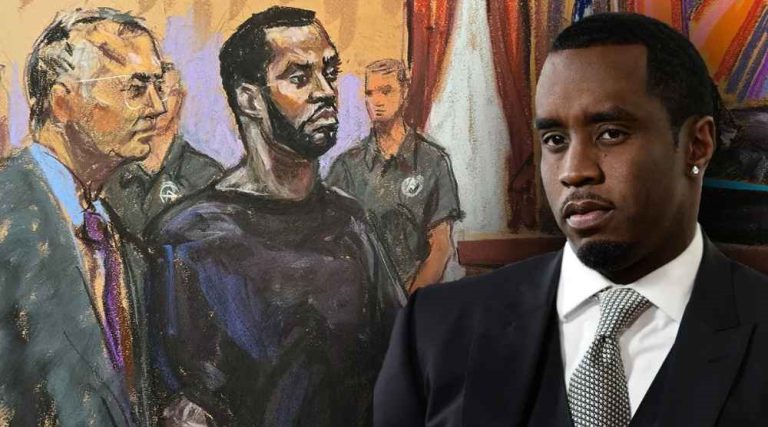
Sean “Diddy” Combs, once celebrated as a trailblazing mogul in hip-hop and business, now faces allegations that may irreversibly damage his legacy. The mounting sexual abuse claims against him have brought to light an era of exploitation, with powerful figures using their influence to silence victims. What began with a lawsuit from his former girlfriend Cassie Ventura has snowballed into one of the music industry’s most significant scandals. These revelations have sparked critical discussions about how power has been abused, and how the industry has allowed such behavior to go unchecked.

The Allegations: What We Know

In November 2023, Cassie Ventura filed a civil lawsuit alleging sexual abuse, forced participation in sex trafficking, and violence during her relationship with P Diddy. The lawsuit, which was quickly settled, marked the beginning of a flood of accusations. Since then, more than 120 additional lawsuits have emerged, accusing Combs of harassment, rape, and coercion. Some of the most damning accusations involve the use of his business empire as a front to lure women and facilitate criminal acts of abuse.

Key Evidence and Testimonies

Multiple facts have surfaced that cast an undeniable shadow on Combs’ reputation:

  • Video and Photo Evidence: Allegations include claims that Combs filmed sexual encounters to blackmail victims. These tapes, according to some lawsuits, were shared with other men within his circle, heightening the seriousness of the charges.
  • Witness Testimonies: Former colleagues and employees have corroborated the claims. Roger Bonds, Diddy’s former head of security, stated that he witnessed Combs physically abuse both Cassie Ventura and Kim Porter, his ex-partner.
  • Longstanding Patterns of Abuse: Numerous lawsuits describe a pattern of misconduct stretching back decades. One accuser, Rodney “Lil Rod” Jones, claimed that he was sexually harassed and drugged by Combs, further illustrating the extent of the power imbalance between the mogul and his victims.

Why Did the Allegations Take So Long to Surface?

One of the most pressing questions is why these allegations remained hidden for so long. The answer lies in Diddy’s vast network and control over the careers of his victims. Many accusers have expressed fear of retaliation, not just from Combs but from the many high-profile associates who may have enabled his behavior. His control over Bad Boy Records and his influence in other industries, from fashion to media, made it extremely difficult for victims to speak out without risking their careers.

Impact on P Diddy’s Legacy

Diddy’s role in shaping hip-hop is undisputed. He helped launch the careers of stars like The Notorious B.I.G., Faith Evans, and Mary J. Blige, making his record label, Bad Boy Records, one of the most successful in music history. However, the current allegations cast a long shadow over these accomplishments.

In the business world, companies are distancing themselves from him. Diageo, which collaborated with him on various liquor brands, cut ties earlier this year. His media company, Revolt, is also under strain, and numerous projects, including reality shows and brand partnerships, have been canceled. Furthermore, Howard University and the city of New York have both rescinded honors previously bestowed on him.

The Fallout: Legal Consequences and Industry Implications

With over 120 civil lawsuits pending, Diddy could face severe legal consequences. If convicted in criminal cases, the rapper could face life in prison due to charges of racketeering and sex trafficking. This is significant not just for Diddy but for the broader entertainment industry, which is once again forced to confront a pattern of abuse perpetrated by high-profile men in power. The #MeToo movement reshaped Hollywood, and now the music industry faces similar pressure to reform.

Conclusion: A Shattered Legacy?

As the lawsuits continue to pile up, P Diddy’s once-stellar reputation seems irreparably damaged. His contributions to the music world, while important, may soon be overshadowed by these serious allegations. The music industry’s reckoning with his past behaviors, along with the courage of the survivors coming forward, suggests that a new era of accountability may finally be dawning in entertainment.

Learn more industry news at Music Industry Weekly.

Global Citizen Fest 2024: The Intersection of Music and Activism

0

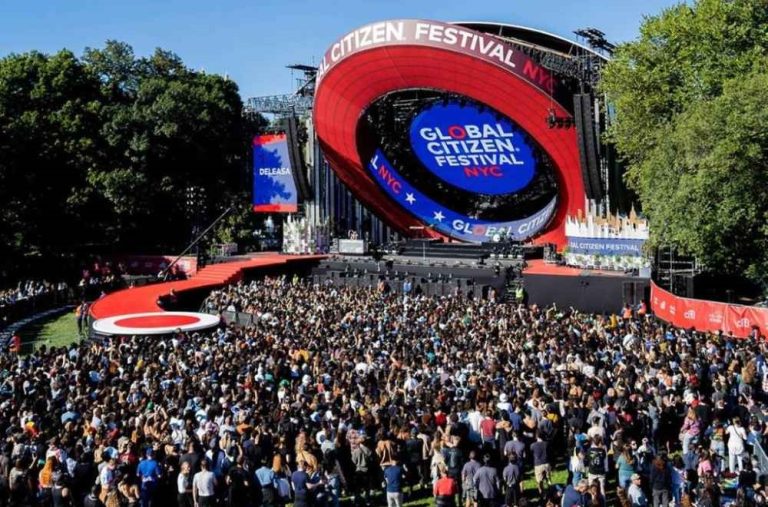
Global Citizen Fest 2024 united some of the world’s biggest music stars in an electrifying display of activism and artistry. This year, the festival offered more than just memorable performances. It demonstrated how artists are using their platforms to drive social and political change. Through passionate speeches, powerful songs, and an unmistakable call to action, Global Citizen Fest 2024 became a powerful stage for conversations that ignite real-world solutions.

The Power of Music for Social Change

The festival wasn’t just a celebration of talent; it was a stage for artists to raise awareness about pressing global issues. Performers like Billie Eilish, BTS, and Lizzo each took the opportunity to advocate for causes they hold close. Billie Eilish delivered a powerful message about climate change, urging fans to take immediate action. Lizzo, meanwhile, stood firm in promoting body positivity, self-acceptance, and racial equality.

What made this year’s festival stand out was how seamlessly these artists wove activism into their performances. The music became a vessel for change, moving beyond entertainment to inspire action. Songs dedicated to various causes filled the air, while the crowd was encouraged to sign petitions, make donations, and pledge their support for global movements. These artists fully embraced their roles as activists, understanding that their platforms could inspire millions to stand up and take action.

A Focus on Global Issues

Throughout Global Citizen Fest 2024, a broad range of topics was brought to the forefront. Artists addressed global poverty, gender equality, climate change, and the need for better access to education and healthcare. Each performance carried a vital message, fostering a sense of unity and shared purpose.

For example, Lorde’s performance included a passionate speech about environmental conservation and sustainable energy. She urged governments and corporations to adopt renewable energy practices, using her platform to push for a greener future. At the same time, BTS highlighted the importance of mental health awareness, particularly in the digital age when social media can contribute to increased pressures on young people.

The festival became more than a series of musical performances—it symbolized solidarity. Attendees gathered not just for the music but for the message, one that continued to resonate long after the final note faded.

Artist-Driven Activism and Global Movements

Global Citizen Fest has long been recognized for blending music and activism. However, this year, it showcased just how pivotal artists are in advancing global movements. Their influence extends beyond music, reaching into social, political, and cultural realms that inspire meaningful change.

What set the 2024 festival apart was the way artists actively engaged with global issues. They didn’t just voice support; they became leaders in these movements. Their involvement went beyond performative gestures. Through social media and digital platforms, artists interacted directly with fans, encouraging immediate action. Real-time petitions, donation drives, and educational resources connected to the causes are highlighted on stage-flooded digital platforms.

As artists merge their creative work with advocacy, they strengthen the global push for equity, justice, and sustainability.

Conclusion: Global Citizen Fest’s Ongoing Legacy

Music Industry Weekly acknowledges that Global Citizen Fest 2024 once again showed that the intersection of music and activism is not just powerful—it is essential. This year’s festival brought critical global issues to the forefront, using music as a universal language to spark change. With artists taking on roles as activists and leaders, Global Citizen Fest continues to inspire action and ignite global conversations.

Looking ahead, one thing is clear: the role of artists in activism will continue to grow, expanding the boundaries of what music can achieve in the ongoing fight for a more just and equitable world.

MUNA: The Queer Cultural Shift in Pop Music

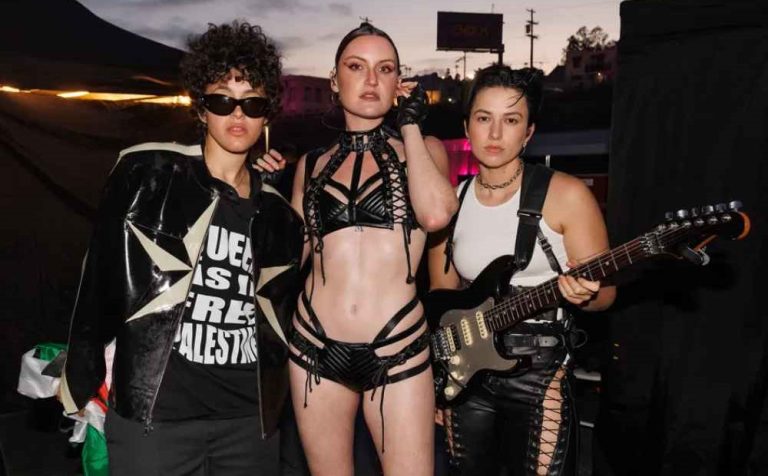
MUNA stands as a powerful force in modern pop music, blending artistry with activism. The trio—Katie Gavin, Naomi McPherson, and Josette Maskin—boldly represents queer culture while reshaping the pop landscape. Through their unique sound and unwavering advocacy, MUNA pushes boundaries, promoting inclusivity in an industry that continues to evolve. Their music and activism bring queer narratives to the forefront of pop, signaling a broader cultural shift.

MUNA’s Journey: Breaking the Mold

MUNA emerged from Los Angeles with their debut album About U in 2017, offering shimmering pop melodies infused with deeply personal, often political, lyrics. From the start, they defied conventions. Their infectious hooks paired with themes of identity, queerness, mental health, and empowerment set them apart from artists who prioritize commercial appeal over authenticity.

Their follow-up albums, Saves the World (2019) and the self-titled MUNA (2022), continued to solidify their growing fanbase. Audiences gravitated to their introspective lyrics paired with upbeat production. Beyond their music, MUNA proudly embraces their queer identities, weaving their experiences into their art. For many LGBTQ+ fans, MUNA’s songs have become anthems of validation and hope.

Amplifying Queer Voices in Pop

MUNA’s presence in pop matters not only for their music but for their role in amplifying queer experiences. Songs like “I Know A Place” and “Number One Fan” became anthems for queer listeners, offering messages of self-acceptance, resilience, and love. These songs resonate especially deeply with LGBTQ+ individuals who still face discrimination and marginalization.

For example, “I Know A Place” was inspired by the 2016 Pulse nightclub shooting, evolving into a rallying cry for safe spaces in the queer community. Its message of solidarity provides comfort to those seeking refuge from hostility. In contrast, “Number One Fan” promotes self-love, empowering listeners to embrace who they are. MUNA’s ability to create music that resonates with both queer audiences and mainstream pop fans highlights their growing influence.

Activism Through Music

MUNA’s activism extends beyond their lyrics. As vocal advocates for queer rights and mental health awareness, they use their platform to promote equality and community support. They have taken strong stances against issues like conversion therapy, gender inequality, and the stigma surrounding mental health. In interviews, live performances, and on social media, they align themselves with movements supporting marginalized communities.

Their advocacy is not just performative; it is a core part of their identity. This authenticity draws fans not only for their music but for their message of resilience. MUNA continues the legacy of other queer pop icons, such as Robyn and Hayley Kiyoko, but with a refusal to hide or soften their queerness. Their success reflects a cultural shift where queer voices are celebrated rather than sidelined.

Shaping the Future of Pop Music

MUNA’s impact reaches far beyond their discography. As they continue to bring queer stories into pop music, they help redefine what the genre can be. Historically, pop music has been known for formulaic songs meant for mass appeal. However, MUNA’s success shows that pop can also explore complex social issues, represent diverse voices, and build inclusive communities.

Their rise also reflects the growing demand for representation and diversity in the music industry. As more queer artists like MUNA gain mainstream success, the pop landscape will evolve to reflect a broader range of experiences. MUNA’s journey serves as an inspiration to the next generation of queer artists, offering a blueprint for success without compromising identity.

Conclusion: MUNA’s Impact on Pop and Activism

Music Industry Weekly acknowledges that MUNA’s rise in the pop music world signifies more than commercial success. Their unapologetic embrace of queer identity and activism is driving a cultural shift in mainstream music. By crafting music that resonates emotionally and socially, they are reshaping the future of pop. As MUNA continues to amplify queer voices and push the boundaries of the genre, they stand as a testament to the power of representation and the transformative potential of music.

Sabrina Carpenter’s “Espresso”: A Closer Look at Her Evolving Sound

0

Sabrina Carpenter has steadily transformed from a Disney Channel star to a rising pop sensation. With the release of her latest single, Espresso, the artist marks a significant shift in her musical direction, exploring deeper lyrical themes and a bolder sonic palette. The track stands as a pivotal moment in her career, offering fans a glimpse into her evolving sound and what may lie ahead for the budding pop powerhouse.

A New Chapter in Pop

Carpenter’s career has been on a steady upward trajectory since her breakout role in Girl Meets World, but her recent music—particularly Espresso—reveals an artist eager to step beyond the shadow of her Disney past. As part of her sixth studio album, Short n’ Sweet, Espresso embodies the playful yet assertive tone that Carpenter has cultivated over the years, embracing maturity in both sound and subject matter.

The song’s catchy, upbeat tempo and polished production are typical of Carpenter’s earlier work, yet the lyrical depth and vocal delivery show signs of growth. With clever wordplay and witty innuendos, Espresso finds Carpenter navigating the complexities of adulthood and fame, blending confidence with vulnerability.

Exploring New Themes

Much like the other tracks on Short n’ Sweet, Espresso pushes Carpenter into new thematic territory. While previous songs like Nonsense and Feather leaned into lighter pop melodies, Espresso takes a more nuanced approach, delving into themes of self-discovery, empowerment, and even sensuality. This shift in tone reflects Carpenter’s desire to shed the expectations placed on her as a former child star and embrace the complexity of her journey.

Lyrically, Espresso showcases Carpenter’s newfound confidence in discussing topics that were previously absent from her music. The song blends her usual playful charm with an edgier persona, embodying the tension between staying true to her youthful roots and expressing the realities of adulthood. The chorus—“That’s that me espresso, I’m working late ’cause I’m a singer”—offers a nod to Carpenter’s work ethic and dedication, while the smooth delivery of each line reveals her ability to craft infectious hooks without sacrificing substance.

The Sound of Evolution

Musically, Espresso represents a sonic evolution for Carpenter. The production, featuring punchy beats, lush synths, and rhythmic layering, brings a more refined sound to her catalog. Carpenter’s vocals, often compared to artists like Ariana Grande and Olivia Rodrigo, take center stage in Espresso, as she transitions between soft melodies and dynamic high notes. This range adds to the track’s overall complexity, creating a rich auditory experience that leaves a lasting impression on listeners.

The song’s combination of playful beats and introspective lyrics positions Carpenter alongside other rising pop stars who are redefining the genre. Espresso draws from Carpenter’s earlier pop influences while incorporating elements of electro-pop and alternative beats, providing a refreshing mix that feels contemporary yet timeless.

A Glimpse into the Future

With Espresso, Carpenter solidifies her place in the evolving landscape of pop music. The song’s success, which garnered over 1.2 billion streams on Spotify, demonstrates the resonance Carpenter’s music has with a diverse audience. It also sets the stage for further experimentation in future releases, as fans eagerly anticipate more music that continues to push boundaries both sonically and lyrically.

Carpenter’s willingness to explore new themes and sounds in Espresso hints at an exciting future in which she embraces her individuality even more. As her music grows more complex, so too does her artistic persona, signaling a bright career ahead as she carves out a unique space in the industry.

Conclusion

Music Industry Weekly recognizes that Sabrina Carpenter’s Espresso marks a turning point in her musical journey, offering fans a taste of her evolving sound and lyrical depth. The single showcases her ability to balance catchy pop melodies with more profound themes, signaling an artist ready to embrace new challenges and push her boundaries. As she continues to grow as a musician, Carpenter is poised to become a significant force in the pop world, and Espresso is only the beginning of her next chapter.

Nick Cannon’s Update on Mariah Carey Amid Family Loss

0

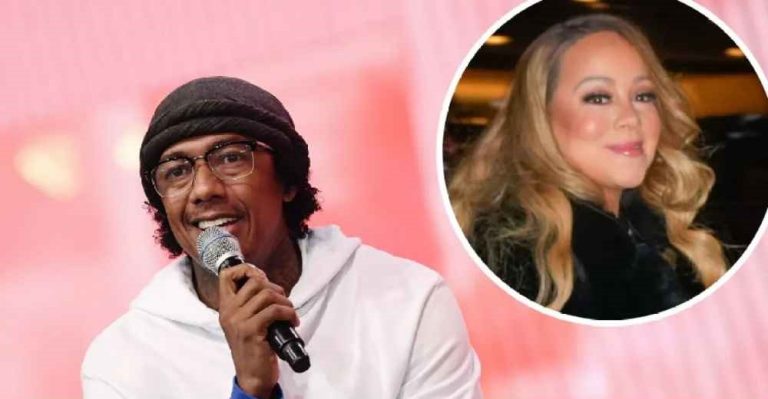
Nick Cannon recently shared an update on Mariah Carey’s well-being following the devastating loss of both her mother and sister. He shed light on the challenges she faces as she navigates grief while remaining in the public eye. Known for her resilience, Carey is leaning on her family, especially her children, Moroccan and Monroe, for support during this difficult time.

Mariah Carey’s Grief and Resilience

In August 2024, Mariah Carey faced an unimaginable tragedy. Her mother, Patricia Carey, and her sister, Alison Carey, both passed away on the same day. The dual loss left Carey heartbroken, but she has drawn strength from her children while focusing on her career to cope. In a statement shared with Billboard, she expressed sorrow yet noted how grateful she was to have spent her mother’s last days by her side.

Nick Cannon, Carey’s ex-husband and father to their 13-year-old twins, provided more insight into how she’s managing the situation. He explained, “She’s doing the best she possibly can, considering the circumstances.” He emphasized that family support has been essential, adding, “As a family, we just need to support one another and show love.”

The Importance of Family Support

Through these losses, Carey has found comfort in her children. Nick Cannon stressed that Moroccan and Monroe have become a vital source of support for their mother. “She’s really enjoying her time with the kids,” Cannon said, underscoring the deep bond Carey shares with them. The twins, affectionately called “Dem Babies,” have offered her much-needed emotional support during this tough period, serving as a bright light amid the grief.

Carey has also expressed gratitude for the outpouring of love from fans. She took to social media to acknowledge the encouragement she’s received. On Instagram, she shared that she had resumed work, preparing for upcoming shows in Brazil and China after a brief hiatus to process the tragedies. “It’s been a couple of rough weeks, but I appreciate everyone’s love and support so much,” she wrote, demonstrating her determination to move forward despite the pain.

Grief in the Spotlight

Carey’s situation highlights the unique challenges artists face when dealing with personal grief under public scrutiny. For someone of Carey’s stature, every move invites public commentary, making it hard to process emotions privately. Her decision to keep working while sharing glimpses of her life with fans illustrates the difficult balance public figures must strike between maintaining professional obligations and tending to their well-being.

Her experience has sparked wider discussions about the impact of fame on mental health, particularly during times of profound loss. Carey has previously spoken about her complex relationships with her family members, adding another layer of difficulty to her grief. In her 2020 memoir, The Meaning of Mariah Carey, she revealed the emotional distance she maintained from her family to protect her peace of mind. This dynamic likely makes her grief even more complex, as she navigates emotions linked to strained relationships.

Finding Strength Through Performance

Despite the emotional toll, Carey’s return to the stage reflects her unwavering commitment to her craft. Her performances offer her a way to channel her emotions into something productive. Music has long been a source of healing for Carey, both personally and professionally. By continuing to perform, she may find the strength to carry on during this difficult time.

Conclusion: Navigating Grief in the Public Eye

Mariah Carey’s journey through grief underscores the resilience required to manage personal tragedies while remaining in the public eye. With the unwavering support of her children, the love of her fans, and her dedication to her career, Carey continues to face the aftermath of her losses with grace and determination. Her ability to keep going, even in the face of deep sadness, serves as an inspiration to others dealing with similar challenges.

Read more music news on Music Industry Weekly.

Chappell Roan: Breaking Boundaries with Good Luck Babe

0

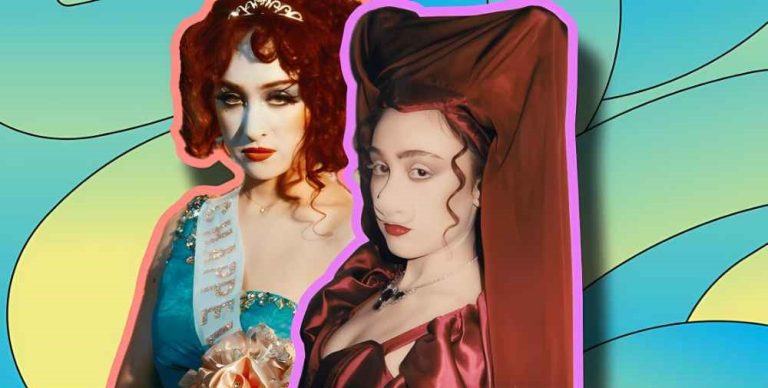
Chappell Roan’s explosive success with Good Luck Babe marks a pivotal moment in pop music. Fearlessly breaking boundaries with bold lyrics and a distinct voice, Roan’s rise is not just a personal victory. It also reflects shifting dynamics in the music industry, where queer artists like Roan gain mainstream attention without compromising their identity. Good Luck Babe stands out for its catchy, raw delivery and emotional resonance. The song taps into themes of love, self-discovery, and the struggles of embracing one’s true self.

Roan’s Breakthrough with Good Luck Babe

Good Luck Babe hit the Billboard Hot 100 at No. 77—an impressive achievement for an artist who, until recently, existed on the fringes of mainstream pop. Roan’s story is one of resilience and authenticity. After industry setbacks, including being dropped by her label, she returned with a refreshed vision and a fearless approach to music. The single resonates with fans due to its vulnerability and strength. Roan sings about heartbreak and the courage to move forward, drawing from personal reflection. Good Luck Babe showcases her ability to channel raw emotion into a polished pop sound.

Roan’s growth as an artist is evident in both her music and her ability to captivate audiences through her authenticity. Her rise signals an evolving music industry, one that embraces artists who break away from traditional norms, allowing their uniqueness to shine.

Fearless Lyrics and Bold Messages

What distinguishes Roan from many pop contemporaries is her bold lyricism and willingness to tackle complex themes. In Good Luck Babe, she explores love, heartbreak, and self-discovery. The song tells the story of breaking up with a partner who is afraid to fully embrace their identity—a reflection of Roan’s own journey toward self-acceptance. The lyrics are candid, balancing tough love and empathy as Roan urges her ex to stop denying their feelings.

Her storytelling is compelling. Lines like “You can kiss a hundred boys in bars” serve as biting reminders of the consequences of hiding one’s true self. The bridge offers an intense emotional release, as Roan laments the emptiness of living by society’s rules. Her willingness to tackle personal and difficult subjects has endeared her to fans, especially within the LGBTQ+ community, who find solace and empowerment in her music.

Breaking Through the “Gay Famous” Ceiling

Roan’s success with Good Luck Babe marks a breakthrough for queer artists in pop music. For years, many LGBTQ+ musicians gained recognition within their communities but struggled to break into the mainstream. Roan is challenging that narrative. She balances mainstream appeal with unapologetic queerness, setting herself apart from other rising stars. Her music isn’t just for a niche audience—it’s for everyone.

Her rising fame highlights the industry’s ongoing evolution toward inclusivity. Queer pop stars like Roan, alongside artists such as Victoria Monet and Renee Rapp, are paving the way for a new generation of unapologetically authentic performers. Their success demonstrates that audiences are eager to embrace diverse voices and experiences, prioritizing authenticity over manufactured personas.

A New Chapter for Pop Music

As Roan continues to make her mark, she sets new trends and redefines what it means to be a pop star. Good Luck Babe represents a new chapter in her career, defined by self-confidence, boldness, and a strong connection with her audience. While her sound remains rooted in pop, her approach is refreshingly original, blending alt-pop elements with infectious hooks and deeply personal lyrics.

Roan’s aesthetic and live performances further enhance her appeal. Known for whimsical outfits and energetic stage presence, Roan captivates audiences with her theatricality. Her tours, including opening for Olivia Rodrigo, have solidified her reputation as a dynamic performer. She delivers emotionally charged, intimate performances that resonate long after the show ends.

Conclusion: Chappell Roan’s Fearless Approach to Pop

Music Industry Weekly recognizes that Chappell Roan’s success with Good Luck Babe is more than just a breakout hit. It’s a testament to the power of authenticity in music. Her fearless approach to songwriting and performance has set her apart as one of pop’s most exciting new voices. Roan is breaking boundaries, setting new trends, and signaling a brighter, more inclusive future for artists who are unapologetically themselves. With Good Luck Babe, Chappell Roan isn’t just making waves—she’s shaping a new era of pop music.

Building Fan Loyalty Through Authentic Engagement: Practical Strategies for Musicians

0

In today’s music industry, fan loyalty isn’t just built on hit singles or catchy hooks—it’s grounded in authentic connections between artists and their audiences. With social media providing direct access to fans, artists have more opportunities than ever to cultivate lasting relationships. However, with those opportunities comes the responsibility to engage meaningfully and authentically. Gone are the days when artists could rely solely on their music to keep fans engaged. In a crowded marketplace, authenticity and personal connection are key to building a devoted fanbase that sticks around for the long haul.

Here are actionable strategies musicians can use to create lasting fan loyalty by fostering authentic engagement:

1. Prioritize Genuine Interactions

At the heart of authentic fan engagement is genuine interaction. Fans are more likely to remain loyal when they feel seen and appreciated by their favorite artists. Engage with your fans in a real and personal way—respond to their comments, thank them for their support, and show an interest in their lives. Whether it’s through direct messages, replies on social media, or even shoutouts during live performances, small acts of acknowledgment can create a deep bond.

Fans value authenticity over perfection, so let your personality shine through. Share behind-the-scenes moments, personal stories, or even challenges you’ve faced in your career. This humanizes you as an artist and allows fans to connect with you on a deeper level.

2. Leverage Social Media to Build a Community

Social media is a powerful tool for artists to not only share their work but also build a community around their music. Platforms like Instagram, TikTok, and Twitter allow for constant and immediate interaction with fans. Use these platforms to engage directly with your followers in a way that feels personal and unscripted. Share your thoughts, ask for their opinions, and invite them into your creative process.

For example, running polls or asking questions about upcoming projects can help fans feel involved and invested in your work. Creating fan challenges, hosting live Q&A sessions, or even reposting fan-created content are great ways to foster a sense of community. The more involved your fans feel, the more likely they are to stay loyal.

3. Offer Exclusive Content and Experiences

Rewarding your most loyal fans with exclusive content or experiences is a proven way to deepen engagement. Whether it’s early access to new music, behind-the-scenes footage, or VIP tickets to shows, exclusivity can make fans feel special and valued. Platforms like Patreon and Bandcamp offer artists the opportunity to create premium content that fans are willing to pay for, which not only strengthens the artist-fan relationship but also offers an additional revenue stream.

Consider offering exclusive content that feels personal—like handwritten lyric sheets, special acoustic versions of songs, or intimate virtual meet-and-greets. These one-of-a-kind experiences allow fans to connect with you in ways that go beyond the typical artist-fan relationship.

4. Maintain Consistent Communication

Consistency is key when building fan loyalty. Whether it’s through regular updates on social media, a monthly newsletter, or recurring livestreams, maintaining a steady line of communication ensures that your fans remain engaged. When fans feel that you’re consistently showing up for them, they’re more likely to stay loyal.

One way to ensure consistency is to develop a content calendar that outlines your posting schedule and engagement strategies. Consistency also involves being transparent and open about your creative journey. Share your progress on new projects, give insights into your artistic process, and provide updates on any upcoming events or releases.

5. Create Opportunities for Fan Involvement

Involving fans in your creative process is one of the most effective ways to build loyalty. When fans feel like they’re part of your journey, they’re more likely to remain invested in your success. There are several ways to invite fan involvement: running contests, asking for feedback on new material, or even allowing fans to help shape a tour setlist.

For instance, many artists have taken to crowdsourcing ideas for cover songs, artwork, or merch designs directly from their fans. This not only fosters a sense of collaboration but also makes fans feel like they’re contributing to your artistic vision.

6. Showcase Your Appreciation

Loyalty is built on appreciation. Showing gratitude to your fans is a powerful way to solidify your connection with them. Whether it’s through personal thank-you messages, special fan giveaways, or exclusive fan events, expressing appreciation for your supporters goes a long way.

Publicly acknowledging your fans—whether in social media posts, during live shows, or even in album credits—demonstrates that you value their support. The more appreciated your fans feel, the more likely they are to stay loyal and continue supporting your career.

7. Balance Professionalism with Authenticity

While professionalism is important, it’s equally important to maintain authenticity. Fans today can often tell when an artist is being overly curated or polished. To build loyalty, find a balance between professional presentation and authentic expression. Share your real thoughts, challenges, and triumphs—fans will appreciate your honesty.

Allowing your fans to see your imperfections makes you more relatable. Authenticity doesn’t mean oversharing or losing professionalism; rather, it’s about letting your fans see the person behind the music.

8. Encourage Fan-Led Communities

Some of the strongest fanbases are those that form their communities. Encouraging fans to connect around your music helps build a culture of loyalty. This can be as simple as encouraging fans to create their fan pages, organizing fan meet-ups, or engaging with fan clubs.

Fan-led communities create a sense of belonging that reinforces loyalty. By providing your fans with the tools and encouragement to build their networks, you’re fostering an environment where your music is the common thread that brings people together.

Conclusion: Authenticity as the Key to Long-Lasting Loyalty

Music Industry Weekly understands that in an industry where trends change rapidly, authenticity remains a constant driver of fan loyalty. As an artist, focusing on building genuine connections, providing exclusive experiences, and showing appreciation for your fans are all strategies that can help foster lasting relationships. By inviting your fans into your journey and treating them as partners in your success, you’ll cultivate a loyal fanbase that grows with you throughout your career.

Remember, fan loyalty isn’t just about what you create—it’s about how you connect. Be consistent, be authentic, and, most importantly, be grateful.