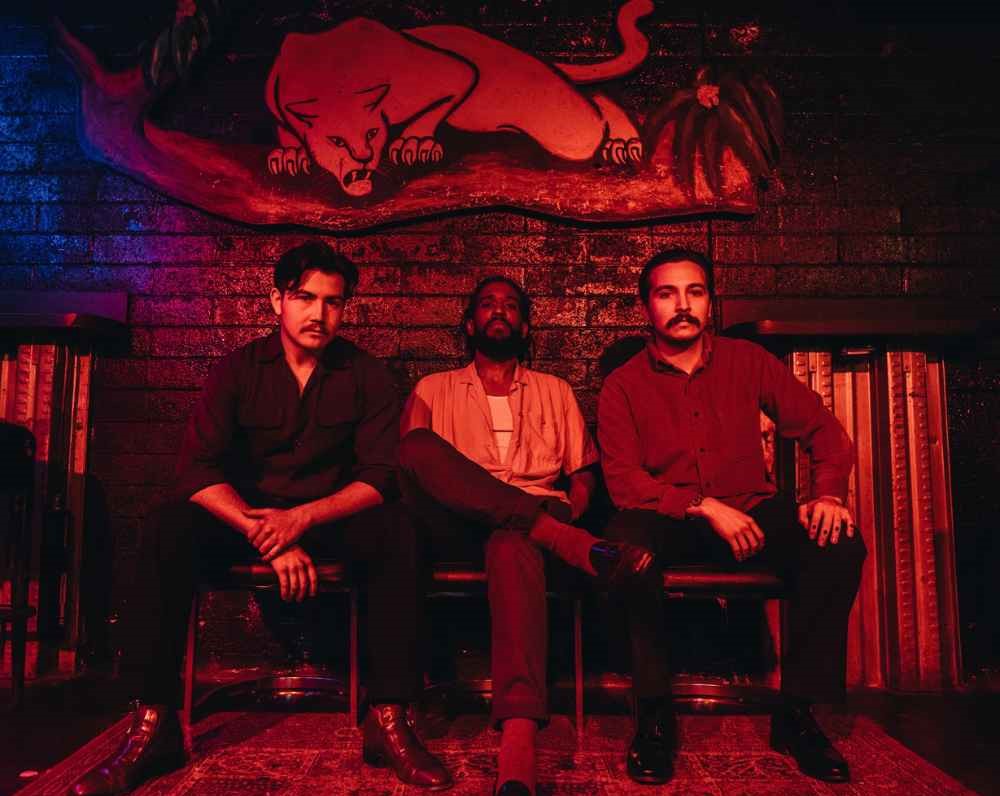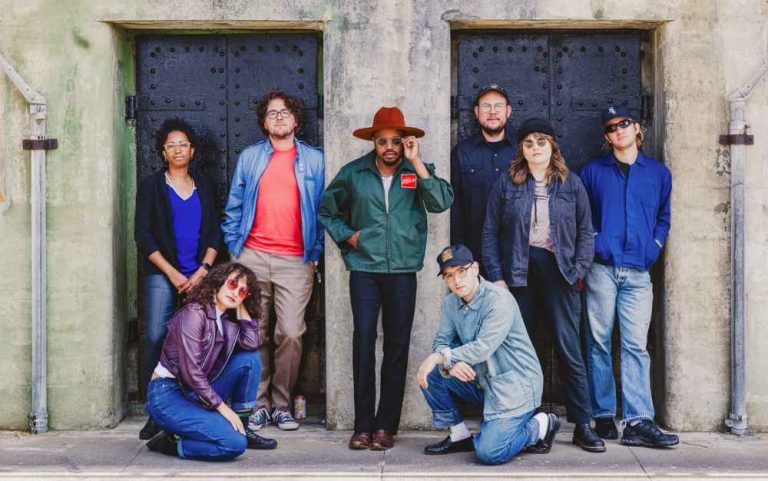
Durand Jones & The Indications: Bridging the Gap Between Past and Present

0

In an industry that often feels like a revolving door of fleeting trends, Durand Jones & The Indications have emerged as torchbearers of soul music, skillfully bridging the gap between its rich history and the present. This band from Bloomington, Indiana, doesn’t just revive classic soul; they evolve it, creating a sound that resonates across generations.

Old School Meets New Wave

Durand Jones & The Indications have mastered the art of channeling the warm, rich tones of classic soul, drawing from legends like Marvin Gaye, Curtis Mayfield, and Al Green. However, their music stands out because of how they blend these vintage influences with modern production techniques and contemporary themes. Their third album, Private Space, exemplifies this seamless fusion, incorporating elements of disco and synth-pop while maintaining the core essence of soul music.

One track that perfectly captures this blend is “Cruisin to the Park“. It transports listeners to a nostalgic time with its retro vibes, yet feels fresh and relevant today. A fan on Reddit described it as “a timeless piece that speaks to the heart, no matter what era you’re from.”

Lyrics That Transcend Generations

The lyrical depth of Durand Jones & The Indications’ music transcends generations. Their songs explore universal themes such as love, heartbreak, and resilience—cornerstones of soul music—while addressing contemporary issues like identity and social justice. This approach allows their music to connect with both older and younger listeners, making it both nostalgic and forward-thinking.

Durand Jones has spoken about the importance of creating music with meaning. In discussing their track “Love Will Work It Out,” he highlighted the band’s intent to capture resilience and hope during challenging times. “We wanted to create something that feels good but also speaks truth to power,” he said. This song exemplifies the band’s commitment to addressing both timeless and modern challenges through their music.

Live Performances: A Transformative Experience

Durand Jones & The Indications have earned a reputation for their powerful live performances. Whether in intimate venues or at large festivals, the band’s energy and emotion create a deep connection with the audience, making each show memorable.

A fan on Live for Live Music shared, “Their live show isn’t just a concert—it’s a spiritual journey that takes you through the highs and lows of life, all while making you feel like you’re part of something bigger.” This connection is a testament to the band’s ability to make every performance feel personal and impactful.

Looking Ahead: A Legacy in the Making

As Durand Jones & The Indications continue to evolve, they remain committed to pushing the boundaries of soul music while honoring its roots. Their journey from a small town in Indiana to the global stage is a testament to their talent, vision, and the genuine connection they’ve forged with their fans. With new projects on the horizon, the band is poised to leave a lasting legacy, ensuring that soul music remains vibrant and relevant for years to come.

Conclusion

At Music Industry Weekly, we celebrate artists like Durand Jones & The Indications who expertly bridge the gap between past and present. Their ability to honor tradition while innovating for the future is a powerful reminder that while trends may come and go, true artistry endures. As they continue to inspire and innovate, Durand Jones & The Indications are poised to make a lasting impact on the future of soul music.
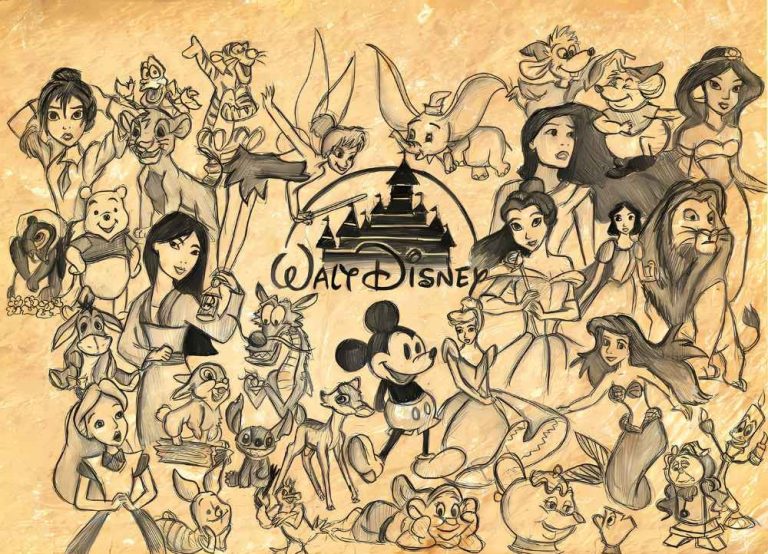
The Role of Music in Disney’s Animated Features: From ‘Snow White’ to ‘Wish’

0

Since the release of Snow White and the Seven Dwarfs in 1937, Disney’s animated features have been synonymous with unforgettable music that not only enhances storytelling but also leaves a lasting impact on audiences. With the recent release of Wish in 2024, Disney continues to demonstrate its evolving approach to music, reflecting shifts in musical styles, cultural influences, and audience expectations.

A Journey Through Disney’s Musical Evolution

Disney’s approach to music in its animated features has significantly evolved over the decades. In the early years, the music in films like Snow White and Cinderella was deeply rooted in the classical traditions of Hollywood’s Golden Age. These scores, characterized by sweeping orchestral melodies, were designed to evoke emotions, establish character identities, and drive the plot forward.

The 1990s marked a pivotal shift with the Disney Renaissance, starting with The Little Mermaid and Beauty and the Beast. These films introduced a Broadway-inspired approach to songwriting, where songs were more integrated into the storyline, advancing the plot and deepening character development. Collaborations with renowned songwriters like Alan Menken were crucial in defining Disney’s musical style during this era.

In recent years, Disney has continued to innovate, blending traditional musical elements with contemporary sounds. Films like Moana and Encanto incorporate diverse musical genres and cultural influences, reflecting a broader, more inclusive approach to storytelling. The recently released Wish exemplifies this evolution, blending classic Disney musical elements with modern pop influences, and has been widely praised for its ability to appeal to both nostalgic fans and new audiences.

Cultural Impact of Disney’s Music

Disney’s music has not only shaped its films but also profoundly influenced broader cultural trends. From the early days of Snow White, Disney songs have become cultural landmarks, often crossing over into mainstream music charts. Songs like “When You Wish Upon a Star” from Pinocchio and “Let It Go” from Frozen have become anthems that transcend their original films, resonating with generations of listeners.

Moreover, Disney’s ability to incorporate various cultural elements into its music has introduced global sounds to a wider audience. Films like The Lion King brought African rhythms into the mainstream, while Coco celebrated Mexican culture through its vibrant and authentic soundtrack. This blending of cultures in Disney’s music not only enriches the films but also fosters a deeper understanding and appreciation of different cultural traditions among global audiences. Wish continues this tradition, incorporating a diverse range of musical influences that reflect the global nature of Disney’s audience.

Financial Success and Industry Impact

Disney’s original music has not only been culturally impactful but also financially lucrative. The company has generated billions of dollars in revenue from its music alone, through album sales, streaming, and licensing deals. Iconic soundtracks like The Lion King, Frozen, and Beauty and the Beast have sold millions of copies worldwide. Songs like “Let It Go” have topped charts globally, further solidifying Disney’s dominance in the music industry.

Beyond revenue, Disney’s approach to music has provided significant opportunities within the music industry. Composers, lyricists, musicians, and vocal artists have all benefited from Disney’s emphasis on high-quality music production. The company’s commitment to working with top-tier talent has elevated the status of music in animation, turning songwriters like Alan Menken and Lin-Manuel Miranda into household names. Disney’s music has also been a gateway for new artists and musicians to gain exposure, contributing to the industry’s diversity and vibrancy.

Disney’s use of music has also elevated the meaning of the field, showcasing the power of music to enhance narrative and emotion in storytelling. The integration of music into animated features has set a standard in the industry, influencing how other studios approach music in film. This emphasis on music as a core element of storytelling has led to an increased appreciation for the art form, creating more jobs and opportunities for musicians across the globe.

Impact on Audiences

The impact of Disney’s musical approach on audiences is undeniable. For decades, Disney songs have resonated with viewers of all ages, becoming an integral part of many people’s childhoods and continuing to evoke nostalgia in adults. The emotional depth and memorable melodies of Disney music create strong connections with audiences, making these songs enduring favorites.

Disney’s strategy of weaving music into the fabric of its narratives ensures that these songs are not just background music; they are essential to the storytelling. This approach has led to some of the most iconic moments in animation history, from the romantic ballads in Beauty and the Beast to the empowering anthems in Frozen. The music in Wish has already made a significant impact, with its standout tracks quickly becoming favorites among audiences, demonstrating Disney’s continued relevance in the world of animated musicals.

Conclusion

At Music Industry Weekly, we recognize the unparalleled role that Disney’s music plays in shaping not just its animated features but also broader cultural and musical landscapes. From the classic scores of Snow White to the culturally diverse sounds of Wish, Disney continues to set the standard for how music can enhance storytelling. As we reflect on the release of Wish, it is clear that Disney’s musical legacy will continue to evolve, captivating audiences and leaving an indelible mark on the world of animation and beyond.

From Bedroom to Billboard: The Rise of DIY Music Production

0

The rise of DIY music production has transformed the music industry, enabling artists to create, produce, and distribute their music independently. With technological advancements, aspiring musicians can now turn their bedrooms into fully functional studios, producing chart-topping hits without ever stepping foot in a traditional recording studio. This article explores the technological innovations driving this trend, highlights success stories of DIY artists, and considers the future implications for the music industry.

Technological Advancements

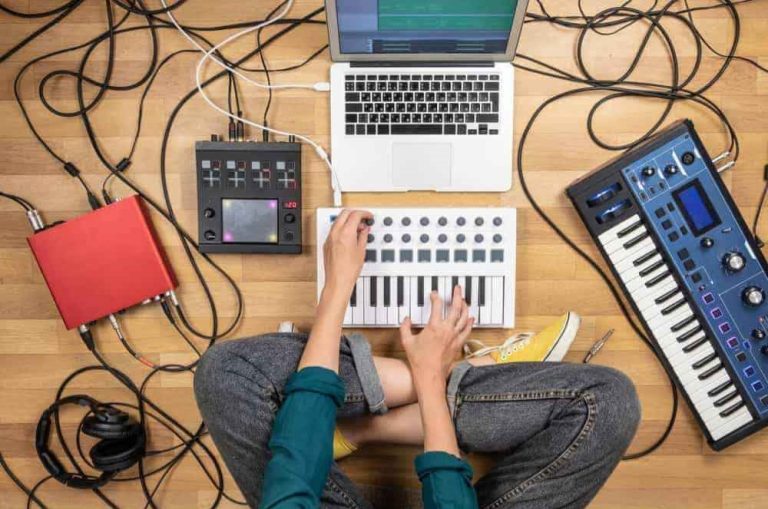
The democratization of music production began with the development of affordable, accessible technology. In the past, producing music required expensive equipment and access to a professional studio. Today, all you need is a laptop, a digital audio workstation (DAW) like Ableton Live or GarageBand, and some basic home studio equipment. This setup allows musicians to record, mix, and master their tracks with professional-quality sound, all from the comfort of their homes.

Additionally, the proliferation of online platforms such as SoundCloud and Bandcamp has made it easier for DIY artists to distribute their music globally. These platforms offer a direct line to listeners, enabling artists to bypass traditional gatekeepers like record labels and radio stations. The rise of Splice, which offers royalty-free samples and loops, has further democratized the music creation process, giving producers access to high-quality sounds without the need for expensive studio time. As Mike Caren, CEO of Artist Partner Group, noted, “The tools are there for anyone with the drive to create, making the barriers to entry lower than ever before.”

Success Stories

Several artists have successfully leveraged DIY music production to achieve mainstream success. Billie Eilish is perhaps the most notable example, having recorded her breakthrough single “Ocean Eyes” in a small bedroom studio with her brother, Finneas. “Recording at home allowed us to experiment freely,” Billie shared in an NPR interview. “We didn’t have to worry about studio costs or time limits.” Their DIY approach allowed them to maintain complete creative control, resulting in a debut album that became a global sensation.

Another DIY success story is Clairo, who gained widespread attention with her lo-fi hit “Pretty Girl.” Recorded in her bedroom using basic equipment, the song’s viral success on YouTube led to festival appearances and a record deal. Clairo reflected, “I never imagined recording something in my room would lead to all of this. It shows what’s possible when you have the tools and the drive.”

Artists like Tash Sultana and Russ have similarly built their careers from the ground up, relying on home studio setups and grassroots promotion strategies. Tash Sultana, who started busking in the streets of Melbourne, emphasized the importance of her DIY approach: “I recorded everything myself, layer by layer. It was hard work, but it allowed me to shape my sound exactly how I wanted it.”

A more recent example is Beabadoobee, who gained initial fame with her DIY recordings shared on platforms like SoundCloud. Her debut EP, recorded in her bedroom, led to a record deal and a rapidly growing fanbase. “I didn’t expect my music to reach so many people, especially when I was just recording in my room,” Beabadoobee mentioned in an interview with NME. “But that’s the beauty of DIY—you never know where it might lead.”

Future Implications

The rise of DIY music production is likely to have lasting implications for the music industry. As technology continues to advance, the barriers to entry for music production will only decrease, allowing more artists to create high-quality music from home. This trend could lead to a more diverse and inclusive music landscape, where artists from all backgrounds have the opportunity to succeed on their terms.

Moreover, the success of DIY artists challenges the traditional role of record labels, forcing the industry to adapt to a new reality where artists can achieve success independently. As Mike Caren pointed out, “Labels will need to rethink their role in an era where artists can do so much on their own. The future will likely see a more collaborative relationship, where labels support rather than dictate.” While DIY production presents its challenges—such as market saturation and the need for self-promotion—it also offers unprecedented creative freedom and career autonomy.

Conclusion

At Music Industry Weekly, we recognize that the DIY music production movement is more than just a trend—it’s a fundamental shift in how music is created and consumed. By embracing technology and the DIY ethos, artists are not only breaking down barriers but also redefining success in the music industry. As the tools for music production continue to evolve, the future of DIY music looks bright, promising a more vibrant and diverse musical landscape.

The Impact of Independent Labels on Artist Development

0

Independent labels have emerged as a pivotal force in the music industry during the 2020s, offering a platform for diverse voices and nurturing new talent that major labels often overlook. These labels give artists greater creative freedom and play a crucial role in shaping the musical landscape by championing innovative sounds and underrepresented genres.

Role of Independent Labels

Independent labels stand out through their artist-centric approach, offering flexibility and creative control often absent in major label contracts. Labels like Sub Pop, XL Recordings, and Rough Trade have become synonymous with identifying and nurturing groundbreaking talent. These labels take risks on unconventional artists, allowing them to explore unique sounds without the pressure of conforming to mainstream trends. This environment attracts a wide range of artists, from emerging talents to established acts seeking a more personal and artist-friendly production process.

Case Studies: Success Stories

Several artists have found significant success under the wings of independent labels, which have helped them build sustainable careers while maintaining artistic integrity.

  • Phoebe Bridgers: Emerging from the indie label Dead Oceans, Phoebe Bridgers has garnered critical acclaim with her introspective lyrics and haunting melodies. Her album Punisher became a breakthrough success, earning multiple Grammy nominations. Bridgers has often praised her label for allowing her the creative freedom to fully express her artistic vision, stating in an interview, “Working with Dead Oceans feels like a true partnership; they let me be me.”
  • Tame Impala: Initially signed to the Australian independent label Modular Recordings, Tame Impala (the project of Kevin Parker) has achieved global success with a unique blend of psychedelic rock and electronic music. The album Currents not only topped charts but also expanded the boundaries of what independent music can achieve. Parker has credited his indie label with giving him the space to experiment, saying, “Without the constraints of a major label, I could delve into the sounds I wanted to create.”
  • Sub Pop Records: Known for launching the grunge movement with bands like Nirvana, Sub Pop continues to lead in the indie scene, fostering new talent and bringing innovative music to the forefront. Recent acts like Beach House and Fleet Foxes have found success under the Sub Pop banner, showcasing the label’s ongoing influence. Jonathan Poneman, co-founder of Sub Pop, reflects on the label’s philosophy: “We’ve always believed in giving artists the freedom to take risks. That’s where the magic happens.”

Challenges and Opportunities

While independent labels offer numerous benefits, they also face significant challenges, particularly in terms of financial resources. Unlike major labels, indie labels often operate on tight budgets, limiting their ability to invest in large-scale marketing and distribution. This financial constraint makes it crucial for indie labels to innovate, often relying on grassroots marketing and digital platforms to reach audiences.

However, the rise of streaming services and social media has leveled the playing field to some extent, allowing independent labels to reach global audiences without massive promotional budgets. Platforms like Spotify, Bandcamp, and SoundCloud provide opportunities for indie artists to connect directly with fans, build loyal followings, and generate revenue through digital sales and streaming. Social media also enables indie labels to create buzz around their artists through targeted campaigns, often with a fraction of the resources required by major labels.

Conclusion

At Music Industry Weekly, we recognize the pivotal role independent labels play in the modern music industry. By offering a nurturing environment for new talent and challenging the traditional dynamics of the music business, indie labels continue to shape the future of music. Despite the challenges they face, the opportunities for creative freedom and artist development that these labels provide are invaluable, ensuring that diverse and innovative music continues to thrive.

The Evolution of Album Artwork: From Vinyl Covers to Digital Visuals

0

Album artwork has always been a crucial part of music, offering a visual representation that enhances the listening experience. From iconic vinyl covers to today’s dynamic digital visuals, the evolution of album artwork reflects changes in technology, culture, and the music industry.

Historical Perspective: The Golden Age of Vinyl

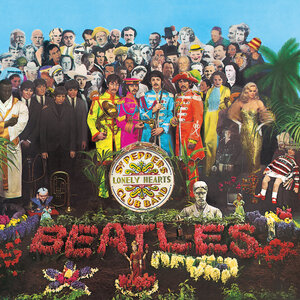
During the golden age of vinyl, album covers were more than just packaging—they were a vital part of the music experience. Iconic covers like The Beatles’ “Sgt. Pepper’s Lonely Hearts Club Band” and Pink Floyd’s “The Dark Side of the Moon” became cultural landmarks, often recognized as much as the music itself. These covers made a strong visual impact that complemented the audio, creating a holistic experience for the listener.

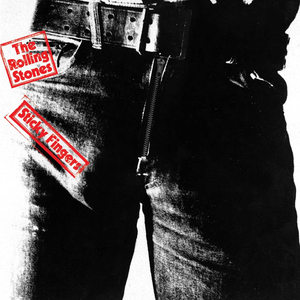
The large format of vinyl records allowed for detailed and intricate artwork. For example, The Rolling Stones’ “Sticky Fingers”, designed by Andy Warhol, featured a working zipper on the album cover—a perfect blend of art and physical media. The physicality of vinyl meant that album covers needed to stand out on record store shelves, driving creativity. Artists like Roger Dean, known for his work with Yes, created elaborate fantasy landscapes that became synonymous with the bands they represented.

Album covers from this era not only served as a marketing tool but also as a form of artistic expression. The artwork often reflected the themes and emotions of the music within, creating a deeper connection between the artist and the listener. This period solidified the importance of album art in the music industry, setting the standard for future generations.

The Shift to CDs and Cassettes

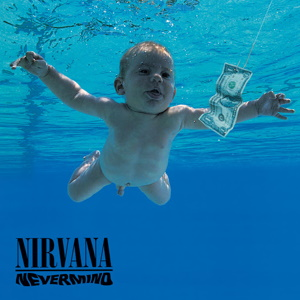
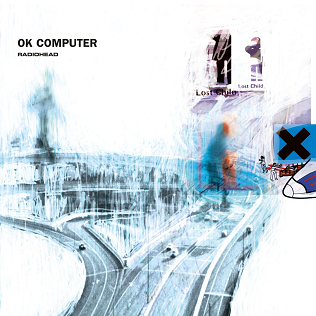
The shift from vinyl to CDs and cassettes in the 1980s and 1990s marked a significant change in album artwork. The smaller format of CDs, with their jewel cases, limited the available canvas for visual expression. Despite this, covers like Nirvana’s “Nevermind”, with its striking image of a baby swimming towards a dollar bill, and Radiohead’s “OK Computer”, featuring cryptic and abstract visuals, still captured the essence of the music and resonated deeply with listeners.

Designers continued to innovate within the smaller canvas, utilizing the CD insert booklet to its fullest potential. Artists like Hipgnosis, who had previously dominated vinyl artwork with elaborate designs, adapted to the CD format by creating multi-panel inserts that offered a narrative or deeper insight into the album’s themes. The compact disc’s portability also changed how album art was consumed, as it needed to be legible on a smaller scale, whether viewed in a CD player, a car dashboard, or a portable Walkman.

Cassettes, with their even smaller J-cards, presented a unique challenge. However, they also provided a new medium for creativity. The mixtape culture of the 1980s and 1990s turned cassette cover design into a personal art form, with homemade covers reflecting the individual tastes and emotions of the creator. This era also saw the rise of DIY culture in music, where independent artists used cassette tapes as a cost-effective way to distribute their music, often featuring hand-drawn or photocopied artwork that added a personal touch.

The Digital Revolution: A New Canvas

The digital revolution brought another significant change to album artwork. As music consumption shifted from physical to digital formats, the role of album art evolved. On streaming services like Spotify and Apple Music, album covers are often seen as thumbnails, reducing the space available for visual expression. Despite this, album art remains essential to the music experience.

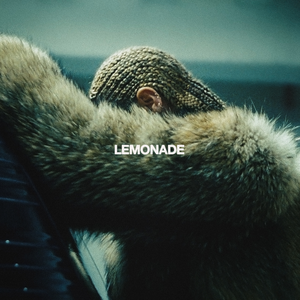
Digital platforms have opened new possibilities for the album artwork. Artists can create dynamic and interactive visuals that change based on user interaction or integrate with social media. Beyoncé’s “Lemonade” is a prime example, where video elements and digital artwork enhanced the storytelling. The rise of digital media has also led to a resurgence in single artwork, with artists releasing unique visuals for each track to keep up with the fast-paced digital landscape.

Moreover, the digital era has allowed for greater accessibility and global reach. Artists from different parts of the world can now share their work with a global audience, often without the need for a physical medium. This democratization of music and art has led to a more diverse and inclusive music industry, where independent artists can thrive alongside major labels.

Modern Trends: Interactive and Multimedia Designs

Today, album artwork is more innovative than ever. Modern trends include interactive and multimedia designs that engage listeners in new ways. For instance, Childish Gambino used augmented reality (AR) album covers for “Awaken, My Love!”, allowing fans to interact with the artwork through their smartphones. This blend of technology and art creates an immersive experience that goes beyond the music itself.

Artists are also experimenting with virtual reality (VR) and other digital formats to create new ways of experiencing album art. These innovations not only enhance the listener’s experience but also provide artists with new ways to express creativity and connect with their audience. For example, Travis Scott’s collaboration with Epic Games for a virtual concert in Fortnite showcased how music, art, and gaming can intersect to create a new form of entertainment.

In addition to AR and VR, some artists are exploring the possibilities of blockchain technology and non-fungible tokens (NFTs) for album artwork. NFTs allow artists to create unique, collectible pieces of digital art that can be bought, sold, and traded on the blockchain. This new frontier in album art is still in its early stages but has the potential to revolutionize how we think about ownership and value in the digital age.

Conclusion

At Music Industry Weekly, we see album artwork as more than just a visual complement to music; it is an evolving form of artistic expression that reflects broader trends in technology and culture. From the detailed vinyl covers of the past to today’s interactive digital designs, album art continues to play a vital role in the music industry, helping artists create a lasting visual identity that resonates with listeners across generations.

The Best Small Music Venues in Major Cities for Launching Careers

0

In the dynamic world of live music, small venues are crucial for shaping the careers of emerging artists. These intimate spaces offer artists a platform to hone their performance skills and serve as launchpads into the mainstream. Here’s a curated list of the most relevant industry-leading small venues across major cities that are vital for launching careers.

London

The Windmill Brixton: The Windmill remains one of the most important venues for emerging artists in London. Known for its raw, authentic atmosphere, the venue continues to breed indie talent. Recent performers like Black Midi and Wet Leg have used this venue to elevate their careers. It’s an essential stop for new artists.

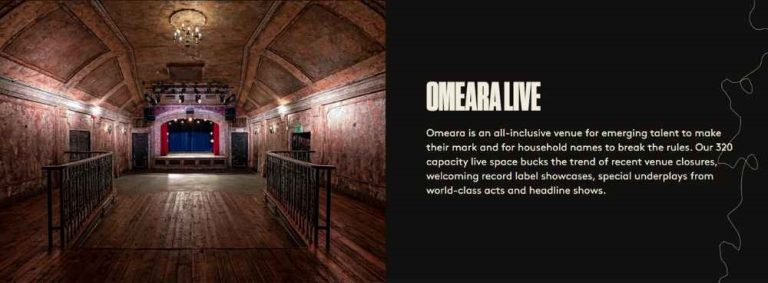
Omeara: Rising quickly since its opening, Omeara offers a professionally managed space that has hosted early performances by artists like Dua Lipa. With strong industry connections and state-of-the-art facilities, Omeara is a key venue for artists aiming to break into the UK music scene.

New York City

Baby’s All Right: Located in Williamsburg, Baby’s All Right is a cornerstone of the Brooklyn indie music scene. This venue is a go-to spot for emerging artists. Acts like Japanese Breakfast and Soccer Mommy have performed here, using the venue to gain wider recognition.

Elsewhere: This Bushwick venue is known for its diverse programming, covering a wide array of genres that attract both up-and-coming and established artists. Elsewhere’s focus on innovative new talent, such as Snail Mail, makes it essential for any artist looking to build a fanbase in New York.

Los Angeles

The Echo: The Echo is a cornerstone of LA’s indie music scene. It has been instrumental in the early careers of artists like Phoebe Bridgers and Billie Eilish. The venue provides a space for artists to connect with local audiences before moving on to larger stages.

Gold-Diggers: Quickly becoming one of LA’s most talked-about small venues, Gold-Diggers offers an intimate setting with high industry visibility. Recent performances by artists like Arlo Parks have cemented its status as a prime venue for those looking to make a significant early impact.

Chicago

Lincoln Hall: As a sister venue to Schubas Tavern, Lincoln Hall offers a slightly larger but still intimate space perfect for emerging artists. It has hosted early performances by artists like Courtney Barnett. It remains a crucial venue for artists looking to gain a foothold in Chicago’s vibrant music scene.

Sleeping Village: Located in the Avondale neighborhood, Sleeping Village is a key venue for both local and touring indie acts. With a reputation for hosting innovative artists like Japanese Breakfast, it’s one of the most relevant venues for artists aiming to establish themselves in the Midwest.

Berlin

Berghain Kantine: Associated with the legendary Berghain nightclub, Berghain Kantine is a smaller, more intimate venue that has hosted performances by artists like Alice Phoebe Lou. It’s a must-visit for any emerging artist looking to tap into Berlin’s cutting-edge music scene.

Klunkerkranich: Located atop a parking garage in Neukölln, Klunkerkranich offers a unique performance space with stunning city views. The venue hosts a wide range of musical acts, from indie to electronic, making it a key spot for artists building their careers in Berlin.

Sydney

Oxford Art Factory: This venue is one of Sydney’s most important spaces for emerging artists. It combines live music with visual art and has hosted early performances by acts like Flume, making it essential for artists looking to break into the Australian music scene.

The Lansdowne: Recently revived, The Lansdowne is a vital venue for new artists in Sydney. Bands like Middle Kids have performed here, using the intimate setting to refine their live performances before moving on to larger tours.

Tokyo

Shimokitazawa SHELTER: This venue is a staple in Tokyo’s indie music scene. Known for its underground vibe, it has hosted performances by acts like Tricot, making it essential for artists looking to build a following in Japan.

Koenji HIGH: Koenji HIGH continues to influence Tokyo’s eclectic music scene. It provides a platform for artists like Toe, offering an intimate space for emerging artists to connect with their audience.

Beijing

Temple Bar: Located in the heart of Beijing. Temple Bar is known for its vibrant atmosphere and support for the local music scene. It has hosted performances by bands like Carsick Cars, making it essential for artists looking to break into Beijing’s underground music scene.

School Live Bar: Another key venue in Beijing, School Live Bar is synonymous with the city’s punk and indie scenes. It’s an important stop for any emerging artist looking to build a reputation in China’s capital.

Singapore

Esplanade – The Annexe Studio: The Esplanade’s Annexe Studio provides a smaller, more intimate setting within the larger Esplanade complex, making it a key venue for emerging artists in Singapore. Acts like Gentle Bones have used this space to connect with their audience on a deeper level.

The Substation: Known as Singapore’s first independent contemporary arts center. The Substation has long been a hub for experimental and indie music. It remains a crucial venue for local artists looking to establish themselves in Singapore’s competitive music scene.

Bangkok

Speakerbox: Located in the heart of Bangkok, Speakerbox is key to the city’s indie rock and alternative music scenes. It’s known for hosting both local and international emerging artists, offering them a platform to reach wider audiences. The venue’s diverse lineup and intimate setting make it crucial for artists looking to make an impact in Bangkok’s music scene.

Play Yard by Studio Bar: Known for its retro vibe and eclectic lineup. Play Yard by Studio Bar is one of Bangkok’s most beloved small venues for live music. The venue features a mix of Thai and international acts, offering genres from acoustic to rock and funk. Its focus on high-quality live performances makes it vital for artists aiming to build their careers in Thailand.

Conclusion

At Music Industry Weekly, we recognize that small venues are the unsung heroes of the music industry. These spaces are where careers are launched, and artists connect with audiences on a personal level. From the gritty stages of The Windmill Brixton to the vibrant scene at Tokyo’s Shimokitazawa SHELTER, these venues continue to shape the future of music by nurturing the next generation of talent. As the music industry evolves, these venues remain at the forefront, offering the perfect stage for emerging artists to shine.

The Logic Behind Ambient Music

0

Ambient music, characterized by its atmospheric soundscapes and subtle melodies, has become an influential tool in shaping mood and behavior across various environments. From retail spaces to therapeutic settings, the strategic use of ambient music is supported by scientific research, demonstrating its capacity to create specific emotional responses. This article explores the scientific foundations of ambient music, its practical applications, and the pioneering artists who have defined the genre.

Scientific Basis

Ambient music influences mood and behavior by engaging the brain’s emotional centers, particularly through the modulation of neurotransmitters like dopamine. Research shows that when individuals listen to music they find pleasurable, such as ambient tracks, there is a significant increase in dopamine levels. This enhances feelings of relaxation and well-being. This is why ambient music, with its slow tempos and repetitive structures, is particularly effective in reducing stress and promoting relaxation. This makes it a valuable tool in environments where calmness and focus are desired, such as in therapy sessions or retail settings, where it helps create a conducive atmosphere for customers.

Applications

Ambient music is employed across various settings to influence behavior and mood:

  • Retail Environments: Retailers use ambient music to craft a specific atmosphere that encourages longer shopping times and increased purchases. For example, playing slower, calming music in a high-end store can enhance the perception of luxury. Studies have shown that ambient music can subtly influence consumer behavior. It can increase the likelihood of purchases by creating a more relaxed and pleasant shopping experience.
  • Therapy and Mental Health: In therapeutic contexts, ambient music is often utilized to alleviate anxiety and foster relaxation. Music therapy incorporates ambient sounds to help patients manage stress, improve mental health, and facilitate cognitive recovery. The gentle, non-intrusive qualities of ambient music make it ideal for creating a peaceful environment that supports emotional healing.
  • Personal Relaxation: Many individuals use ambient music for personal relaxation, enhancing focus, meditation, or unwinding after a stressful day. The music’s ability to create a serene atmosphere helps listeners maintain concentration during work or study sessions. Tracks designed specifically for meditation often incorporate natural sounds like rain or ocean waves. These have been proven to further enhance the calming effects of the music.

Artists and Innovations

The ambient music genre has been shaped by several pioneering artists and innovative techniques:

  • Brian Eno, often credited as the godfather of ambient music, introduced the concept of “music as atmosphere” with his groundbreaking album Music for Airports. Eno’s approach emphasized creating aural environments that could transform the listener’s perception of space and time, laying the foundation for what ambient music would become.
  • Moby has also made significant contributions with his album Long Ambients 1: Calm. Sleep, which integrates long, continuous tracks designed to aid sleep and relaxation. His work exemplifies the therapeutic potential of ambient music, demonstrating its utility in both personal and clinical settings.
  • Neuroarchitecture, the integration of ambient music in designed spaces, is another area of innovation. This interdisciplinary approach considers how soundscapes, including ambient music, can influence the cognitive and emotional responses of individuals within specific environments, such as hospitals or workspaces, further demonstrating the genre’s versatility and impact.

Conclusion

At Music Industry Weekly, we recognize the profound impact that ambient music has on influencing mood and behavior. As both a scientific tool and an artistic expression, ambient music continues to shape how we interact with our environments. It offers relaxation, enhances consumer experiences, and supports therapeutic practices. As research and innovation in this field advance, the applications of ambient music are likely to expand. This will make it an even more integral part of our daily lives.

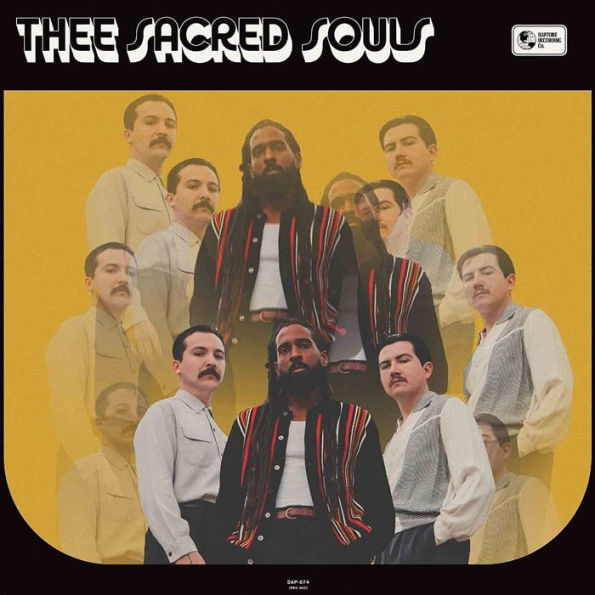
Thee Sacred Souls: A Modern Take on Soul Revival

Thee Sacred Souls, a trio from San Diego, are leading a modern soul revival. They draw deeply from the traditions of classic soul music, adding their contemporary twist. Their music connects with today’s audiences while honoring the enduring power of soul.

Reviving Soul

Thee Sacred Souls have crafted a sound rooted in the golden era of soul, influenced by legends like Marvin Gaye, Otis Redding, and Al Green. Their music features warm, analog recordings, smooth vocal harmonies, and heartfelt lyrics about love, loss, and personal growth. They blend these classic elements with modern production techniques and contemporary themes.

Their self-titled debut album, released in 2022 under Daptone Records, marked their rise in the modern soul scene. Tracks like “Can I Call You Rose?” and “Weak for Your Love” captured the essence of 1960s and 70s soul while staying fresh and relevant to today’s listeners. They have hinted at future projects that will continue to explore their signature blend of classic and contemporary influences, though specifics remain unconfirmed.

Cultural Impact

Thee Sacred Souls are at the forefront of a soul revival movement that has gained significant momentum in recent years. This resurgence speaks to a collective yearning for authenticity and emotional depth in music. In a time where digital production and synthetic sounds dominate, Thee Sacred Souls’ commitment to analog warmth and organic instrumentation offers a refreshing alternative.

Their music connects with listeners who value emotional sincerity and the raw expressiveness of classic soul. This connection extends beyond music, reflecting a desire to preserve cultural heritage. Thee Sacred Souls recontextualize the sounds of the past for the present, resonating with contemporary social and cultural dynamics. Their music, rooted in African American history and struggle, underscores the enduring relevance of soul in today’s world.

Their emphasis on analog sound also reflects a broader trend among artists resisting hyper-digitization. By focusing on the tactile, warm qualities of vinyl and tape recordings, Thee Sacred Souls is part of a movement that values authenticity and craftsmanship in an increasingly digital world.

Future Prospects

Thee Sacred Souls are poised to play a crucial role in the future of soul music. They honor the past while pushing the genre forward, ensuring their music continues to captivate audiences.

Though their next project has yet to be announced, anticipation is high. Their upcoming tour is expected to feature new material alongside their classic hits, expanding their reach globally. As they grow and evolve, Thee Sacred Souls will likely inspire a new generation of soul musicians, helping the genre not just survive, but thrive in the modern era.

Conclusion

At Music Industry Weekly, we celebrate artists like Thee Sacred Souls who preserve and revitalize the legacy of soul music. Their music, steeped in tradition yet unafraid to innovate, highlights soul’s enduring power. As Thee Sacred Souls continue to evolve and influence the music landscape, they are set to leave a lasting mark on the future of soul, ensuring its legacy endures for generations.

Jelly Roll: The Unlikely Star Blending Country and Hip-Hop

Jelly Roll: The Unlikely Star Blending Country and Hip-Hop

Jelly Roll, born Jason DeFord, has emerged as a compelling figure in the music industry by defying traditional genre boundaries. By seamlessly blending the storytelling of country music with the gritty realism of hip-hop, he has created a unique sound that resonates with a wide range of audiences. This genre fusion has not only garnered him a dedicated following but has also positioned him as a trailblazer in contemporary music.

A Journey from Struggles to Stardom

Jelly Roll’s rise to fame is a story of resilience and authenticity. Growing up in Nashville’s rough neighborhoods, he faced numerous challenges, including incarceration and addiction, which have deeply influenced his music. His 2020 album, Self Medicated, became his breakthrough, showcasing his ability to merge the heartfelt narratives of country with the rhythm and beats of hip-hop. Tracks like “Save Me” and “Creature” epitomize this blend, offering listeners a raw, unfiltered look into his life.

Explore More: Jelly Roll on Spotify

Blending Genres, Breaking Barriers

Jelly Roll’s versatility as an artist is evident in his music’s crossover appeal. Collaborations with artists such as Lil Wyte, Struggle Jennings, and Brantley Gilbert further highlight his ability to bridge the gap between genres, bringing together fans of both country and hip-hop.

Gaining a Loyal Following

Jelly Roll has cultivated a dedicated fanbase through relentless touring and a strong social media presence. His live performances are known for their emotional intensity, leaving a lasting impact on audiences. Platforms like TikTok and YouTube have played a crucial role in his rise, allowing him to share his music and personal journey directly with fans.

Explore More: Jelly Roll Official Website

Defying Expectations, Setting Trends

Jelly Roll’s success challenges the conventional wisdom that music must fit into neatly defined categories. His work is a testament to the fluidity of modern music genres and the growing demand for authenticity. As he continues to evolve, Jelly Roll is likely to push further boundaries, setting new trends in the industry.

Conclusion

At Music Industry Weekly, we celebrate artists like Jelly Roll, who are redefining the music landscape. His innovative blend of country and hip-hop is not just a novelty; it’s a movement that reflects the changing tastes of modern listeners. Jelly Roll’s ability to transcend genre boundaries makes him a star to watch in the coming years.

Tyla: The South African Star Bringing Amapiano to the World

They never had a pretty girl from Jo’burg
See me now and that’s what they prefer

Tyla on “Jump

In the global music landscape, genres often transcend their geographical origins to captivate audiences worldwide. Tyla, a rising star from South Africa, is at the forefront of this movement, popularizing Amapiano—a genre deeply rooted in South African culture—and introducing it to the world stage. With her unique sound, infectious energy, and undeniable talent, Tyla is not just making waves; she’s creating a tidal shift in the global music industry.

Amapiano: From South Africa to the World

Amapiano, a subgenre of house music that originated in South Africa, is characterized by its soothing piano melodies, percussive basslines, and jazzy influences. The genre began in the townships of Johannesburg and has quickly spread across Africa. Artists like Tyla are now taking Amapiano beyond the continent’s borders. Her music blends the rhythmic elements of Amapiano with pop sensibilities, making it accessible to a global audience while maintaining its authentic South African flavor.

Tyla’s recent success at the 2024 Grammy Awards, where she won the inaugural Best African Music Performance award for her hit single “Water,” is a testament to her impact. The track, which gained massive popularity on platforms like TikTok, showcases Amapiano’s potential to resonate with a global audience​ (BizNews.com)​ (Africa.com – Stay Smart About Africa).

Tyla’s Rise to Stardom

Tyla’s journey began with the release of her breakout single “Getting Late” in 2021. The song quickly gained traction on social media, particularly on TikTok, where its catchy Amapiano beat combined with Tyla’s smooth vocals captivated listeners worldwide. This success opened doors for Tyla to collaborate with international artists, further solidifying her presence on the global music scene.

Her ability to infuse Amapiano with mainstream appeal has made her a trailblazer in the genre. Songs like “To Last”, and “Been Thinking” showcase her versatility, blending Amapiano with elements of R&B and Afrobeat, thereby creating a sound that resonates with diverse audiences. Tyla’s music not only entertains but also serves as a cultural bridge, bringing South African sounds to the forefront of the global music industry​ (Africa.com – Stay Smart About Africa).

Bridging Cultures Through Music

Tyla’s influence extends beyond her music. She has become a cultural ambassador for South Africa, introducing the world to the rich musical traditions of her homeland. Her performances are a celebration of South African culture, often incorporating traditional dance moves and fashion. This connection to her roots appeals to a global audience while keeping her grounded in her heritage.

Her work is a testament to the power of music as a bridge between cultures. As Amapiano continues to gain global recognition, Tyla remains at the forefront. She is leading the charge with her innovative approach and unwavering commitment to her craft. She stands alongside other major names in the genre, such as Kabza De Small, and Uncle Waffles, who are also enjoying international success​ (BizNews.com).

Conclusion

At Music Industry Weekly, we celebrate artists like Tyla. She is not just creating music but also shaping the future of global sounds. Tyla’s role in bringing Amapiano to the world stage is a significant milestone in the genre’s evolution. She continues to push boundaries and introduce new audiences to Amapiano. Her impact on the music industry will undoubtedly grow. This makes her a pivotal figure in the future of global music.