Dua Lipa’s Nostalgia-Driven Rhythms: How Retro Sounds Fuel Her Chart-Topping Success

0

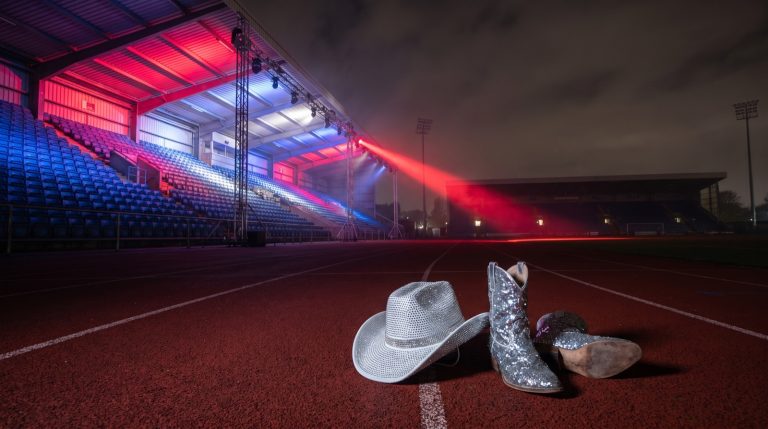
Dua Lipa has solidified her position as one of the top pop artists of recent years, with chart-topping hits that seamlessly blend modern production and nostalgic rhythms from past decades. By drawing inspiration from the sounds of the ’70s, ’80s, and ’90s, she taps into listeners’ emotions, creating a sense of familiarity that resonates with a broad audience. This article delves into how Dua Lipa’s use of nostalgia-driven rhythms contributes to her widespread appeal and helps her dominate the pop music landscape.

The Power of Nostalgic Rhythms in Modern Pop

Nostalgia is a powerful emotional trigger, especially in music. For listeners, hearing sounds that evoke memories of past decades fosters a sense of comfort, escapism, and connection. In today’s pop music, nostalgic rhythms are being widely used to bridge the gap between past and present, and Dua Lipa is a master at this technique.

Her 2020 album Future Nostalgia is a perfect example of how she combines retro dance elements with cutting-edge production. The album takes cues from ’70s funk, ’80s electro-pop, and ’90s dance tracks, creating a sound that is both familiar and fresh. From the disco beats of “Don’t Start Now” to the synth-heavy lines of “Levitating,” Lipa’s ability to evoke the past while staying relevant to contemporary listeners is key to her chart-topping success.

Rhythmic Choices and Emotional Resonance

One of Dua Lipa’s strengths lies in her use of rhythms that mirror the danceable grooves of past decades, particularly from the ’70s and ’80s disco era. Songs like “Don’t Start Now” and “Levitating” feature the syncopated basslines and four-on-the-floor beats that are reminiscent of classic dance music, creating an irresistible pull for listeners.

  • Don’t Start Now” features an upbeat rhythm similar to iconic disco tracks. The syncopated bassline and infectious groove tap into the feel-good energy of the ’70s, making the song a modern anthem for the dance floor.
  • Levitating” brings in glittering synths and a rhythmic bounce reminiscent of ’80s electro-pop. By incorporating retro elements into these tracks, Lipa manages to create songs that feel familiar while maintaining a fresh, innovative sound.

These rhythmic choices not only make her songs danceable but also evoke a sense of nostalgia, connecting listeners to the eras that influenced her music.

The Cultural Appeal of Nostalgia in Music

Nostalgia is not just a personal experience; it’s a cultural phenomenon. In times of uncertainty—whether due to political unrest, a global pandemic, or personal challenges—listeners often seek comfort in familiar sounds. Dua Lipa’s nostalgic rhythms offer a musical escape to a more carefree past, when disco dominated dance floors and pop music had a distinct synth-driven edge.

As music industry expert [Name] explains, “Nostalgia in music allows listeners to tap into a time that feels simpler and more joyful. Dua Lipa’s retro-inspired sounds offer an emotional refuge, making her songs resonate with both older generations who lived through those eras and younger listeners discovering them for the first time.”

Her music reflects the broader cultural longing for connection and unity, especially in challenging times. Songs like “Don’t Start Now” and “Levitating” speak to this collective desire for escapism, blending the joy and vibrancy of the disco era with the polished production of today’s pop scene.

Nostalgia as a Key to Chart Success

Dua Lipa’s success can be largely attributed to her skillful use of nostalgic rhythms, which have resonated with a wide demographic of listeners. Fans of all ages are drawn to the familiar sounds of her music, making it more likely to be streamed, shared, and playlisted on platforms like Spotify and Apple Music.

In addition to her artistic choices, streaming algorithms favor songs with familiar chord progressions and beats. This familiarity increases engagement rates, making songs more likely to be promoted by algorithms and played repeatedly by listeners. Dua Lipa’s retro-driven production taps into these algorithms, further cementing her tracks on the charts.

Her ability to align with the broader trend of retro revival in pop music, seen in artists like The Weeknd and Bruno Mars, keeps her music relevant in an ever-evolving industry. By capitalizing on the resurgence of disco and ’80s pop, Lipa has managed to carve out a distinct space for herself, standing at the forefront of modern pop with her unique blend of nostalgia and innovation.

Expert Insights on Dua Lipa’s Nostalgia-Driven Rhythm’s Appeal

According to [Music Industry Analyst Name], “Dua Lipa has managed to master the art of combining nostalgia with modern production techniques. Her music evokes memories of past decades while feeling completely fresh and relevant to today’s audience.”

Fans agree, with many pointing out that Lipa’s music connects them to multiple generations of pop. As one listener puts it, “It feels like a mix of what my parents listened to and the pop music I love today. There’s something about it that’s both comforting and exciting.”

The Future of Nostalgic Rhythms in Pop Music

As nostalgia continues to play a central role in contemporary pop music, Dua Lipa’s approach will likely serve as a blueprint for future artists. The key to her success lies in striking the perfect balance between familiar rhythms and innovative production, ensuring that her music appeals to a broad audience while remaining fresh and forward-thinking.

Lipa’s ability to evoke the past while maintaining a modern edge ensures her continued relevance in the pop world. As she looks to the future, nostalgic rhythms will likely remain a key element of her sound, keeping her at the top of the charts and inspiring a new wave of artists.

Conclusion: Nostalgia as the Key to Dua Lipa’s Success

Music Industry Weekly acknowledges that Dua Lipa’s use of nostalgic rhythms has been instrumental in her rise to the top of the charts, offering listeners a blend of familiar sounds and modern production that evokes deep emotional responses. By drawing from the musical traditions of the ’70s, ’80s, and ’90s, she taps into a rich cultural memory, providing her audience with both comfort and excitement. As pop music continues to evolve, her mastery of nostalgia-driven rhythms will likely remain a defining element of her enduring appeal, shaping the future of pop music.

Response Songs in Music History: Emotional Impact, Ethical Considerations, and Artistic Dialogue

0

1. Notable Response Songs and Their Chart Success

  • No Pigeons by Sporty Thievz (Response to TLC’s No Scrubs)
    • After No Scrubs became a feminist anthem in the late ’90s, No Pigeons responded from a male perspective. While No Scrubs topped the charts and won multiple Grammy Awards, No Pigeons reached number 12 on the Billboard Hot 100, highlighting the power of response tracks to spark cultural debates between artists and fans alike.
    • Emotional Impact: TLC’s song set the stage for self-respect and rejecting unhealthy relationships, while Sporty Thievz provided a satirical male rebuttal. The back-and-forth between these two tracks became a snapshot of late ’90s gender dynamics.
  • Live Forever by Oasis (Response to Nirvana’s I Hate Myself and Want to Die)
    • In response to Kurt Cobain’s dark introspection, Noel Gallagher wrote Live Forever as a celebration of resilience and optimism. Released in 1994, it became a top 10 hit in the UK, symbolizing the dichotomy between nihilism in grunge music and the Britpop optimism of Oasis.
    • Emotional Impact: The emotional clash between these two songs—despair versus a zest for life—reflected broader musical and cultural movements during the ’90s.
  • Sweet Home Alabama by Lynyrd Skynyrd (Response to Neil Young’s Southern Man)
    • Skynyrd’s Southern rock anthem was a direct response to Neil Young’s critique of the South. The song not only charted successfully but became an enduring cultural staple, sparking discussions about regional identity and racial politics.
    • Emotional Impact: By responding to Young’s sharp critique, Lynyrd Skynyrd created a song that became emblematic of Southern pride, solidifying its place in rock history.

2. Emotional Motivation: The Drive Behind Response Songs

The emotional intensity behind these songs plays a crucial role in their lasting appeal. Artists often write response songs as a way to process personal struggles, confront societal expectations, or shift the narrative around a shared experience.

  • Miley Cyrus’ Flowers: Written in response to the regret expressed in Bruno Mars’ When I Was Your Man, Flowers flips the narrative, focusing on self-love and empowerment rather than longing and remorse.
  • Oasis’ Live Forever: Noel Gallagher’s motivation was clear—he wanted to contrast Cobain’s darker message with one of hope and vitality, making a statement about perseverance in the face of despair.

3. Ethical and Intellectual Property Considerations

When creating response songs, artists must navigate the fine line between creative homage and potential intellectual property issues. While most response songs engage with the emotional themes of the original, they do not directly copy lyrics or melody, adhering to the principle of fair use.

  • Fair Use and Legal Concerns: Artists like Miley Cyrus and Oasis managed to maintain their creative freedom while building on the thematic framework laid out by Bruno Mars and Kurt Cobain, respectively. Ethically, these artists respected the integrity of the original works by contributing their unique perspectives, rather than engaging in direct plagiarism.

4. Technicalities to Consider in Response Songs

In releasing response songs, artists need to consider several technical aspects:

  • Licensing and Attribution: If a response song heavily incorporates parts of the original work, artists must ensure proper licensing. However, in most cases—such as Flowers—the response song creates a new narrative that builds on the theme rather than mimicking the composition.
  • Cultural Reception and Context: Timing plays a pivotal role. A well-timed response, such as Miley’s release of Flowers amid public discussions of her past relationships, can amplify the song’s impact and resonate more deeply with audiences.

Conclusion: Celebrating Artistic Inspiration and Dialogue

At Music Industry Weekly, we applaud the ability of artists to engage in creative dialogues through response songs. These tracks not only highlight the interconnectedness of the music world but also allow artists to explore new emotional landscapes and reinterpret familiar narratives. In doing so, they foster a cultural exchange that continues to push the boundaries of artistic expression. As we see in the examples of Flowers, Live Forever, and Sweet Home Alabama, the conversation between artists transcends individual songs, creating a lasting legacy. These musical dialogues encourage listeners to engage with both sides of the narrative, fostering a deeper understanding of the emotional and cultural forces at play in each track.

Desert Daze 2024 Cancelled Due to ‘Rising Production Costs’: A Look at the Financial Challenges Facing Music Festivals

0

The cancellation of Desert Daze 2024 due to rising production costs has sent shockwaves through the music festival community. This decision points to broader financial challenges that are affecting live music events across the globe. As inflation, labor shortages, and higher demand for immersive experiences push costs higher, festival organizers are facing tough decisions about the future of their events. Using the Desert Daze cancellation as a case study, this article explores the financial challenges facing music festivals and how the industry might adapt to survive in this increasingly tough landscape.

The Factors Behind Rising Production Costs

In recent years, the costs associated with organizing large-scale music festivals have risen dramatically. Inflation has touched nearly every aspect of production, from the cost of materials needed to build stages and facilities to the price of transportation for artists and equipment. Additionally, labor shortages have made it difficult to find experienced staff, driving wages higher and pushing up operational costs even further.

The organizers of Desert Daze 2024 cited these rising costs as the primary reason for the festival’s cancellation. In a statement, they described the “increasingly difficult financial environment” in which festivals must operate. Maintaining the high production value that audiences have come to expect has become unsustainable under these financial pressures.

Furthermore, attendee expectations have risen, driving up production costs. Today’s festivalgoers demand unique, immersive experiences, pushing organizers to invest in elaborate sound systems, lighting, art installations, and interactive environments. While these elements are crucial for the signature feel of festivals like Desert Daze, they are significant contributors to the overall costs.

According to [Name], a music industry consultant, “The combination of inflation and rising expectations for production value means that festivals are operating on much tighter margins. Every aspect of a festival—from artist fees to logistics—is more expensive now, and many organizers are struggling to keep up.”

Impact on Organizers, Artists, and Attendees

These financial pressures affect not only festival organizers but also artists and attendees. Organizers are forced to make tough decisions, often cutting smaller or emerging acts from the lineup in favor of big-name headliners who can sell more tickets. This reduces opportunities for up-and-coming artists to reach new audiences, limiting their exposure.

Attendees are also feeling the effects. With rising production costs, ticket prices have increased, making festivals less accessible. Some festivals have also had to cut back on amenities like shuttle services, camping options, or VIP perks, which further diminishes the overall experience for attendees.

The cancellation of Desert Daze 2024 has a ripple effect on local economies. Festivals like Desert Daze drive tourism, create jobs, and boost revenue for nearby businesses. The absence of such events can leave local hotels, restaurants, and vendors without the income they rely on during the festival season.

The Future of Music Festivals: Potential Solutions

The challenges facing music festivals like Desert Daze raise important questions about the future of live music events. Can festivals continue to thrive despite rising costs, or will more cancellations follow? To survive, organizers may need to embrace innovative solutions and explore new business models.

One potential solution is alternative funding models, such as offering tiered ticket pricing or creating VIP experiences that cater to higher-spending attendees. Corporate partnerships and sponsorships can also help offset rising costs, but it is essential to balance commercial involvement with the festival’s cultural identity.

Technology also offers opportunities for reducing costs while enhancing the festival experience. Virtual and hybrid festivals—which became popular during the COVID-19 pandemic—can help reach wider audiences without the expenses associated with in-person events. Streaming performances, offering exclusive content through apps, or incorporating augmented reality (AR) into the festival experience are innovative ways to maintain engagement while managing costs.

Smaller, more niche festivals may find success by scaling back production and focusing on local talent or specific genres. These “boutique” festivals can deliver intimate, community-driven experiences that contrast with mega-festivals, offering a unique and valuable alternative for attendees seeking deeper connections with artists and the festival community.

Expert Insights: The Path Forward for Festivals

Industry experts and festival organizers agree that collaboration and innovation will be critical to overcoming these financial challenges. [Name], a seasoned festival organizer, believes that collaboration between festivals and artists will be key to survival. “Festivals are a vital part of the music ecosystem,” they explain. “But we need to rethink how we approach production costs and artist fees. Artists and organizers must work together to create sustainable models that benefit everyone.”

Artists are also feeling the impact of these rising costs. [Artist Name], an indie musician who has performed at Desert Daze in the past, notes, “Festivals are one of the best ways for artists to connect with new fans, but we’re seeing fewer opportunities as smaller festivals struggle to survive. This trend is especially worrying for artists who rely on these slots to grow their audience.”

Despite these challenges, music festivals remain essential cultural hubs that celebrate creativity, diversity, and community. For many attendees, festivals like Desert Daze offer a sense of belonging and a chance to connect through shared musical experiences. This cultural importance suggests that festivals will continue to evolve, even as they face financial constraints.

Conclusion: A Changing Landscape for Live Music Events

Music Industry Weekly understands that the cancellation of Desert Daze 2024 highlights the growing financial challenges facing music festivals. Rising production costs, labor shortages, and inflation have placed immense pressure on festival organizers. As the industry navigates these difficulties, festivals will need to explore innovative funding strategies, adopt new technologies, and find ways to deliver high-quality experiences without compromising financial sustainability.While the landscape is changing, the cultural significance of music festivals ensures that they will continue to play an essential role in both the music industry and local economies. With the right strategies in place, festivals can adapt to the new financial reality and thrive in a rapidly evolving industry.

How Global Events Influence Music Trends: A Reflection of Societal Shifts

0

Music has long served as both a mirror and a megaphone for society, reflecting the most significant global events while amplifying emotions that are difficult to articulate. Whether during times of social unrest, political upheaval, or global crises, artists use their craft to capture the collective mood, inspire change, and offer solace. As we navigate an increasingly interconnected and turbulent world, the connection between global events and music trends has only grown stronger. This article explores how major global events shape music trends and how artists respond through their lyrics, genres, and overall artistic expression.

Political Movements and Social Unrest: Music as a Form of Protest

Music has always been a vehicle for political expression, giving voice to the marginalized and raising awareness about social injustice. Global events such as civil rights movements and protests have sparked some of history’s most powerful protest songs, creating cultural moments that resonate for decades.

The Black Lives Matter (BLM) movement, which gained global attention following the murder of George Floyd in 2020, ignited a wave of protest music that reflected the urgency and emotion of the moment. Tracks like J. Cole’s “Snow on Tha Bluff” and H.E.R.’s “I Can’t Breathe” captured the anger, grief, and demand for justice that swept across the world. These songs didn’t just express frustration with systemic racism; they elevated the BLM movement, bringing its message into mainstream consciousness and amplifying the voices of those calling for change.

Historically, music has played a similar role in times of social upheaval. In the 1960s, songs like Sam Cooke’s “A Change Is Gonna Come” and Bob Dylan’s “The Times They Are A-Changin’” became anthems for the civil rights movement and anti-war protests. These timeless songs served as a call to action, urging people to push for societal change. This historical precedent shows that music remains an essential form of protest and commentary during periods of global unrest.

Global Crises: Music as an Emotional Outlet

During global crises such as natural disasters, wars, and pandemics, music provides an emotional release for communities grappling with uncertainty and fear. The COVID-19 pandemic, one of the most recent global crises, had a profound impact on the music industry, inspiring new themes and sounds that reflected the emotions of a world in lockdown.

Artists like Ariana Grande and Justin Bieber tapped into the collective feelings of isolation and longing with songs like “Stuck with U,” while Taylor Swift’s Folklore and Evermore albums explored themes of introspection and escapism. Swift’s lyric, “I think I’ve seen this film before, and I didn’t like the ending,” encapsulates the uncertainty and repetition many experienced during lockdown.

This trend is not new—global crises have historically inspired artists to respond through music. During the Spanish flu pandemic of 1918, songs like “Influenza Blues” mirrored the public’s anxiety and despair. In times of crisis, music becomes a therapeutic tool, helping listeners connect emotionally and process their shared experiences.

Music as a Response to Economic Uncertainty

Global economic downturns also influence music trends, as artists respond to financial instability with songs that reflect working-class struggles, rising unemployment, and social inequality. Following the 2008 financial crisis, for instance, Bruce Springsteen’s Wrecking Ball album addressed themes of economic despair and the collapse of the American dream. Songs like “We Take Care of Our Own” and “Jack of All Trades” explored frustration with economic injustice, while simultaneously offering hope and resilience.

The COVID-19 pandemic exacerbated economic challenges worldwide, particularly for artists reliant on live performances. As live gigs and tours were canceled, many musicians shifted to addressing the precarity of modern life and the gig economy, creating music that resonated with audiences facing similar financial hardships. Songs that capture these economic realities have become anthems for a generation grappling with unprecedented financial uncertainty.

Shifting Genres and Experimental Sounds: Music Reflecting Change

In addition to evolving lyrical themes, global events often push artists to experiment with new genres and sounds. Times of crisis and social upheaval frequently spark genre experimentation, with artists blending familiar styles with innovative elements to reflect the changing world around them.

For example, during the pandemic, genres like lo-fi beats, ambient music, and introspective indie tracks gained popularity as listeners sought comfort and calm amid chaos. These sounds mirrored the quiet, reflective nature of quarantine life, offering listeners a sense of peace in uncertain times.

Similarly, the rise of punk music in the 1970s reflected the political and economic disillusionment of the era, particularly in the U.K. Bands like The Clash and Sex Pistols channeled their frustration with the establishment into raw, aggressive sounds that gave voice to societal anger. This genre experimentation can be traced through history, with global events often serving as the catalyst for musical innovation.

The Role of Streaming and Social Media in Music’s Response to Global Events

In the digital age, streaming platforms and social media have revolutionized how music responds to global events. Artists now have the ability to release music in real-time, allowing them to quickly respond to events as they unfold. This immediacy has led to the creation of music that feels timely and relevant, capturing the collective mood of society in real-time.

During the COVID-19 pandemic, streaming platforms like Spotify saw a rise in demand for calming, uplifting playlists, with artists responding by creating music that met these emotional needs. Platforms like TikTok also played a pivotal role in spreading viral songs that tapped into current events, making music more accessible and responsive than ever before. This digital transformation has made music a more immediate and impactful response to global events.

The Future of Music and Global Events

As global events continue to shape the world, the music industry will undoubtedly respond with evolving sounds, themes, and messages. Artists will likely address critical issues such as climate change, geopolitical tensions, and social justice movements in their music, reflecting the pressing concerns of the day. Music will remain a powerful tool for both commentary and connection, capturing the hopes, fears, and aspirations of societies across the globe.

Conclusion

Music Industry Weekly understands that global events have a profound influence on music trends, shaping the themes, genres, and messages that artists explore in their work. From political movements to global crises and economic challenges, music serves as both a form of protest and emotional release, reflecting the collective experience of societies worldwide. In an era where streaming and social media amplify these voices, the connection between global events and music trends is more visible than ever, making music a powerful reflection of our shared human experience.

The Cultural Significance of Music Documentaries: Shaping Perceptions and Legacies

0

Music documentaries have long been a powerful medium, offering more than just a behind-the-scenes look at the creative process. These films play a critical role in shaping public perceptions of artists, humanizing them, and solidifying their legacies. From classic documentaries like Gimme Shelter and The Last Waltz to contemporary works like Amy, these films capture the essence of an artist’s journey, revealing the personal, professional, and cultural layers that inform their art. As streaming platforms democratize access to these films, the genre continues to evolve, offering new generations an intimate connection with iconic and emerging artists alike.

Humanizing Artists and Shaping Legacies

At the core of a music documentary’s power is its ability to humanize artists, providing an intimate lens into their personal lives, struggles, and triumphs. These films go beyond the music, offering viewers a more nuanced understanding of the artist behind the fame.

For instance, the critically acclaimed Amy (2015), directed by Asif Kapadia, offers a heartbreaking glimpse into the life of Amy Winehouse. The documentary doesn’t just chronicle her rise to fame; it dives deep into her battle with addiction and the pressures that came with her success. By showcasing candid footage and personal interviews, Amy reshaped the public’s understanding of Winehouse, portraying her not simply as a tragic figure but as a vulnerable, immensely talented woman. The film brought depth to her legacy, celebrating her artistry while addressing the complexities of fame in the modern music industry.

Similarly, Gimme Shelter (1970), directed by Albert and David Maysles, follows The Rolling Stones during their 1969 U.S. tour, culminating in the infamous Altamont Free Concert, where a fan was killed. The documentary not only captured a dark moment in rock history but also revealed the duality of fame. The film marked a turning point in how the public viewed the 1960s counterculture movement, with the Stones positioned both as cultural icons and as witnesses to the chaos surrounding their ascent.

Another example, The Last Waltz (1978), directed by Martin Scorsese, which documents The Band’s farewell concert. By focusing on the emotion and camaraderie of the group’s final performance, the documentary elevated The Band’s legacy to legendary status, transforming their departure from the stage into a cultural moment. Scorsese’s careful portrayal cemented their place in rock history, making the film a cornerstone of music documentary filmmaking.

Challenging Preconceptions About Genres

Music documentaries also challenge preconceived notions about genres that are often misunderstood or marginalized. For genres like punk, hip-hop, and electronic music, these films provide necessary context and access to the voices shaping these movements.

The Decline of Western Civilization (1981), directed by Penelope Spheeris, offers an inside look at the chaotic and gritty Los Angeles punk scene. By featuring bands like Black Flag and X, the film challenges the mainstream perception of punk as merely anarchistic and violent. Instead, it highlights the genre’s social and political motivations, offering a more nuanced view of the punk ethos and its cultural impact.

In the world of hip-hop, Rhyme & Reason (1997) gave audiences a groundbreaking look at the genre’s evolution. Featuring interviews with influential artists like Tupac Shakur, Notorious B.I.G., and Dr. Dre, the documentary demystified hip-hop, highlighting its lyrical genius and positioning it as a form of social commentary rooted in lived experiences. These films not only provided authenticity to marginalized genres but also reshaped how audiences and critics perceived them.

Similarly, documentaries like Modulations (1998) and I Dream of Wires (2014) have offered insight into electronic music’s experimental origins, giving legitimacy to a genre often dismissed by critics as “computerized noise.” Through interviews with pioneers like Kraftwerk and Brian Eno, these documentaries place electronic music within the broader context of the music industry’s evolution, showing its significant influence on modern production techniques.

Preserving Musical History and Introducing New Generations

One of the most important roles of music documentaries is their ability to preserve musical history, particularly for classic artists whose peak predates the digital era. For younger generations, these documentaries serve as time capsules, allowing them to discover and appreciate the contributions of past artists and movements.

What Happened, Miss Simone? (2015) exemplifies this, offering a detailed portrayal of Nina Simone’s life and legacy. The film not only highlights her musical genius but also delves into her work as a civil rights activist, framing her music within the larger social movements of the 1960s. For many younger viewers, the documentary provided an introduction to Simone’s work, ensuring that her legacy continues to resonate with future generations.

Similarly, 20 Feet from Stardom (2013) brought attention to backup singers like Darlene Love and Merry Clayton, whose contributions to some of the biggest hits in music history had often gone unnoticed. By shining a light on these unsung heroes, the documentary rectified historical oversight, giving them the credit they deserve and preserving their legacies for future generations.

The Rise of Streaming and the Future of Music Documentaries

The rise of streaming platforms like Netflix, Hulu, and Amazon Prime has democratized access to music documentaries, allowing more people than ever to discover and engage with these films. This accessibility has expanded the genre’s cultural footprint, making it easier for both niche and mainstream music documentaries to find their audiences.

Streaming has also enabled experimentation in the genre. For example, Homecoming (2019), which chronicles Beyoncé’s historic Coachella performance, blends elements of concert film, documentary, and cultural commentary. By showcasing behind-the-scenes footage alongside the live performance, Homecoming offers viewers a deeper understanding of Beyoncé’s artistry, work ethic, and cultural impact, particularly in the context of Black empowerment.

Moreover, streaming algorithms are increasingly curating these documentaries based on user preferences, ensuring that films about specific artists or genres reach the right audience. This trend is making it easier for lesser-known documentaries to gain visibility, further solidifying the importance of music documentaries in shaping cultural conversations around music.

Conclusion

Music Industry Weekly acknowledges that music documentaries are far more than a behind-the-scenes look at the creative process; they are a powerful cultural tool for shaping public perception, challenging genre preconceptions, and preserving the legacies of iconic artists. As streaming platforms continue to evolve, these films will remain a vital part of how we understand and appreciate the world of music, blending traditional documentary storytelling with innovative, experimental styles that reflect the complexities of the modern music landscape.

Bop Familiarity and the Psychology Behind Chart-Topping Music

0

What makes certain songs skyrocket to the top of the charts while others barely make an impact? While many factors contribute to a song’s success, familiarity plays a crucial role. The human brain naturally favors familiar rhythms, melodies, and structures, making certain songs feel “right” from the very first listen. This article delves into the psychology behind why familiarity in music—especially in upbeat tracks, or “bops”—often leads to chart-topping success. By exploring the neuroscience behind listener preferences, the impact of streaming algorithms, and the role of nostalgia, we uncover why familiarity continues to shape hit music.

The Neuroscience of Familiarity in Music

At the heart of music’s power to captivate listeners is the brain’s innate attraction to the familiar. Neuroscientific research has shown that familiar patterns in music activate the brain’s reward centers, releasing dopamine, often referred to as the “feel-good” neurotransmitter. This creates an emotional response to recognizable musical structures, making us feel comforted and pleased.

According to music psychologist Dr. John Sloboda, “Familiarity is processed through the brain’s auditory cortex, where musical patterns are stored. When we hear something that aligns with those patterns, it creates a sense of pleasure.” This explains why songs that incorporate familiar elements, like repetitive chord progressions or rhythmic patterns, often become catchy, embedding themselves in our minds. This emotional connection leads to repeated plays, solidifying a song’s chart success.

Why Familiarity Breeds Catchiness in Bops

When it comes to chart-topping music, especially bops—those high-energy, infectious tracks—familiarity plays an even more critical role. Many successful bops feature recognizable structures, such as a memorable hook, a repetitive chorus, and a steady, danceable beat. These elements make the song easy to grasp, allowing listeners to sing along or tap their feet almost immediately.

Consider Dua Lipa’s global hit “Don’t Start Now.” The song blends familiar disco-inspired rhythms with a catchy, repetitive chorus. Its bassline, reminiscent of 1970s dance music, evokes a sense of nostalgia for older listeners while feeling fresh and modern for younger audiences. This perfect mix of the old and new allows the brain to latch onto the familiar beats, making the song feel both comforting and exciting at the same time.

As Dr. Victoria Williamson explains, “Songs that adhere to familiar structures create what we call ‘fluency,’ where the brain can predict what’s coming next. This predictability makes the experience more rewarding, which is why familiar songs are perceived as more enjoyable.” Familiarity helps transform an ordinary track into an unforgettable bop.

Streaming Algorithms and the Reinforcement of Familiarity

In today’s music industry, streaming platforms like Spotify and Apple Music play an enormous role in shaping what listeners hear. These platforms rely on algorithms that analyze user behavior, such as how often a song is played or added to a playlist. These algorithms are built to favor familiar-sounding music, curating playlists that prioritize similar-sounding tracks to what a user already enjoys.

As listeners engage more with familiar, upbeat songs, the algorithm continues to recommend songs that fit this mold. This creates a feedback loop—the more familiar music listeners are exposed to, the more likely they are to gravitate toward it. As a result, artists often incorporate well-known motifs, beats, and structures into their music, knowing that streaming platforms will boost these tracks.

Additionally, playlist curation enhances the role of familiarity. Songs featured on popular playlists like “Feel-Good Hits” or “Party Bops” gain immense exposure, which further reinforces the cycle of familiar-sounding music dominating the charts. This algorithm-driven exposure is a major reason why familiar tracks tend to perform so well on streaming platforms.

Nostalgia and the Power of Familiar Sounds

Nostalgia is another key psychological factor driving the appeal of familiar music. Songs that borrow from past eras evoke feelings of comfort and longing, tapping into collective cultural memories. This explains the resurgence of retro influences in modern pop, such as The Weeknd’s 1980s-inspired synths in “Blinding Lights” or Bruno Mars’s nod to ’70s funk in “Uptown Funk.”

By blending these nostalgic elements with contemporary production, artists create tracks that appeal to listeners’ emotional connection with the past. These familiar sounds often trigger memories of positive experiences, making the music more engaging and enjoyable. As Dr. Justin London, a professor of music cognition, notes, “Nostalgia evokes an emotional response tied to positive memories, which increases listener engagement and drives chart success.”

The Balance Between Familiarity and Innovation

While familiarity is a powerful force in music, successful artists know they must strike a balance between the familiar and the innovative. If songs rely too heavily on predictable structures, they risk becoming formulaic and losing listeners’ interest. Innovation is key to maintaining excitement.

A great example of this balance is Lil Nas X’s “Old Town Road.” The song blends familiar country tropes, such as a twangy guitar and cowboy imagery, with modern hip-hop beats. This combination of genres created something fresh yet accessible, leading to the song’s viral success and reshaping the idea of genre fusion in mainstream music.

The challenge for artists is to blend the familiar with just enough novelty to keep the listener engaged. This is what music experts often call “future nostalgia”—songs that feel familiar and comforting, but also innovative enough to feel fresh and exciting.

Conclusion: Familiarity as the Foundation of Chart Success

Music Industry Weekly acknowledges that the psychology of familiarity is central to the success of today’s chart-topping music. Whether through nostalgic sounds, catchy hooks, or repetitive song structures, artists leverage the brain’s preference for the familiar to create bops that resonate with listeners. Supported by streaming algorithms that favor these patterns, familiar music continues to dominate the charts. However, the most successful artists know that while listeners crave familiarity, they also need novelty. Striking the right balance between familiarity and innovation is key to creating songs that not only climb the charts but also stand the test of time.

Analyzing the Lyrics of Today’s Top Hits: A Reflection of Society’s Pulse

0

Lyrics have always offered a glimpse into the collective consciousness of society. Today’s top hits reveal a complex tapestry of societal issues and personal experiences, with lyrics that resonate deeply with listeners who see their struggles, triumphs, and desires mirrored in the words of their favorite artists. From mental health and social justice to identity and relationships, these lyrical themes not only capture the essence of our times but also shape the conversations that drive the music industry and broader cultural discourse. By exploring these themes, we can better understand how the music we consume reflects and shapes the world around us.

Mental Health: The Rise of Vulnerability in Music

Mental health themes in music have shifted from subtle allusions to direct, candid conversations. This shift mirrors society’s growing openness to discussing mental health and reflects the normalization of emotional vulnerability. In previous decades, mental health struggles in popular music were often hinted at through metaphor or abstraction, but today’s artists are addressing these issues head-on, contributing to the destigmatization of mental health.

Take Billie Eilish’s “Everything I Wanted” as an example. The song delves into feelings of isolation, self-doubt, and anxiety—emotions that are highly relatable in today’s world, particularly for young listeners. With lyrics like, “I tried to scream, but my head was underwater,” Eilish gives voice to the silent battle’s many faces. Eilish’s openness about her own experiences with mental health aligns with a broader cultural movement where public figures are increasingly discussing their struggles with depression, anxiety, and self-esteem.

Similarly, Olivia Rodrigo’s “Brutal” captures the emotional turmoil of adolescence, from insecurity to confusion. Her lyrics, “I’m so insecure, I think that I’ll die before I drink,” resonate with Gen Z, a generation more open than any before about mental health discussions. Rodrigo’s music reflects the pressures of social media, societal expectations, and peer comparisons, capturing the internal struggles that affect many young people today.

This open dialogue is supported by data showing a rise in mental health issues among younger generations. According to the World Health Organization, anxiety and depression have increased globally, especially among teens and young adults. By bringing these conversations to the forefront of popular culture, today’s artists are not just creating music—they are facilitating a cultural shift toward empathy and awareness of mental health.

Social Justice: Addressing Inequality and Raising Awareness

Music has always been a medium for protest, but today’s artists are using their platforms more boldly to confront systemic inequalities. As social movements like Black Lives Matter and #MeToo gain momentum, artists are integrating these causes into their work, reflecting society’s growing demand for justice and equality.

Kendrick Lamar’s “Alright” stands as a potent anthem for the Black Lives Matter movement. The song’s refrain, “We gon’ be alright,” became a rallying cry during protests, symbolizing resilience in the face of systemic racism. Lamar’s storytelling goes beyond personal experience—it’s a narrative that captures the collective trauma of marginalized communities. His ability to intertwine personal and political narratives has made him one of the most important voices in hip-hop today, and his work continues to inspire conversations about race, power, and justice.

Lil Baby’s “The Bigger Picture” similarly addresses police brutality and systemic racism, with lines like, “It’s bigger than black and white, it’s a problem with the whole way of life,” underscoring the depth of systemic issues in America. These artists use their music to amplify the voices of the oppressed, pushing listeners to think critically about their role in societal change.

Moreover, the incorporation of social justice themes in mainstream music has reshaped the industry, influencing how labels market artists and how fans engage with music. This growing demand for socially conscious content has pushed record labels to become more attuned to the cultural conversations shaping society.

Relationships: Evolving Narratives in Love and Heartbreak

While love and heartbreak have always been central themes in popular music, modern songs take a more introspective and nuanced approach. Today’s artists examine relationships through the lenses of personal accountability, emotional growth, and gender dynamics, offering more complex and multifaceted narratives.

Taylor Swift’s “Anti-Hero” is a prime example. The song explores how personal insecurities affect relationships, with Swift admitting her flaws in lines like, “It’s me, hi, I’m the problem, it’s me.” This introspective look at relationships moves away from the traditional narratives of blame and victimhood, focusing instead on self-awareness and the role that individual emotional baggage plays in romantic entanglements. The song resonates with listeners who are navigating the complexities of modern relationships, where emotional transparency and vulnerability are increasingly valued.

In a similar vein, Doja Cat’s “Say So” touches on the communication challenges that define modern dating. With lyrics that hint at unspoken emotions and passive interactions, the song reflects how digital communication has reshaped relationships. The rise of social media and online dating has introduced new layers of complexity to romantic interactions, and artists like Doja Cat are capturing these nuances in their work.

Identity and Empowerment: Owning One’s Truth

In today’s music landscape, artists are embracing themes of identity, empowerment, and self-expression. These themes resonate particularly with younger audiences who are navigating questions of gender, sexuality, and personal authenticity. As the world becomes more accepting of diverse identities, artists are using their music to challenge norms and celebrate individuality.

Lizzo has become a champion of body positivity and self-love, with her song “Good as Hell” serving as an anthem for self-empowerment. Lines like, “If he doesn’t love you anymore, just walk your fine self out the door,” emphasize the importance of self-worth and confidence. Lizzo’s music offers validation for those who have been marginalized due to their appearance or identity, making her a role model for many.

Similarly, Sam Smith’s “Unholy” pushes boundaries by exploring the complexities of gender identity and desire. The song’s provocative lyrics reflect a growing openness toward gender fluidity and non-binary identities, themes that resonate with a generation more comfortable with breaking traditional boundaries of gender and sexuality.

These explorations of identity are not just personal—they reflect broader societal shifts toward acceptance and inclusivity. As more artists embrace their truth through music, they contribute to a larger movement that challenges societal expectations and promotes diversity.

Impact on the Music Industry

The prevalence of these themes in today’s top hits is reshaping the music industry. As listeners gravitate toward songs that address personal and political issues, artists are moving beyond the traditional role of entertainers to become advocates and changemakers. This shift has had a ripple effect across the industry, from how songs are marketed to how fans engage with their favorite artists.

Music’s role as a reflection of society has become even more pronounced in the digital age. Today’s top hits don’t just offer a soundtrack to our lives—they spark conversations, drive cultural movements, and push for progress. As we move forward, these lyrical explorations will continue to reflect the evolving landscape of society, offering both a mirror to our world and a platform for meaningful change.

Conclusion

Music Industry Weekly understands that the lyrics of today’s top hits serve as both a reflection of and a catalyst for societal change. By addressing mental health, social justice, identity, and modern relationships, today’s artists are using their platforms to engage listeners on issues that go beyond entertainment. As the music industry continues to evolve alongside societal trends, these themes will remain central to the way music resonates with audiences and shapes broader cultural conversations.

The Rise of Indie Artists in Mainstream Music: Redefining the Industry

0

In recent years, indie artists have become a formidable force in mainstream music, reshaping what it means to achieve success in an industry traditionally dominated by major labels. From grassroots beginnings to chart-topping hits, these artists leverage technology and social media to break into the spotlight, independent of the backing of large record companies. This article explores the key factors contributing to the rise of indie artists in mainstream music, their impact on the industry, and what the future holds for both indie and mainstream artists.

The Power of Technology and Social Media

One of the most significant factors behind the ascent of indie artists is the shift in technology that has leveled the playing field. Platforms like Spotify, Apple Music, and YouTube allow artists unprecedented access to global audiences. What was once tightly controlled by major record labels is now within reach for any artist with an internet connection.

Social media platforms such as Instagram, TikTok, and Twitter play a pivotal role in promoting independent artists. These platforms enable artists to grow dedicated fanbases organically, creating more intimate, personal connections without the need for large marketing budgets. Viral moments on TikTok, in particular, have skyrocketed many indie artists into the mainstream, with short, catchy clips spreading like wildfire across millions of users.

Shifts in Consumer Behavior

A shift in consumer behavior is also driving the success of indie artists. Modern audiences are more open to discovering diverse voices outside of mainstream channels, and streaming platforms allow listeners to curate their playlists without reliance on traditional radio. This democratization of music consumption empowers indie artists to cater to niche audiences, which often grow into loyal, substantial fanbases.

Today’s music consumers also crave authenticity. Indie artists, free from the commercial constraints of mainstream music, can take creative risks, offering music that often feels more personal and experimental. This authenticity resonates with listeners who are looking for something different from polished, radio-friendly pop.

The Evolving Role of Record Labels and Marketing Strategies

The rise of indie artists has forced traditional record labels to reconsider their strategies. As many artists prove that mainstream success can be achieved independently, the necessity of signing with a major label has diminished. While labels still offer value through large-scale promotion and distribution, they now compete with the freedom and independence that indie artists enjoy.

To adapt, record labels are signing more distribution deals with independent artists and offering hybrid contracts that grant artists more creative control. This represents a shift toward artist empowerment, as the traditional top-down label model evolves to meet the needs of the modern music industry.

Marketing strategies have also changed. The days when artists relied solely on radio or TV promotions are long gone. Now, digital marketing campaigns that incorporate social media, influencer partnerships, and fan-generated content are key to success. Indie artists have become adept at fostering these strong online communities, which are crucial for long-term growth and visibility.

Notable Indie Artists Redefining Success

Several indie artists have not only achieved mainstream success but have redefined what it means to be a successful musician in today’s digital age. Artists like Billie Eilish, who initially gained recognition through SoundCloud and social media before eventually signing with a major label, showcase the fluidity between indie and mainstream pathways to success. Her unconventional sound and DIY approach have resonated with global audiences.

Chance the Rapper is another prime example, choosing to remain unsigned by a major label throughout his career. His innovative marketing strategies, including giving away his music for free and focusing on streaming services, have helped him build a loyal fanbase while bypassing the traditional industry standards.

The Future of Indie in the Mainstream

As indie artists continue to grow in prominence, the music industry as a whole is likely to evolve. The traditional definition of “mainstream” music may shift, with more artists from diverse backgrounds and genres shaping popular music. The boundary between indie and mainstream success is already blurred, with success defined less by major label contracts or chart rankings, and more by an artist’s ability to connect with a dedicated audience.

As indie artists continue to innovate with their music, marketing, and distribution, they are positioned to play an even larger role in the future of popular music. The industry will need to adapt to this new paradigm, where indie and mainstream distinctions become increasingly fluid.

Conclusion

Music Industry Weekly understands that the rise of indie artists in mainstream music marks a pivotal shift in the industry, fueled by technological advances, changes in consumer preferences, and the power of social media. As these artists continue to redefine success, the music industry must adapt to an era of artist-driven innovation, where authenticity and creative control are the new markers of success. The lines between indie and mainstream are more blurred than ever, and the future of music is all the richer for it.

The Dual Role of Music in Mental Health: Healing Tool or Emotional Trigger?

0

Music, with its universal appeal and emotional depth, is celebrated for its ability to promote mental health and well-being. However, while music offers many therapeutic benefits, it also has potential downsides. This article examines both the positive and negative roles of music in mental health, offering a balanced view of how music can heal or harm based on its use.

Positive Aspects: Music as a Healing Tool

Emotional Expression and Regulation

Music helps people express emotions that they might find difficult to articulate. For those struggling with depression, anxiety, or trauma, music provides a non-verbal way to explore feelings. Music therapy encourages emotional exploration through listening, music-making, or songwriting. In this therapeutic setting, individuals find a safe space to process emotions productively.

Stress Reduction and Mood Enhancement

Research shows that music can reduce cortisol levels, the primary stress hormone. At the same time, it boosts the production of dopamine and serotonin, which improve mood and well-being. Relaxing music or rhythmic drumming sessions have been found to help regulate emotions, especially in those recovering from trauma.

Mental Health Awareness and Social Support

Music has played a crucial role in raising awareness of mental health issues. Artists like Billie Eilish, Logic, and Demi Lovato have openly shared their mental health struggles in their music. Logic’s song “1-800-273-8255” has been credited with encouraging people to seek help, breaking down barriers to conversations about mental health. By sharing their stories, these musicians connect with listeners, showing that they are not alone.

Negative Aspects: Music as an Emotional Trigger

Music as a Trigger for Negative Emotions

While music can promote healing, it can also intensify negative emotions. Certain songs or genres may evoke memories of traumatic experiences, leading to feelings of sadness or anger. For vulnerable individuals, listening to melancholic or aggressive music can deepen negative moods rather than alleviate them. This is known as mood congruent music choice, where people select music that matches their current emotional state, often exacerbating it.

Escapism and Avoidance

Some people use music as a way to avoid confronting their deeper emotional issues. While it provides temporary relief, over-reliance on music can prevent individuals from addressing the root causes of their mental health struggles. This can hinder long-term healing, as individuals may resist seeking professional help, like cognitive-behavioral therapy (CBT) or medication, in favor of using music as a coping mechanism.

Overstimulation and Sensory Overload

Music, particularly loud or fast-paced genres, can sometimes cause overstimulation. People with anxiety or sensory processing disorders may find certain types of music overwhelming, leading to increased agitation instead of relaxation. What might be soothing for some can actually increase discomfort for others.

Conclusion: Striking a Balance in Music’s Role for Mental Health

Music Industry Weekly understands that while the therapeutic benefits of music are clear, its impact is not universally positive. To maximize the healing power of music, individuals must use it mindfully. By understanding both the positive and negative effects of music on mental health, people can tailor their use of music to enhance well-being.For those considering music therapy, working with a licensed professional ensures a tailored approach. Additionally, combining music with other therapies, like CBT, can create a balanced and effective mental health treatment plan.

Remembering the Music Industry Players Who Died in 2024: A Tribute to Their Lasting Impact

0

As the music industry evolves, we must honor the influential music industry players who passed away in 2024. These individuals left an indelible mark on the industry, shaping the art form we celebrate today. In 2024, the music world lost several pioneers, innovators, and cultural shapers. Their legacies will continue to influence trends for years. This article reflects on their contributions and how their work still impacts today’s music landscape.

Innovators Who Transformed the Industry

One of the most significant losses in 2024 was Wayne Kramer, co-founder and guitarist of the Detroit-based rock band MC5. Kramer passed away at 75 due to pancreatic cancer. His groundbreaking work with MC5 in the 1960s laid the foundation for punk rock. Moreover, his politically charged music continues to inspire rebellious artists today. His ability to blend rock with activism remains a key influence for artists pushing boundaries in the music industry.

Another significant loss was Aston “Family Man” Barrett, bassist for Bob Marley and the Wailers. His signature deep grooves helped define reggae, making him a monumental figure in music history. Barrett’s influence stretched across generations, inspiring countless bassists and producers in reggae and dub.

Visionary Artists and Cultural Shapers in 2024

In 2024, we also lost Catherine Ribeiro, an iconic French singer known for her politically charged lyrics and experimental soundscapes. Ribeiro’s music explored revolution, identity, and human experiences. Emerging in the 1960s, she deeply influenced European artists seeking to blend political themes with creative expression.

Additionally, Russell Malone, an acclaimed jazz guitarist, passed away in August. His guitar work spanned multiple jazz styles, from traditional to contemporary. He worked with legends such as Diana Krall and Harry Connick Jr., and his playing continues to inspire jazz guitarists.

The Business Architects of Modern Music

The passing of Pete Wade, a key figure in Nashville’s session music scene, was another significant loss in 2024. Wade’s guitar work helped shape countless country music hits, and his contributions spanned decades. He played alongside stars like Johnny Cash and Dolly Parton, leaving a lasting impact on the country music sound.

Additionally, Mister Cee (Calvin LeBrun), a New York DJ and producer, passed away this year. As the DJ for Big Daddy Kane and the discoverer of Notorious B.I.G., Mister Cee played an integral role in the rise of East Coast hip-hop. His work on iconic New York radio stations shaped the careers of many hip-hop legends.

Legacy and Influence of 2024’s Influential Music Industry Figures

The passing of these influential music industry players in 2024 has sparked reflection on their contributions. Their innovations remain essential to the modern music landscape. Whether in production, songwriting, or business strategy, their influence is clear.

In today’s streaming and social media-driven world, their impact is more visible than ever. Independent artists now have the ability to distribute music globally and connect directly with fans. These practices, pioneered by industry veterans, form the foundation of the current music landscape. Their work helped establish genre fluidity, the integration of activism, and the digital-first approach to artist development.

Moving Forward Without These Titans

As the music industry moves forward without these influential music industry players who passed away in 2024, their influence will continue to inspire. Today’s artists build on the foundations these pioneers laid. They explore genre fusion, use music for activism, and confidently navigate the digital space. The lessons these visionaries left behind will guide the next generation of musicians and industry professionals.

Their passing also serves as a reminder of the importance of mentorship and innovation. As new leaders emerge, the influence of those who passed in 2024 will remain a guiding force, shaping the future of the music industry.

Conclusion

Music Industry Weekly acknowledges that the music industry lost some of its most visionary and influential music industry players in 2024. Their contributions to production, cultural movements, and business have shaped the industry we know today. Their legacies will inspire the next generation of artists and executives. As we look to the future, we honor their impact and celebrate the profound ways they helped define the music landscape.