How to Pitch Your Band Without PR

0
In my recent article “Ask a Publicist,” I explained that having a publicist is essential to the growth and success of your band. In reality, however, there are many bands, especially the beginners, that can’t really afford a PR. This can impede or slow down their growth. The good news is there are ways around it. So if you aren’t signed to a label with an in-house PR, I want you to relax. I will teach you how to do your own PR without breaking the bank. This approach will help you survive in the music terrain and make inroads in the media before a trained PR professional comes in to takeover your publicity. Here are things you should do:
  1. Connect with Local Press, Radio, and Promoters – BFF-Style
Your neighborhood local press like print, electronics, radio, TV and web can come handy for you when you’re just starting out. So make it a priority to make them your friends from the onset. They will see you as one of their own and do a lot of publicity for you for free. However, don’t forget to continue to nurture the relationship even if you have become a red carpet celebrity.
  1. Be Persistent without Being Annoying
If you are too pushy, you may end up becoming annoying to people who are meant to be your destiny helper. This aspect depends largely on the use of your common sense. Learn how to get the attention of people in the press without constituting a burden or a disturbance. One Golden Rule is: ‘Don’t call or send email to someone on daily basis.’ They may start ignoring your calls, and may not bother to open your emails. Make your calls once in a week or as you deem fit.
  1. Offer Something of Value for Free to Your Local Market
You can bring a lot of attention to yourself by doing something for free. This can be a free show or something that’s of value in your local market. This can help your band thrive beyond your imaginations.
  1. Take a Leap of Faith by Attempting a National Campaign
Do not limit yourself to your local market. If you know people who write in your genre and are outside of your local setting, try to pitch them to see if you can grab their attention. You can send them a song or video links of your performance digitally. You never can tell, he may start paying attention to you and your music.
  1. Don’t Take Your Friend or Your Girlfriend for Granted
If a friend of yours offers to do your PR, try to offer something of value in return. You can as well partner with a local PR person in your neighborhood for a mutually beneficial relationship. For instance, if a member of your band does IT, you can help the PR person to work on his or her website in exchange for a blasting press release or pitches. The above listed tips are some of the things you can do if you can’t afford a PR. This will help you stay abreast of your games while trying to operate within your resources.

Johnny Marr’s Show in Manhattan Was Glorious

0
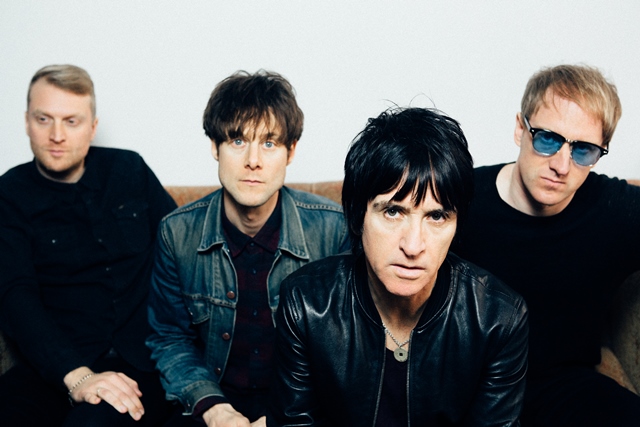
Johnny Marr was on a tour to promote his great third solo album, Call The Comet and on October 15th, at the New York City Irving Plaza, he sold out a truly great show. Marr was accompanied by his excellent band made up of James Doviak playing the guitars and keyboards, Iwan Gronow with the bass and vocals and Jack Mitchell with the drums. They all came together to perform for 100 glorious minutes and the house was very excited. The show kicked off with a powerful version of “The Tracers” from the latest album that featured Mitchel and his drums and Marr with his stellar voice. Following the next song was Marr’s excellent guitar work and The Smiths’ “Bigmouth Strikes Again” which had the crowd in an uproar. The single “New Dominions” was a bit edgy on the latest album due to the fact that its synth driven with a Kraftwerk vibe. It plays out beautifully live and it features Mitchell and his drums and Marr with his excellent voice. Another single titled Hi Hello is the latest one from Call The Comet and it got a nice performance that was again highlighted by Marr’s stellar guitar skills. The crowd went wild when Marr and his gang completely bodied The Smiths’ “The Headmaster Ritual” and this was a big highlight of the show. The single “Walk into the Sea” followed next and it was graced by excellent work by Marr on the guitar and Doviak on the keyboards. Gronow’s bass brought a solid foundation for an excellent and electric performance on Electronics’ “Getting away with it”. The band performed a quality performance of the song as the crowd roared in enjoyment of the show. The spotlight was redirected to the rotating mirror ball on the ceiling of Irving Plaza and this lit up the venue in a spinning reflection. It was quite beautiful and this was another big highlight of the show. Marr and his gang then played the hit “Hey Angel” from the new album and they did justice to it Following a brief intermission, Marr and his gang got back to stage and started with the encore with an intense performance of “Rise” from the new album. This song Marr had started writing when he was in New York City just two days following Donald Trump’s victory in the presidential race of 2016. The song is against the right wing and it opens up with the lyrics “Now here they come/ it’s the dawn of the dogs….” The crowd enjoyed it. The encore came to a close with three songs from The Smith Catalog. Marr introduced Kevin Drew from the Canadian band Broken Social Scene to the stage to help with the vocals on “Please Please Please Let ME Get What I Want.” Marr and his gang performed brilliantly and the crowd loved every bit of it. Marr has taken a lead role after the tours to support the three solo albums and he and his current band have become very close and work together as a unit.

5 Types of Email Pitches Journalists Hate to Get

0
It is common to see journalists being skeptic about pitches from brand new bands and artists that are yet to have a tie with a public relations company. In fact, many of them will pass you over once your name is not familiar in the midst of an avalanche of emails from recognizable PR companies. If, however, they eventually opened your message, a single blunder could cost you a great deal. This may sound harsh, but it is the reality of the industry. For me this is understandable. The fact remains that writers are humans too. They had to deal with tons of music daily. Of course, they had to deal with issues pertaining to the quality of your music as well as the presentation of your inquiry. In order to help you get on the good side of a writer’s judgment, I will share with you 5 general types of pitches you should avoid, including the common mistakes inherent in them. If you can keep them in mind while putting your pitch together, then you stand a better chance of getting positive feedbacks.
  1. Avoid a Pitch with Too Few Details
Too little details will make your pitches generic, thereby failing to grab journalists’ attention. By just saying, “Hey, I’m Punk-D, and here’s a link to my new music. Check it out! Hope you enjoy,” you’re only creating a recipe for failure. Take your time to craft a pitch that include your bio, photo, links to music, or anything else that has to do with your style of music. A vague intro won’t sell you well as someone with good credibility. Most journalists won’t waste their time opening your email.
  1. Avoid a Pitch with Too Many Details
Moderation is the key to a successful pitch. Of course, the writer needs to learn about your band first. But, sending every minute detail about your recording will be a put off. The pitch can briefly made mention of the studio and producer, but we don’t need the story of everyone in the band. A sweet synopsis of how the group came together will suffice.
  1. Avoid a Pitch That Is Full of Excuses
Journalists are not interested in your excuses. So whatever the demo or picture you’re sending across, be sure it is free of any follow-up excuses. Therefore, you should try avoiding the following lines like a plague: “Please bear with me, my demo is terribly rough.” or “The guy on the extreme right is no longer part of the band.” Such excuses will only draw attention to your shortcomings.
  1. Avoid a Pitch That Undersells Your Band
Don’t judge yourself before others judge you. Comments like “we’re an upcoming band and I know our name is yet to make…” should not find their way into your pitch. Always look on the positive side.
  1. Avoid a Pitch That Oversells Your Band
It is good to exhibit a great deal of confidence in your pitch, but don’t go overboard with it. Never craft a pitch that showcases your band as the best in town or try adding credentials you haven’t earn. Always tell your story as they are.

Reviews: Electric Light Orchestra, Crystal Jacqueline, Fruits de Mer, Hawkind, Pink Fairies

0
It is plain as day that Electric Light Orchestra had their own share of mishaps over the years but you need not be an avid observer to appreciate some of their genius. This you can see even from their singles. Their work from 1972 – 1978 has been put in a collection comprised of 16 box set. This collection is named The UK Singles Volume One 1972-78 (legacy). This collection imitates the labels and packaging of all of ELO’s greatest hits. ELO set the bar very high in the studio and it is through their work that we see the genius that Jeff Lynee truly is. At their peak, ELO churned out hits that resonated with the listeners immensely. Every single gently recreates its decades old counterparts with a clean press and sound. If you somehow can’t get enough from the first 15 discs, then you can go to the sixteenth which gives you the 1978 EP. When you add the sturdy box to store them, then you’re all set. Two fresh albums by Crystal Jacqueline come up. This release is new even as long time avid listeners will definitely recognize a lot of the content. Carefully packaged to imitate the old trademark of quality bootleg LP, Crystal Jacqueline Live was created at the Sonic Rock Solstice Festival in 2017. This was a collection of 8 songs that doesn’t feel anything like a bootleg with its perfect packaging and sound quality. As for Fruits de Mer, this year will be the tenth year since the little label was created and The Three Seasons is a carefully put together recreation of the golden age of psych from 1966 to 1968.this is evident in the 27 brands and songs. Included in the release is a few names that some people might not have seen before. There’s a fresh Hawkind album out and it isn’t like anything you’ve heard before. So we can have faith anew in the old brand name by looking back in time about 5 decades back to the Space Ritual tour of 1972 and a fresh look of the Brixton Sundown concert at the close of the outing. Originally released in various guises but most popularly Space Ritual 2, it now comes out as Victim of Sonic Attack, two clear vinyl discs packed in a bright red cloth bag. It is a very good looking artifact and these are probably the best of the tapes out there. They sound glorious and probably better than any CD can ever sound. Similarly when you consider vintage status, Pink Fairies are also back in contention this time with the new album. The original guitarist Paul Rudolph is the sole bearer of the Pink Fairy flag with the ex-Hawkind bassist Alan Davey and Motorhead co-founder Lucas Fox making up the group. Resident Reptiles (Cleopatra) is probably the finest work from the Fairies and this a completely rock and roll sound. It is great to see that neither time nor space changed Paul Rudolph’s sound.

Charles Bradley’s ‘Black Velvet’ Is A Final Love Letter To His Fans

0
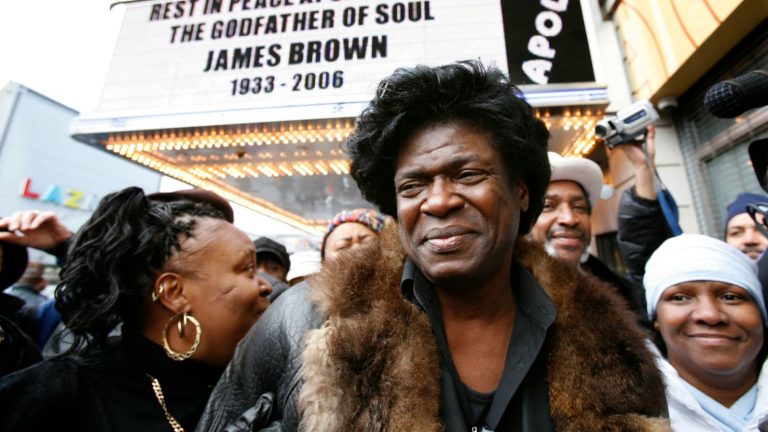
If Charles Bradley – the Screaming Eagle of Soul – were still alive, he would have turned 70 years old on Nov. 5. Sadly, the raspily voiced soul singer — born Charles Edward Bradley in Gainesville, Fla. — died from cancer last year. In celebration of his amazing life, Black Velvet collects ten songs recorded during the sessions from each of his previous three albums, heard here together for the very first time. Bradley was a transcendent singer who overcame adversity to achieve international success and acclaim very late in his life. The story of Bradley’s rise from the depths of poverty and violence surfaced in Bradley’s autobiographical songs throughout the years (“Why Is It So Hard,” and “Heartaches & Pain”). In Poull Brien’s 2012 documentary Charles Bradley: Soul of America, we got a glimpse into how Bradley turned pain and sadness into joy and love, and music that always touched his fans hearts and souls. I had the pleasure of experiencing the love and passion of Bradley closely when he appeared several times on World Cafe over the years. He was always grateful and gracious. In July 2017, he performed at WXPN’s XPoNential Music Festival, and I had the joy of working with Bradley closely when I was on stage producing the show. During a break in the set, as he walked off stage for a costume change, I could sense he was feeling a little weak. As he was getting ready to go back on stage, I asked him how he was and he turned to me and said, “I’m fine, brother. I got the love. If you don’t got love, you don’t got nothing. And it starts right here,” he said, touching his chest where his heart was with his fist. He then grabbed me and gave me one of the warmest, most heartfelt hugs I’ve ever received. He proceeded to finish the show in a blaze of glory, jumping into the audience, handing out roses and hugging the fans, as he typically did during his shows. Little did I know then that he would be gone two months later. “Black Velvet” was the name Bradley used when he was working as a James Brown impersonator. What he learned from the Godfather of Soul was visceral, touching and funky. Bradley had the dance moves, the howls, the yelps, the songs, and the screams, but he turned them into his own with a remarkable, singular voice. Black Velvet, the album, continues to travel down the same road of soul love that Charles Bradley began on his 2011 debut. Songs like “Can’t Fight the Feeling” (originally recorded in 2007), “Fly Little Girl” (featuring Bradley on organ) and the heart-wrenching “I Feel a Change” speak to the essence of his spirit. A duet with LaRose Jackson on “Luv Jones” drops hard like a funk bomb. The powerful electric version of “Victim of Love,” featuring The Sha La Das, works as a spiritual cousin to Barbara Mason’s 1965 R&B hit “Yes I’m Ready,” and when Charles Bradley hits his singular scream at around the 3:40 spot in the song, you’ll know why he has earned his title as the Screaming Eagle of Soul. Another highlight on the album is the tender “(I Hope You Find) The Good Life.” On it, Bradley consoles the sadness and pain he has over a lover he needs to let go of, and sings: “When you are near me like this, I find it hard to resist / So go away little girl, before I beg you to stay,” he moans. This is a different side of Charles Bradley’s soul. He could do it all. The album is peppered with three covers. Nirvana’s “Stay Away” is from a recording he made for Spin’s 25th anniversary tribute to Nevermind. He transforms Neil Young’s “Heart of Gold” into a stirring horn driven pop-soul nugget. Also included is a cover of “Slip Away” by the singer-songwriter Rodriguez, of whom Charles was a fan. Charles Bradley had boundless love and talent. Black Velvet is a testimony to his beauty and spirit, a final love letter to his fans. It’s a perfect ten-song soul send off from one of the greats.

Laura Jane Grace Thrives In ‘Bought To Rot’

0
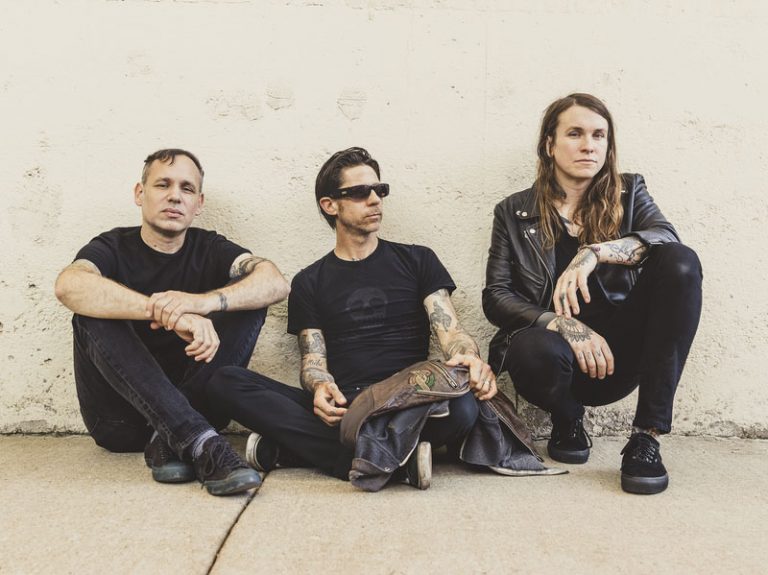
Laura Jane Grace’s life and career changed forever in 2012, when the lead singer of the Florida punk band Against Me! came out as trans. But many fundamentals stayed intact: Her visceral, relentlessly outspoken music remained both blunt and jagged as she adapted to (and commented upon) the radical changes in her life and relationships. Against Me! recorded two of its best-received albums (Transgender Dysphoria Blues and Shape Shift With Me) in the aftermath of the announcement, and as their titles suggest, both leaned hard into relevant issues of gender and identity. Against Me! remains active, but it’s no surprise that Grace also needed the looser, lower-stakes musical outlet she’s found in a ramshackle new band called Laura Jane Grace & The Devouring Mothers. The group’s new album, Bought to Rot, bounds around outside the boundaries and margins of punk, while still bearing the unfiltered, playfully profane, overstuffed-with-ideas trademark of its leader. After the frayed tone-setter “China Beach” — “Are you my enemy?” she asks plainly, adding, “And are we at war?” — Bought to Rot gets swept up in conflicts both internal and otherwise. Sometimes, as in “I Hate Chicago,” the vitriol spills over into outright satire. In that song — which gets docked three-tenths of a point for sparing the Chicago Bears from her spite, even though the rhyme was right there — Grace spits venom about traffic, pizza, O’Hare and Wilco, only to drop the act and acknowledge, “You caught me, this is actually just another divorce song.” But she also finds causes for celebration: In “The Friendship Song,” she dishes out heartfelt praise and acerbic self-deprecation mere seconds apart: “You accept me for who I am / And I don’t judge you for that.” In interviews, Grace has cited Tom Petty’s Full Moon Fever as an inspiration for Bought to Rot. And while the points of comparison might seem superficial — they’re both solo records by Floridians who accent their songs with a recurring guitar jangle, though Full Moon Fever mustered only a small fraction of Bought to Rot’s aggression — there are deeper connections, too. Grace grew up idolizing Petty, and each built a distinct artistic persona around direct plainspokenness. The former will always fit more syllables into any given couplet, but both have thrived by speaking — and living — their truth as they’ve seen it.

The Glands’ Posthumous ‘Double Coda’ Extends A Lifeline

0
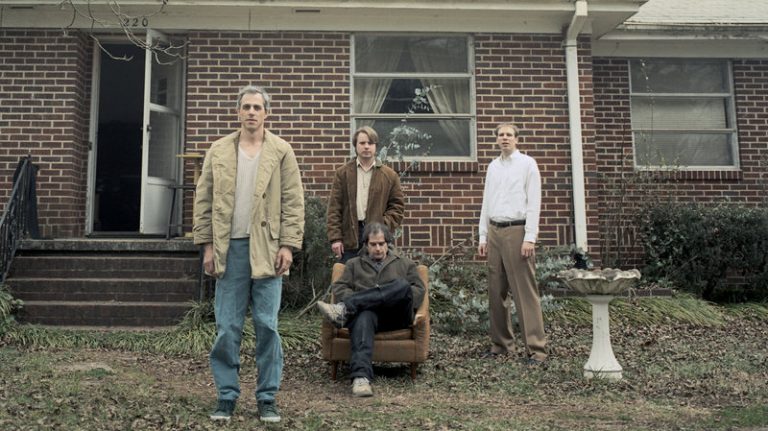
Whether hearing The Glands for the first time or singing along again to tunes that soundtracked turn-of-the-millennium summers in the band’s Athens, Ga., hometown, there’s one question that everyone within earshot seems to echo: Why wasn’t this band famous? For about five years beginning around 1997, it seemed they might be. Emerging from one of the United States’ hotbeds for eccentric and seeking rock, the Glands felt like a potential boon for the state of indie rock, which had started to sprout from small-town hobby to bustling little industry during the previous two decades. The Glands gave the slackness of Pavement new power, the looseness of bandleader and mastermind Ross Shapiro’s heroes, the Grateful Dead, consistent melodic gravity. You could hear their songs once and swear your parents had cooed them to you in utero. The band’s debut, reissued in 1998 by the stalwart Bar/None after a small private pressing, tried to match its audacious title of Double Thriller with a bevy of variegated wonder — the scuzzy psych of “No. Zero,” the country organ drift of “Pretty Merrina,” the madhouse jangle of “Welcome to New Jersey.” Shapiro had recorded it largely by himself late at night, in a slapdash downtown studio after the bars closed. For its follow-up, though, he focused, pulling the live band he’d built into a studio and aiming to get to the essence of these ideas. He did: The band’s self-titled second album, issued in 2000 by a reborn-to-die Capricorn Records, is one of the best indie-rock records ever made, bar none. Its irrepressible lead sequence, “Livin’ Was Easy” and “When I Laugh,” is a peerless gambit. In a slight, imperfect, enthusiastic falsetto, Shapiro built hooks that betrayed both sardonic armor and a soft heart. Lively but nonchalant, the band stood on the accelerator, even as the frame rattled to pieces. But, of course, it never happened: The Glands stalled after that second album, with its follow-up lost to nearly two decades of hesitation and perfectionism, compounded by sporadic reunions that mostly went nowhere and Shapiro’s stint as a record-store owner. He died of lung cancer in 2016 at the age of 53. In his absence, the label New West is trying again to give these songs the wider audience they have long deserved. With his deathbed blessing, Shapiro’s friends cobbled together his third and final album, Double Coda, from not-always-finished recordings dating back to 1996. It is a standalone LP, but it’s also bound with its out-of-print predecessors in a glorious box set named for another Glands treasure, I Can See My House From Here. As Glands zealot, Athens expatriate and Drive-By Truckers cofounder Patterson Hood writes in the extensive liner notes, Double Coda and the attendant collection offer “long-awaited closure to one of Athens, Georgia’s longest-running unfinished chapters.” Much like Double Thriller, the Glands’ debut two decades ago, Double Coda feels more like a vivid mixtape or a sketchbook teeming with ideas than a proper album that’s been sequenced to tell some definitive story or unfurl through some dramatic arc. A late-night instrumental shuffle, cheekily titled “Piano Jazz,” sits between a harmony-lifted rock rumble about promiscuous sex (or lack thereof?) that could belong to Fountains of Wayne and a hypnotic take on mid-’70s Dylan pastiche. Nearby, there is a grunge piss-take, a haunted chanson, and a three-minute slice of piano pop (backed by scratching records, no less) so punchy and triumphant that you’ll never need to hear Ben Folds again. The uneven sequencing results, in part, from Double Coda’s very origin story, or that a dying Shapiro had never gotten around to finishing that third album he had teased for so long. He entrusted the duty to Joe Rowe — the only other permanent Glands member and a dazzling drummer whose near-anonymity is another minor Glands tragedy — bassist Derek Almstead and David Barbe, a veteran Athens instrumentalist and producer who went from Shapiro skeptic to unabashed champion. What stands out anew from this odds-and-ends approach, though, is Shapiro’s total command over melody, no matter the shape the song took. If bands had batting averages, the number of hits among these 23 tracks would humble even the mighty Ted Williams. Back to that question, then: If these songs are so wondrous, why did the Glands never become famous, “the Cars of our generation,” as Elephant 6 anchor Laura Carter poses it in the liner notes? There are a half-dozen different theories, and they may all be correct to some degree. They signed to the wrong labels. They didn’t love to tour. They were too slow and particular. They came from the wrong indie-rock cradle at the wrong time. Many, including some who knew Shapiro best, wonder if there was even a sense of self-sabotage, so that he participated in the music industry only enough to get his records released but little more. He was an obsessive student of rock and roll, an itinerant Deadhead who had seen firsthand the toil that the obligations of careerism could have on creativity. Listening to Double Coda, that latter hypothesis doesn’t seem so far-fetched — or unfortunate at all, really. This collection suggests that, for Shapiro, making music remained a lifelong playground, a way for him to indulge himself and openly explore ideas with the freedom of being almost almost-famous. There are no boundaries here, nothing off limits. His stony mumble backed by mocking high harmonies, “So High” nearly matches “Livin’ Was Easy” as a masterclass in starting an album. He is as magnetic during the broken-hearted, keyboard-and-percussion lament “Sadie Song” as he is during the open-road, Petty-forever rock of “Pleaser.” A love song that sharply renders the confusion of trying to articulate new feelings, “Possibilities” is immersive and elliptical in the way The War on Drugs used to be, while “Sofa” actually calls for more cowbell in the bridge. You get the sense that Shapiro simply loved the definite form that songs afforded his most personal thoughts — that these tunes were a lifeline, not an income source. During closer “Save a Place for You,” Shapiro sits at the piano by himself, trying to map his troubled emotional terrain in a voice that conjures a schoolboy singing at his first elementary school recital. He wants to be vulnerable, he implies, but he doesn’t want to be hurt again, either. It is a devastating song, and, considering the path of the his own life, a little hard to hear. But that’s the thing: If you hear Shapiro sing the chorus — “Hearts may be broken / But only if you’ll give it away / In yours, could you save a place for me?” — only once, his voice curling as sweetly as a puppy’s whimper, then you’ll hear it in your head for the rest of your life. At his best, that’s how good Shapiro was — and, as Double Coda proves, how good he remained.
Mac Miller Died from A Fentanyl Overdose

0
A coroner from The Los Angeles’s Department of Medical Examination has declared that Mac Miller, born Malcolm James McCormick died from a drug overdose. Mac Miller had a mix of fentanyl, ethanol and cocaine in his system when he died on September 7, 2018. His death was ruled as accidental. Mac Miller’s death becomes one of a growing list of celebrity entertainers whose death had something to do with fentanyl. The list includes Prince, Lil Peep, Jay Bennett and Tom Petty. Born on the 19th of January 2018, Mac Miller was found unresponsive in his home at 11600 block of Valleycrest Drive, Studio City. Mac Miller was pronounced dead on the scene after the authorities arrived. On the day he died, Mac Miller was discovered unresponsive by his personal assistant in his bedroom. He was in a praying position with his face resting on his knees. There was blood coming out from one of his nostrils, and there was a 1/4 -inch abrasion on the bridge of his nose. His personal assistant then dialed 911. On the nightstand, there was an empty bottle of alcohol. There were some prescription drugs in the bathroom, and the home contained pills like hydrocodone, oxycodone, Xanax, hydrocodone and Adderall. A rolled up $20 bill in his right pocket was found with white powdery residue, and the iPad in his studio at home also had the white powder residue on it. 2 baggies found in the home also contained the white powder. The assistant explained to the police that Mac Miller had an ongoing battle with substance abuse. The assistant explained that in recent times, Mac Miller had been engaged in a lot of positive projects and he was often in a good mood of recent. But there were times when he slipped, and in those periods, he consumed these drugs. It was an ongoing battle for Mac Miller to stay sober. Mac Miller’s mother also confirmed that her son was in good spirits of recent. T.J Jordan, who is the assistant director of the Tennessee Bureau of Investigation spoke in a news conference where he explained that the mixture of cocaine with fentanyl is now being consumed more than ever before. It is a deadly mix that could take one’s life away. The combination of drugs was what led to Mac Miller’s death. A tribute concert was held for Mac Miller at The Greek Theatre in Los Angeles. Collaborators and friends were at the concert to pay respect to him. Performers at the concert include Travis Scott, John Mayer and Chance the Rapper. Sales from the concert went to The Mac Miller Circles Fund which is a charity that was established in his name by his family. The Charity was established to provide resources, programming, and opportunities to youths from underserved communities so that they could attain their full potential in community building and arts. Mac Miller was in a two-year relationship with pop singer, Ariana Grande. But their relationship ended as a result of his substance abuse.

Jimmy Cliff, John Prine, Missy Elliott And Others Among Nominees to Songwriters Hall of Fame

0
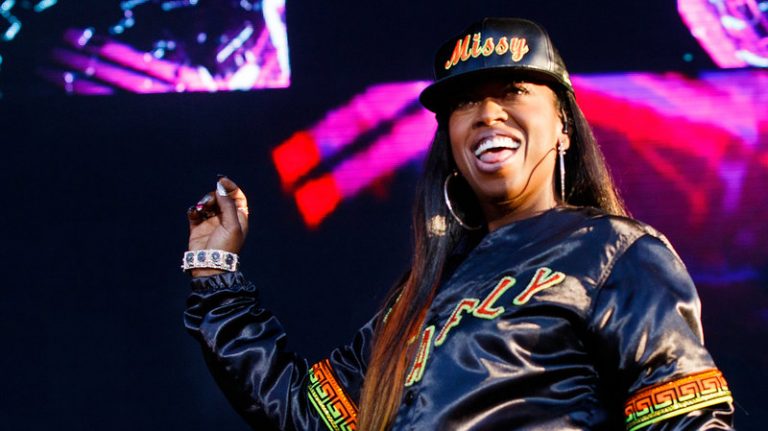
The Songwriters Hall of Fame has released a list of nominees. The list includes Missy Elliott, Mariah Carey, Jimmy Cliff, Vince Gill, Jeff Lynne of Electric Light Orchestra, Yusuf Islam, formerly of Cat Stevens, Dave Stewart and Annie Lennox of The Eurythmics, Chrissie Hynde of The Pretenders, Mike Love of The Beach Boys, Tommy James of The Shondells, and John Prine who is also a nominee for the Rock and Roll Hall of Fame. There are some non-performing nominees who include Spooner Oldham and Dan Penn, Jack Tempchin, Jerry Fuller, Bobby Hart and Tommy Boyce, Steve Barri and P.F. Sloan, Michael Gore and Dean Pitchford, Irwin Levine and L. Russell Brown, Stephen Flaherty and Lynn Ahrens, Roger Nichols, and Tom T. Hall. Just 6 out of the 24 nominees will be inducted. Inductees will be determined by a vote among the voting members among the Songwriting Hall of Fame. Artists must have a minimum of a 20-year career with a good catalog of hit songs. Eligible members and voters have until December 17 to vote for three performing songwriters and three non-performing songwriters. The Songwriters Hall of Fame honors those whose work and musical legacy represents the heritage and legacy of the best songs from popular songbooks loved by music aficionados all over the world. The Songwriters Hall of Fame is also involved in developing expert songwriters and talents through various scholarships and workshops. If Missy Elliott gets admitted into the Songwriters Hall of Fame, she will become the first female writer to be admitted and the third rapper to be admitted after Jermaine Dupri (2018) and Jay-Z (2017). She is already the first female rapper to be among the nominees. Missy Elliott has worked on songs for Whitney Houston, Mariah Carey, Destiny’s Child, Mary J. Blige, Janet Jackson, Monica (So Gone), Aaliyah (One in A Million), Ciara (1,2 Step), and Beyoncé (Signs). Missy Elliott is known for singing, producing and writing her songs. Her hit track ‘Work it’ has the lyrics inverted so people could sing the lyrics backward without even knowing. That’s a testament to her songwriting prowess. Her other hit songs include ‘Get Ur Freak On,’ ‘The Rain,’ ‘One Minute Man,’ ‘Supa Dupa Fly’ etc. Her songs have also spawned creative and funny music videos all through her almost 30-year long career. Missy Elliott has been nominated for the Grammys 22 times, and she has won four times. Adding the Songwriters Hall of Fame nomination to her belt, it seems there is no stopping Missy Elliott any time soon. Nominees were announced through the Associated Press. Niles Rodgers is the chairman of the Songwriter Hall of Fame. He took over after Leon Huff and Kenneth Gamble. Niles Rodgers was inducted in 2016. All three members of the Bee Gees were inducted in 1994 while all band members of Queen were inducted in 2003. On June 13, 2019, the six inductees will be admitted to the Hall at the 50th annual Induction and Awards gala in New York.

Nowhere2Go by Earl Sweatshirt

0
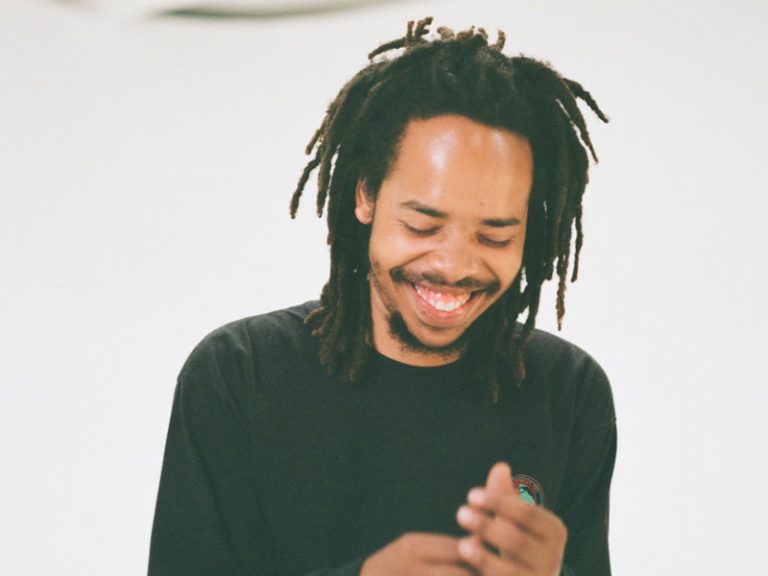
Earl Sweatshirt is a one-of-a-kind musician with his own unique style. He has been belting out catchy tunes right from time. He started with his debut mixtape called Earl which was released in 2010. He followed that up with Free Earl. He eventually ventured into rapping showing his versatility. His latest release called Nowhere2go is an old soul vibe that is sure to make heads sing along. Before releasing the track, he had been teasing it on his social media handles and YouTube. He posted a few snippets that hinted at new music before releasing the full thing. The man sure knows how to keep us all anticipating what he’s cooking. His new track has him delving a little into mumble rap as they call it these days. But it is clearer than other mumble rappers with strong lyrics that tell a deep story of his past, his present and his future. Quite unlike mumble rap which is majorly about the party life, the women, the drinks and the drugs. Nowhere2Go is a deep reflective song that has Earl Sweatshirt reflecting on his past. He talks about depression, just going with the general flow of life and not thinking much about things. Earl Sweatshirt constantly changing music style tells us that he is still on the path to discovery and this new track confirms this. Nowhere2go is no different, and it tells us more about his journey to self-discovery. He explains how he’s had to do a lot of things all by himself and how he’s always being a loner without friends. He explained that he had to find himself and he relied on his wits to make it this far. Earl Sweatshirt hasn’t said much about any full-length project, but it seems that Nowhere2Go will be a forerunner for an upcoming full-length project. That will give fans something to anticipate since the 2015 release of the album ‘I Don’t Like S***, I Don’t Go Outside.’ Since the release of that album, Earl Sweatshirt had only released singles like ‘Balance,’ ‘Solace,’ and ‘Wind in My Sails.’ He also appeared on Vince Staples album called FM and he recently performed at Mac Miller’s tribute concert. Thankfully, Earl Sweatshirt is getting back on the radar after being out of public eye for so long. He cancelled some tour dates due to depression and anxiety. Early this year, his father Keorapetse Kgositsile, a poet passed on so we can understand his reason for keeping a low profile. Some fans hoped for a full-length project after the teasers, but they will have to make do with Nowhere2go for now. Hopefully, the song will keep them satisfied for the moment until Earl Sweatshirt decides to bless us with more songs. Nowhere2go was produced by Adé Hakim Sayyad (fka Sixpress) and Darryl Johnson. It was first released on Apple Music alone for signed in users. But it is now available on Spotify, YouTube and other platforms. Go get it now and have a feel for yourself.